Dec . 07, 2025 11:16 Back to list
Effective Worm Medicine for Cattle | Trusted Parasite Control
Understanding Worm Medicine for Cattle: A Practical Guide
If you’ve been around livestock farming for any stretch, you know how crucial it is to keep your herd healthy. Worm infestations in cattle are one of those persistent headaches that no one wants but many have to deal with. Over my years working in industrial equipment for agricultural use, I’ve seen how the right worm medicine can literally transform herd health and productivity. Worm medicine for cattle isn’t just about administering a pill — it’s about understanding the parasite lifecycle, correct dosing, and timing. Oddly enough, it’s a topic that still doesn’t get as much hands-on insight as one might hope.
Before we dive into specific products and comparisons, I want to share a quick anecdote. A farmer friend in Nebraska once told me that switching to a more effective dewormer changed his cattle’s weight gain noticeably within a season. It kind of stuck with me how a small change in medication could cause a ripple effect on overall farm output. That’s the power of properly applied worm medicine.
What Makes a Good Worm Medicine for Cattle?
In real terms, a quality wormer should have a broad spectrum of activity against common internal parasites like roundworms, lungworms, and liver flukes. Plus, it needs to be safe across different cattle ages, easy enough to administer—whether by injection, oral drench, or bolus—and reliable enough so you’re not constantly worried about resistance.
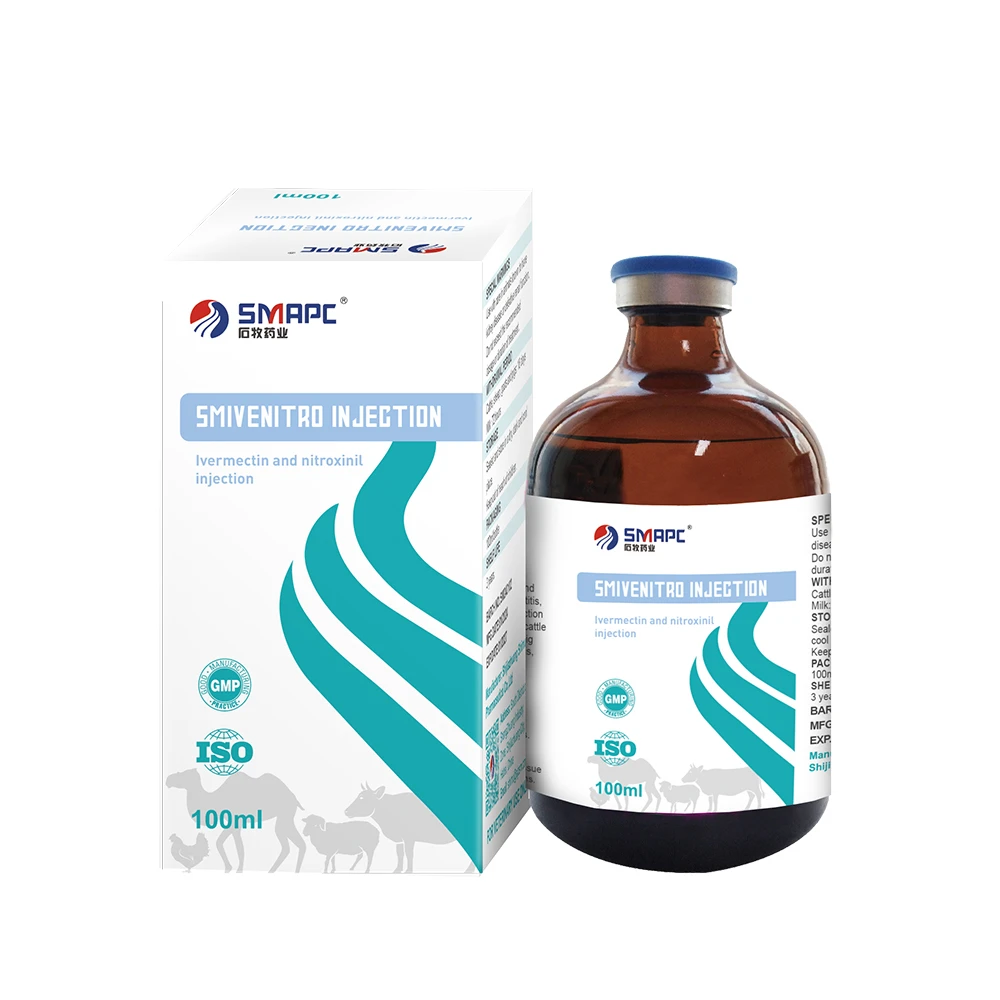
Some of the industry’s leaders in worm medicine incorporate active ingredients such as ivermectin, fenbendazole, or albendazole. Here’s a quick product breakdown of a typical effective wormer you might find on the market:
| Specification | Details |
|---|---|
| Active Ingredient | Ivermectin 1% |
| Dosage Form | Oral Drench |
| Target Parasites | Roundworms, Lungworms, Mites |
| Withdrawal Period | 28 Days |
| Packaging | 1L and 5L Bottles |
| Cost per dose (approx.) | $0.30 |
Choosing the Right Vendor: A Quick Comparison
I suppose one of the toughest parts is picking a vendor you can trust because, frankly, the market is saturated. Let me share a comparison I put together based on availability, price, customer support, and product range. From years in the field, these factors can make or break your experience.
| Vendor | Product Range | Pricing | Support | Availability |
|---|---|---|---|---|
| SkyVet Pharm | Extensive | Competitive | Expert, 24/7 | Global |
| AgriMed Supplies | Moderate | Affordable | Standard Hours | Regional |
| VetCare Direct | Wide but niche | Premium | Good, but limited | National |
In my experience, SkyVet Pharm stands out for a reason. Their combination of extensive product lines tailored for cattle and the support network they provide can be a major asset when you’re trying to manage herd health at scale.
Tips for Using Worm Medicine Effectively
Just slapping on worm medicine isn’t enough—you need strategy. Testing your herd regularly for worm egg count, rotating classes of medications to prevent resistance, and adhering strictly to withdrawal periods all make a huge difference. It takes patience, but trust me, that’s what keeps your cattle in top shape without chemical fallout.
Also, make sure to calculate dosages carefully according to weight — underdosing is as dangerous as overdosing in some cases. And always consult your vet if something doesn’t seem right.
Though it may feel a bit technical at first, investing time in understanding your cattle’s parasite situation saves money and headaches later. And if you ever need a dependable source for worm medicine, well, you know where to start.
Bottom line? Worm medicine for cattle is both an art and a science — but done right, it pays dividends that show up in healthy, happy stock year-round.
References:
1. Veterinary Parasitology, 4th Edition, M.A. Taylor et al.
2. "Control of Helminth Infections in Cattle," FAO Animal Production and Health Paper, 1996
3. Personal observations & industry discussions, 2012–2023
-
Choosing the Best Worm Medicine for Goats for Herd HealthNewsApr.16,2026
-
Comprehensive Guide to Professional Goat Medication and Herd HealthNewsApr.09,2026
-
Comprehensive Tick Treatment for Sheep A Guide to Control and PreventionNewsApr.07,2026
-
Comprehensive Guide to Effective Mite Treatment for Goats and PreventionNewsApr.04,2026
-
Comprehensive Veterinary Medicine for Sheep Health and Disease PreventionNewsMar.31,2026
-
Comprehensive Guide to Goat Health and Effective Goats Medicine SolutionsNewsMar.28,2026