Apr . 16, 2026 02:15 Back to list
Choosing the Best Worm Medicine for Goats for Herd Health
Choosing the Right Worm Medicine for Goats: A Complete Guide
Maintaining a healthy herd starts with effective parasite management. Internal parasites can quietly drain your goats' vitality, leading to weight loss, anemia, and decreased milk production. Selecting the most effective worm medicine for goats is not just about treating a current infection, but about implementing a strategic health plan. In this guide, we will explore the different types of anthelmintics, how to identify symptoms of infestation, and the best practices for administration to ensure your livestock remains productive and healthy throughout the year.

Understanding Common Parasites in Goats
Before applying any worm medicine for goats, it is essential to understand what you are fighting. The most common threats include gastrointestinal nematodes, specifically the Haemonchus contortus (Barber's Pole worm), which feeds on blood and causes severe anemia. Other parasites include lungworms and tapeworms, each requiring a specific chemical approach for eradication. Ignoring these parasites can lead to "bottle jaw" (edema under the jaw) and overall herd decline. Early detection through fecal egg counts (FEC) is the most professional way to determine the exact parasite load before starting treatment.
Types of Worm Medicine for Goats and Their Uses
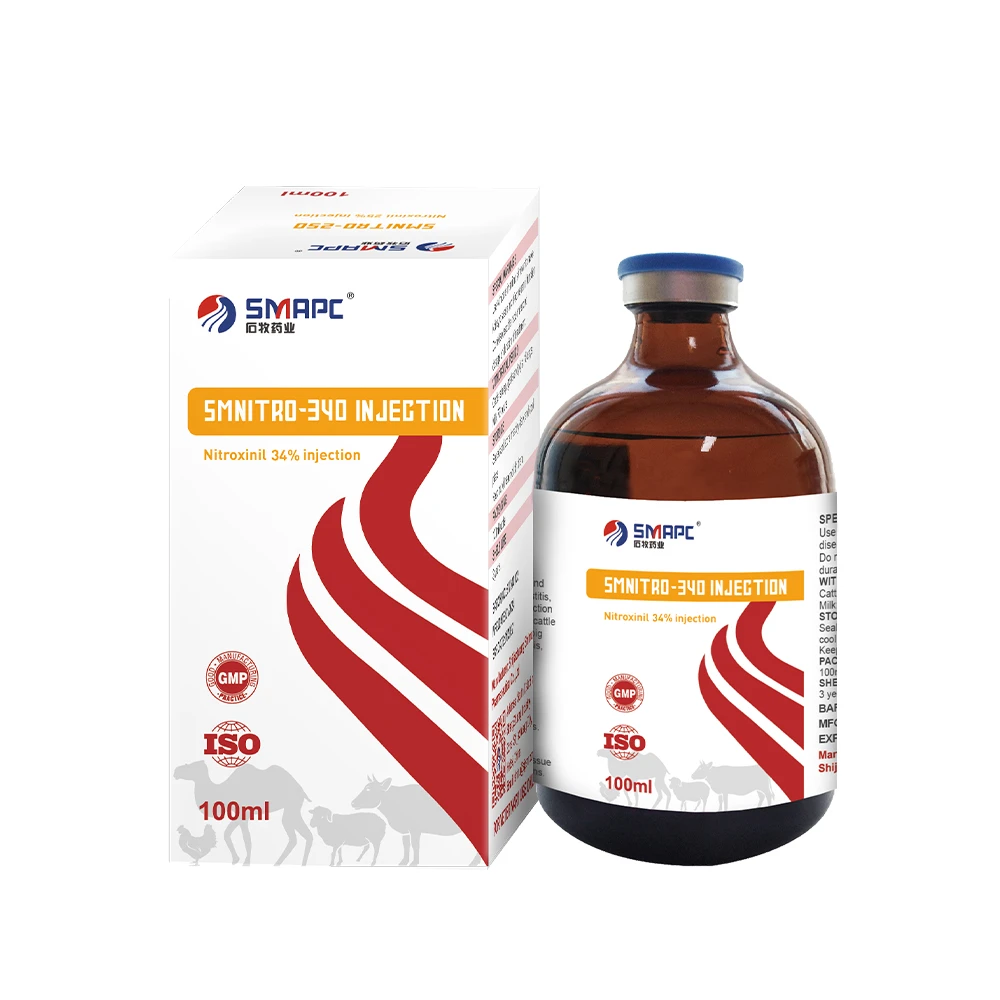
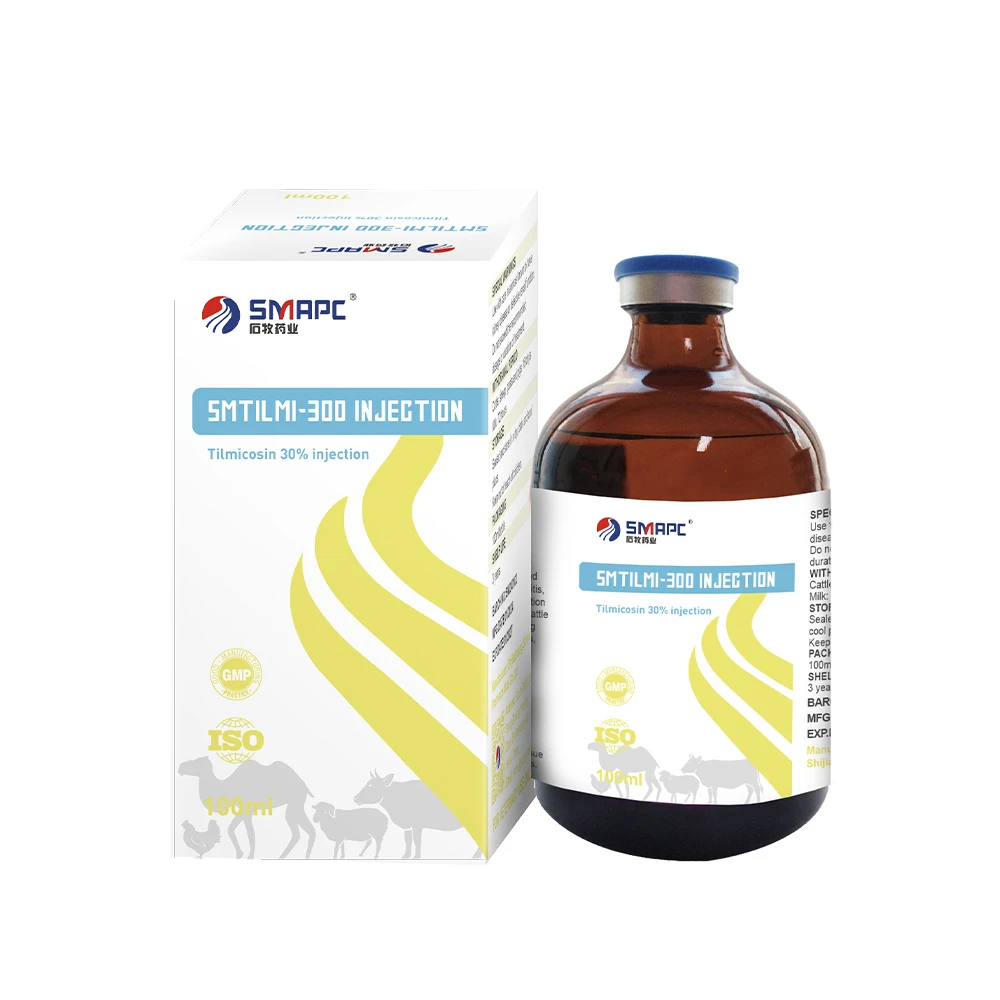
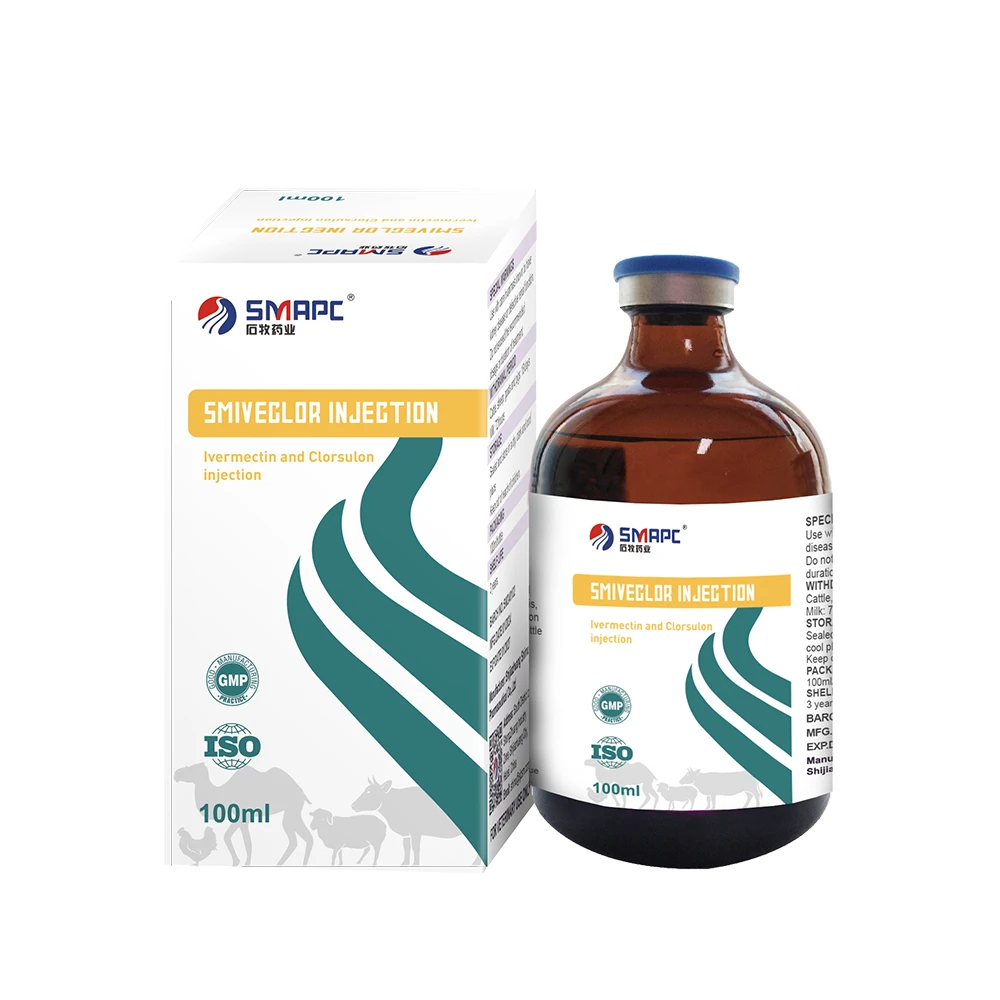
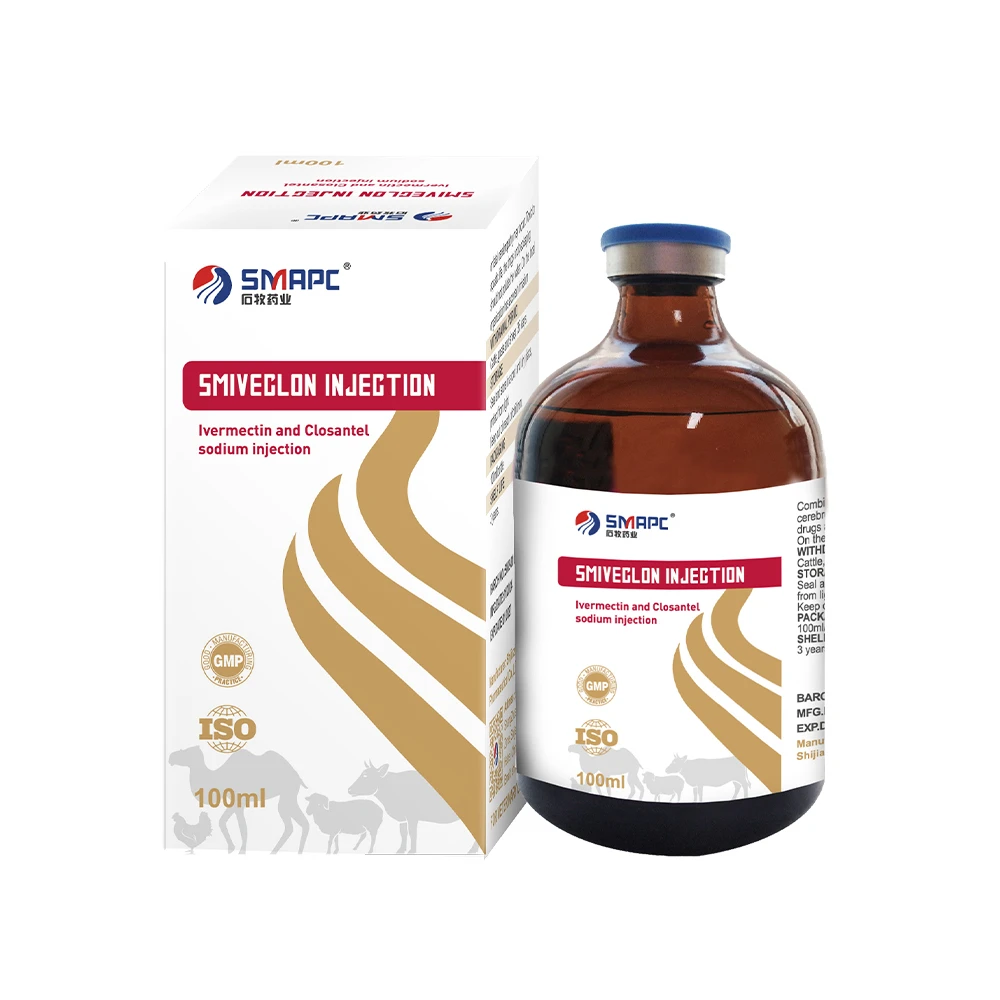
Not all dewormers are created equal. Depending on the chemical class, some medicines are more effective against certain species of worms than others. To avoid drug resistance, farmers are encouraged to rotate the classes of medication they use. Common classes include Benzimidazoles, Macrocyclic Lactones, and Nicadizards. Choosing a high-quality worm medicine for goats ensures that the active ingredients are pure and the dosage is accurate for the animal's weight.
Pro Tip: Always weigh your goats before dosing. Under-dosing is a primary cause of anthelmintic resistance, making the parasites stronger and the medicine less effective over time.
Comparative Analysis of Deworming Agents
When comparing different options for worm medicine for goats, it is important to look at the spectrum of activity and the withdrawal periods for meat and milk. Some medications act faster but have shorter durations of protection, while others provide a lingering effect that prevents reinfection for several weeks.
Best Practices for Administering Worm Medicine
Applying worm medicine for goats requires precision. Oral drenching is the most common method, but injectable options are available for those who struggle with oral administration. To maximize effectiveness, ensure the goat is held securely to prevent spitting out the medicine. Furthermore, avoid treating all animals at once; instead, use selective treatment based on FAMACHA scores. This method protects the "refugia" (the population of worms not exposed to the drug), which slows the development of resistance.
Product Specifications for Veterinary Grade Dewormers
When purchasing from professional suppliers, it is vital to check the technical specifications of your worm medicine for goats. High-grade veterinary medicines are formulated for maximum stability and bioavailability. Below is a typical specification table for a professional-grade anthelmintic solution:
Preventative Measures to Reduce Medicine Dependence
While worm medicine for goats is necessary, over-reliance can lead to drug-resistant "super-worms." Integrating pasture management is the key to long-term success. Rotational grazing prevents goats from constantly re-ingesting larvae from the same patch of soil. Additionally, keeping pastures mowed and avoiding overstocking reduces the parasite density. Combining a disciplined dosing schedule with environmental control creates a sustainable ecosystem for your goats to thrive without constant chemical intervention.
Conclusion: A Holistic Approach to Goat Health
Managing internal parasites is an ongoing commitment. By using the correct worm medicine for goats, dosing accurately, and employing smart pasture management, you can ensure your herd remains healthy and productive. Remember that the best treatment plan is one tailored to your specific environment and the individual needs of your animals. For professional-grade pharmaceutical solutions, trust the experts in veterinary care to keep your livestock in peak condition.
Frequently Asked Questions (FAQs)
How often should I give worm medicine to my goats?
There is no "one size fits all" schedule. Treatment frequency depends on the parasite load, the age of the goats, and the environment. Some farmers treat seasonally (spring and fall), while others use "targeted selective treatment" based on FAMACHA scores or fecal egg counts. Treating too often can lead to drug resistance, while treating too rarely can result in animal death. We recommend consulting a veterinarian and performing regular fecal tests to determine the exact timing for your herd.
Can I use sheep dewormers for my goats?
In many cases, the active ingredients are the same, but you must be extremely careful. Goats have a different metabolism than sheep and are much more sensitive to certain chemicals. For example, some medications that are safe for sheep can be toxic to goats if not dosed correctly. Always ensure the product is labeled for goats or has been approved by a professional. Using a dedicated worm medicine for goats is the safest way to avoid accidental poisoning.
What should I do if the worm medicine doesn't seem to work?
If your goats still show symptoms after treatment, you are likely dealing with anthelmintic resistance. This happens when the worms evolve to survive the medicine. The first step is to perform a Fecal Egg Count Reduction Test (FECRT) to confirm resistance. If resistance is confirmed, you must switch to a different class of medication. This is why rotating drug classes is critical. Avoid the temptation to simply give a higher dose of the same medicine, as this will only accelerate the resistance problem.
Are there any withdrawal periods for goat worm medicines?
Yes, almost all professional anthelmintics have withdrawal periods. This is the amount of time that must pass between the last dose of medication and the time the animal's meat or milk can be used for human consumption. These periods vary wildly between different chemical classes (e.g., a few days for some, several weeks for others). Always read the product label carefully or consult the manufacturer's data sheet to ensure food safety and compliance with health regulations.
-
Comprehensive Guide to Professional Goat Medication and Herd HealthNewsApr.09,2026
-
Comprehensive Tick Treatment for Sheep A Guide to Control and PreventionNewsApr.07,2026
-
Comprehensive Guide to Effective Mite Treatment for Goats and PreventionNewsApr.04,2026
-
Comprehensive Veterinary Medicine for Sheep Health and Disease PreventionNewsMar.31,2026
-
Comprehensive Guide to Goat Health and Effective Goats Medicine SolutionsNewsMar.28,2026