Mar . 04, 2026 02:35 Back to list
Comprehensive Guide to Pink Eye Medicine for Cows and Effective Treatment Options
Effective Pink Eye Medicine for Cows: A Comprehensive Guide
Pink eye, or infectious bovine keratoconjunctivitis (IBK), is a common and highly contagious disease affecting cattle worldwide. Prompt and effective treatment is crucial to prevent corneal damage and vision loss. This article provides a detailed overview of pink eye in cows, its causes, symptoms, and, most importantly, the best pink eye medicine for cows available, focusing on solutions offered by Skyvet Pharmaceuticals. We will explore preventative measures and treatment options to help you protect your herd and maintain their health.
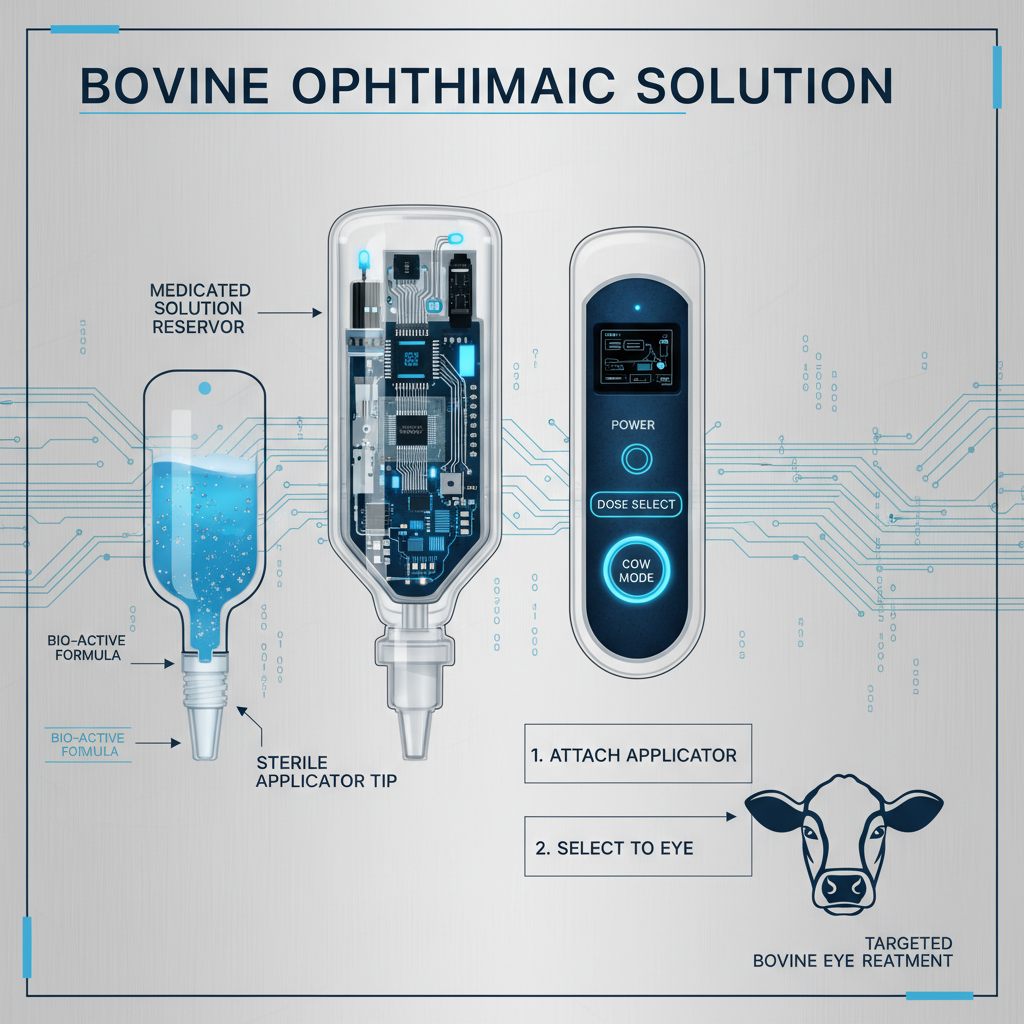
Understanding Pink Eye in Cattle
Pink eye is typically caused by the bacterium Moraxella bovis, but other factors such as viruses and irritants like dust, flies, and ultraviolet light can contribute to its spread. The disease is highly contagious, spreading through direct contact with infected animals, or indirectly through contaminated surfaces or vectors like flies. Symptoms include excessive tearing, squinting, redness of the conjunctiva (the pink membrane lining the eyelids), and sometimes corneal ulcers. Early detection and treatment are paramount to minimize economic losses due to reduced weight gain, milk production, and potential blindness.
Key Highlights: Early detection and treatment are crucial. Pink eye spreads easily through contact and vectors. Untreated cases can lead to corneal damage and blindness.
Choosing the Right Pink Eye Medicine for Cows
Selecting the appropriate pink eye medicine for cows depends on the severity of the infection and your veterinarian’s recommendation. Options range from topical treatments like eye ointments and sprays to systemic antibiotics administered by injection. Topical treatments are effective for mild to moderate cases, while systemic antibiotics are often necessary for severe infections or when corneal ulcers are present. It’s important to choose a product specifically formulated for livestock and follow the dosage instructions carefully. Skyvet Pharmaceuticals offers a range of effective solutions designed to combat pink eye in cattle.
Treatment Options Overview:
• Topical Antibiotic Ointments/Sprays: For mild to moderate cases.
• Systemic Antibiotics: For severe cases and corneal ulcers.
• Anti-inflammatory Medications: To reduce swelling and discomfort.
• Supportive Care: Protecting eyes from sunlight and flies.
Skyvet Pharmaceuticals’ Pink Eye Solutions
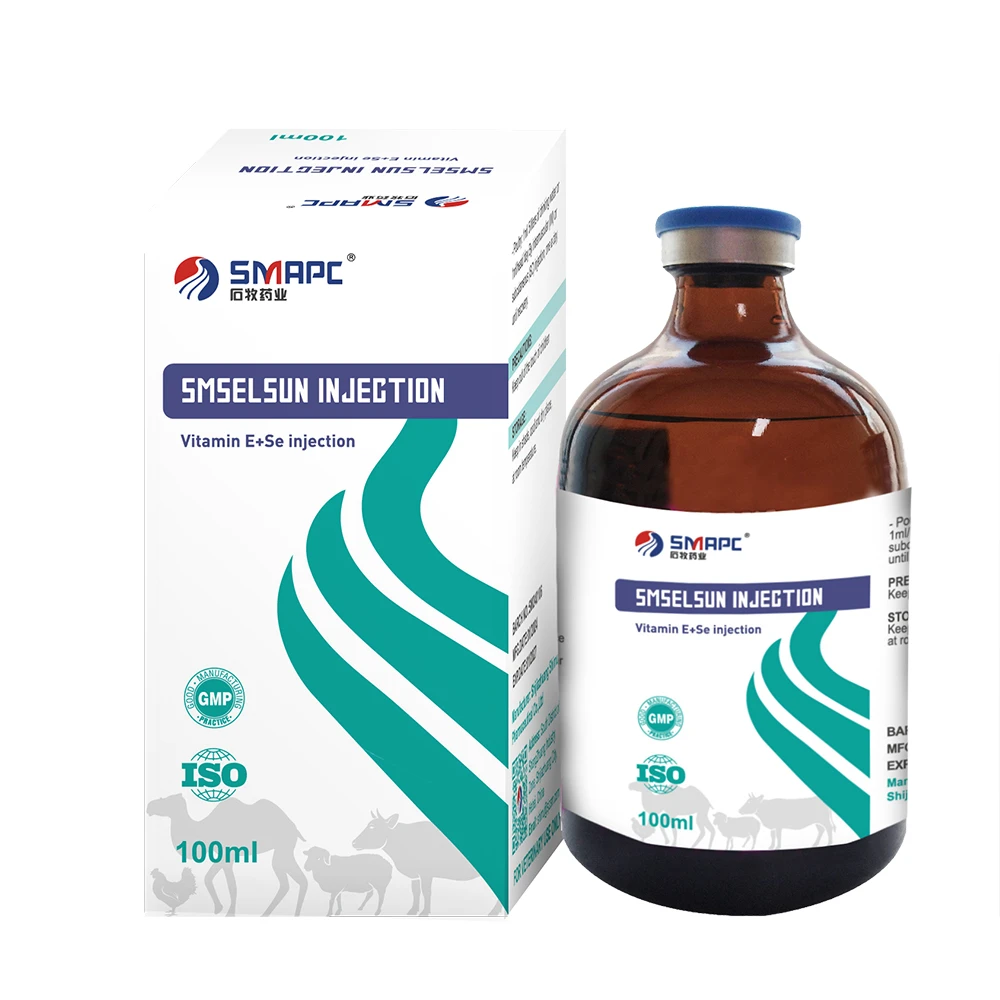
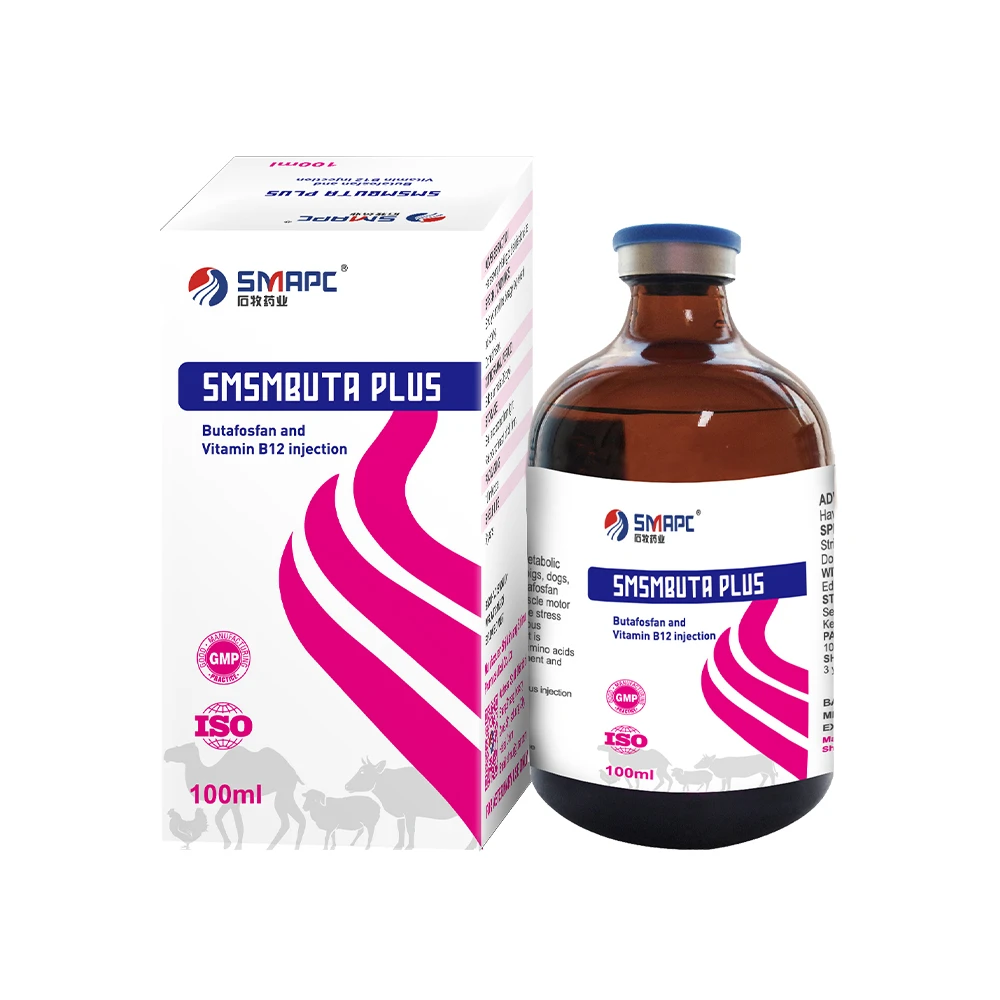
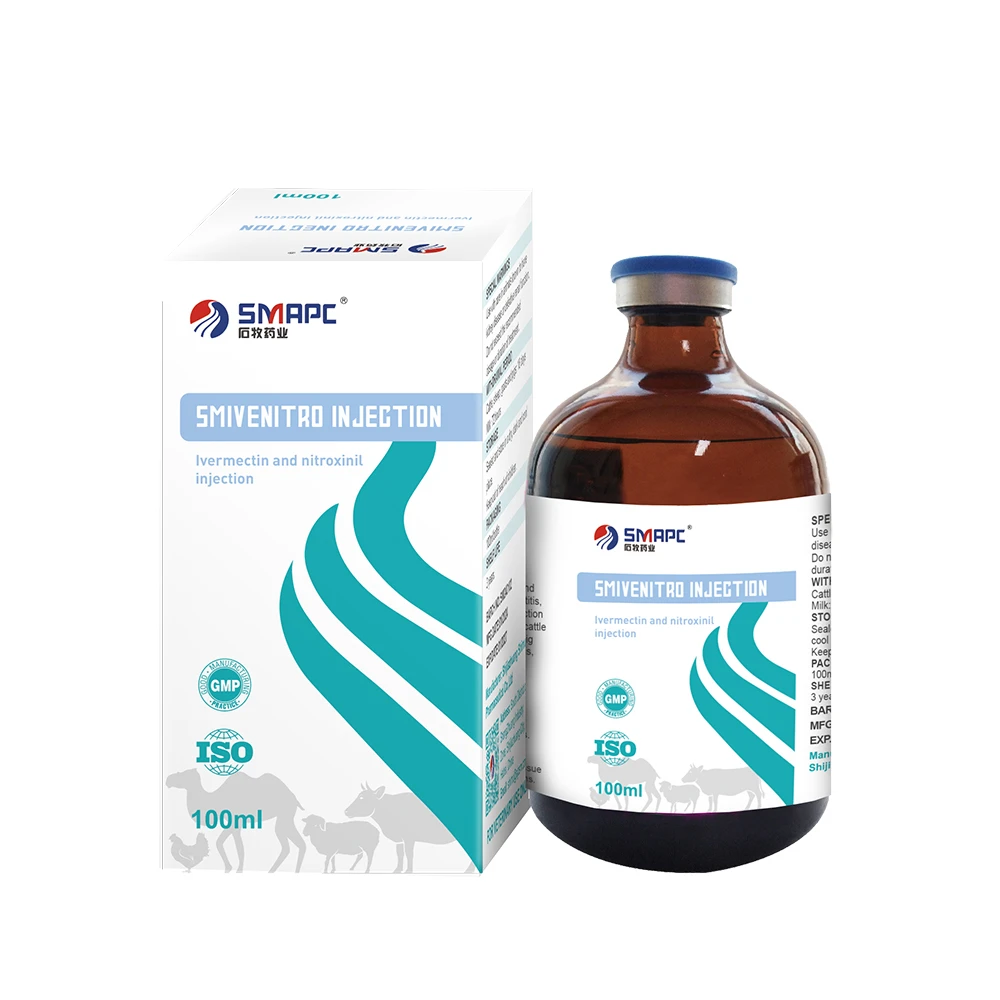
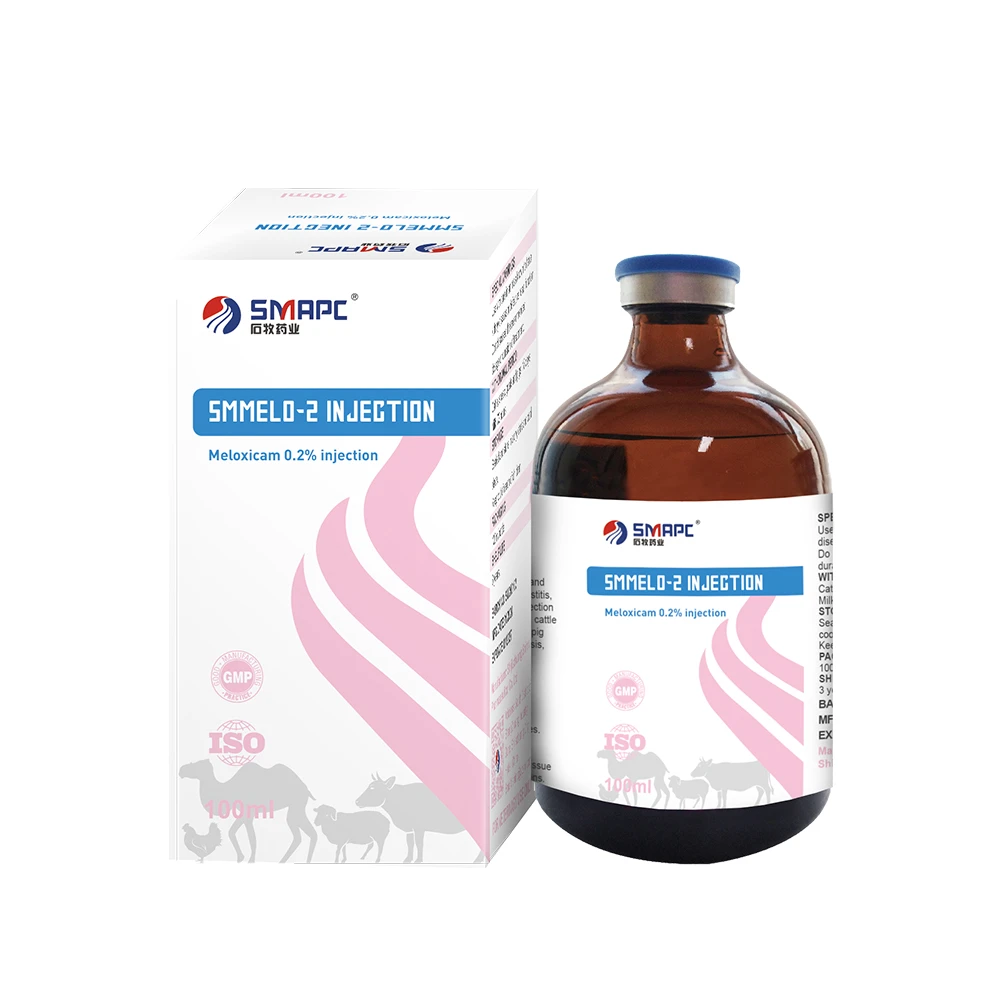
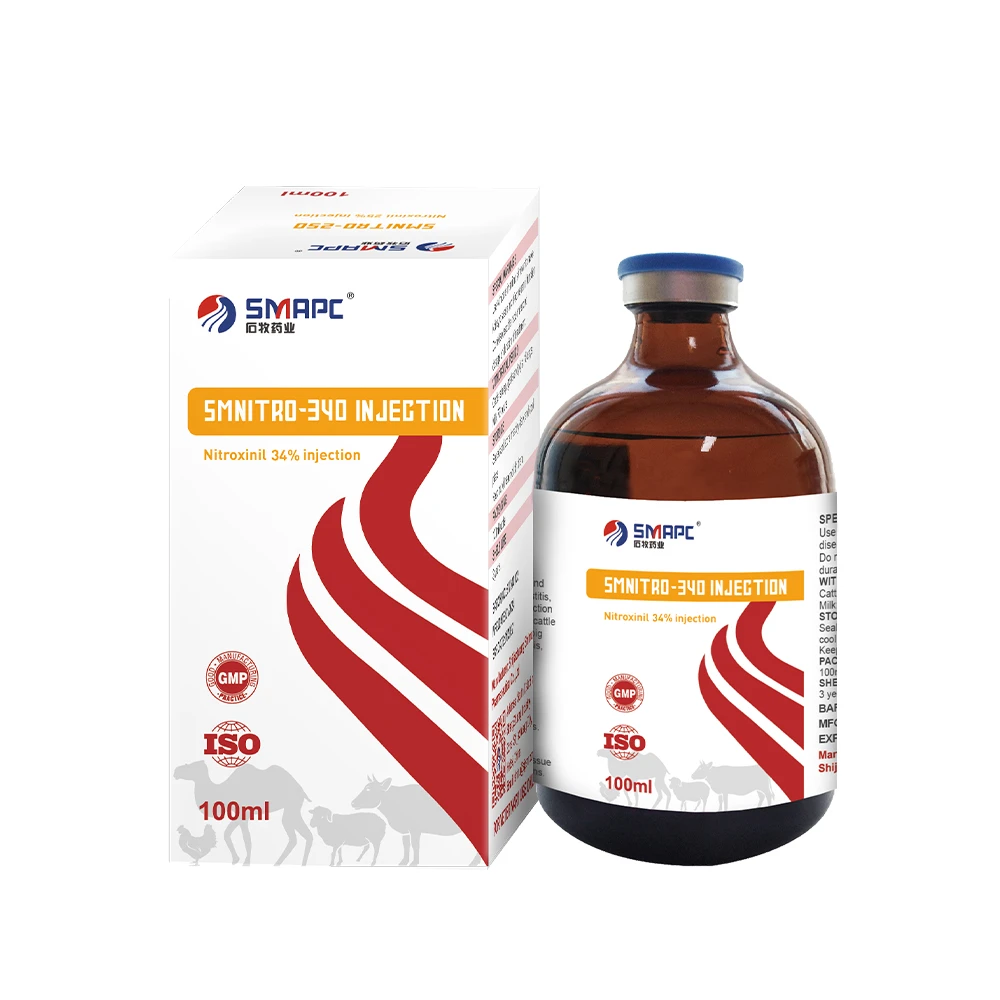
Skyvet Pharmaceuticals understands the economic impact of pink eye on cattle operations. We offer a range of high-quality products formulated to effectively treat and control this disease. Our products are manufactured to the highest standards, ensuring efficacy and safety for your livestock. Here’s a comparison of some of our key offerings:
Preventative Measures Against Pink Eye
Prevention is always better than cure. Implementing proactive measures can significantly reduce the incidence of pink eye in your herd. These include: controlling fly populations, providing adequate shade to minimize UV exposure, separating sick animals from healthy ones, and ensuring good hygiene practices in the barn and surrounding areas. Vaccination may also be considered in areas with a history of frequent outbreaks. Regularly monitoring your cattle for early signs of pink eye is also crucial for prompt intervention.
Working with Your Veterinarian
While over-the-counter pink eye medicine for cows can be effective, consulting with your veterinarian is always recommended. They can accurately diagnose the condition, assess its severity, and recommend the most appropriate treatment plan for your specific situation. They can also advise you on preventative measures tailored to your farm’s environment and herd management practices. Don’t hesitate to seek professional guidance to protect the health and well-being of your cattle.
Conclusion: Protecting Your Herd from Pink Eye
Pink eye is a significant concern for cattle producers, but with proactive prevention and effective treatment options from companies like Skyvet Pharmaceuticals, you can minimize its impact on your herd’s health and productivity. Early detection, proper treatment, and diligent preventative measures are key to success. Don’t let pink eye compromise your cattle’s well-being – take action today!
Frequently Asked Questions (FAQs)
What is the best way to apply topical pink eye medication?
Before applying any topical medication, gently clean the affected eye with a sterile saline solution to remove debris. Ensure the animal is restrained safely. Gently pull down the lower eyelid and apply a small amount of ointment or spray, approximately ¼ to ½ inch in length. Avoid touching the applicator to the eye itself to prevent contamination. Follow your veterinarian's specific instructions regarding dosage and frequency. If using a spray, ensure the nozzle is not too close to the eye to avoid irritation.
How quickly can I expect to see improvement after treating pink eye?
The response to treatment varies depending on the severity of the infection. With prompt and appropriate treatment, you should start to see improvement within 24-48 hours. Signs of improvement include reduced tearing, less squinting, and decreased redness. However, it may take several days to weeks for the eye to fully heal, especially if a corneal ulcer is present. Continue treatment for the full prescribed duration, even if the eye appears to be improving, to prevent recurrence.
Can pink eye in cows be spread to humans?
While rare, there is a potential for transmission of Moraxella bovis from cattle to humans, particularly those with compromised immune systems. This can cause a similar conjunctivitis (pink eye) in humans. It’s crucial to practice good hygiene when handling infected animals, including washing hands thoroughly with soap and water after contact, and avoiding touching your eyes. If you develop symptoms of pink eye after contact with cattle, consult a medical professional.
-
Choosing the Best Worm Medicine for Goats for Herd HealthNewsApr.16,2026
-
Comprehensive Guide to Professional Goat Medication and Herd HealthNewsApr.09,2026
-
Comprehensive Tick Treatment for Sheep A Guide to Control and PreventionNewsApr.07,2026
-
Comprehensive Guide to Effective Mite Treatment for Goats and PreventionNewsApr.04,2026
-
Comprehensive Veterinary Medicine for Sheep Health and Disease PreventionNewsMar.31,2026
-
Comprehensive Guide to Goat Health and Effective Goats Medicine SolutionsNewsMar.28,2026