Mar . 06, 2026 03:55 Back to list
Comprehensive Respiratory Medicine for Cattle and Disease Management
Respiratory Medicine for Cattle: A Comprehensive Guide
Cattle respiratory disease (CRD) is a significant concern for livestock producers, causing economic losses due to morbidity, mortality, and reduced weight gain. Effective respiratory medicine for cattle is crucial for maintaining herd health and profitability. This article will explore the common causes of CRD, diagnostic approaches, preventative strategies, and treatment options, including pharmaceutical interventions offered by SkyVet Pharmaceutical. Understanding these aspects is vital for ensuring the well-being of your cattle and minimizing the impact of respiratory illness.

Understanding the Causes of Cattle Respiratory Disease
CRD is often a multifactorial disease, meaning it's rarely caused by a single agent. Common culprits include viruses like Bovine Respiratory Syncytial Virus (BRSV), Parainfluenza-3 (PI3), and Bovine Herpesvirus-1 (BHV-1). These viruses often create an environment where secondary bacterial infections, such as Mannheimia haemolytica, Pasteurella multocida, and Histophilus somni, can thrive. Stressful conditions – like weaning, transportation, commingling of animals, and adverse weather – can weaken the immune system and increase susceptibility to these pathogens. Good biosecurity practices and proactive health management are essential to minimize risk factors.
Key Factors Contributing to CRD: Viral infections, bacterial infections, stress, poor ventilation, and compromised immune systems.
Diagnosis of Cattle Respiratory Disease
Accurate diagnosis is essential for effective treatment. Clinical signs can include fever, nasal discharge, coughing, labored breathing, and reduced appetite. A veterinarian may employ various diagnostic tools, including physical examination, auscultation of the lungs, and laboratory tests. These tests might include nasal swabs for viral identification, tracheal washes for bacterial culture and sensitivity, and blood tests to assess the immune response. Early detection and prompt diagnosis are critical for minimizing the severity and spread of the disease.
Diagnostic Methods:
• Physical Examination
• Auscultation of Lungs
• Nasal Swabs
• Tracheal Washes
• Blood Tests
Effective Respiratory Medicine for Cattle: Treatment Options
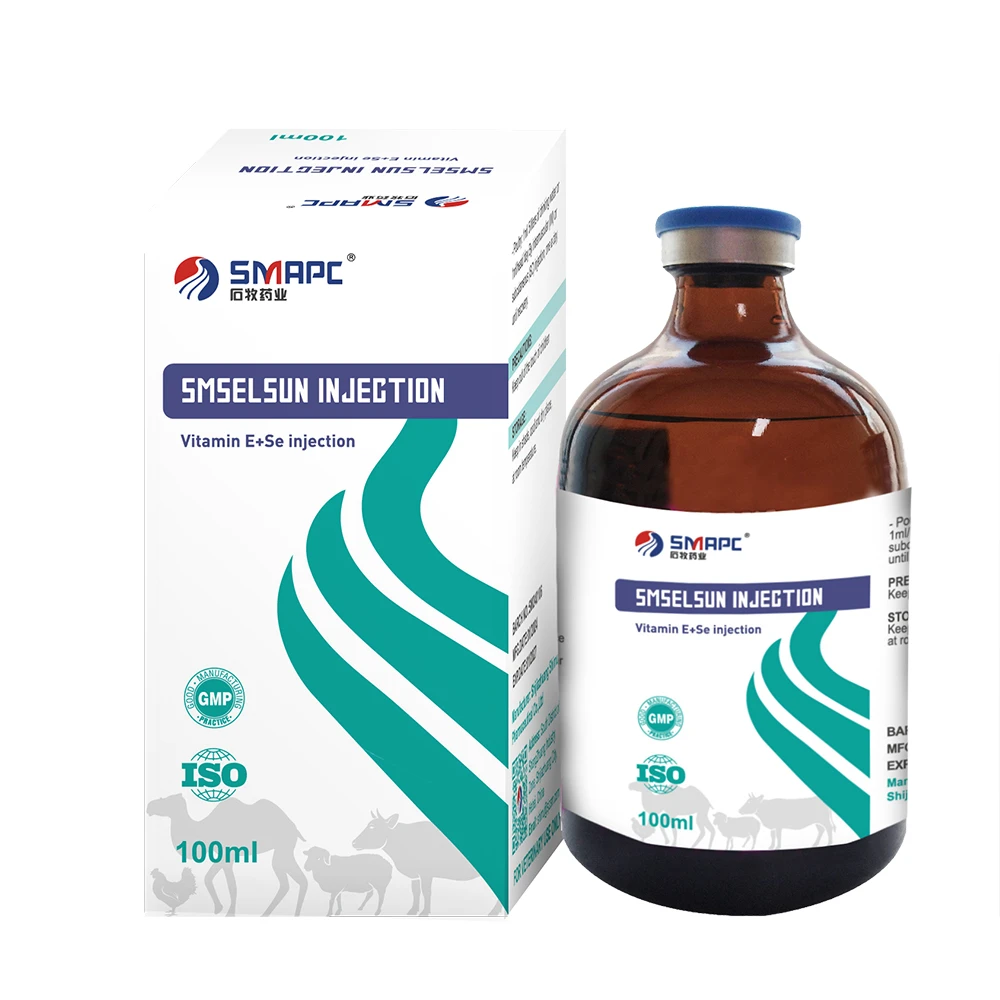
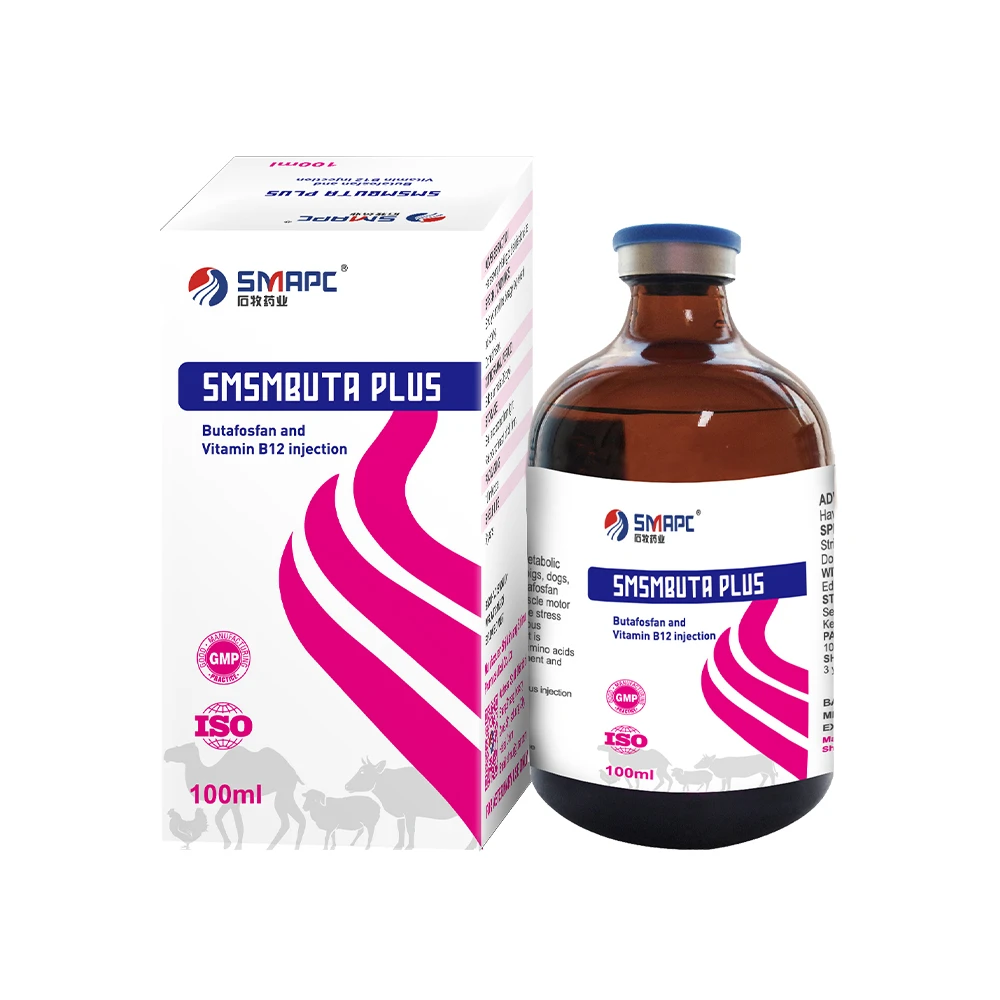
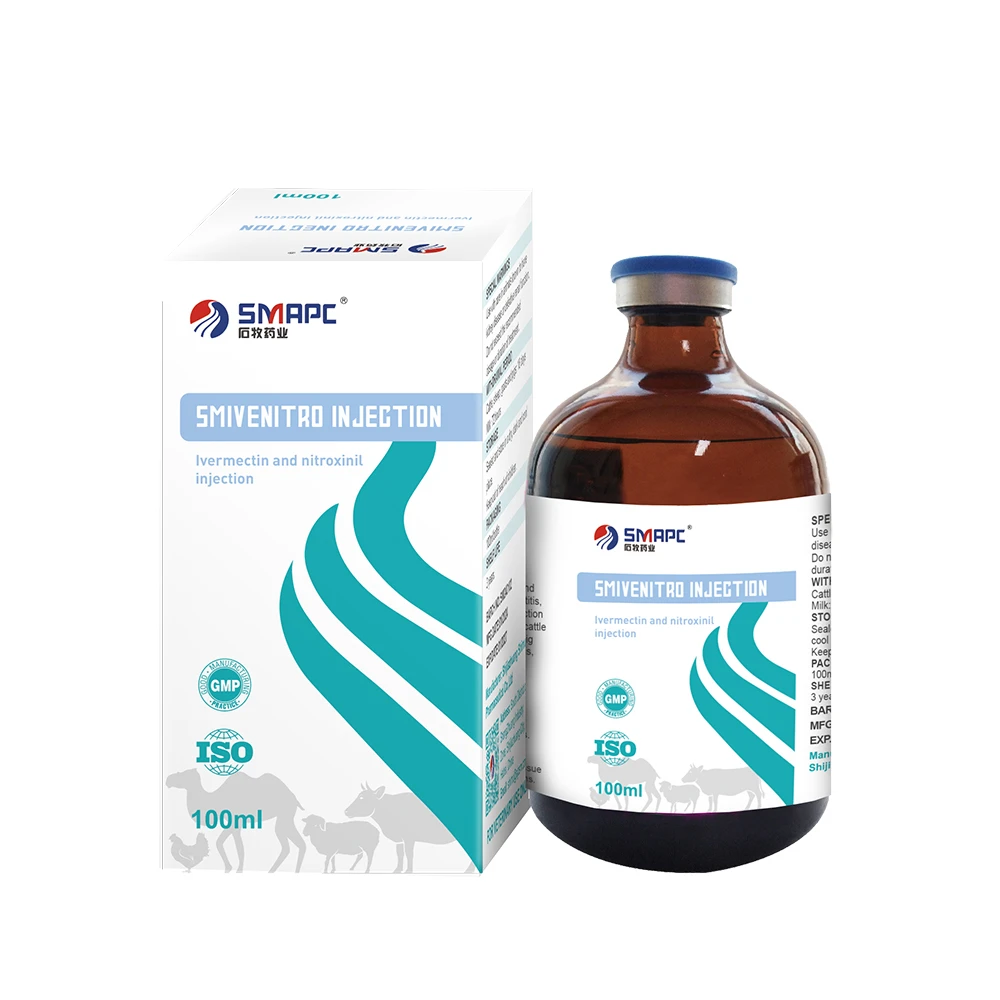
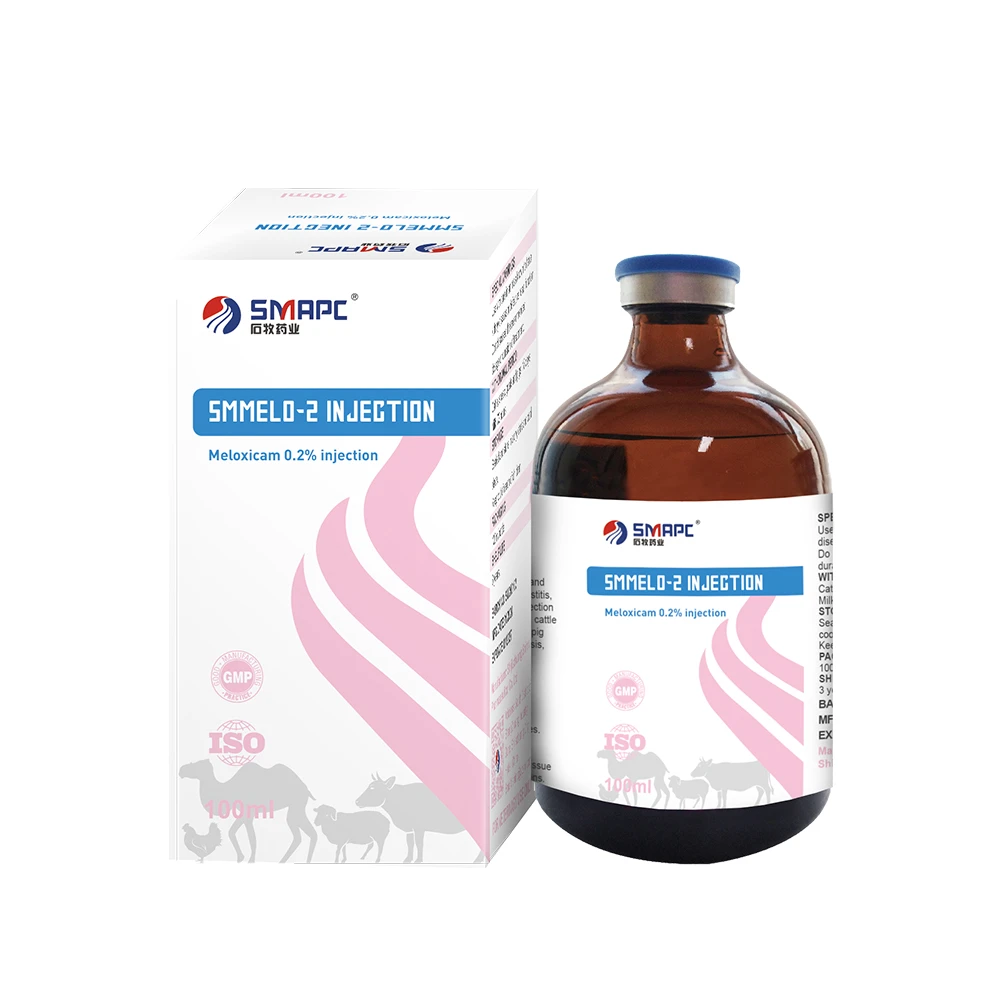
Treatment strategies for CRD depend on the severity of the disease and the identified pathogens. Antibiotics are commonly used to combat secondary bacterial infections. Non-steroidal anti-inflammatory drugs (NSAIDs) can help reduce fever and inflammation. Supportive care, such as providing adequate hydration and nutrition, is also crucial. SkyVet Pharmaceutical offers a range of antibiotics, NSAIDs, and other essential medications specifically formulated for bovine respiratory health. Prompt and appropriate treatment can significantly improve recovery rates and minimize economic losses.
Preventative Strategies for Respiratory Health in Cattle
Prevention is always better than cure. Implementing preventative measures can significantly reduce the incidence of CRD. These include vaccination programs targeting key viral and bacterial pathogens, ensuring proper ventilation in housing facilities, minimizing stress factors, and maintaining strict biosecurity protocols. Regular monitoring of herd health and early identification of sick animals are also essential. SkyVet Pharmaceutical provides a range of vaccines and preventative products to help safeguard your cattle against respiratory diseases.
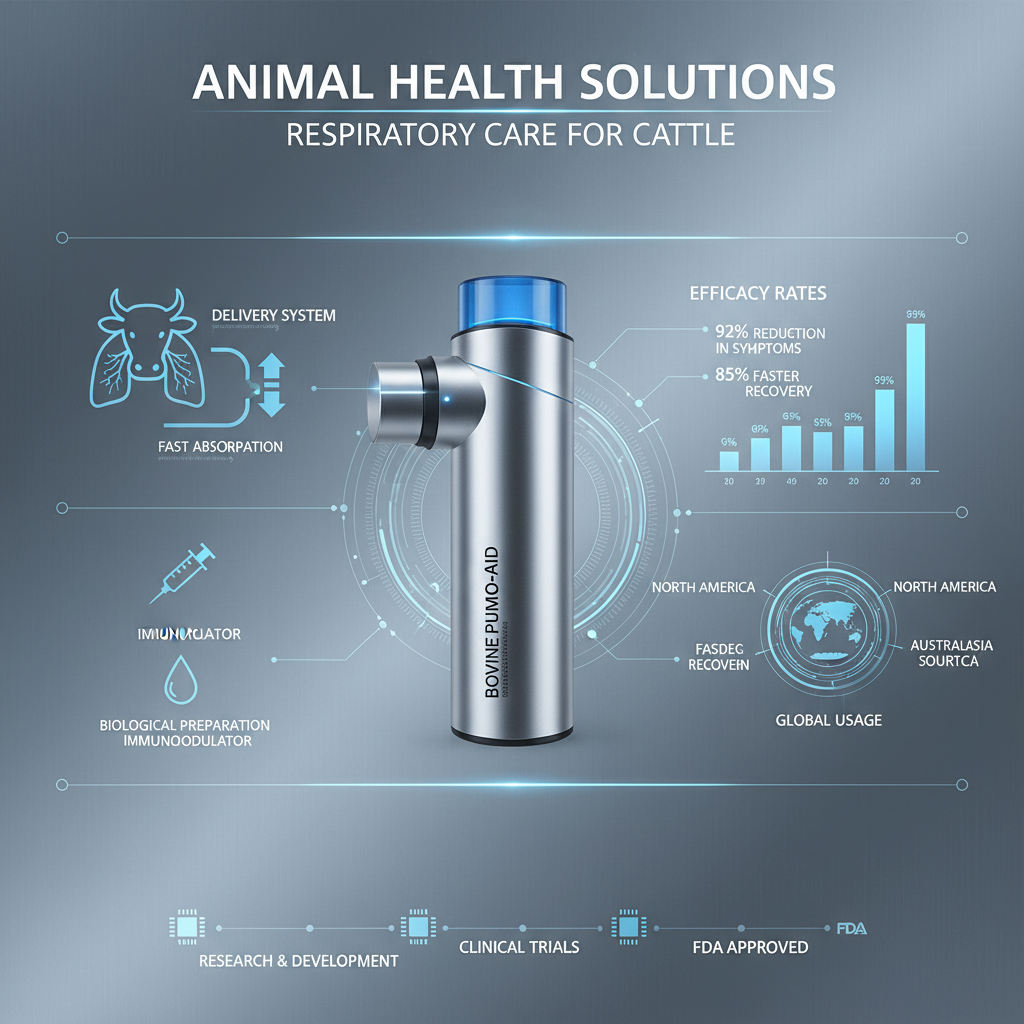
Product Spotlight: SkyVet Pharmaceutical Respiratory Solutions
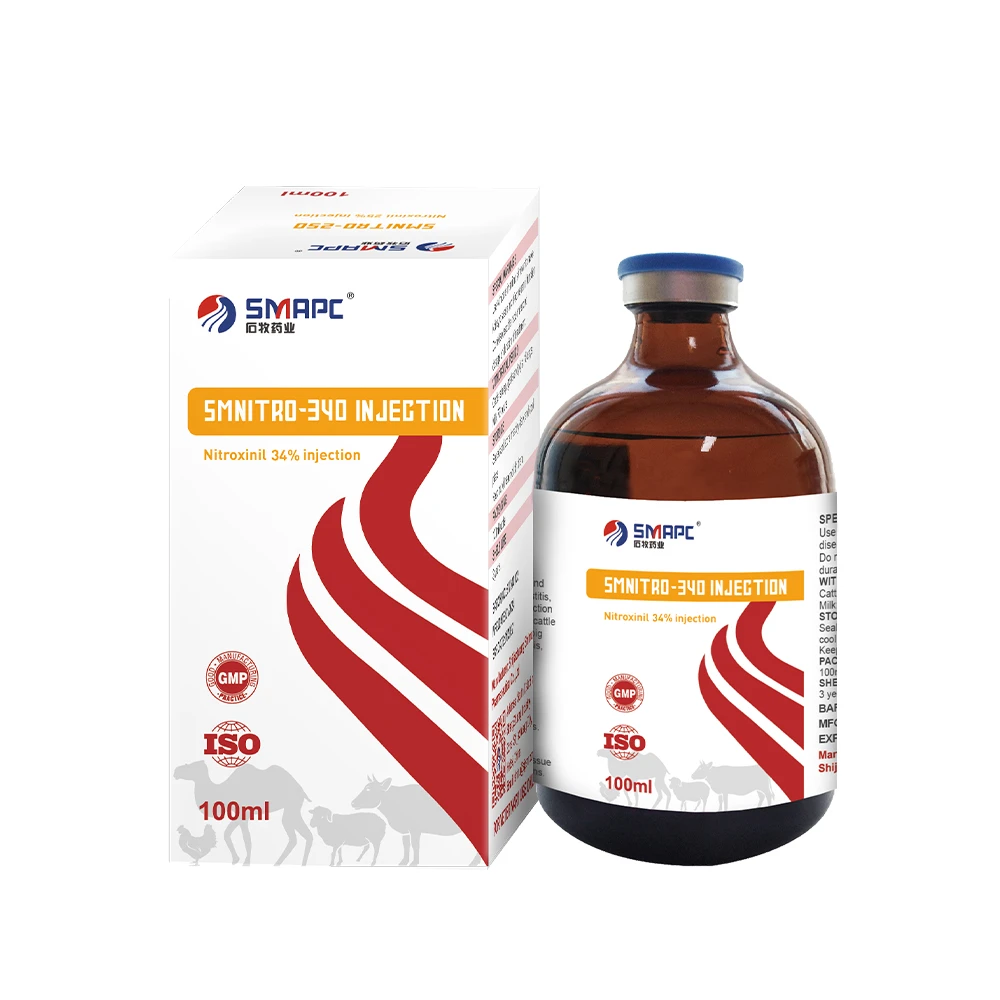
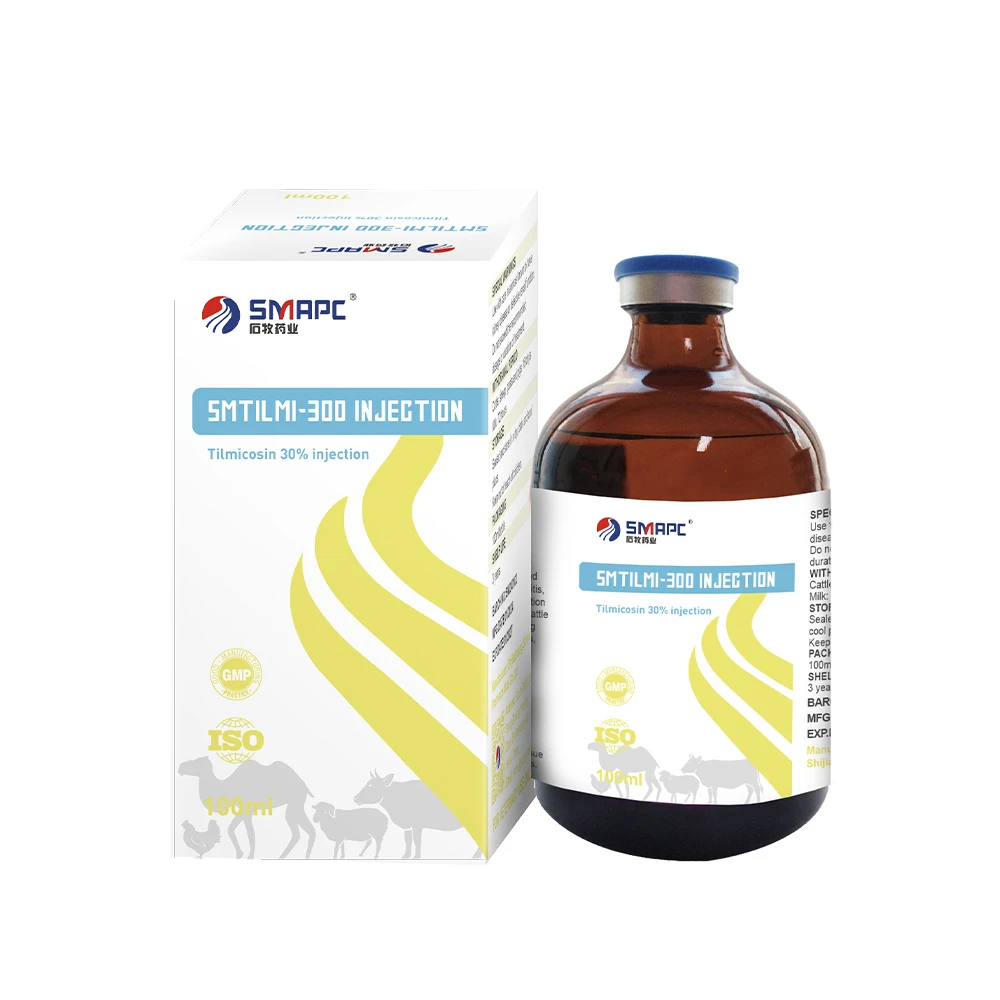
At SkyVet Pharmaceutical, we understand the challenges of maintaining respiratory health in cattle. We offer a comprehensive range of products, including:
Conclusion: Proactive Management for Healthy Cattle
Protecting your cattle from respiratory disease requires a multifaceted approach, combining preventative measures with effective treatment options. SkyVet Pharmaceutical is committed to providing high-quality veterinary products and support to help you maintain the health and productivity of your herd. Investing in respiratory health is an investment in the future of your operation.
Frequently Asked Questions (FAQs)
What is the best way to administer antibiotics to cattle for respiratory disease?
The most common routes of antibiotic administration for CRD are subcutaneous injection and intramuscular injection. The choice depends on the specific antibiotic and the veterinarian's recommendation. It's crucial to follow the label instructions carefully regarding dosage, frequency, and withdrawal times. Improper administration can lead to reduced efficacy and the development of antibiotic resistance. Consult with your veterinarian to determine the most appropriate administration method for your situation.
How can I improve ventilation in my cattle housing facilities?
Good ventilation is crucial for removing moisture, ammonia, and airborne pathogens. Ensure adequate airflow by opening sidewalls and ridge vents, and using fans to circulate air. Avoid overcrowding, as this reduces airflow. Regularly clean bedding to minimize ammonia buildup. Monitor humidity levels, as high humidity can exacerbate respiratory problems. Proper ventilation is a relatively inexpensive way to significantly improve respiratory health.
What role does nutrition play in preventing CRD?
A strong immune system is essential for fighting off respiratory infections, and adequate nutrition is fundamental to immune function. Ensure cattle receive a balanced diet with sufficient levels of vitamins (especially A, D, and E) and minerals (such as selenium and zinc). Providing high-quality forage and supplementing with appropriate concentrates can help boost immune defenses. Stressful periods, like weaning, are particularly important times to focus on nutritional support.
-
Choosing the Best Worm Medicine for Goats for Herd HealthNewsApr.16,2026
-
Comprehensive Guide to Professional Goat Medication and Herd HealthNewsApr.09,2026
-
Comprehensive Tick Treatment for Sheep A Guide to Control and PreventionNewsApr.07,2026
-
Comprehensive Guide to Effective Mite Treatment for Goats and PreventionNewsApr.04,2026
-
Comprehensive Veterinary Medicine for Sheep Health and Disease PreventionNewsMar.31,2026
-
Comprehensive Guide to Goat Health and Effective Goats Medicine SolutionsNewsMar.28,2026