Mar . 09, 2026 02:15 Back to list
Comprehensive Guide to Effective Tick Medicine for Cows and Control Strategies
Effective Tick Medicine for Cows: A Comprehensive Guide
Controlling ticks on cattle is essential for maintaining herd health and maximizing productivity. These parasites can transmit diseases, cause anemia, and significantly reduce weight gain. Choosing the right tick medicine for cows is a critical aspect of livestock management. This article will delve into the various options available, their effectiveness, application methods, and important considerations for protecting your cattle from tick infestations. We will also explore preventive measures and strategies for long-term tick control.

Understanding Tick Infestations in Cattle
Ticks thrive in warm, humid environments and are particularly prevalent during the spring and summer months. Cattle are especially vulnerable due to their large surface area and time spent grazing in tick-infested pastures. The impact of tick infestations extends beyond direct blood loss. Ticks can transmit debilitating diseases like Anaplasmosis, Babesiosis, and Theileriosis, leading to significant economic losses for farmers. Recognizing the signs of a tick infestation, such as reduced appetite, weakness, pale gums, and visible ticks on the body, is crucial for prompt treatment and prevention. Early intervention with appropriate tick medicine for cows can minimize the negative effects on animal health and productivity.
Key Considerations: Regular tick checks, proper pasture management, and strategic use of tick control products are vital for effective tick prevention and treatment.
Types of Tick Medicine for Cows
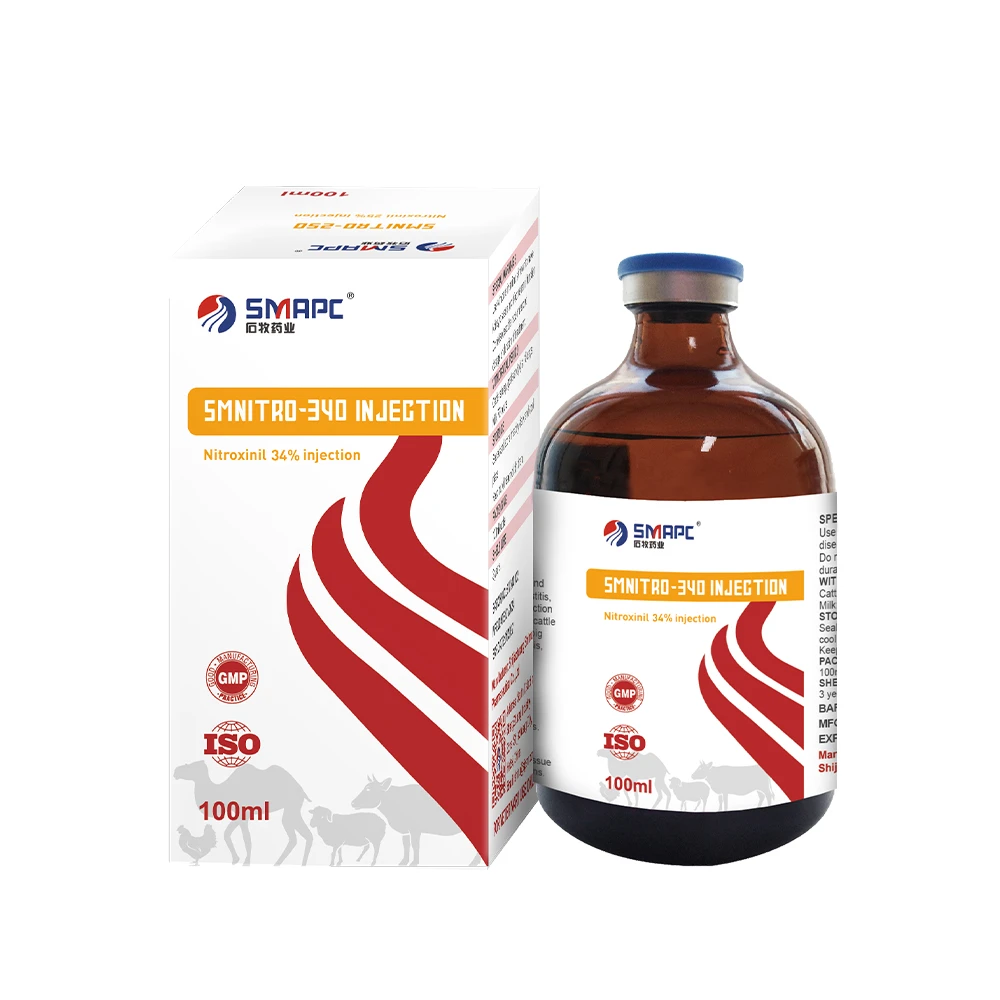
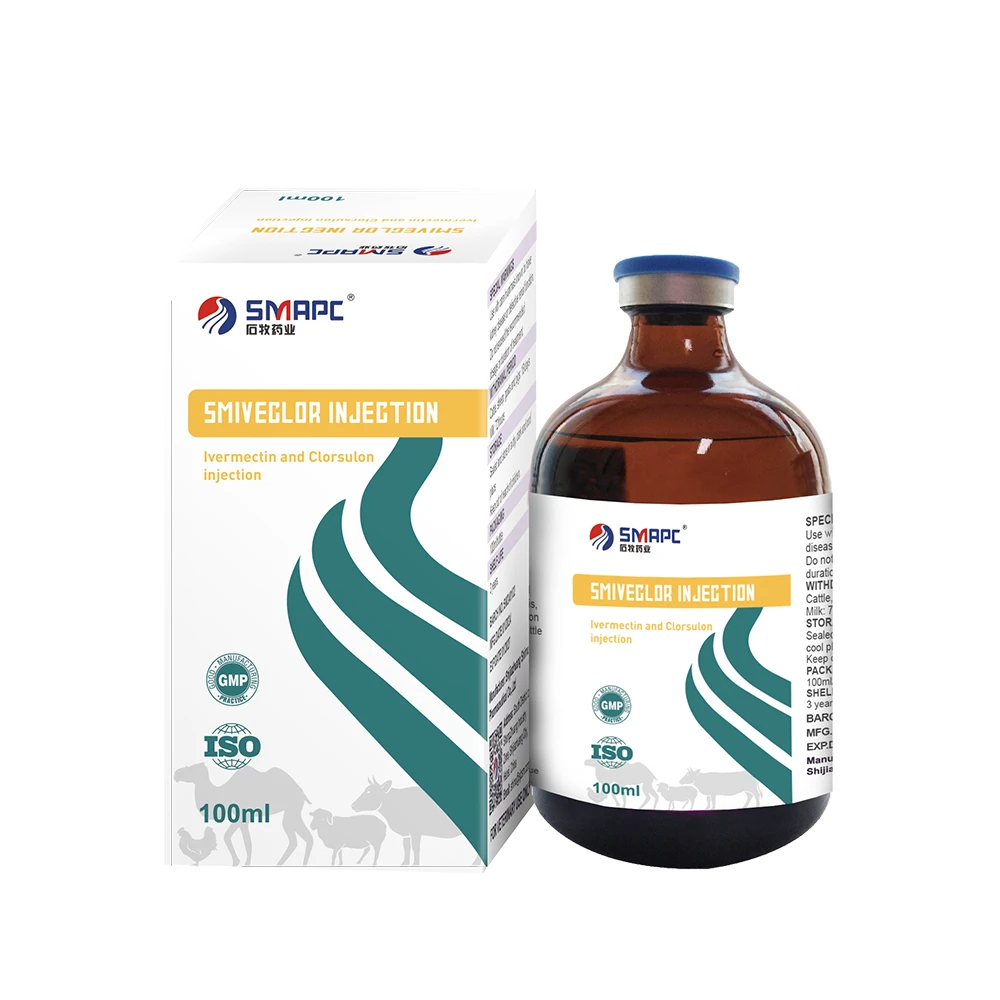
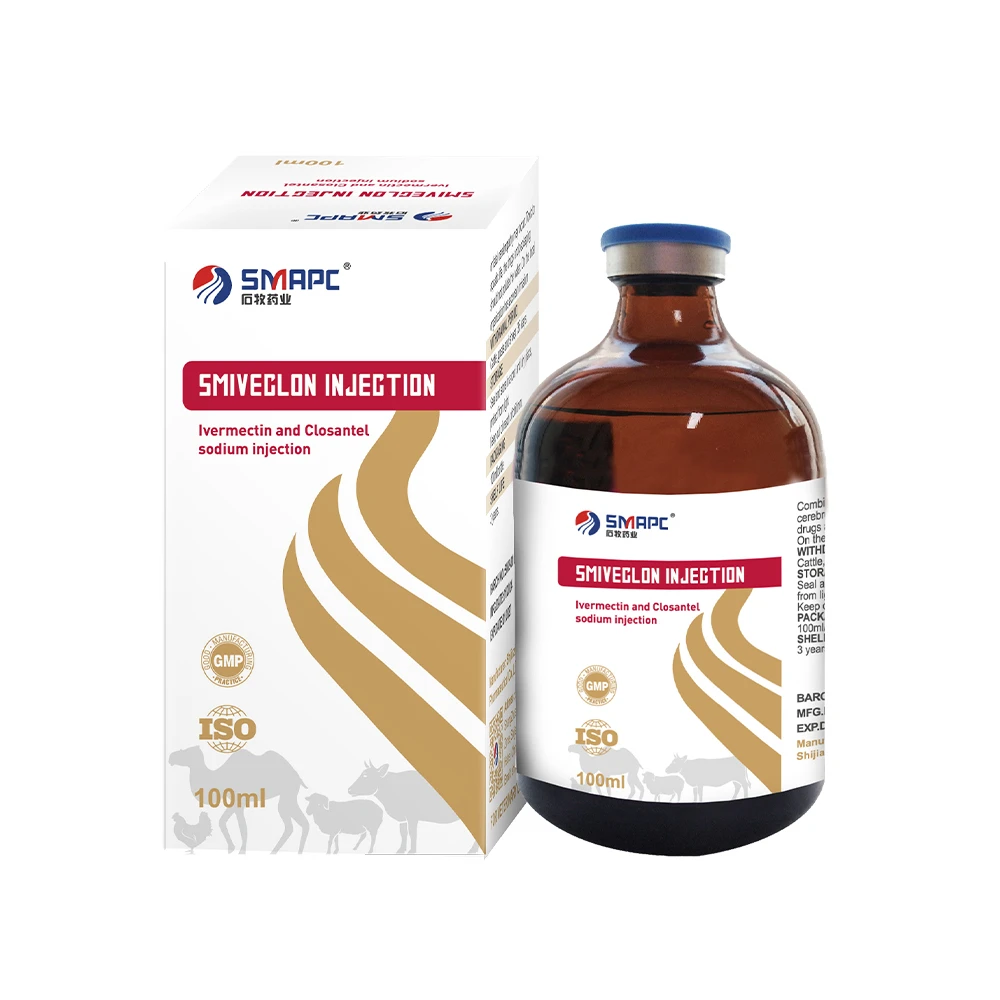
Several types of tick medicine for cows are available, each with its own advantages and disadvantages. These include pour-on formulations, injectable medications, ear tags, and oral treatments. Pour-on solutions are commonly used due to their ease of application and broad-spectrum effectiveness. Injectable medications offer a longer duration of action but require skilled administration. Ear tags provide sustained release of insecticide over several months, while oral treatments are relatively new and offer systemic protection. The choice of the most suitable product depends on factors such as the severity of the infestation, the age and weight of the cattle, and the specific tick species present. Always consult with a veterinarian to determine the best course of treatment for your herd.
Tick Control Methods:
• Pour-on solutions: Easy to apply, broad-spectrum effectiveness.
• Injectable medications: Longer duration of action, requires skilled administration.
• Ear tags: Sustained release, long-lasting protection.
• Oral treatments: Systemic protection, newer option.
Comparing Popular Tick Control Products
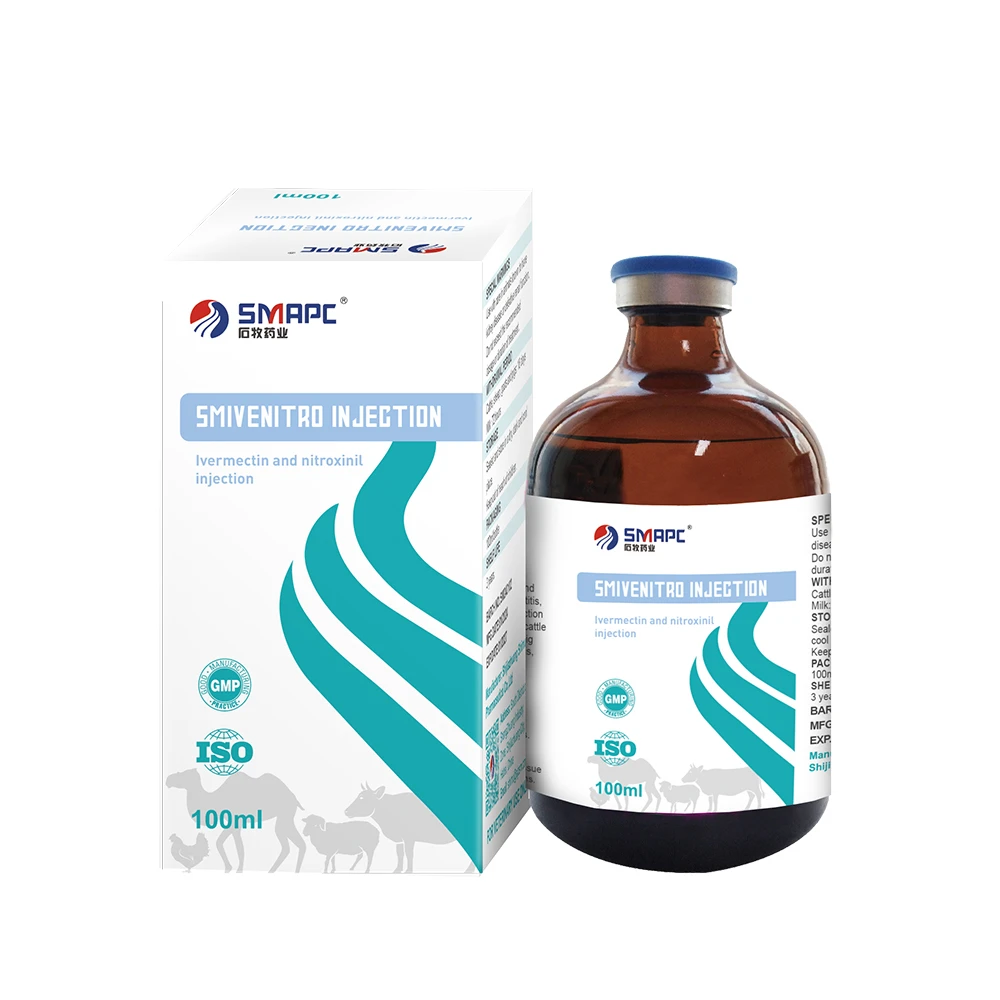
The market offers a wide range of products. Here’s a comparison of some popular choices to help you make an informed decision. Product effectiveness can vary based on tick resistance in your region. It is always best to consult with a veterinarian for the best product for your specific situation.
Preventive Measures for Tick Control
Beyond treatment, implementing preventive measures is crucial for long-term tick control. This includes regular pasture management practices such as mowing and brush clearing to reduce tick habitats. Rotating pastures can also help disrupt the tick life cycle. Utilizing tick-resistant cattle breeds can further minimize infestations. Finally, integrating tick medicine for cows into a comprehensive control program is the most effective approach. Contact SkyVetPharm for solutions tailored to your farm's needs.

Choosing the Right Supplier for Tick Medicine
Selecting a reputable supplier is paramount when purchasing tick medicine for cows. Ensure the supplier is licensed and adheres to strict quality control standards. SkyVetPharm is a trusted provider of veterinary pharmaceuticals, committed to delivering high-quality products and exceptional customer service. We offer a wide range of tick control solutions tailored to meet the specific needs of your cattle herd. We also provide expert advice and support to help you implement an effective tick control program.
Conclusion: Protecting Your Herd with Effective Tick Control
Effective tick control is vital for maintaining the health, productivity, and profitability of your cattle herd. By understanding the risks associated with tick infestations and implementing a comprehensive control program utilizing the right tick medicine for cows, you can safeguard your investment and ensure the well-being of your animals.
Frequently Asked Questions (FAQs)
What is the best time of year to treat for ticks?
The most effective time to treat for ticks is typically in the spring and fall, when tick populations are at their peak. Spring treatment helps control the initial surge in tick activity, while fall treatment targets ticks that have survived the summer and are seeking hosts for the winter. However, regular monitoring and treatment throughout the grazing season are recommended, especially in areas with high tick pressure. Consistent application of tick medicine for cows as directed by your veterinarian is crucial for maintaining effective control.
Can ticks become resistant to insecticides?
Yes, ticks can develop resistance to insecticides over time, particularly with repeated use of the same active ingredient. This is why it’s essential to rotate different classes of insecticides and adopt integrated tick management strategies. Using a combination of chemical control, pasture management, and potentially biological control methods can help minimize the risk of resistance. Your veterinarian can recommend appropriate rotation schedules and alternative control options.
How can I prevent ticks from entering my pasture?
Preventing ticks from entering your pasture is challenging but possible with several strategies. Maintaining a buffer zone of cleared vegetation around the perimeter of the pasture can help reduce tick migration. Controlling wildlife, such as deer and rodents, which serve as tick hosts, is also important. Regularly mowing and brush clearing within the pasture will eliminate tick habitats. Combining these measures with targeted tick medicine for cows application provides the most effective protection.
Are there organic options for tick control in cattle?
While fully organic options for tick control in cattle are limited, some natural approaches can help reduce tick populations. These include using essential oils like cedarwood and lemongrass, applying diatomaceous earth, and introducing beneficial nematodes. However, these methods typically provide less consistent and comprehensive control than synthetic insecticides. They may be best used as part of an integrated approach alongside other management practices. Consult with a veterinarian specializing in organic livestock management to determine the most appropriate options for your farm.
-
Choosing the Best Worm Medicine for Goats for Herd HealthNewsApr.16,2026
-
Comprehensive Guide to Professional Goat Medication and Herd HealthNewsApr.09,2026
-
Comprehensive Tick Treatment for Sheep A Guide to Control and PreventionNewsApr.07,2026
-
Comprehensive Guide to Effective Mite Treatment for Goats and PreventionNewsApr.04,2026
-
Comprehensive Veterinary Medicine for Sheep Health and Disease PreventionNewsMar.31,2026
-
Comprehensive Guide to Goat Health and Effective Goats Medicine SolutionsNewsMar.28,2026