Feb . 26, 2026 02:15 Back to list
Comprehensive Guide to Pain Killer Injection for Cow and Effective Pain Management
Pain Killer Injection for Cow: A Comprehensive Guide
Managing pain in cattle is crucial for their welfare and productivity. When cows experience pain, whether from calving, injury, or illness, their health and milk production can significantly decline. A pain killer injection for cow provides fast and effective relief, allowing them to recover more comfortably. This article will explore the importance of pain management in cattle, common types of injectable analgesics, administration guidelines, and considerations for choosing the right product. Understanding these aspects is essential for any livestock owner or veterinarian ensuring optimal animal health.

Why Pain Management in Cows is Essential
Pain in cattle can stem from various sources including dystocia (difficult calving), mastitis, lameness, surgical procedures (dehorning, castration), and injuries. Recognizing pain signals is the first step. These can include changes in behavior such as restlessness, aggression, isolation, decreased appetite, and altered posture. Untreated pain leads to stress, suppressing the immune system and increasing susceptibility to secondary infections. Effective pain management not only improves animal welfare but also enhances recovery rates and overall farm productivity. Providing a pain killer injection for cow promptly after a painful event can mitigate these negative consequences.
Key Benefits of Pain Management: Improved animal welfare, enhanced immune function, faster recovery, increased productivity, reduced stress.
Common Types of Pain Killer Injection for Cow
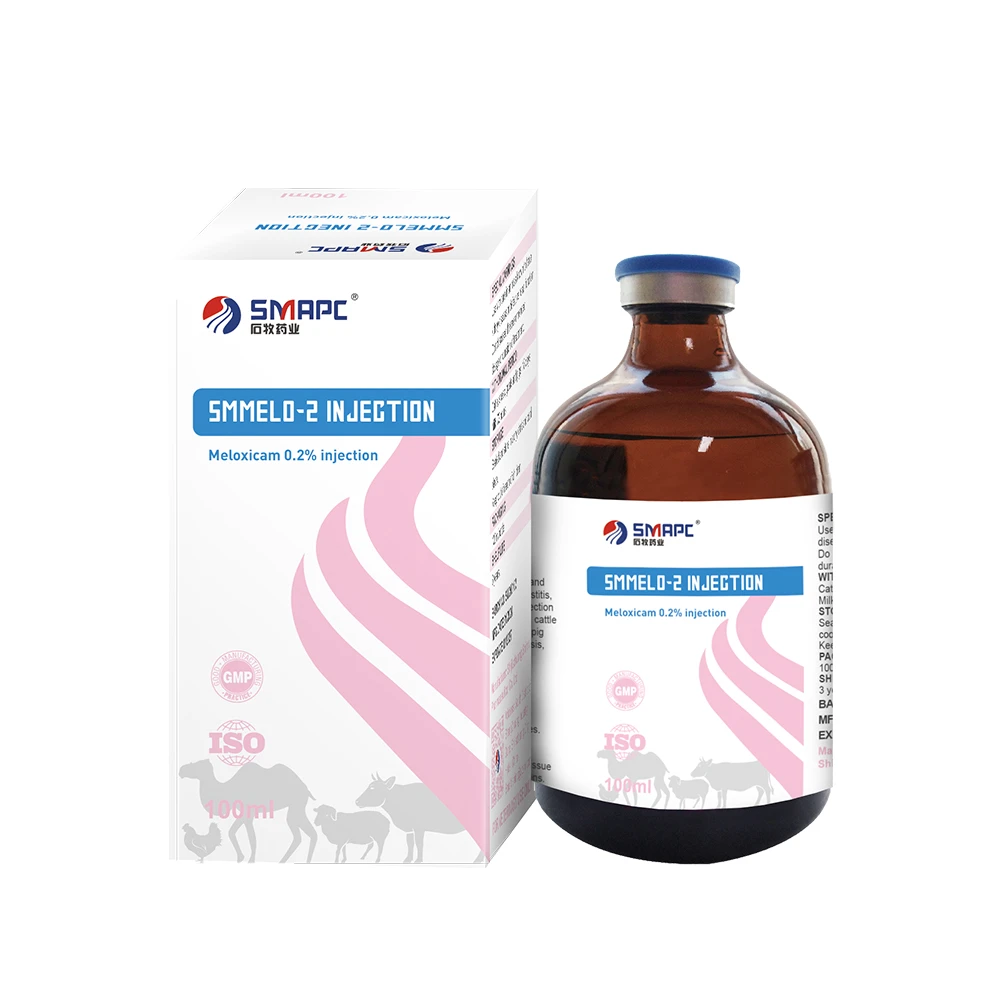
Several injectable analgesics are commonly used in veterinary medicine to manage pain in cattle. Non-steroidal anti-inflammatory drugs (NSAIDs) are frequently prescribed for mild to moderate pain, working by reducing inflammation and prostaglandin synthesis. Examples include flunixin meglumine and meloxicam. Opioids, such as morphine and butorphanol, are more potent analgesics reserved for severe pain, offering stronger pain relief but requiring careful monitoring due to potential side effects. Local anesthetics like lidocaine can be used for localized pain relief, often during minor procedures. The choice of analgesic depends on the severity of the pain, the cow’s overall health, and the veterinarian's assessment.
Analgesic Types & Characteristics:
• NSAIDs: Reduce inflammation, mild to moderate pain.
• Opioids: Potent pain relief, used for severe pain.
• Local Anesthetics: Localized pain relief, for minor procedures.
Comparing Common Injectable Analgesics
Understanding the differences between available pain killers is critical for effective treatment. Below is a comparison of commonly used options. It's important to consult with a veterinarian to determine the most appropriate analgesic for each specific case. The correct dosage, administration route, and potential side effects should be carefully considered. Selecting a reliable supplier, like SkyVet Pharm, ensures product quality and efficacy.
Administration Guidelines & Precautions
Administering a pain killer injection for cow should always be done by or under the direction of a veterinarian. Follow label instructions carefully regarding dosage and administration route (intramuscular, intravenous, or subcutaneous). Proper hygiene is crucial to prevent infections; disinfect the injection site before administering the medication. Withdrawal times must be strictly observed to avoid residues in milk or meat. Monitor the cow for any adverse reactions, such as allergic reactions or signs of toxicity. Proper storage of the medication is also essential to maintain its efficacy.

Choosing a Reliable Supplier
Sourcing veterinary medications from reputable suppliers is paramount. Ensure the supplier is licensed and adheres to quality control standards. SkyVet Pharm is a trusted provider of high-quality veterinary pharmaceuticals, offering a wide range of analgesics for cattle. We prioritize product integrity, proper storage, and timely delivery. Choosing a reliable supplier like us guarantees that you receive effective and safe medications for your livestock.
Conclusion: Prioritizing Cow Comfort and Welfare
Effective pain management is an integral part of responsible cattle care. Selecting the appropriate pain killer injection for cow, understanding proper administration techniques, and partnering with a reliable supplier are key to ensuring your cattle receive the best possible care. Prioritizing their comfort and well-being ultimately leads to healthier, more productive livestock.
Frequently Asked Questions (FAQs)
What are the signs that my cow is experiencing pain?
Recognizing pain in cattle can be subtle. Common signs include changes in posture (hunched back), restlessness, aggression, isolation from the herd, decreased appetite, reluctance to move, vocalization (moaning or bellowing), and increased heart and respiratory rates. If you observe any of these behaviors, especially after a potentially painful event like calving or injury, consult with a veterinarian. Prompt assessment and pain management are crucial for the cow's well-being. A pain killer injection for cow may be required.
What is the correct dosage for a pain killer injection?
The correct dosage of a pain killer injection varies depending on the specific drug, the cow’s weight, and the severity of the pain. It is crucial to follow the veterinarian’s instructions and the label directions precisely. Overdosing can lead to toxic effects, while underdosing may not provide adequate pain relief. Always use a calibrated syringe to ensure accurate dosing. Never attempt to adjust the dosage without veterinary guidance.
Are there any withdrawal times I need to be aware of?
Yes, all veterinary medications have withdrawal times, which are the periods required after medication administration before milk or meat can be safely used for human consumption. These withdrawal times are specific to each drug and are clearly stated on the product label. Strictly adhering to these withdrawal times is essential to avoid residues in food products. Consult with your veterinarian if you have any questions regarding withdrawal times for a particular medication. SkyVet Pharm provides detailed information on withdrawal times for all its products.
-
Choosing the Best Worm Medicine for Goats for Herd HealthNewsApr.16,2026
-
Comprehensive Guide to Professional Goat Medication and Herd HealthNewsApr.09,2026
-
Comprehensive Tick Treatment for Sheep A Guide to Control and PreventionNewsApr.07,2026
-
Comprehensive Guide to Effective Mite Treatment for Goats and PreventionNewsApr.04,2026
-
Comprehensive Veterinary Medicine for Sheep Health and Disease PreventionNewsMar.31,2026
-
Comprehensive Guide to Goat Health and Effective Goats Medicine SolutionsNewsMar.28,2026