Dec . 07, 2025 13:20 Back to list
Anti Inflammatory Drugs for Cows: Enhancing Livestock Health and Productivity
Understanding Anti Inflammatory Drugs for Cows: Essential Care for Global Livestock Health
When we talk about anti inflammatory drugs for cows, we dive into a critical subject with vast implications on global agriculture, animal welfare, and food security. These medications play a key role in keeping dairy and beef cattle healthy, which ultimately supports millions of livelihoods worldwide. With the dairy industry alone valued in the hundreds of billions USD globally (FAO data), understanding how to manage inflammation in cows isn’t just veterinary jargon—it’s a practical necessity.
Inflammation in cows can stem from a variety of causes, from infections to injuries or even stress during transport. If untreated, it leads to productivity loss or serious illness. Anti inflammatory drugs thus help improve recovery, reduce discomfort, and maintain the quality of milk and meat production. Frankly, for farmers and veterinarians alike, mastering these drugs is part art, part science.
Global Context: Why Anti Inflammatory Drugs for Cows Matter
On the global stage, beef and dairy farming provide a critical food source and economic pillar. The World Bank reports that over 1.3 billion people depend on livestock for nutrition and income. Yet, challenges such as endemic diseases, climate stress, and poor infrastructure complicate animal healthcare. For example, mastitis—a painful udder inflammation—affects up to 30% of dairy cows worldwide (NIH source). Without effective anti inflammatory management, losses escalate, and antibiotic overuse risks compound.
In real terms, this means developing accessible, reliable treatments that farmers can trust helps not only animal welfare but food safety and market stability. In places like South Asia, Sub-Saharan Africa, and parts of South America, low-cost but effective anti inflammatory drugs are vital to reducing disease burden in cattle populations.
Defining Anti Inflammatory Drugs for Cows
Simply put, anti inflammatory drugs are medicines used to reduce inflammation, swelling, and pain in cows caused by infections, injuries, or chronic conditions. They help modulate the immune response to limit tissue damage and accelerate healing. Unlike broad-spectrum antibiotics, these drugs focus on symptom relief, often working alongside infection control.
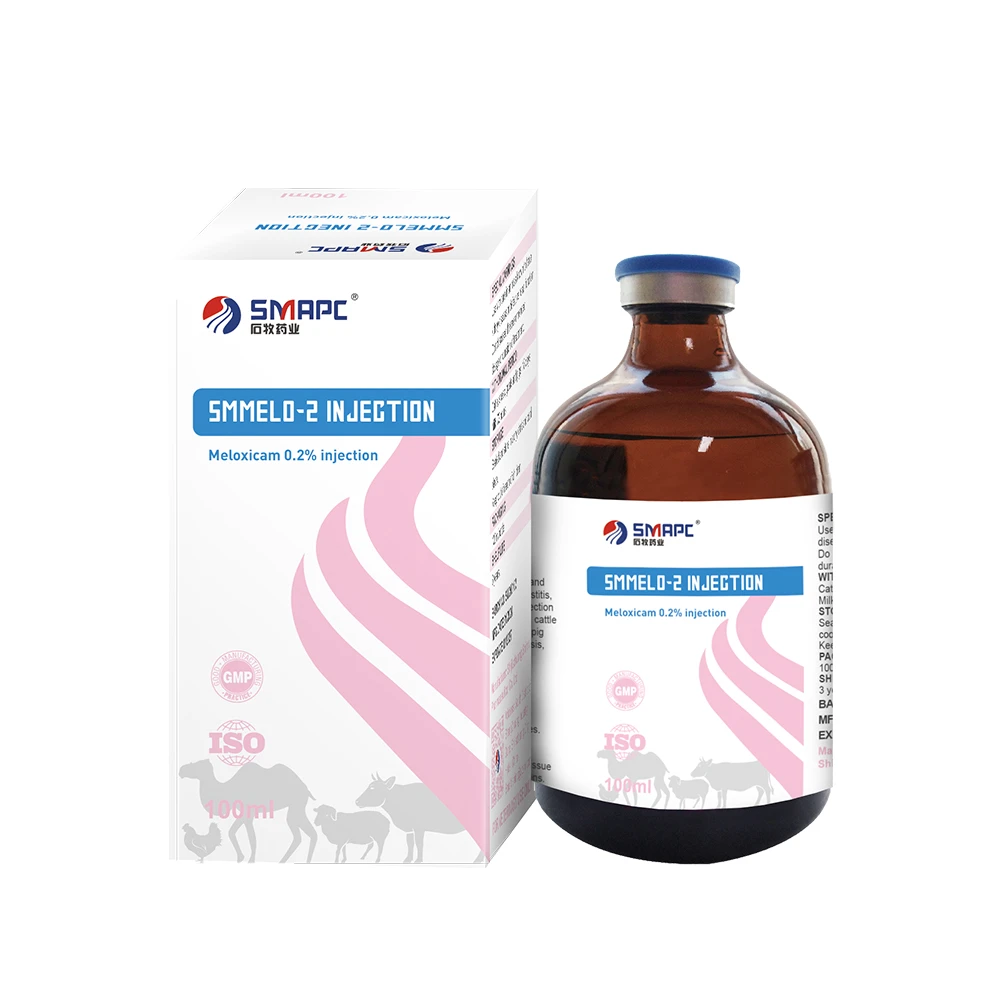
These medications include non-steroidal anti-inflammatory drugs (NSAIDs) such as flunixin meglumine or meloxicam, commonly used in veterinary practice. They have become a cornerstone in modern livestock management due to their proven efficacy and manageable side effect profiles. Oddly enough, despite their widespread use, there’s still a lot to learn about dosing regimens, drug interactions, and long-term effects specific to different cow breeds or geographic conditions.
Key Factors in Effective Use of Anti Inflammatory Drugs for Cows
1. Drug Selection and Spectrum
Selecting an appropriate anti inflammatory drug depends on the cow’s condition, severity of inflammation, and withdrawal times for milk/meat safety. Some drugs are better suited for acute inflammatory events, while others can help chronic conditions.
2. Administration Route and Dosage
Oral, injectable, or topical routes each have unique practicalities and absorption rates. For example, injectable forms provide faster action, useful in emergency treatment, whereas oral doses may support longer-term control.
3. Safety and Withdrawal Periods
Because cows enter the food supply, anti inflammatory drugs must have established withdrawal times to avoid drug residues in milk or meat—a major regulatory and consumer concern. This requires strict adherence to dosing schedules.
4. Cost Efficiency
For many farmers, especially in low-income settings, affordability can determine whether an animal receives proper treatment. That’s why cost-effective but quality-certified drugs have a clear edge.
5. Environmental Impact
Sustainable use involves considering drug metabolization and environmental excretion, minimizing contamination of soil and water.
Product Specifications: Typical NSAIDs for Cows
| Drug Name | Administration | Onset of Action | Withdrawal Period (Milk) | Typical Use |
|---|---|---|---|---|
| Flunixin Meglumine | Injectable, IV/IM | 30 mins | 36 hours | Acute inflammation, endotoxemia |
| Meloxicam | Oral or Injectable | 1–2 hours | 72 hours | Post-surgical inflammation, chronic pain |
| Ketoprofen | Injectable, IM | 30 minutes | 48 hours | Musculoskeletal inflammation |
Mini takeaway: The right anti inflammatory drug balances quick relief, safety for food production, and affordability, tailored to your herd’s needs.
Global Applications and Use Cases
These drugs find use from huge industrial dairies in the US and Europe to smallholder farms in Africa and Asia. For instance, in New Zealand’s intensive dairy sector, maintaining udder health and managing lameness often relies on NSAID use coupled with other veterinary protocols. Meanwhile, in regions coping with climate vagaries like drought or flooding, anti inflammatory treatments become critical in managing stress-related exposures and injuries.
A noteworthy example is anti inflammatory drugs for cows used during transportation or after veterinary procedures in Brazil’s cattle-exporting hubs. Minimizing inflammation improves recovery times and performance, increasing farmer returns.
Vendor Comparison: Popular Anti Inflammatory Drugs Providers
| Vendor | Product Range | Global Reach | Price Point | Certifications |
|---|---|---|---|---|
| PharmVet International | Wide (NSAIDs, antibiotics) | North America, Europe, Asia | Moderate | FDA, EMA |
| AgriMed Solutions | Targeted NSAIDs with low withdrawal times | Africa, Latin America | Low | WHO GMP, ISO 9001 |
| VetCare Pharma | Specialized NSAIDs and combination therapies | Global | Higher | FDA, ISO, USDA Organic |
Mini takeaway: Choosing a reliable supplier with proper certification and cost compatibility ensures you get effective treatment without risking food safety.
Advantages and Long-Term Value
- Enhanced animal welfare: Reduces pain and stress, helping cows recover faster.
- Improved productivity: Healthier cows produce better quality milk and meat.
- Cost savings: Prevents costly complications from untreated inflammation.
- Sustainability: Supports responsible drug use aligned with environmental standards.
Beyond the hard numbers, there’s something deeply reassuring about seeing livestock thrive with proper treatment. It’s about dignity — for the animals and the farmers who rely on them.
Future Trends and Innovations
The veterinary pharmaceutical field isn’t standing still. Advances in drug delivery systems like nanoformulations promise targeted release with fewer side effects. Digital health monitoring tools using wearable sensors can detect inflammatory signs earlier, enabling timely intervention. Meanwhile, there's a growing push for natural or plant-based anti inflammatory compounds to reduce reliance on synthetic drugs, tying into broader sustainability goals.
Challenges & Solutions
Widespread challenges include drug resistance risks (even for NSAIDs), ensuring farmer awareness of proper dosage, and monitoring for residues in food products. Overcoming these involves continuous veterinary education, regulatory oversight, and innovation in faster testing methods for drug residues in milk and meat. Tailored outreach programs also help small-scale farmers get access to quality medications.
FAQ: Frequently Asked Questions About Anti Inflammatory Drugs for Cows
Q1: How soon after administering anti inflammatory drugs can I expect cows to show improvement?
A1: Depending on the drug, many cows show signs of relief within 30 minutes to a few hours. Injectable drugs like flunixin meglumine act fast, while oral medications may take longer. Always monitor for side effects and follow your vet’s guidance.
Q2: Are anti inflammatory drugs safe for lactating cows?
A2: Yes, if used correctly. It’s important to respect the indicated withdrawal periods before milk is consumed or sold, ensuring no drug residues enter the food supply.
Q3: Can these drugs replace antibiotics in treating infections?
A3: No. Anti inflammatory drugs relieve swelling and pain but do not kill bacteria. They are often used alongside antibiotics to improve recovery.
Q4: Where can farmers in developing countries find affordable anti inflammatory medications?
A4: Several vendors like AgriMed Solutions offer cost-effective options tailored for emerging markets. Local veterinary services or government agricultural extensions can provide guidance on sourcing quality drugs.
Conclusion and Call to Action
In the end, anti inflammatory drugs for cows are much more than just medicine – they’re essential tools that promote animal welfare, safeguard food quality, and support livelihoods all over the globe. Proper understanding and judicious use can result in healthier herds and stronger agricultural communities.
Ready to take your herd health seriously? Visit our website: https://www.skyvetpharm.com for trusted products and expert advice.
Taking care of cows means taking care of the planet’s food future—one dose of relief at a time.
References
-
Choosing the Best Worm Medicine for Goats for Herd HealthNewsApr.16,2026
-
Comprehensive Guide to Professional Goat Medication and Herd HealthNewsApr.09,2026
-
Comprehensive Tick Treatment for Sheep A Guide to Control and PreventionNewsApr.07,2026
-
Comprehensive Guide to Effective Mite Treatment for Goats and PreventionNewsApr.04,2026
-
Comprehensive Veterinary Medicine for Sheep Health and Disease PreventionNewsMar.31,2026
-
Comprehensive Guide to Goat Health and Effective Goats Medicine SolutionsNewsMar.28,2026