Apr . 04, 2026 02:25 Back to list
Comprehensive Guide to Effective Mite Treatment for Goats and Prevention
Effective Mite Treatment for Goats: A Comprehensive Guide
Goats are susceptible to various mite infestations, which can cause significant discomfort, skin irritation, and even secondary infections. Choosing the right mite treatment for goats is crucial for their health and well-being. This article provides a detailed overview of common goat mites, effective treatment options, prevention strategies, and how to recognize the signs of infestation. We'll help you keep your goats healthy and happy!

Understanding Common Goat Mites
Several types of mites can infest goats. The most common include: Sarcoptic mange mites (causing sarcoptic mange, also known as scabies), Demodex mites (leading to demodic mange), and Chorioptic mites (resulting in chorioptic mange). Sarcoptic mange is highly contagious and causes intense itching, leading to skin crusting and hair loss. Demodic mange typically affects younger goats with weakened immune systems and causes localized hair loss. Chorioptic mites primarily affect the ears and legs, causing scaling and irritation. Correct identification of the mite species is essential for selecting the most effective treatment.
Key Highlights: Early detection and treatment are crucial to prevent mite infestations from spreading and causing significant health problems in your goat herd.
Effective Mite Treatment Options for Goats
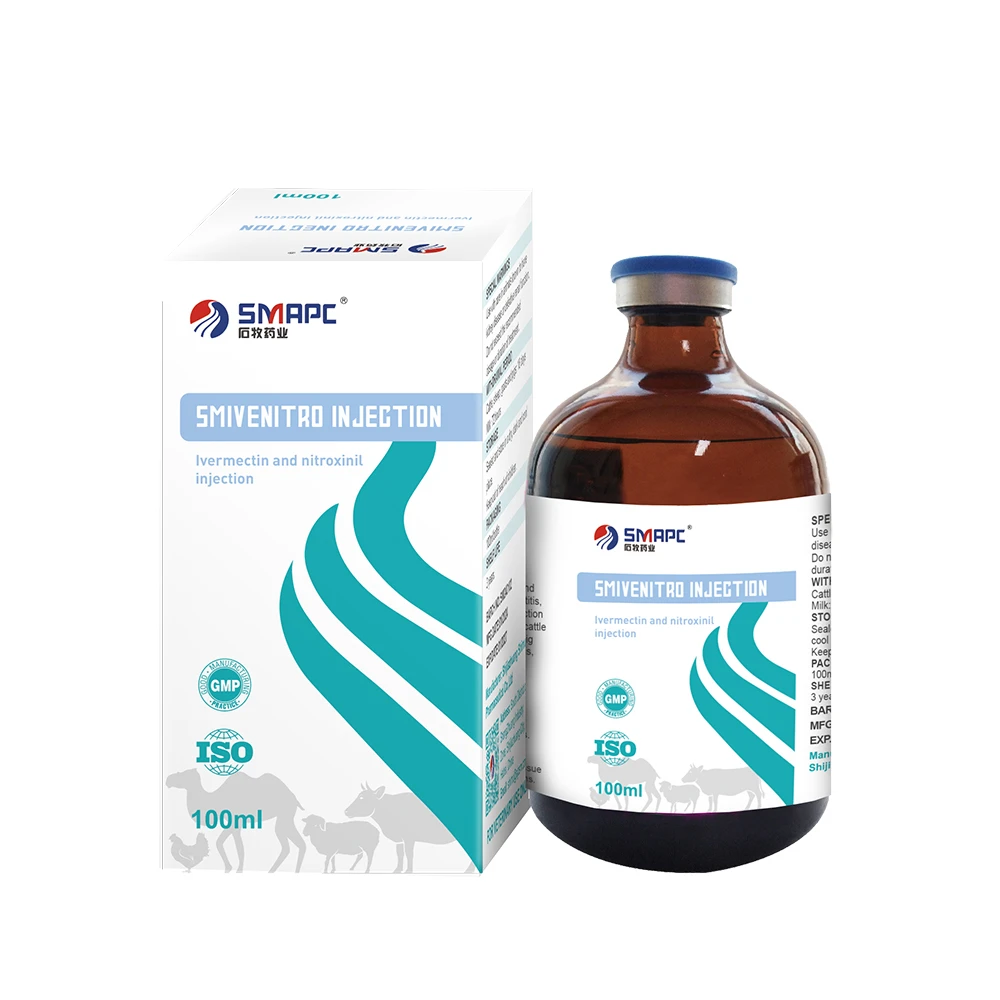
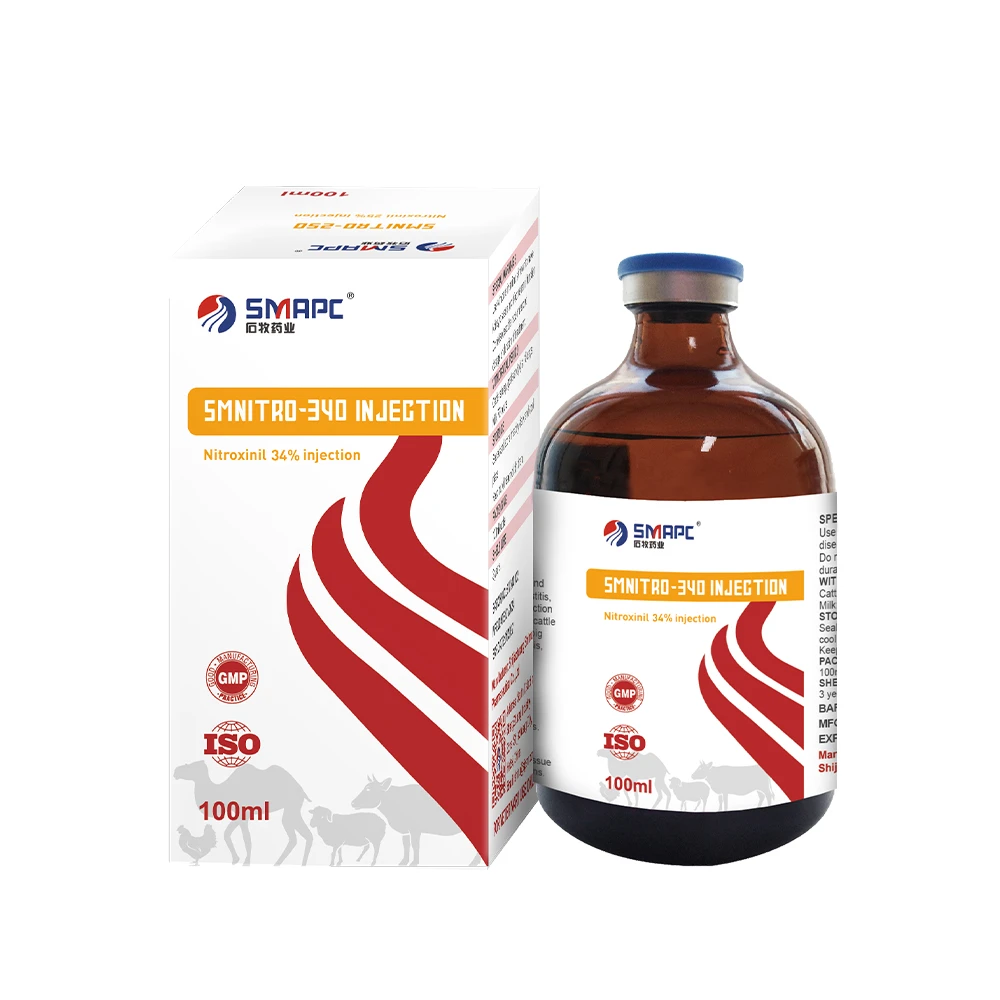
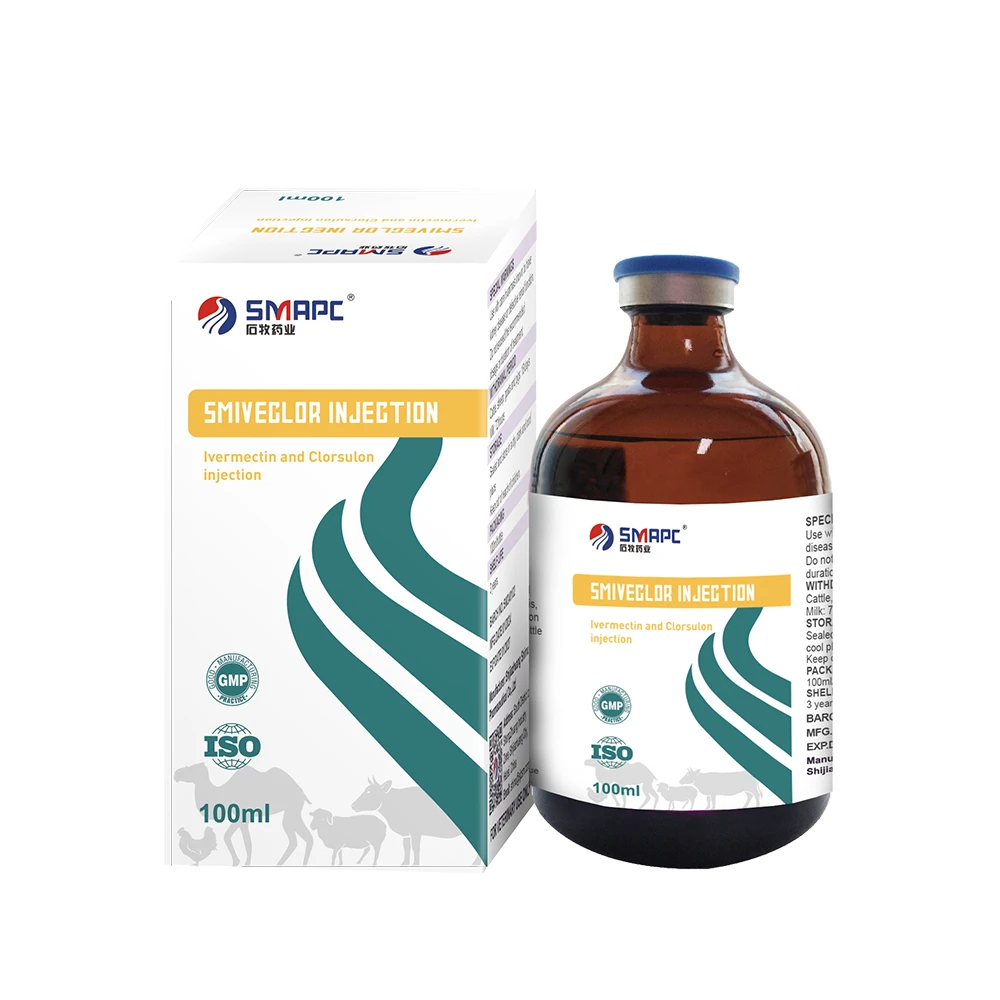
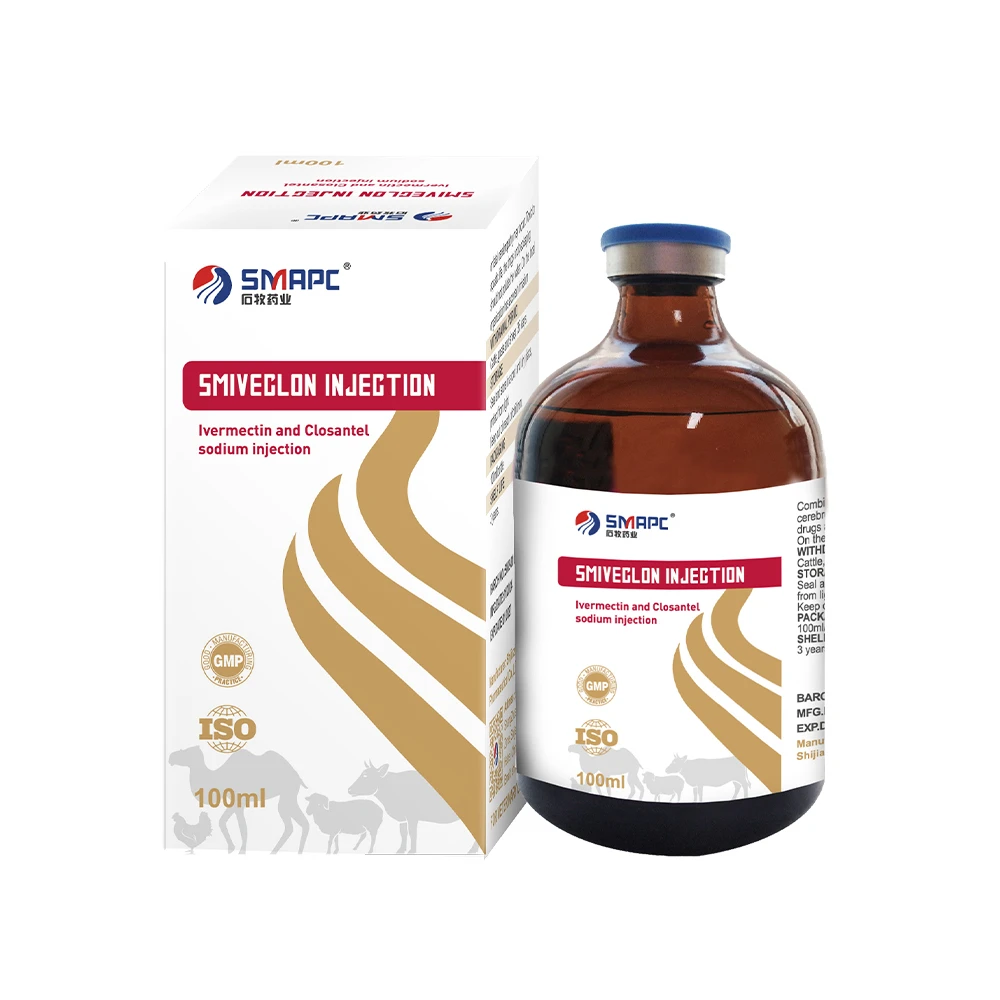
Numerous treatment options are available for goat mites. These include topical treatments, injectable medications, and pour-on formulations. Ivermectin is a commonly used injectable medication effective against many mite species. However, it’s essential to follow veterinary instructions carefully regarding dosage and withdrawal times. Topical treatments like lime sulfur dips can be effective for sarcoptic mange, but require careful application to avoid eye irritation. Pour-on treatments containing various miticides offer a convenient application method. Always consult with a veterinarian to determine the most appropriate treatment plan for your goats.
Treatment Benefits:
• Reduces itching and skin irritation
• Eliminates mite infestations
• Prevents secondary bacterial infections
• Improves overall goat health
Comparing Common Mite Treatments
Selecting the right mite treatment for goats can be challenging. Here’s a comparison of commonly used methods:
Preventing Mite Infestations in Goats
Prevention is key to managing mite infestations. Regular cleaning and disinfection of goat housing can help reduce mite populations. Avoid overcrowding, as mites spread more easily in close quarters. Quarantining new goats before introducing them to the herd is vital to prevent the spread of mites. Regularly monitor your goats for signs of infestation, such as scratching, rubbing, and hair loss. Implementing a strategic deworming and parasite control program, in consultation with a veterinarian, is crucial for maintaining a healthy herd.

Recognizing the Signs of Mite Infestation
Early detection of mite infestations is critical for effective treatment. Watch for the following signs: excessive scratching, rubbing against objects, hair loss (especially around the ears, legs, and belly), thickened and crusty skin, visible mites (though these are often difficult to see), and decreased appetite. If you suspect a mite infestation, consult with a veterinarian for diagnosis and treatment recommendations. Prompt action can prevent the infestation from spreading and causing severe health problems for your goats. For quality veterinary pharmaceuticals and mite treatment for goats, visit SkyVetPharm today!
Conclusion: Protecting Your Goat Herd from Mites
Maintaining a healthy goat herd requires diligent mite control. By understanding the types of mites, recognizing the signs of infestation, and implementing effective treatment and prevention strategies, you can protect your goats from discomfort and disease. Don't hesitate to consult with a veterinarian for personalized advice and recommendations. Invest in your goats' well-being – it’s an investment in your farm’s success!
Frequently Asked Questions (FAQs)
What is the best time of year to treat for mites?
The best time to treat for mites is generally in the late fall or early winter, after the breeding season. This is because many mites have a life cycle that coincides with colder weather, and treating at this time can help reduce the mite population before the spring breeding season. However, treatment may be necessary at any time of year if an infestation is detected. Regular monitoring of your goats is crucial, regardless of the season.
Can I use the same mite treatment for all my goats?
While you can use the same treatment for all goats in the herd, it's important to consider each goat’s individual health status. Pregnant or lactating goats may require different dosages or treatments. Always consult with a veterinarian to determine the appropriate treatment plan for each goat, based on their age, weight, and overall health. Avoid using products that are not specifically labeled for use in goats.
How often should I treat my goats for mites?
The frequency of treatment depends on the type of mite and the severity of the infestation. For initial treatment, a second dose is often recommended 10-14 days after the first to kill any newly hatched mites. Following this, preventative treatments may be necessary every 2-3 months, depending on the mite pressure in your area. Work with your veterinarian to develop a tailored treatment schedule that meets the needs of your herd.
What can I do to clean my goat housing to prevent mites?
Regular cleaning and disinfection of goat housing are essential for preventing mite infestations. Remove all bedding and manure regularly, and thoroughly scrub the housing with a disinfectant solution. Pay close attention to cracks and crevices where mites can hide. Allow the housing to dry completely before adding fresh bedding. Consider using a steam cleaner to sanitize hard-to-reach areas. Proper ventilation is also crucial for reducing humidity, which can promote mite growth.
-
Choosing the Best Worm Medicine for Goats for Herd HealthNewsApr.16,2026
-
Comprehensive Guide to Professional Goat Medication and Herd HealthNewsApr.09,2026
-
Comprehensive Tick Treatment for Sheep A Guide to Control and PreventionNewsApr.07,2026
-
Comprehensive Veterinary Medicine for Sheep Health and Disease PreventionNewsMar.31,2026
-
Comprehensive Guide to Goat Health and Effective Goats Medicine SolutionsNewsMar.28,2026