Mar . 11, 2026 02:15 Back to list
Comprehensive Guide to Effective Treatment for Warts in Cattle Management
Effective Treatment for Warts in Cattle
Warts, also known as papillomas, are a common skin condition affecting cattle, caused by the bovine papillomavirus (BPV). While generally not life-threatening, warts can reduce aesthetic value, interfere with handling, and in some cases, lead to secondary infections. Finding the right treatment for warts in cattle is crucial for maintaining herd health and productivity. This article will explore the causes, symptoms, and various treatment options available, providing you with a comprehensive guide to managing this condition. We will also discuss preventative measures to minimize the spread of warts within your cattle population.
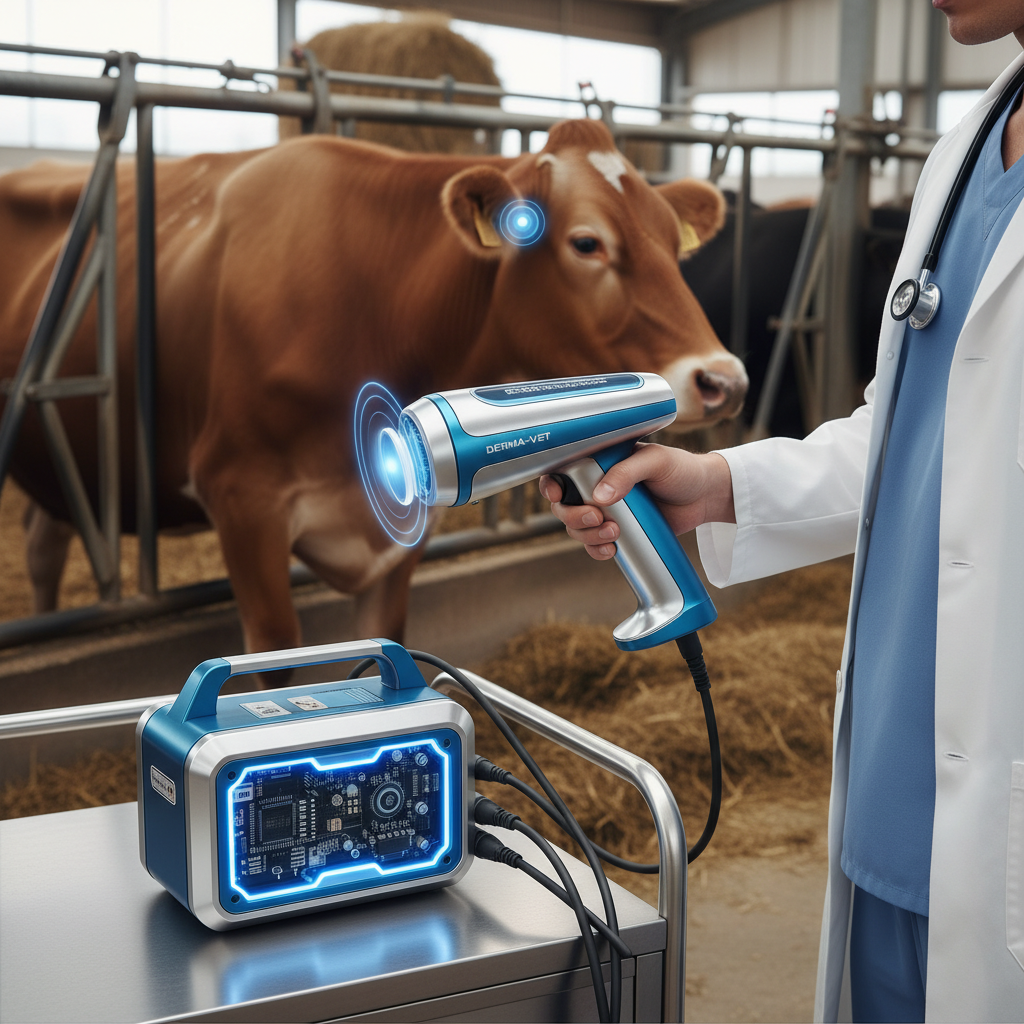
Understanding Bovine Papillomavirus (BPV) and Wart Development
BPV is a highly contagious virus that enters the cattle’s body through abrasions or cuts in the skin. Transmission typically occurs through direct contact with infected animals or contaminated surfaces like fences, feeders, and equipment. The virus has a long incubation period, often ranging from several weeks to months, meaning cattle can be spreading the virus before warts are even visible. Young cattle, particularly those with compromised immune systems, are most susceptible to developing warts. Once infected, the virus causes rapid growth of skin cells, resulting in the characteristic wart-like lesions. Proper biosecurity and hygiene practices are essential in preventing the spread of BPV.
Key Points: BPV spreads through direct contact or contaminated surfaces. Young cattle with weakened immune systems are most vulnerable. The virus has a long incubation period.
Common Treatment Options for Warts in Cattle
Several treatment options are available for managing warts in cattle. The best approach often depends on the severity of the infection, the location of the warts, and the overall health of the animal. Some common methods include topical applications, surgical removal, and immunostimulatory therapies. Topical treatments typically involve applying a medication directly to the wart, aiming to destroy the virus or stimulate an immune response. Surgical removal, such as cauterization or excision, is effective for larger or stubborn warts. Immunostimulatory therapies, such as zinc supplementation or the use of autogenous vaccines, aim to boost the animal's immune system to fight off the virus. Consulting with a veterinarian is essential to determine the most appropriate treatment for warts in cattle for your specific situation.
Treatment Options Overview:
• Topical Applications (e.g., salicylic acid, cantharidin)
• Surgical Removal (cauterization, excision)
• Immunostimulatory Therapies (zinc supplementation, autogenous vaccines)
Comparing Topical Treatments for Wart Removal
Topical treatments offer a non-invasive approach to wart removal. Common options include salicylic acid and cantharidin. Salicylic acid works by dissolving the wart tissue over time, requiring multiple applications. Cantharidin, on the other hand, causes a blister to form under the wart, eventually leading to its detachment. While both are effective, they differ in application method, treatment duration, and potential side effects. Choosing the right topical treatment depends on the size, location, and type of wart, as well as the animal's sensitivity.
Preventative Measures: Minimizing Wart Incidence
Preventing the spread of BPV is as important as treating existing warts. Maintaining good hygiene practices, such as regularly disinfecting equipment and ensuring proper wound care, can significantly reduce transmission. Implementing a biosecurity plan, including isolating new animals before introducing them to the herd, is also crucial. Boosting cattle’s immune systems through proper nutrition and vaccination programs can enhance their resistance to the virus. At SkyVetPharm, we offer a range of products to support your herd health management, including immune boosters and disinfectants.

Product Spotlight: SkyVetPharm Solutions for Wart Management
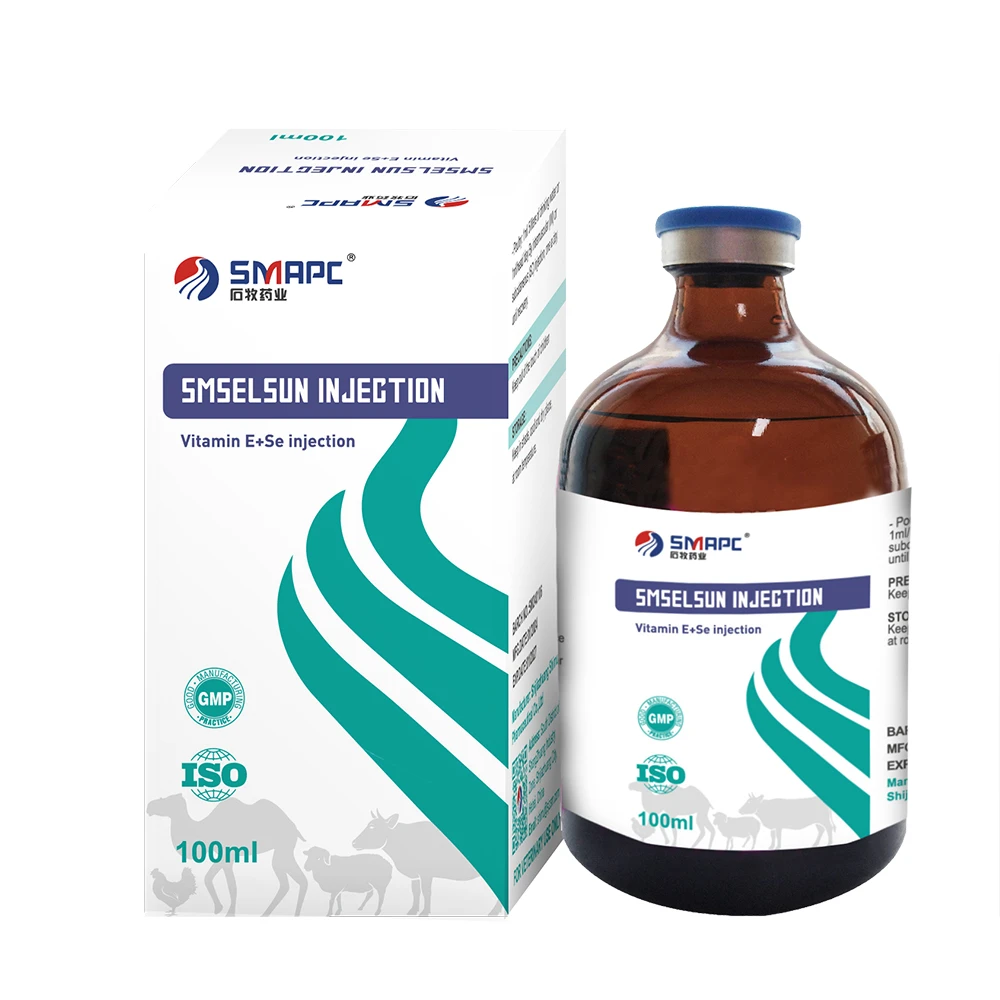
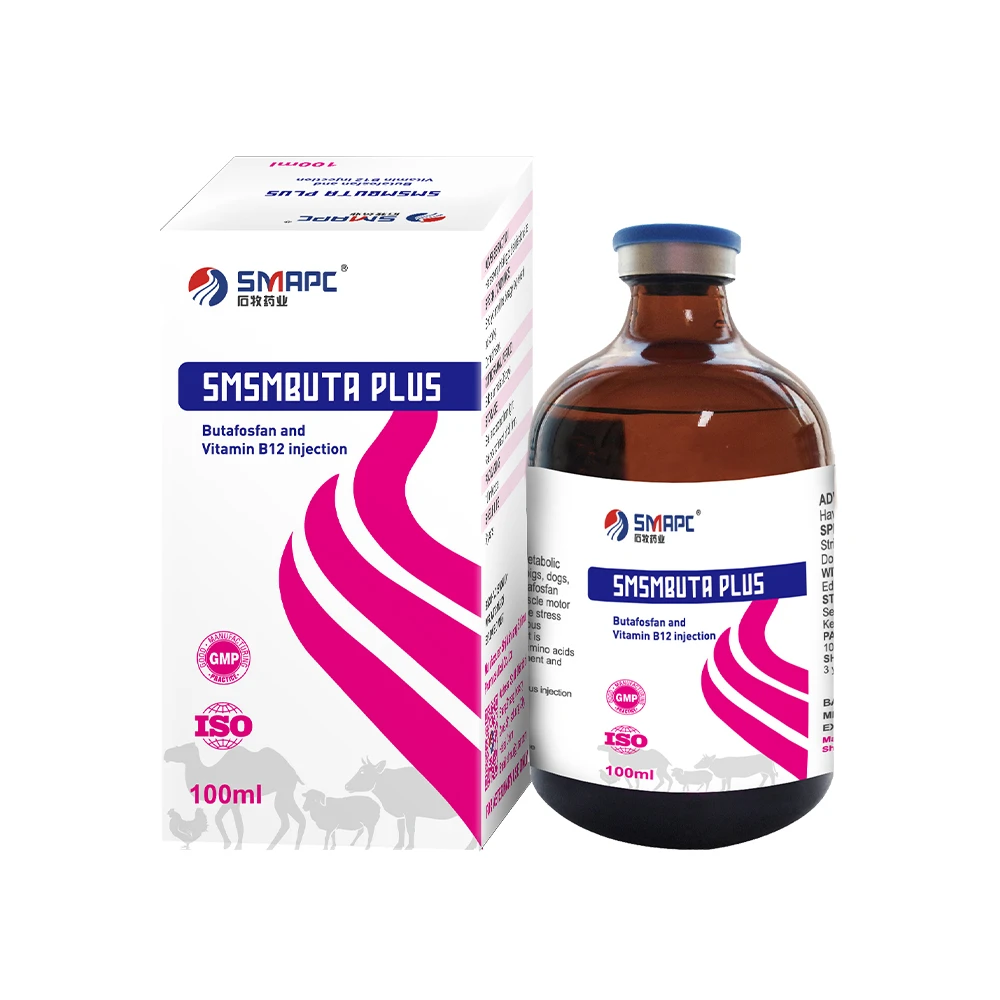
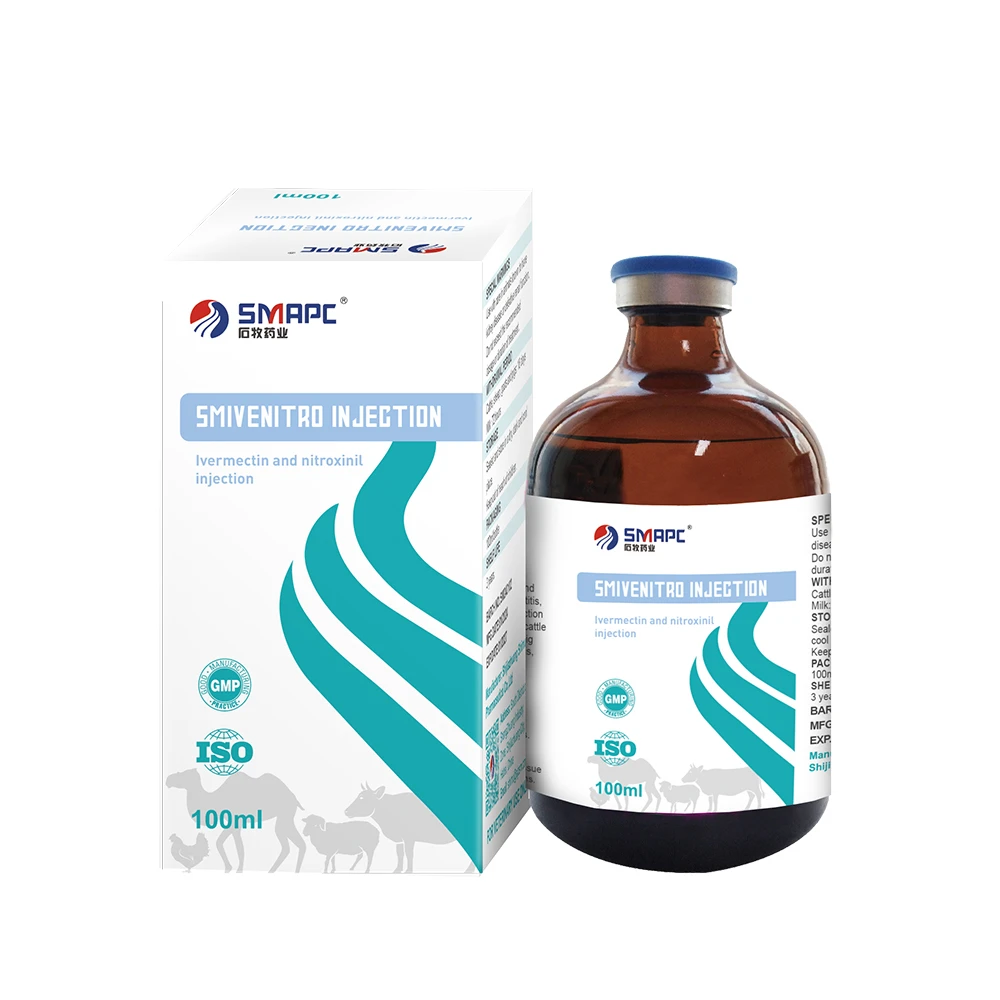
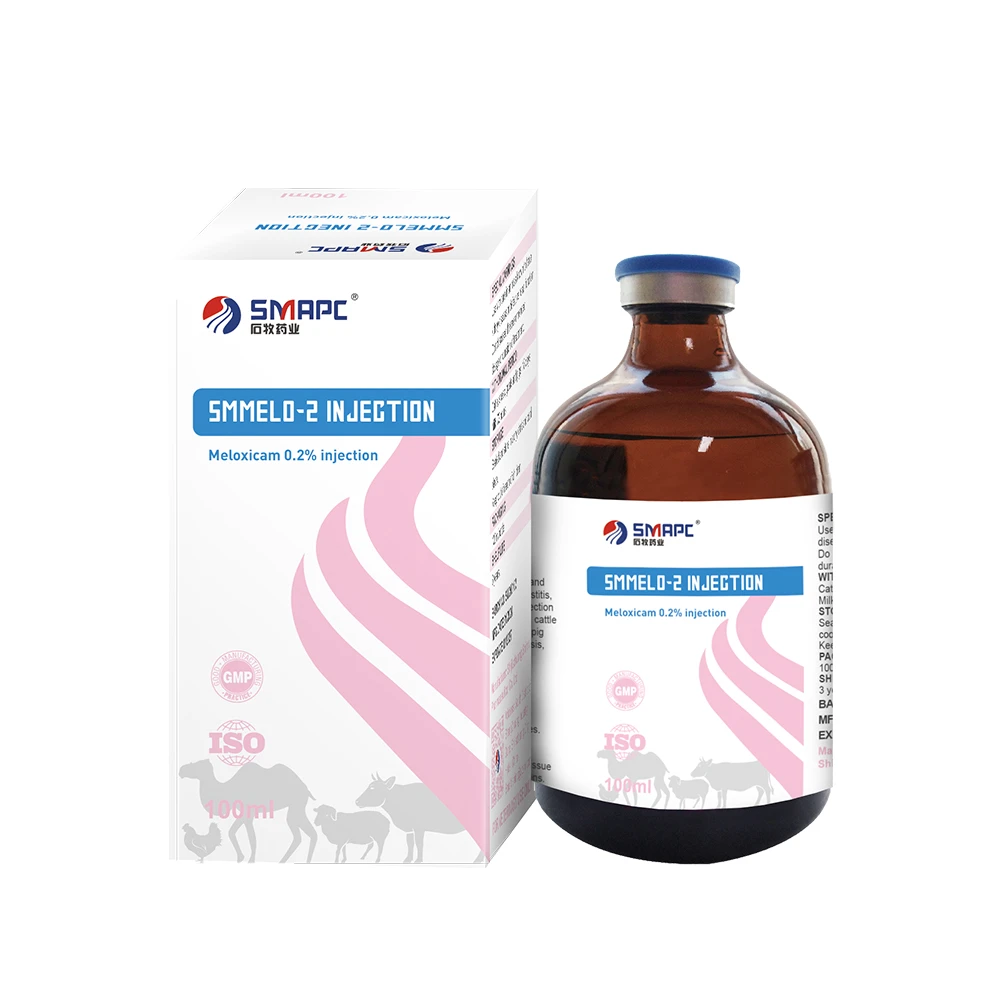
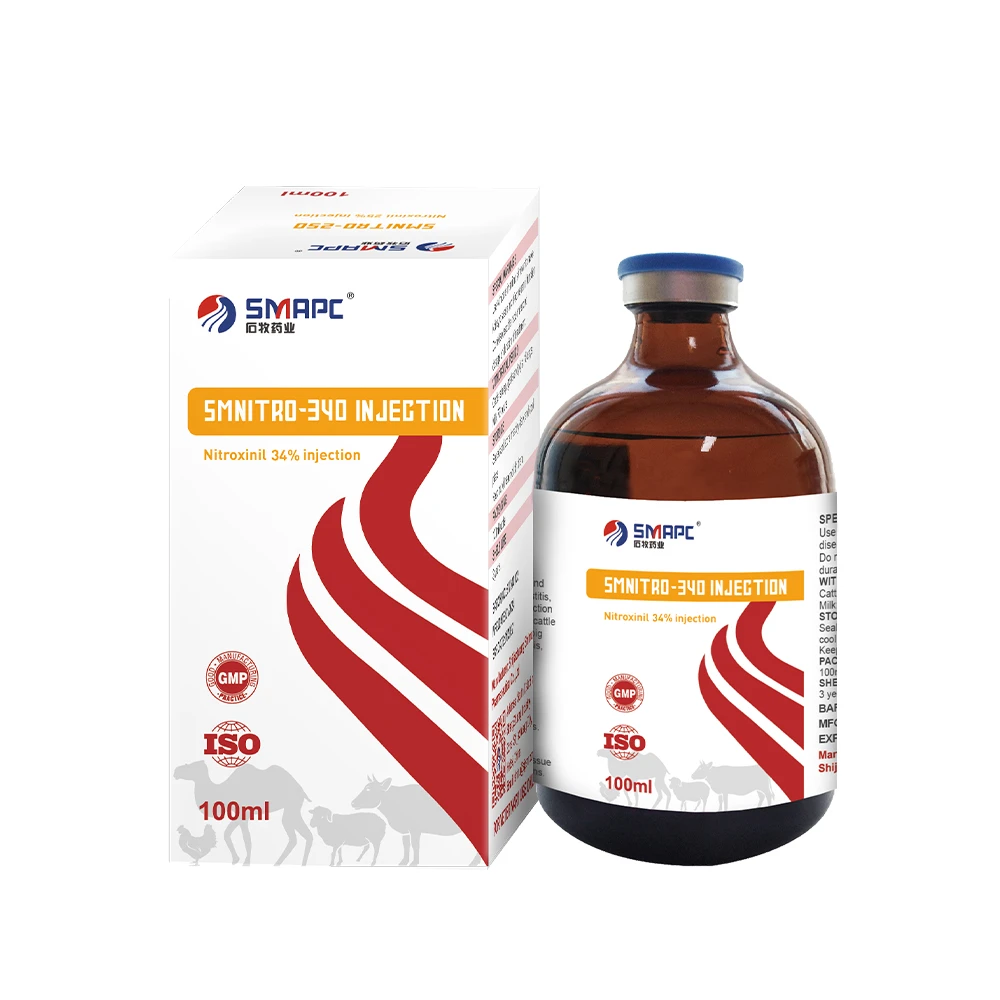
At SkyVetPharm, we understand the challenges faced by cattle farmers in managing warts. That’s why we offer a specialized range of products designed to effectively treat and prevent this common condition. Our offerings include topical wart removers formulated with proven ingredients, immune-boosting supplements to strengthen your herd’s natural defenses, and high-quality disinfectants to maintain a hygienic environment. Here's a quick overview of our key product:
Conclusion: Proactive Management for a Healthy Herd
Managing warts in cattle requires a multifaceted approach encompassing treatment, prevention, and ongoing monitoring. By understanding the causes, symptoms, and available treatment options, you can effectively minimize the impact of this condition on your herd. SkyVetPharm is committed to providing you with the highest quality products and resources to support your herd health goals. Don't hesitate to reach out to our team for personalized advice and solutions.
Frequently Asked Questions (FAQs)
How contagious are warts in cattle?
Warts are highly contagious among cattle. The virus spreads through direct contact with infected animals, or indirectly via contaminated objects such as fences, halters, grooming tools, and even clothing. Even seemingly minor abrasions in the skin can allow the virus to enter. Newly introduced cattle should be quarantined and carefully examined before being mixed with the existing herd to prevent the spread of infection. Strict hygiene protocols, including regular disinfection of equipment and facilities, are essential in controlling the spread.
Can warts in cattle affect milk production?
While warts themselves typically don't directly impact milk production, severe infections or warts located near the udder can cause discomfort and stress for the cow, potentially leading to reduced milk yield. Additionally, secondary bacterial infections resulting from abrasions caused by warts can lead to mastitis, which significantly impacts milk production and quality. Prompt treatment and preventative measures are crucial to minimize any potential negative effects on milk production.
Is there a vaccine available for bovine warts?
Currently, there isn't a commercially available vaccine widely used to prevent warts in cattle. However, autogenous vaccines, made specifically from the wart virus isolated from infected animals on a particular farm, can be effective in stimulating an immune response and controlling the spread of the virus. These vaccines are custom-made and require veterinary expertise to produce and administer. Research into broader-spectrum vaccines for BPV is ongoing.
What should I do if I suspect my cattle have warts?
If you suspect your cattle have warts, it’s essential to consult with a veterinarian for proper diagnosis and treatment recommendations. They can assess the severity of the infection, identify the type of warts, and develop a tailored management plan. Early intervention is key to preventing the spread of the virus and minimizing its impact on your herd. Isolate affected animals to prevent further transmission and implement strict biosecurity measures.
-
Choosing the Best Worm Medicine for Goats for Herd HealthNewsApr.16,2026
-
Comprehensive Guide to Professional Goat Medication and Herd HealthNewsApr.09,2026
-
Comprehensive Tick Treatment for Sheep A Guide to Control and PreventionNewsApr.07,2026
-
Comprehensive Guide to Effective Mite Treatment for Goats and PreventionNewsApr.04,2026
-
Comprehensive Veterinary Medicine for Sheep Health and Disease PreventionNewsMar.31,2026
-
Comprehensive Guide to Goat Health and Effective Goats Medicine SolutionsNewsMar.28,2026