Dec . 03, 2025 18:10 Back to list
Comprehensive Guide to Lumpy Skin Disease Treatment Medicine – Protecting Global Cattle Health
Lumpy Skin Disease Treatment Medicine: A Critical Step in Global Animal Health
When you think about diseases that affect livestock, lumpy skin disease (LSD) might not always come to mind right away — yet this viral illness has shaken many cattle-rearing parts of the world in recent years. Lumpy skin disease treatment medicine is more than just a veterinary product; it represents a crucial barrier against economic loss, food insecurity, and rural hardship on a global scale.
Understanding and deploying effective treatment options doesn’t only protect cattle; it safeguards farmers’ livelihoods and the stability of rural communities that depend heavily on animal agriculture.
1. Global Context: Why Lumpy Skin Disease Matters
Lumpy skin disease is a contagious viral disease affecting cattle, characterized by nodules on the skin, fever, and significant production losses. According to the World Organisation for Animal Health (WOAH), LSD has spread rapidly across Africa, the Middle East, and more recently into South Asia and parts of Eastern Europe.
The World Bank reports that livestock contributes over 40% of agricultural GDP in many developing countries, meaning a disease outbreak threatens food security, income for farmers, and export opportunities. The challenge? Controlling outbreaks requires not just vaccination but effective lumpy skin disease treatment medicine to reduce symptoms and mortality, especially during active infection phases.
Mini takeaway:
Simply put, controlling LSD is a global priority—economically and socially—to support sustainable agriculture and secure livelihoods.
2. What is Lumpy Skin Disease Treatment Medicine?
In straightforward terms, lumpy skin disease treatment medicine refers to pharmaceutical and veterinary products aimed at mitigating the symptoms caused by the LSD virus. While vaccines are preventive, these treatment medicines help manage secondary infections, inflammation, and promote recovery for infected cattle.
This class of medicine includes antiviral agents, antibiotics to control bacterial complications, anti-inflammatory drugs, and supportive care remedies such as vitamins and mineral supplements.
Its relevance is not only veterinary; by ensuring a steady supply of healthy cattle, it impacts meat and dairy industries and aligns with humanitarian goals of food security and rural development.
Mini takeaway:
Treatment medicines act as the frontline support in managing an outbreak and complement vaccination strategies for effective disease control.
3. Key Components of Effective Lumpy Skin Disease Treatment Medicine
Antiviral and Secondary Infection Control
The primary viral nature of LSD means there’s no direct antiviral cure currently available, but controlling secondary bacterial infections with antibiotics is vital to reduce complications and mortality.
Symptom Management (Anti-Inflammatories)
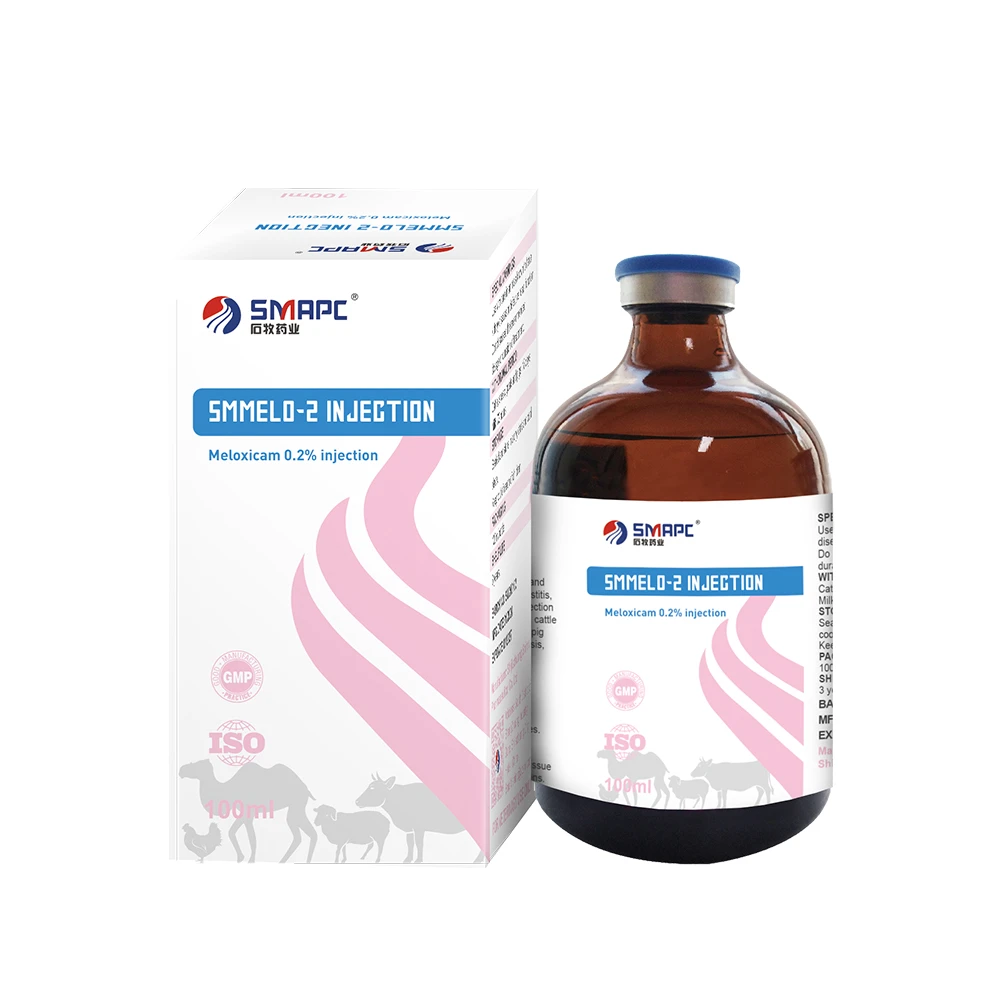
Inflammation and skin nodules cause discomfort and stress to cattle. Medicines that alleviate swelling and pain help improve animal welfare and feeding behaviors during illness.
Nutritional Support Supplements
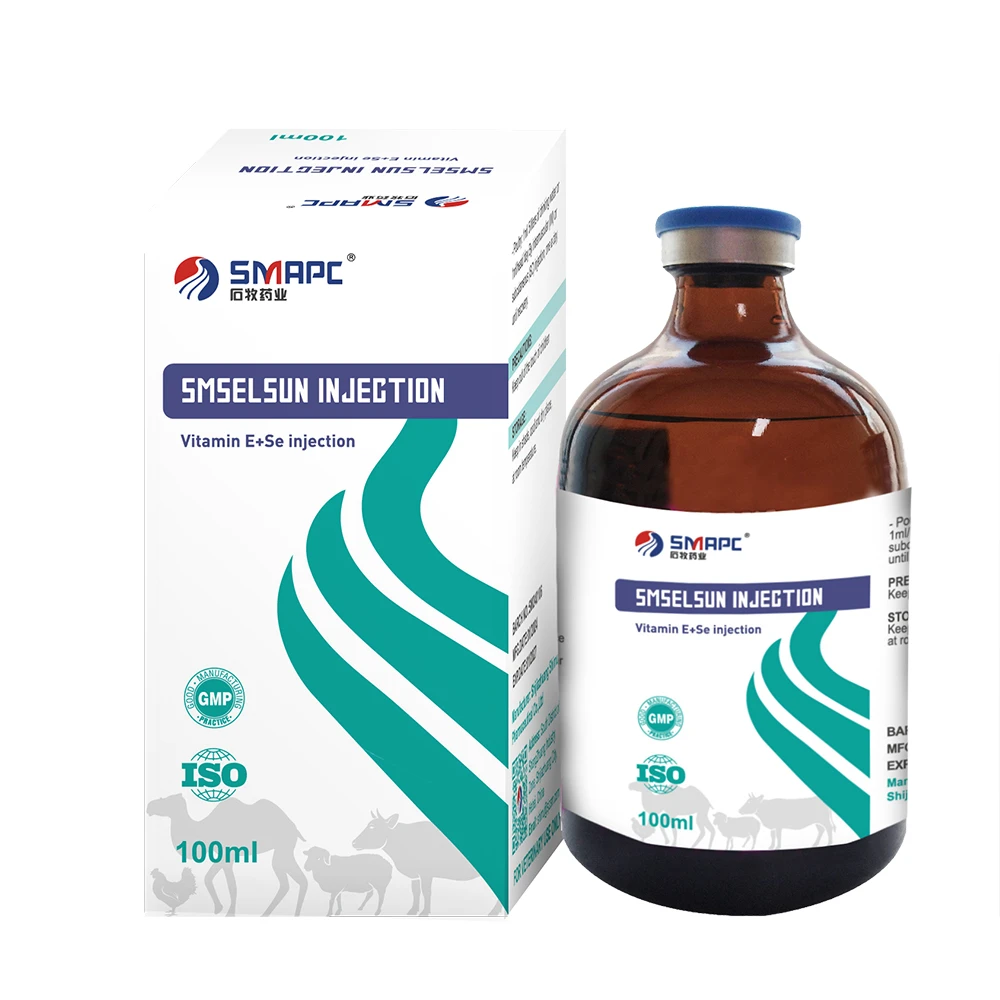
Integrating vitamins (especially A and E) and minerals can boost immunity and enhance recovery rates.
Ease of Administration and Safety
Products that can be injected or administered orally with minimal distress and side effects see better compliance in the field.
Cost Efficiency and Availability
Especially in resource-limited settings, affordable medicines with reliable supply chains enable farmers and vets to respond quickly when adverse symptoms appear.
Mini takeaway:
Effective treatment medicine is multifaceted, combining infection control, symptom relief, and accessible administration.
4. Global Applications and Use Cases
Lumpy skin disease treatment medicines are vital in regions with active outbreaks:
- Africa – Countries like Kenya and Nigeria use these medicines alongside vaccination campaigns.
- Middle East – Nations such as Turkey and Iraq have incorporated LSD treatments in livestock health programs.
- South Asia – India and Bangladesh face rising outbreaks, integrating treatment medicines through governmental animal health initiatives.
- Eastern Europe – Romania and Russia have recently reported outbreaks, underscoring the importance of rapid treatment deployment.
In real terms, treatment medicines are administered by vets and sometimes by trained farmers themselves during outbreaks to manage symptoms and reduce mortality.
For example, in Northern India—a hotspot for LSD cases—farmers reported improved recovery times when treatment medicines (including antibiotics and NSAIDs) supplemented vaccination protocols.
Mini takeaway:
The use of treatment medicines is an indispensable real-world tool supporting livestock health where disease pressure is high, especially in emerging outbreak zones.
5. Advantages and Long-Term Value of Treatment Medicines
Beyond immediate disease management, well-formulated treatment medicine offers broader benefits:
- Economic Sustainability: Protects farmers’ investments and reduces losses.
- Animal Welfare: Alleviates suffering, improving both quality of life and productivity.
- Food Security: Maintains cattle health critical to meat and dairy supply chains.
- Trust and Innovation: Reliable products build confidence in veterinary services.
Frankly, it’s a matter of dignity for farmers who depend on their cattle—and the animals themselves deserve humane care during illness.
6. Future Trends and Innovations
Research efforts focus on novel antiviral formulations and improved vaccines, but treatment medicines are evolving, too:
- Green pharmaceutical formulations: Using biodegradable compounds to reduce environmental impact.
- Digital delivery tracking: Mobile apps helping vets track treatments and outbreaks in near real-time for more strategic deployment.
- Automation & AI diagnostics: Early detection facilitates prompt treatment use.
- Long-acting injectable formulations: Reduce frequency of doses and improve compliance.
Given the increasing cross-border spread, regulatory harmonization is also a focus, improving access and safety standards globally.
7. Challenges in Treatment and Solutions
Challenges persist, like antibiotic resistance risks from overuse or poor administration and gaps in treatment accessibility in rural areas.
Experts suggest:
- Education & training: Empower farmers with knowledge on correct usage.
- Strengthening supply chains: To ensure medicines reach remote communities quickly.
- Research partnerships: Between governments, NGOs, and private sector for innovations.
So, while limitations exist, the path forward involves collaboration and technology adoption.
8. FAQ: Your Questions About Lumpy Skin Disease Treatment Medicine
Q: Can lumpy skin disease be completely cured with treatment medicine?
A: Treatment medicine manages symptoms and secondary infections but doesn’t cure the viral infection itself. Vaccination remains key for prevention.
Q: How soon after infection should treatment medicine be administered?
A: Early intervention, ideally within days of symptom onset, improves recovery outcomes significantly.
Q: Are treatment medicines safe for all cattle breeds?
A: Most medicines are broadly safe, but always follow veterinary guidance regarding dosage and specific breed sensitivities.
Q: Is it possible to use treatment medicines without vaccination?
A: Treatment alone reduces suffering but doesn’t prevent disease spread, so vaccination programs are essential.
9. Product Specification Table: Typical Lumpy Skin Disease Treatment Medicine
| Component | Purpose | Typical Dosage Form | Administration Route |
|---|---|---|---|
| Antibiotics (e.g., Oxytetracycline) | Control secondary bacterial infections | Injectable solution | Intramuscular/Subcutaneous |
| NSAIDs (e.g., Flunixin meglumine) | Reduce inflammation and pain | Injectable or oral paste | Intravenous or oral |
| Vitamin A and E supplements | Enhance immune response | Oral bolus or feed additive | Oral |
10. Vendor Comparison Table of Common Lumpy Skin Disease Treatment Medicines
| Vendor | Product Range | Cost per Dose (USD) | Availability | Notes |
|---|---|---|---|---|
| SkyVet Pharmaceuticals | Antibiotics, NSAIDs, Vitamins | $0.50 - $1.20 | Global | Reliable supply chain, training support |
| VetCure Ltd. | Broad spectrum antibiotics | $0.60 - $1.00 | Regional (Africa, Asia) | Limited vitamin formulations |
| AgroVet Solutions | Anti-inflammatory & supportive care | $0.70 - $1.50 | Europe, Middle East | Focus on sustainable formulations |
Conclusion: Taking Care of Cattle and Communities
In sum, lumpy skin disease treatment medicine is a key part of the toolkit used worldwide to confront a disease that threatens not only livestock health but entire rural economies. While vaccination campaigns form the cornerstone of disease prevention, treatment medicines provide the necessary care for infected animals, helping farmers weather outbreaks with minimal losses.
If you’re looking for trustworthy lumpy skin disease treatment medicine options or just want to learn more about managing LSD impacts, visit lumpy skin disease treatment medicine for resources, products, and expert advice.
After all, investing in animal health is investing in a sustainable future.
Final takeaway:
It feels like every livestock health challenge reminds us how deeply connected food security, community well-being, and scientific progress truly are.
References:
-
Choosing the Best Worm Medicine for Goats for Herd HealthNewsApr.16,2026
-
Comprehensive Guide to Professional Goat Medication and Herd HealthNewsApr.09,2026
-
Comprehensive Tick Treatment for Sheep A Guide to Control and PreventionNewsApr.07,2026
-
Comprehensive Guide to Effective Mite Treatment for Goats and PreventionNewsApr.04,2026
-
Comprehensive Veterinary Medicine for Sheep Health and Disease PreventionNewsMar.31,2026
-
Comprehensive Guide to Goat Health and Effective Goats Medicine SolutionsNewsMar.28,2026