Dec . 03, 2025 11:38 Back to list
Pain Meds for Pigs: Essential Guide to Livestock Pain Management and Welfare
Pain Meds for Pigs: A Vital Link in Modern Livestock Care
If you've ever wondered how farmers keep their herds comfortable and healthy, then understanding pain meds for pigs might surprise you with its importance. Administering effective pain relief to pigs is not just about cruelty prevention; it's a global concern that connects animal welfare, food safety, and even economics. As pork production remains one of the world's largest agricultural sectors, the way we manage pig health, especially managing their pain, impacts billions of people worldwide.
Introduction: Why Pain Management Matters Globally
According to the United Nations Food and Agriculture Organization (FAO), pork accounts for approximately 38% of meat consumed worldwide, making pigs incredibly central to global food systems. However, pig farming, especially intensive systems, often involves procedures that can cause discomfort or pain, such as castration, tail docking, and vaccinations. This means pain meds for pigs are crucial—not just for welfare standards that many countries are starting to enforce, but also to improve recovery rates and productivity. Sadly, inconsistent use of analgesics in livestock remains a challenge globally—whether due to cost, regulation, or lack of awareness.
Frankly, when you think about it, managing pain in pigs is an intersection of ethics and efficiency in farming.
Mini takeaway: Better pain management in pigs isn’t just humane; it's tied directly to global food security and sustainable farming.
What Exactly Are Pain Meds for Pigs?
Simply put, pain meds for pigs refer to the range of pharmaceutical products designed to reduce or eliminate pain in pigs during and after various procedures or illnesses. These can include non-steroidal anti-inflammatory drugs (NSAIDs), local anesthetics, and sometimes opioids, depending on the severity of pain and veterinary guidelines. The connection to the livestock industry is clear—these medications improve animal comfort, minimize stress, and help maintain growth rates and meat quality. On the humanitarian side, they align with the increasing demand for ethical treatment throughout the food supply chain.
Key Components of Effective Pain Medications for Pigs
1. Efficacy and Safety
Not all pain meds are created equal. Effective analgesics must relieve pain quickly and sustainably without unwanted side effects. Veterinary approval and rigorous testing ensure the right dosages and formulations are used. It’s crucial because underdosing means ineffective pain relief, while overdosing risks toxicity.
2. Ease of Administration
Since pigs are commonly raised in large numbers, the administration method matters a lot. Injectable forms are effective but more labor-intensive; oral or feed-mixed options offer convenience but may have variable absorption. This practical consideration affects how widely these meds are used on farms.
3. Cost Efficiency
For farmers, keeping costs manageable without compromising quality is always a balancing act. Pain meds that combine efficacy with affordability tend to be adopted faster.
4. Withdrawal Times
Because pigs are food animals, medications must clear their systems before meat reaches consumers. Withdrawal times affect how and when pain meds are given, aligning with stringent food safety regulations globally.
| Medication | Type | Route | Onset of Action | Withdrawal Time |
|---|---|---|---|---|
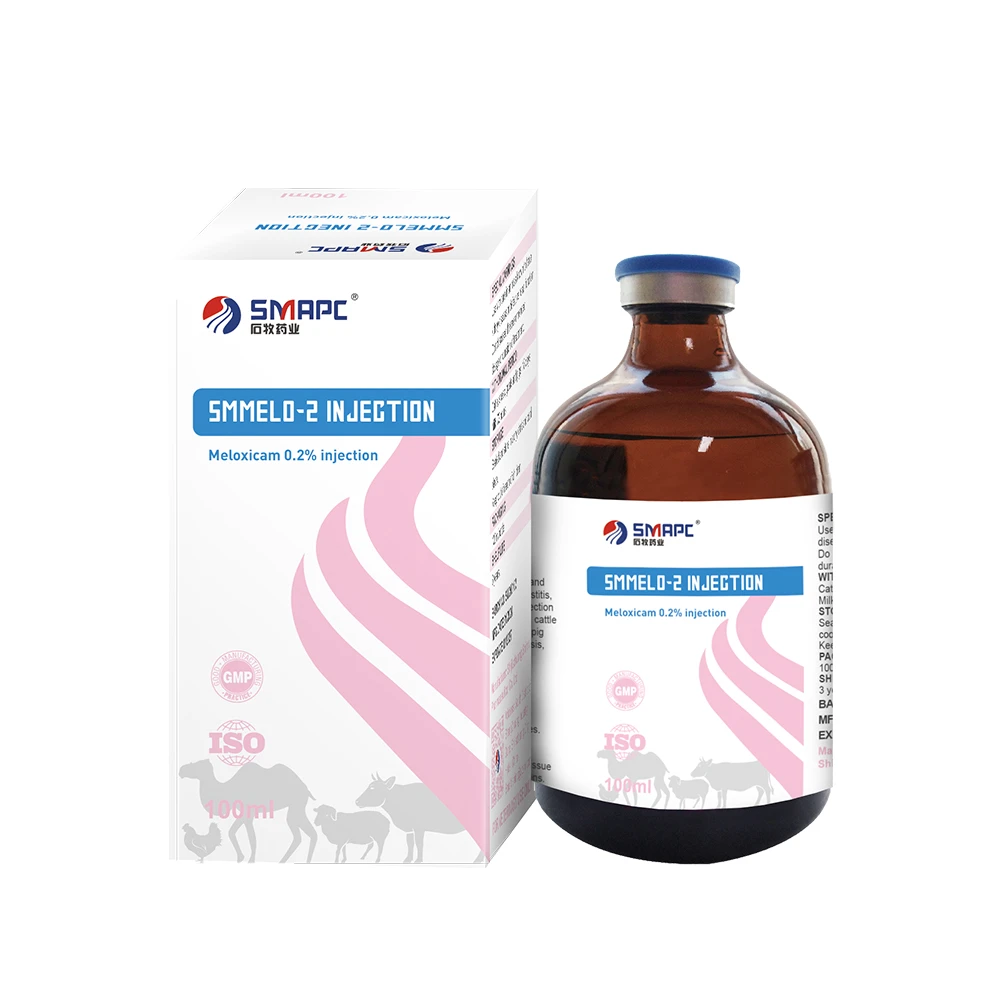
| Meloxicam | NSAID | Oral/Injectable | 30 mins | 4 days |
| Flunixin Meglumine | NSAID | Injectable | 15 mins | 7 days |
| Lidocaine | Local Anesthetic | Injection/Topical | Immediate | Varies (short) |
Global Applications and Case Studies
Pain meds for pigs find their place in a variety of farming contexts worldwide: from large-scale commercial pig farms in Europe and North America to smaller family-based farms in Asia and Latin America. Europe, particularly countries like Denmark and Germany, leads with strict welfare laws requiring analgesics to be administered during procedures such as tail docking. Meanwhile, in developing countries, adoption is lagging but growing, supported by NGOs promoting humane livestock treatment.
For example, in post-disaster recovery efforts, veterinary teams administer pain meds to help pigs injured during floods or earthquakes, aiding in faster recovery and reducing animal suffering that adversely affects community livelihoods. Oddly enough, these meds aren’t just veterinary tools but key to resilient food systems in vulnerable regions.
Mini takeaway: The use of pain medications improves pig welfare universally, with diverse real-world benefits from industrial farms to humanitarian relief.
Advantages of Effective Pain Medication in Pigs
- Animal Welfare: Minimizes suffering and health complications.
- Productivity: Healthy pigs grow better and yield higher-quality meat.
- Regulatory Compliance: Meets growing government and consumer demands.
- Social Responsibility: Enhances farm reputation and market access.
Using pain meds isn’t just clinical—it’s about trust. It shows that producers respect the animals contributing to our food. Many farmers report that it creates a calmer environment, reducing stress for handlers and animals alike.
Future Trends & Innovations in Pain Management for Pigs
The future looks promising, with advances like long-acting injectable NSAIDs, transdermal patches for easier application, and even research into gene therapy to reduce pain perception. Digital health tools may soon help monitor pain signs in pigs automatically, enabling timely interventions. Sustainability also drives innovation—formulations are increasingly aiming for lower environmental residues and faster clearance from animals’ systems.
Challenges & Potential Solutions
Current challenges include variable adoption rates, insufficient veterinary training in some regions, and cost barriers. To address these, experts recommend targeted farmer education, subsidized pricing, and harmonized regulations facilitating safer global trade in medicated livestock products. It’s a slow process, but momentum is building.
| Vendor | Range of Products | Global Reach | Pricing | Customer Support |
|---|---|---|---|---|
| FarmMeds Inc. | Wide (NSAIDs, Anesthetics) | North America, Europe | Mid-Range | 24/7, Vet Hotline |
| AgroVet Solutions | Moderate | Asia, Latin America | Affordable | Regional Offices |
| VetPharm Global | Comprehensive + Innovation Focus | Worldwide | Premium | Extensive Online Resources |
FAQ: Common Questions About Pain Meds for Pigs
- What are the most common pain meds used for pigs?
- NSAIDs like Meloxicam and Flunixin Meglumine are widely used due to their effectiveness and safety profiles. Local anesthetics such as Lidocaine are also common during surgical procedures. Their selection depends on the specific pain level and veterinary guidelines.
- How can farmers safely administer pain meds to large herds?
- Injectable forms require trained personnel to ensure correct dosing. Increasingly, oral formulations mixed into feed are preferred for their convenience, although absorption can vary. Veterinary consultation is crucial for proper protocols.
- Are there withdrawal periods before treated pigs can be processed for meat?
- Yes, withdrawal times vary by medication but generally range from a few days to over a week. This ensures drug residues do not contaminate pork products, maintaining consumer safety and regulatory compliance.
- Can using pain meds improve overall farm productivity?
- Absolutely. Managing pain reduces stress and complications, helping pigs recover faster and eat normally — all leading to better weight gain and quality, which saves costs in the long run.
Conclusion: Why Pain Meds for Pigs Matter Long-Term
In real terms, effective pain relief in pigs is a cornerstone of modern animal husbandry. It ties into welfare ethics, economic sustainability, and food safety regulations. While challenges remain around cost and education, the combined efforts of veterinarians, governments, and farms continue to raise standards worldwide. For those involved or curious, I encourage you to explore more on this topic, including the latest pharmaceutical products and welfare guidelines. You can find reliable resources and trusted suppliers by visiting pain meds for pigs.
Keeping pigs comfortable is ultimately about respect — for animals, for farmers, and for the billions of people reliant on pork as a protein source.
Quick takeaway: Thoughtful pain management transforms pig farming from routine production into responsible stewardship.
-
Choosing the Best Worm Medicine for Goats for Herd HealthNewsApr.16,2026
-
Comprehensive Guide to Professional Goat Medication and Herd HealthNewsApr.09,2026
-
Comprehensive Tick Treatment for Sheep A Guide to Control and PreventionNewsApr.07,2026
-
Comprehensive Guide to Effective Mite Treatment for Goats and PreventionNewsApr.04,2026
-
Comprehensive Veterinary Medicine for Sheep Health and Disease PreventionNewsMar.31,2026
-
Comprehensive Guide to Goat Health and Effective Goats Medicine SolutionsNewsMar.28,2026