Feb . 25, 2026 02:15 Back to list
Effective Pain Killer for Cattle Management and Welfare Solutions
Choosing the Right Pain Killer for Cattle
Managing pain in cattle is crucial for their welfare and productivity. From post-operative recovery to treating injuries and inflammation, having access to effective pain killers for cattle is essential for every livestock owner and veterinarian. This article will provide a comprehensive overview of available options, considerations for choosing the right medication, and important safety guidelines. We’ll explore different types of analgesics and how to ensure responsible use to optimize animal health and well-being.
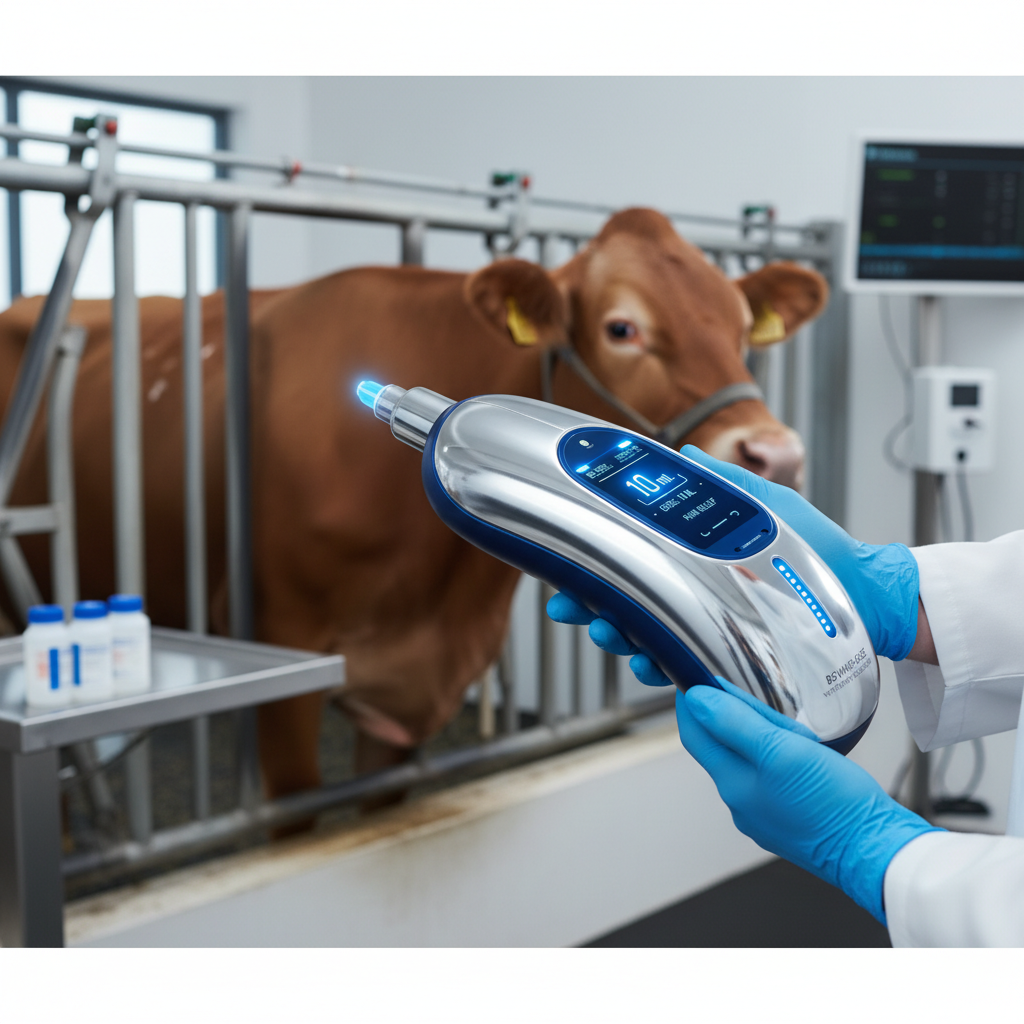
Understanding Pain in Cattle
Cattle experience pain similarly to other mammals, but they often mask it as a survival mechanism. Recognizing signs of pain, such as changes in posture, decreased appetite, reluctance to move, and vocalization, is the first step towards effective management. Pain can arise from various sources, including calving, dehorning, castration, lameness, and surgical procedures. Selecting the appropriate pain killer for cattle depends on the severity and type of pain, as well as the animal’s overall health status. It’s vital to consult with a veterinarian to determine the best course of treatment.
Key Considerations: Recognizing signs of pain is vital for effective management. Consult a veterinarian to determine the best treatment option, considering pain severity and type.
Types of Pain Killers for Cattle
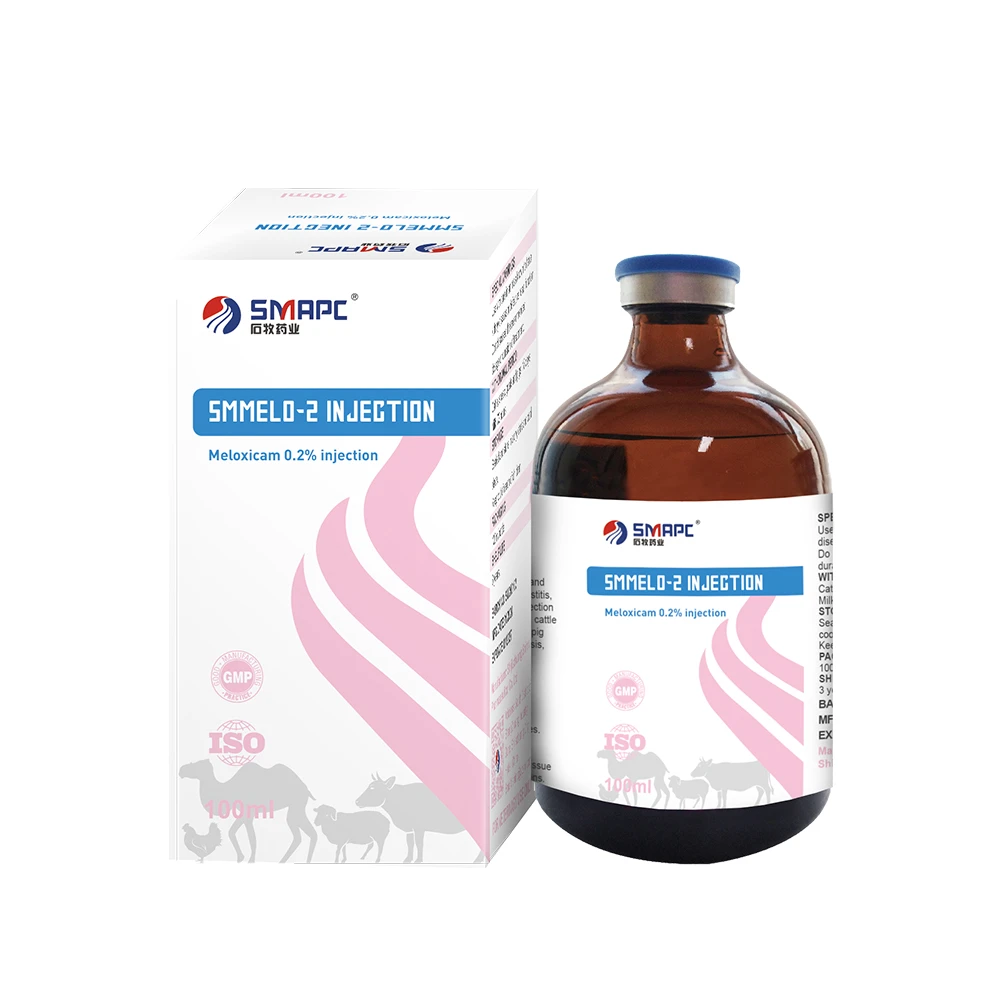
Several classes of drugs are commonly used as pain killers for cattle. Non-steroidal anti-inflammatory drugs (NSAIDs) are frequently prescribed for their analgesic, anti-inflammatory, and antipyretic (fever-reducing) properties. Opioids provide more potent pain relief but require careful administration due to potential side effects and withdrawal concerns. Local anesthetics can be used for localized pain management, such as during dehorning or castration. Choosing the right class depends on the intensity and duration of pain.
Pain Relief Options:
• NSAIDs: Analgesic, anti-inflammatory, and antipyretic properties
• Opioids: Potent pain relief, requires careful administration
• Local Anesthetics: Localized pain management.
Comparing Common NSAIDs for Cattle
NSAIDs are the most commonly used pain killers for cattle due to their broad-spectrum effects and relatively predictable safety profile. However, different NSAIDs have varying potencies, durations of action, and administration routes. Here’s a comparison of some commonly used options:
Important Safety Considerations
Administering any pain killer for cattle requires careful attention to safety guidelines. Always follow your veterinarian’s instructions regarding dosage, frequency, and administration route. Be aware of potential side effects, such as gastrointestinal upset or kidney problems. Withdrawal times must be strictly adhered to when using these medications to avoid residues in meat or milk. Proper storage and handling of medications are also crucial to maintain their efficacy and prevent accidental exposure.

Finding Quality Pain Relief Solutions at SkyVetPharm
At SkyVetPharm, we understand the importance of providing effective and safe solutions for animal health. We offer a comprehensive range of pain killers for cattle, sourced from reputable manufacturers and rigorously tested for quality. Our dedicated team is available to answer your questions and provide guidance on selecting the right product for your specific needs.
Conclusion: Prioritizing Cattle Welfare with Effective Pain Management
Effective pain management is a cornerstone of responsible cattle care. By understanding the available options, considering individual animal needs, and adhering to safety guidelines, you can significantly improve the welfare and productivity of your livestock. SkyVetPharm is committed to providing you with the high-quality products and expert support you need to ensure the well-being of your cattle.
Frequently Asked Questions (FAQs)
What are the common signs of pain in cattle?
Cattle often mask pain, making it crucial to observe subtle changes in behavior. Common signs include decreased appetite, reluctance to move, altered posture (e.g., standing with a hunched back), vocalization (moaning or bellowing), isolation from the herd, and increased sensitivity to touch. Lameness, swelling, and visible injuries are also clear indicators of pain. Recognizing these signs early allows for prompt intervention and improved animal welfare.
How do NSAIDs work to relieve pain in cattle?
Non-steroidal anti-inflammatory drugs (NSAIDs) work by inhibiting the production of prostaglandins, which are substances in the body that contribute to inflammation, pain, and fever. By reducing prostaglandin levels, NSAIDs effectively alleviate pain and reduce inflammation. Different NSAIDs have varying degrees of selectivity for different cyclooxygenase (COX) enzymes, which can influence their efficacy and potential side effects. Always follow your veterinarian’s recommendations regarding dosage and administration.
What is the importance of withdrawal times when using pain killers in cattle?
Withdrawal times are critical to ensure that no harmful drug residues remain in meat or milk intended for human consumption. Each pain killer has a specific withdrawal time, which represents the period that must pass between the last dose of the medication and the slaughter of the animal or the collection of milk. Failure to observe withdrawal times can result in legal penalties and pose a risk to public health. Always consult the product label and your veterinarian for accurate withdrawal time information.
Can pain killers be used preventatively in cattle?
While pain killers can be effective in managing acute pain, routine preventative use is generally not recommended. Prophylactic use can contribute to the development of drug resistance and may mask underlying health issues. Pain relief should ideally be targeted to animals exhibiting signs of pain or undergoing procedures known to cause discomfort. Consult with your veterinarian to determine the most appropriate pain management strategy for your herd.
-
Choosing the Best Worm Medicine for Goats for Herd HealthNewsApr.16,2026
-
Comprehensive Guide to Professional Goat Medication and Herd HealthNewsApr.09,2026
-
Comprehensive Tick Treatment for Sheep A Guide to Control and PreventionNewsApr.07,2026
-
Comprehensive Guide to Effective Mite Treatment for Goats and PreventionNewsApr.04,2026
-
Comprehensive Veterinary Medicine for Sheep Health and Disease PreventionNewsMar.31,2026
-
Comprehensive Guide to Goat Health and Effective Goats Medicine SolutionsNewsMar.28,2026