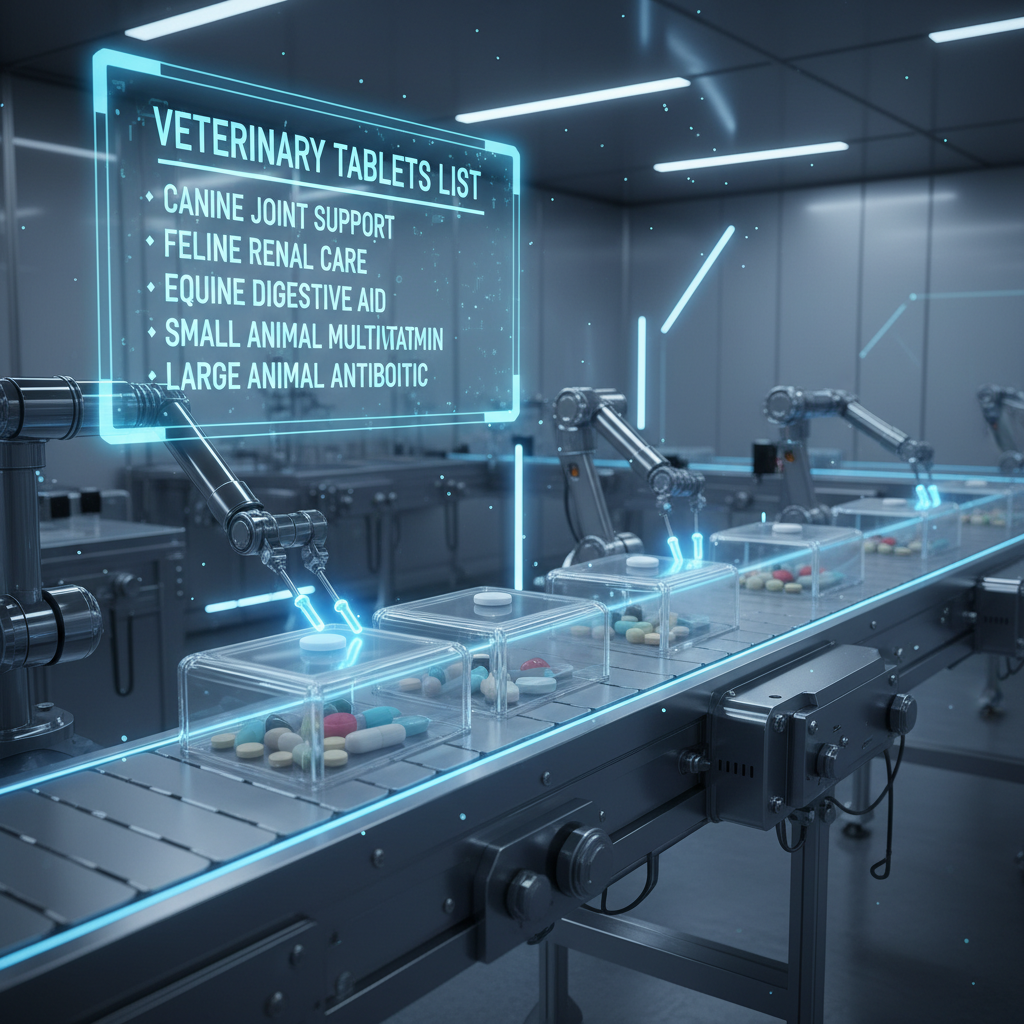
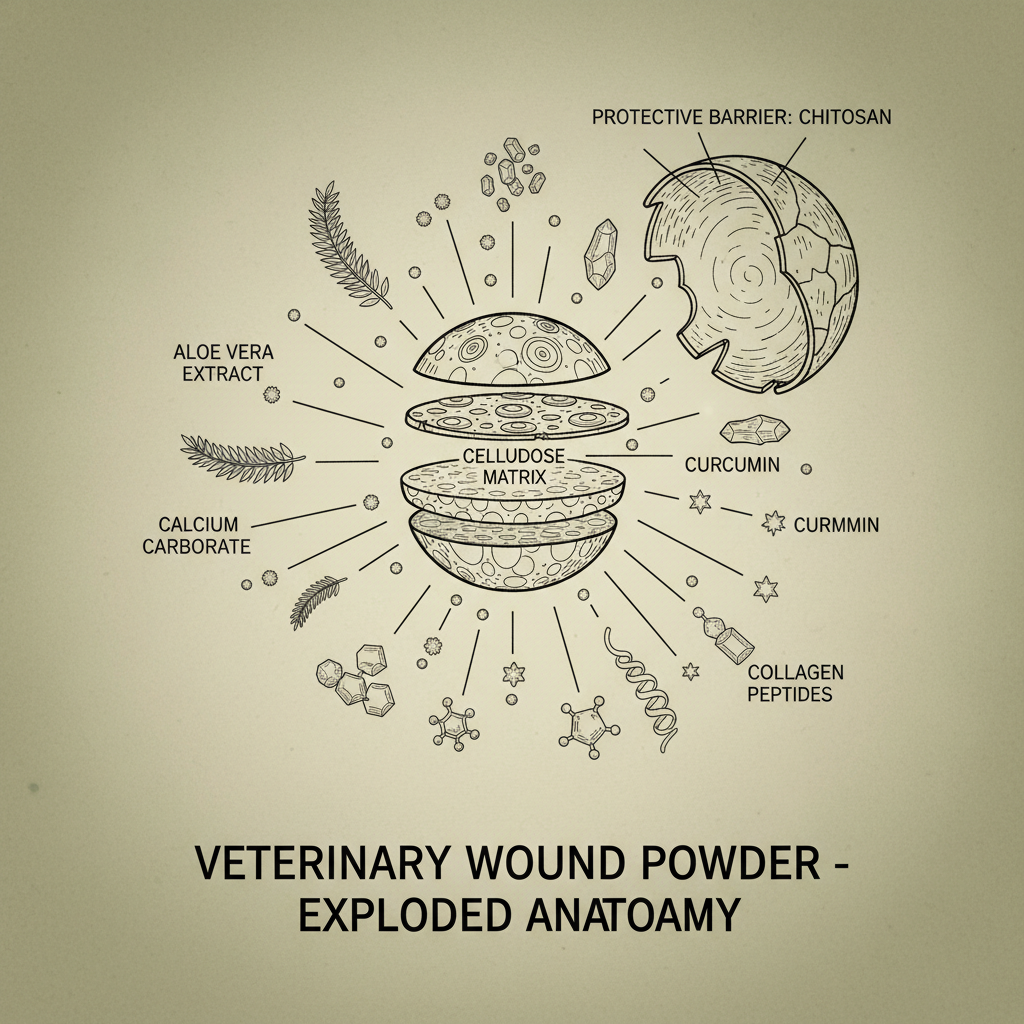
Veterinary tablets represent a crucial advancement in animal healthcare, offering a convenient and accurate method for administering medication. The increasing demand for efficient and reliable treatment options has propelled the development and adoption of these tablets globally. Understanding their formulation, benefits, and appropriate usage is paramount for veterinary professionals and animal owners alike, ensuring optimal health outcomes for animals of all species.
The global veterinary pharmaceutical market is experiencing substantial growth, driven by factors such as rising pet ownership, increasing awareness of animal health, and advancements in veterinary medicine. Veterinary tablets, as a significant segment of this market, are witnessing heightened demand due to their ease of use, precise dosage, and improved palatability compared to traditional liquid medications. This demand necessitates ongoing research and development to produce more effective and targeted veterinary tablet formulations.
The efficacy of veterinary tablets lies in their ability to deliver a measured dose of medication directly to the animal, minimizing waste and maximizing therapeutic effect. Proper utilization of veterinary tablet is integral for the appropriate care of pets, livestock, and wildlife, influencing public health and overall animal wellbeing. The rise in specialized veterinary care further contributes to the expanding role and importance of these pharmaceutical solutions.
The Importance of Veterinary Tablet
Veterinary tablets are fundamentally important because they offer a controlled and consistent method for administering medication to animals. This precision is vital for treating a wide range of conditions, from infections and parasites to chronic illnesses and pain management. The ability to accurately dose medication greatly enhances treatment efficacy and reduces the risk of adverse effects.
Furthermore, veterinary tablets streamline the administration process, reducing stress for both the animal and the owner. Compared to liquid medications or injections, tablets are often easier to administer, particularly for animals that are resistant to oral medication. This leads to improved compliance and better health outcomes overall, solidifying the critical role veterinary tablets play in modern animal care.
Global Context and Market Dynamics
The global market for veterinary pharmaceuticals, including tablets, is experiencing robust growth. According to market research reports, the industry is projected to reach multi-billion dollar valuations in the coming years, driven by increasing pet ownership rates, particularly in emerging economies. North America and Europe currently dominate the market, but the Asia-Pacific region is rapidly expanding due to rising disposable incomes and increased pet adoption.
Several factors are influencing this growth. The humanization of pets, where animals are increasingly viewed as family members, is driving demand for higher-quality veterinary care and more advanced medications. Furthermore, the growing prevalence of zoonotic diseases—diseases transmissible from animals to humans—is highlighting the importance of proactive animal health management and the use of effective veterinary treatments.
The regulatory landscape also plays a significant role. Strict regulations governing the approval and manufacturing of veterinary pharmaceuticals ensure product safety and efficacy, fostering trust among veterinarians and pet owners. Companies are investing heavily in research and development to create innovative veterinary tablet formulations that address unmet needs and cater to evolving market demands.
Defining Veterinary Tablet
A veterinary tablet is a solid dosage form containing a precisely measured amount of one or more active pharmaceutical ingredients (APIs) intended for administration to animals. These tablets are typically manufactured through compression or molding processes, utilizing excipients such as binders, fillers, disintegrants, and lubricants to ensure proper tablet formation, stability, and bioavailability.
Veterinary tablets differ from human pharmaceuticals in several key aspects, including formulation, dosage, and palatability. Formulations are tailored to the specific physiological needs and metabolic pathways of different animal species. Dosage calculations must account for variations in animal weight, age, and health status. Palatability enhancers are often added to make tablets more appealing to animals, improving compliance.
The development of veterinary tablets is intrinsically linked to modern veterinary medicine's commitment to providing targeted and effective treatments. These tablets allow for precise dosing, reducing the risk of under- or over-medication, and simplifying administration compared to older methods like powders or liquids. This ease of use contributes significantly to better animal welfare and more successful treatment outcomes.
Key Factors in Veterinary Tablet Development
Several core factors are vital in the successful development of veterinary tablets. First, Bioavailability is crucial. The tablet must be formulated to release the active ingredient in a manner that allows for optimal absorption into the animal's bloodstream, ensuring the medication reaches its target tissues effectively.
Second, Palatability is a significant consideration, particularly for long-term treatments. Tablets need to be readily accepted by animals, necessitating the use of flavoring agents and coatings to mask any unpleasant tastes. Third, Stability ensures the tablet maintains its potency and integrity throughout its shelf life, preserving its therapeutic efficacy.
Veterinary Tablet Quality Assessment
Global Applications and Use Cases
Veterinary tablets have a wide range of applications across diverse animal species and healthcare settings. In companion animal medicine, tablets are commonly used to treat infections, allergies, pain, and chronic conditions like diabetes and heart disease. Livestock farming relies heavily on veterinary tablets for parasite control, growth promotion, and disease prevention.
In wildlife conservation, veterinary tablets play a crucial role in managing animal populations and protecting endangered species. Tablets can be administered to treat injuries, administer vaccinations, and control disease outbreaks. They are also used in zoo animal care to maintain the health and wellbeing of captive animals.
The use of veterinary tablets extends to aquaculture, where they are employed to prevent and treat fish diseases, improving yields and ensuring the sustainability of fish farming operations. The specific tablet formulations and dosages are carefully tailored to the unique needs of each species and the specific health challenges they face.
Advantages and Long-Term Value
The advantages of using veterinary tablets are multifaceted. Cost-effectiveness is a significant benefit, as tablets generally offer a lower per-dose cost compared to injectable medications. They also offer convenience and ease of administration, reducing labor costs and minimizing stress for animals.
Furthermore, veterinary tablets promote improved treatment compliance, leading to better health outcomes and reduced healthcare costs in the long run. Their precise dosage capabilities minimize the risk of adverse effects, enhancing animal welfare and building trust between veterinarians and pet owners. These factors contribute to the overall long-term value of veterinary tablet as a cornerstone of modern animal healthcare.
Future Trends and Innovations
The future of veterinary tablets is poised for significant innovation. Researchers are actively exploring novel drug delivery systems, such as coated tablets that release medication over an extended period, minimizing the need for frequent dosing. Nanotechnology is also being investigated to enhance drug absorption and bioavailability.
Personalized medicine, tailored to the individual animal’s genetic makeup and metabolic profile, is another emerging trend. This involves developing customized tablet formulations that optimize treatment efficacy and minimize side effects. The integration of digital technologies, such as smart packaging and mobile apps, can further enhance treatment adherence and improve overall animal health management.
Future Trends and Innovations
The future of veterinary tablets is poised for significant innovation. Researchers are actively exploring novel drug delivery systems, such as coated tablets that release medication over an extended period, minimizing the need for frequent dosing. Nanotechnology is also being investigated to enhance drug absorption and bioavailability.
Personalized medicine, tailored to the individual animal’s genetic makeup and metabolic profile, is another emerging trend. This involves developing customized tablet formulations that optimize treatment efficacy and minimize side effects. The integration of digital technologies, such as smart packaging and mobile apps, can further enhance treatment adherence and improve overall animal health management.
Evaluation of Veterinary Tablet Characteristics
| Tablet Formulation |
Palatability Score (1-10) |
Disintegration Time (seconds) |
Bioavailability (%) |
| Formulation A |
9 |
60 |
85 |
| Formulation B |
7 |
75 |
78 |
| Formulation C |
8 |
50 |
92 |
| Formulation D |
6 |
90 |
70 |
| Formulation E |
9 |
45 |
95 |
| Formulation F |
8 |
65 |
82 |
FAQS
Administering a veterinary tablet to a resistant pet requires patience and a strategic approach. Several techniques can be employed, including hiding the tablet in a palatable treat (like cheese or peanut butter), using a pill pocket, or gently pilling the animal if necessary. Always consult with your veterinarian for guidance and ensure you’re using a method that's safe and comfortable for your pet. Positive reinforcement, such as praise and rewards, can also encourage cooperation.
Crushing or splitting veterinary tablets is generally not recommended unless specifically instructed by your veterinarian. Some tablets have special coatings designed for delayed release or to protect the stomach lining, and altering the form can affect their efficacy. Extended-release tablets should never be crushed or split. Always check with your vet before modifying a tablet’s form to ensure you're administering the correct dosage and maintaining the medication's effectiveness.
If your pet vomits shortly after taking a veterinary tablet, contact your veterinarian immediately. While occasional vomiting can occur, it may indicate a sensitivity to the medication or an underlying gastrointestinal issue. Your vet can advise whether to re-administer the dose or adjust the treatment plan. Do not administer another dose without professional guidance.
Veterinary tablets should be stored in a cool, dry place, away from direct sunlight and moisture. Keep them out of reach of children and pets. The original packaging is usually the best storage option, as it provides protection from light and humidity. Always check the expiration date and discard any expired tablets. Proper storage ensures the tablets maintain their potency and effectiveness.
Like all medications, veterinary tablets can cause side effects. Common side effects may include mild gastrointestinal upset, such as vomiting or diarrhea, or changes in appetite. More serious side effects are less common but can occur. If you notice any unusual behavior or symptoms after administering a tablet, such as lethargy, difficulty breathing, or allergic reactions, contact your veterinarian immediately.
Determining the correct dosage of a veterinary tablet is crucial for safe and effective treatment. Dosage is typically calculated based on the animal’s weight, age, and the severity of the condition being treated. Never attempt to adjust the dosage yourself. Always follow your veterinarian's instructions carefully and ask questions if you are unsure about anything. Administering the wrong dosage can be harmful or ineffective.
Conclusion
Veterinary tablets represent a significant advancement in animal healthcare, providing a convenient, accurate, and reliable means of administering medication. From companion animals to livestock and wildlife, these formulations play a crucial role in preventing and treating a wide range of conditions, improving animal welfare and protecting public health. Continued innovation in drug delivery systems and personalized medicine promises even greater efficacy and safety in the years to come.
Looking ahead, the integration of digital technologies and a focus on sustainability will shape the future of veterinary tablets. By embracing these advancements and prioritizing responsible medication use, we can ensure that veterinary tablets continue to be a cornerstone of compassionate and effective animal care, safeguarding the health and wellbeing of animals around the globe. For all your veterinary pharmaceutical needs, visit our website: www.skyvetpharm.com.