Dec . 03, 2025 17:08 Back to list
Cattle Medicine Suppliers: Ensuring Global Livestock Health and Food Security
Cattle Medicine Suppliers: A Global Industry Overview
If you've ever stopped to think about how our global food systems stay healthy and productive, you'd realize cattle medicine suppliers play an unsung but critical role. They provide the pharmaceuticals and medical products that ensure cattle stay healthy, resilient, and capable of supporting farmers worldwide — from sprawling ranches in South America to subsistence farms in Africa or Asia. Understanding the dynamics of cattle medicine suppliers reveals a complex intersection of animal health, economics, and global food security. Frankly, it’s a topic everyone connected to agriculture or veterinary services should grasp.
Why Does This Matter on a Global Scale?
The Food and Agriculture Organization (FAO) estimates that over 1.5 billion people depend on livestock for their livelihoods globally. Moreover, livestock contributes about 40% of the global value of agricultural output. Healthy cattle mean better yields of milk, meat, leather, and draft power. Country economies, especially in developing regions, heavily rely on reliable supplies of veterinary medicines and supplements, making cattle medicine suppliers pivotal.
However, there are challenges — antibiotic resistance, regulatory inconsistencies, and supply chain disruptions — that the cattle medicine suppliers market must navigate carefully. Insight into this sector helps stakeholders deliver healthier herds and overcome these obstacles.
What Exactly Are Cattle Medicine Suppliers?
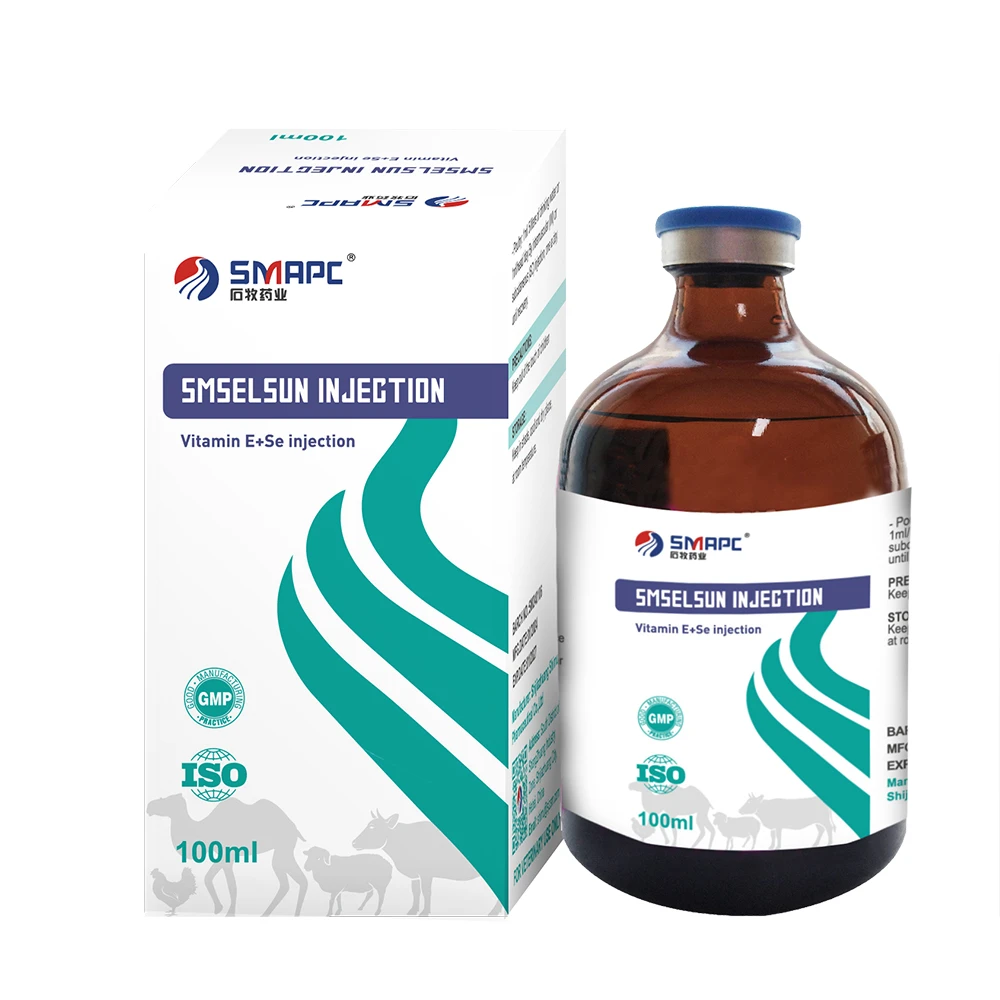
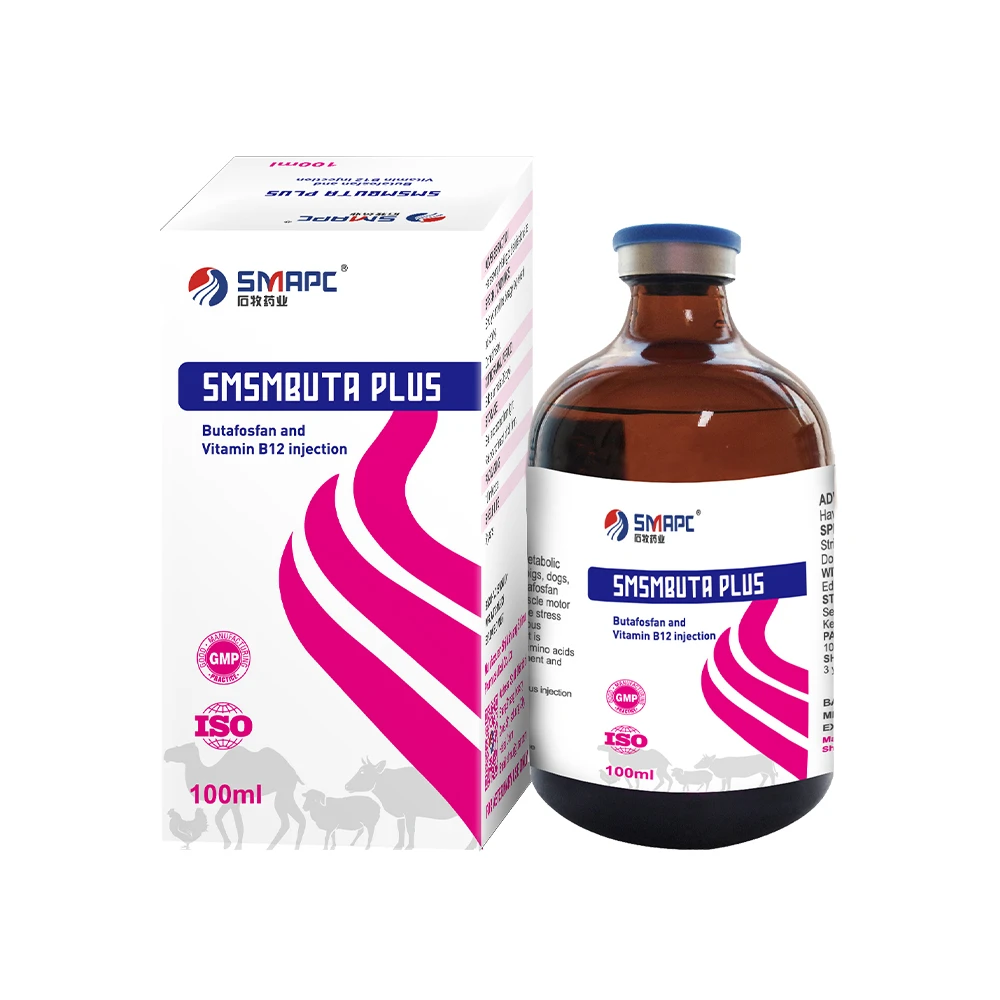
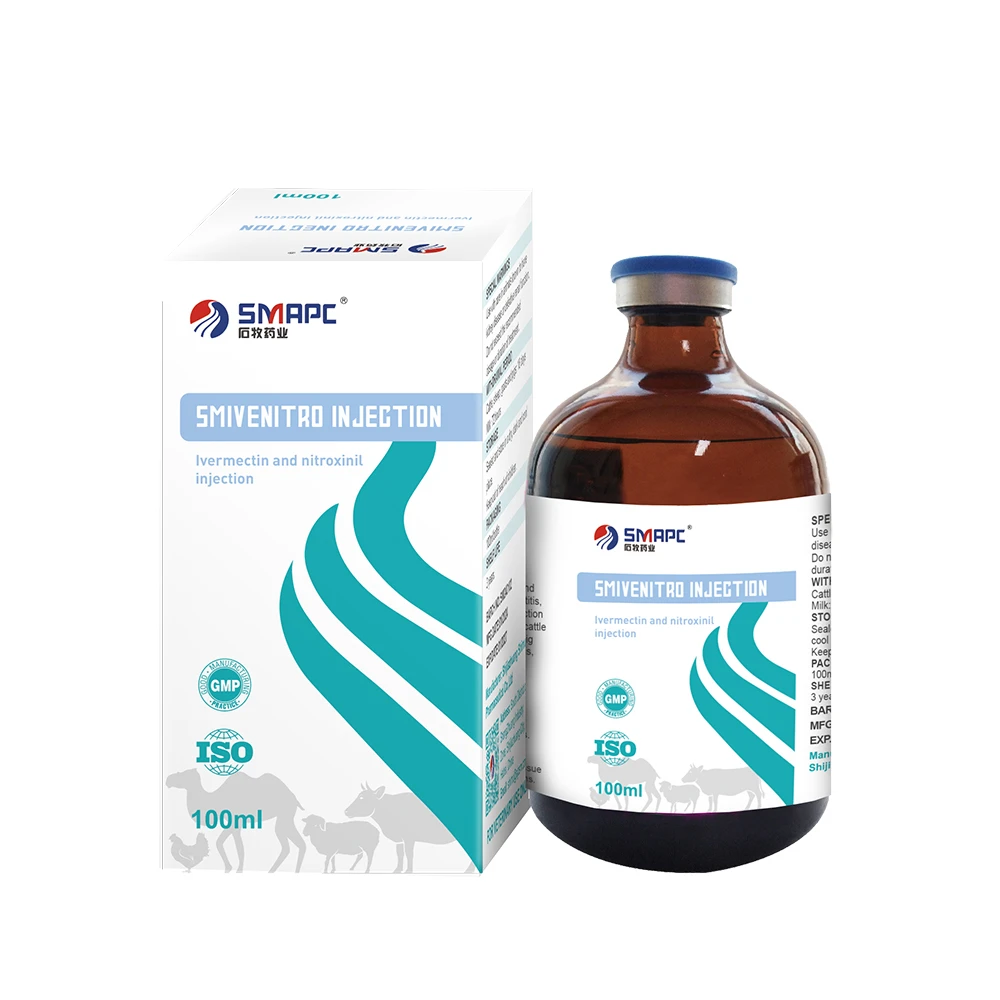
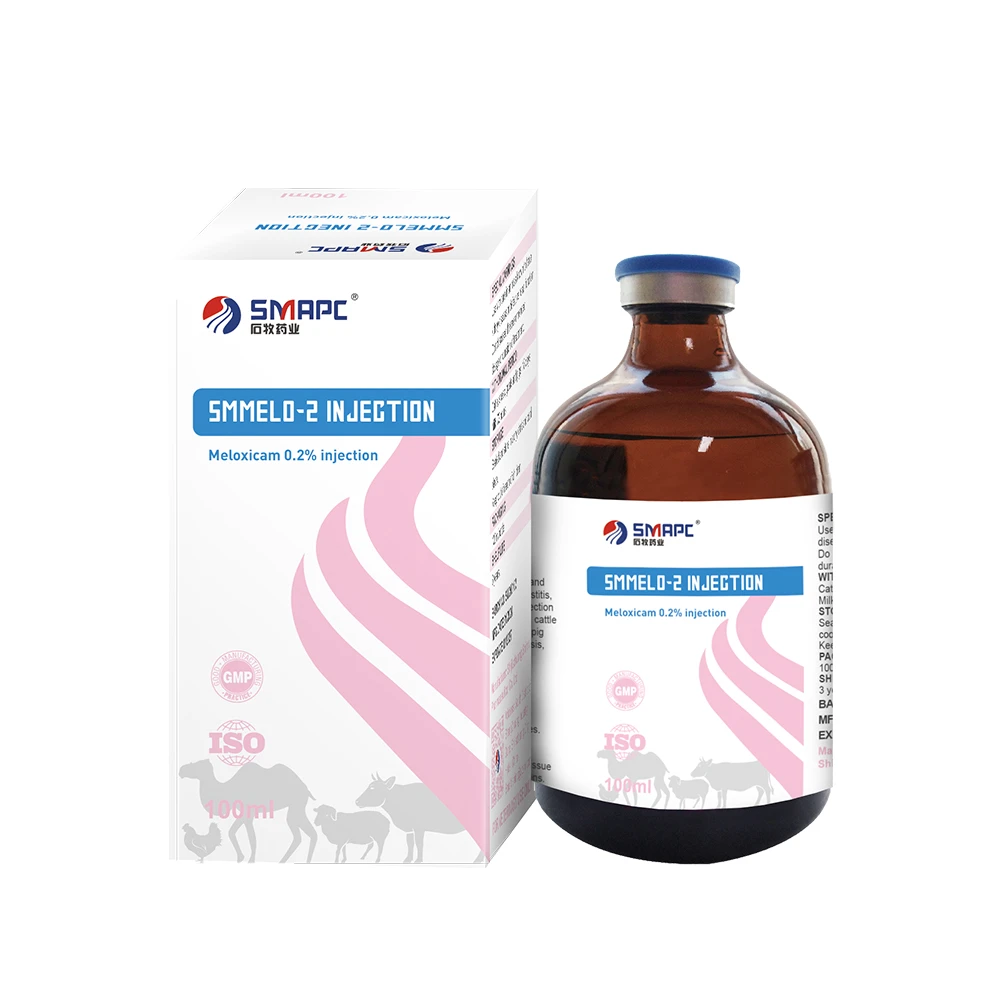
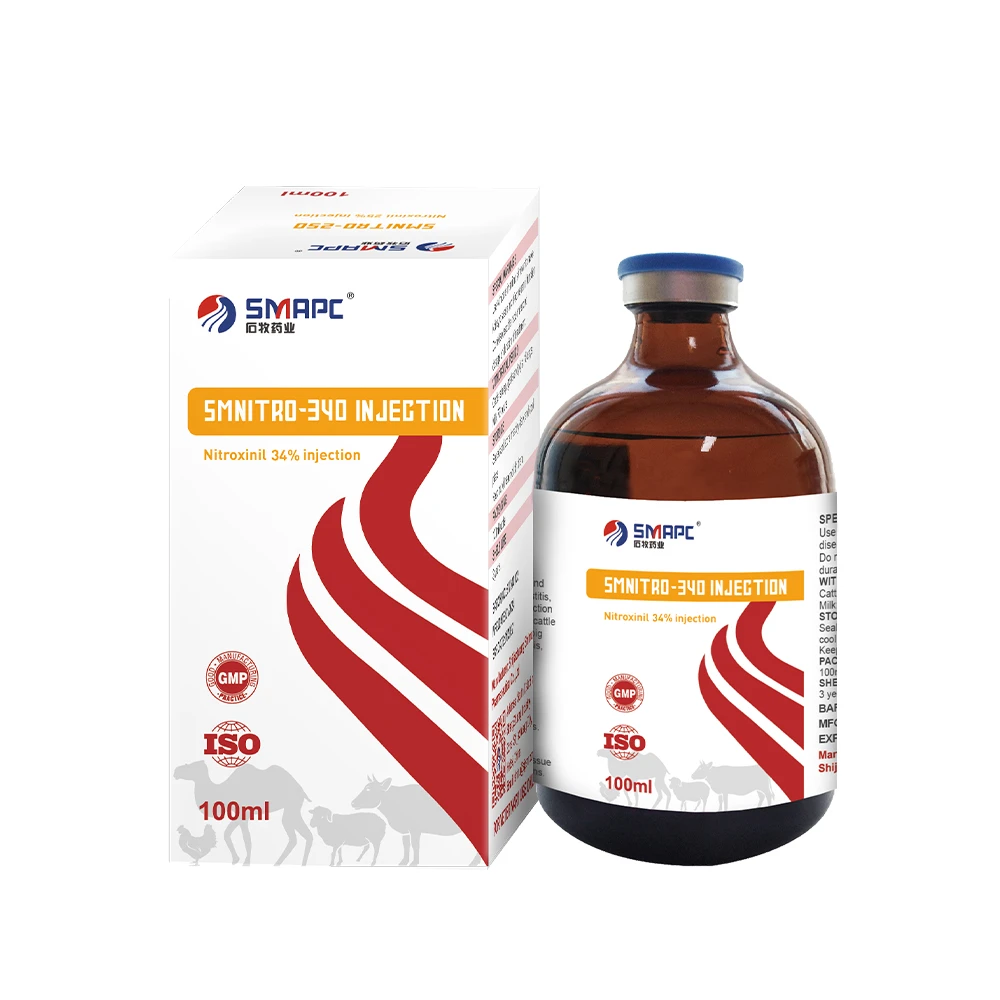
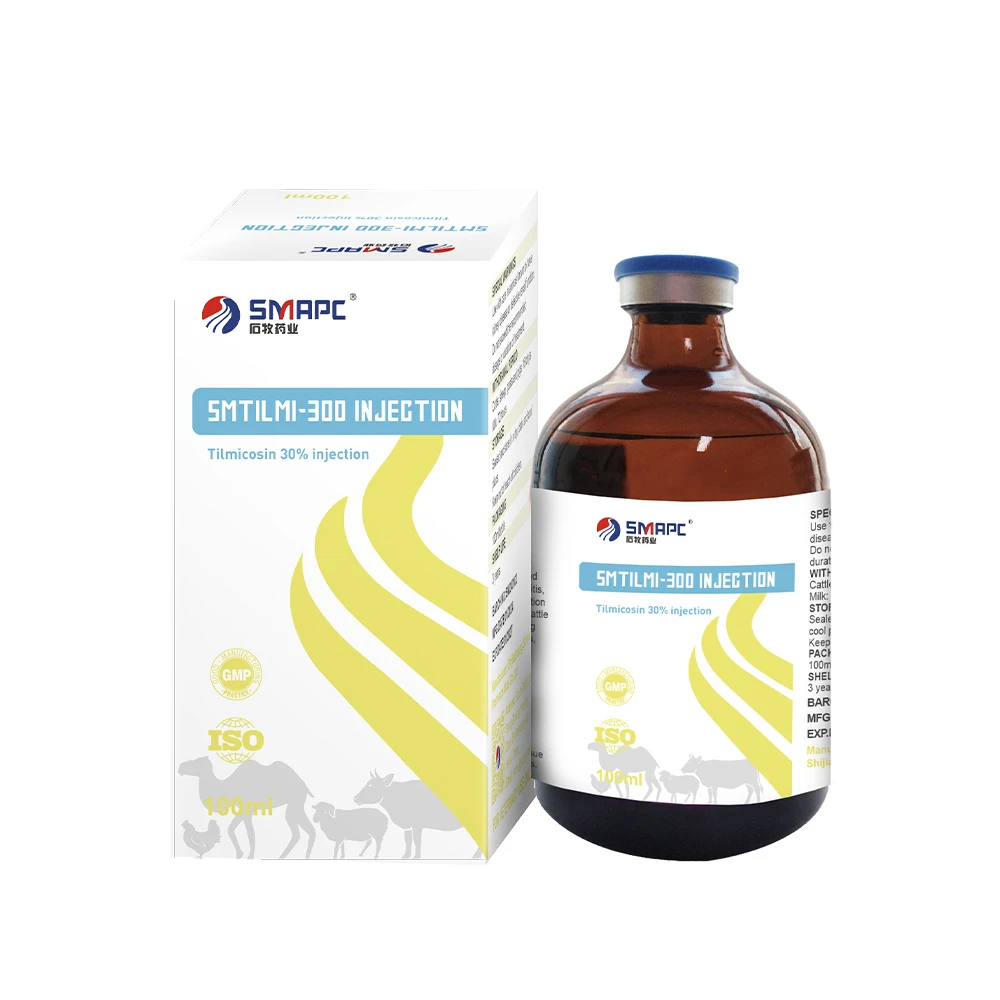
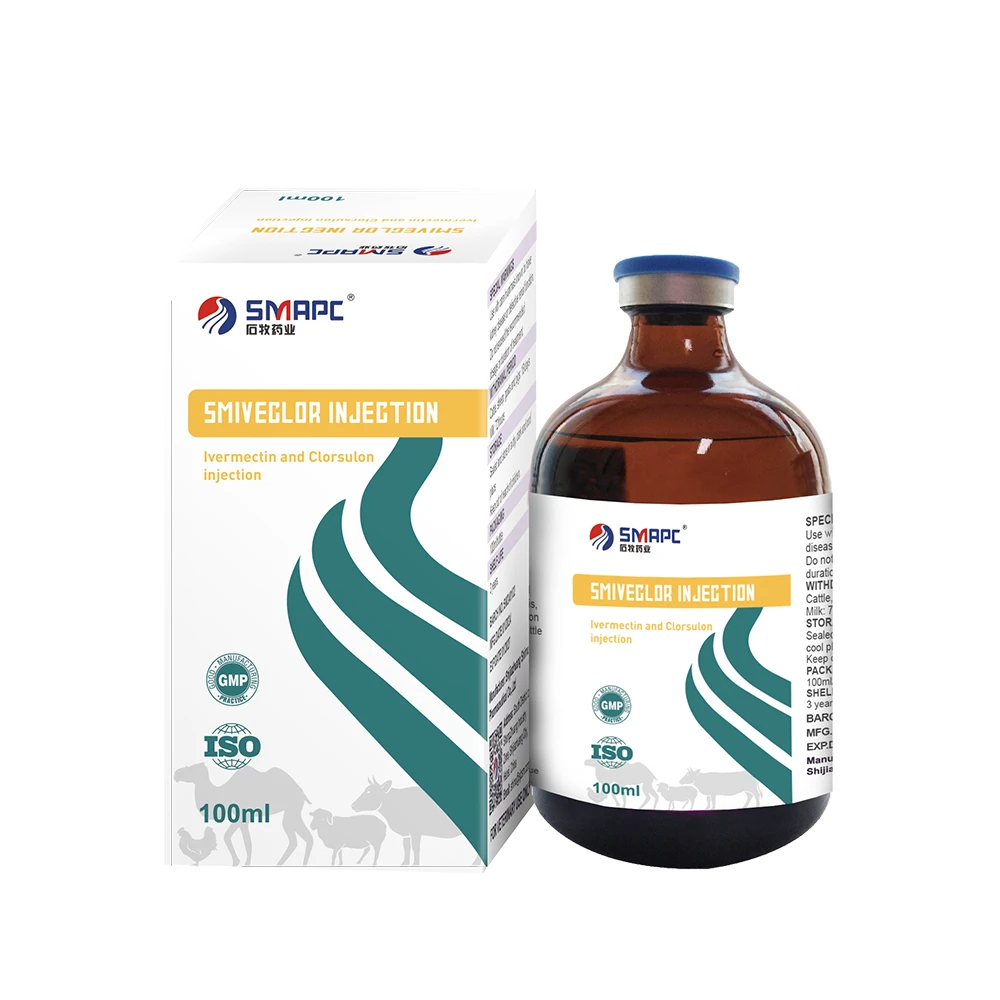
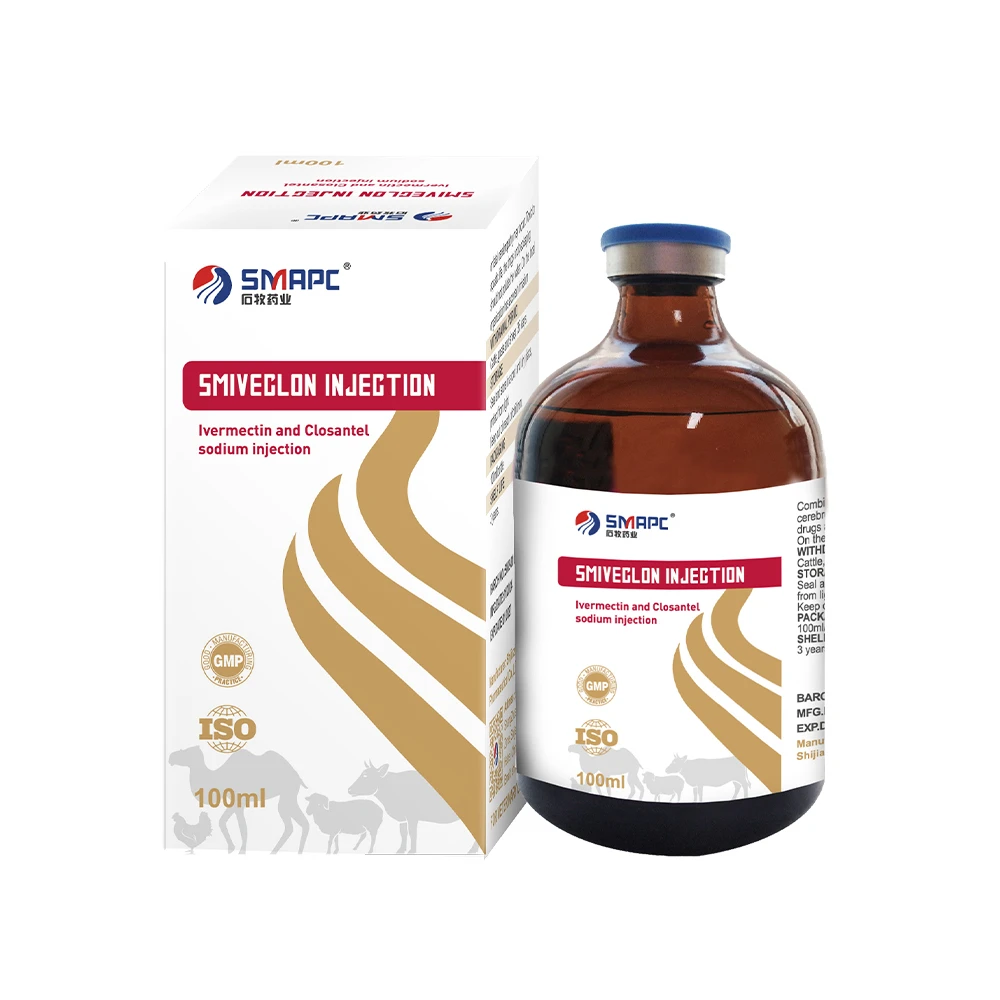
Simply put, cattle medicine suppliers are companies or distributors that provide pharmaceutical and health products designed specifically for cattle health management. This includes vaccines, antibiotics, antiparasitics, vitamins, and mineral supplements. Their work connects veterinary science, pharmaceutical manufacturing, and logistics — ensuring that products are safe, effective, and reach farmers and vets efficiently.
Modern cattle medicine suppliers increasingly incorporate sophisticated supply chain management and traceability, responding to regulatory demands and farmer needs alike. They are crucial in modern agriculture's efforts toward animal welfare and food safety.
Core Factors Defining Cattle Medicine Suppliers
1. Product Quality and Safety
When it comes to cattle medicines, quality literally means health — and sometimes life — for animals. Suppliers must comply with international standards like those from ISO or the World Organisation for Animal Health (WOAH). Ensuring purity, potency, and correct storage conditions is essential. I’ve read that suppliers who invest in rigorous testing protocols see significantly fewer rejected batches.
2. Supply Chain Reliability
Medicine supply isn’t just about products, but timely delivery. In rural or remote areas, delays could mean outbreaks or productivity drops. Suppliers establish cold chains, forecast demand, and build distribution networks that connect manufacturers to farms globally.
3. Cost Efficiency and Accessibility
Cattle farmers, especially smallholders, operate on thin margins. Suppliers that strike a balance between affordability and quality can expand their market reach while promoting animal health. Innovative approaches, like bulk packaging or generic brands, sometimes help reduce costs.
4. Technical Support & Education
Cattle medicine suppliers often double as educators, guiding vets and farmers on correct usage to combat misuse or resistance. Their value-added services improve overall outcomes and build trust.
5. Regulatory Compliance and Traceability
Different countries enforce diverse veterinary pharmaceutical rules. Suppliers must navigate these frameworks, maintain proper documentation, and often engage in product registration processes.
Global Applications & Use Cases
From New Zealand’s intensive dairy farms, where maximizing milk yield calls for meticulously managed animal health, to Ethiopia’s pastoralist communities, which rely on vaccines to protect their herds from endemic diseases like Rift Valley Fever, the role of cattle medicine suppliers is diverse and vital.
- Post-Disaster Relief: After floods or droughts, sudden spikes in animal diseases mean urgent demand for antibiotics and vitamins.
- Remote Industrial Zones: Mining or agricultural enterprises in remote regions depend on cattle medicine suppliers to maintain herd health with limited veterinary services.
- Government-led Livestock Programs: National vaccination campaigns or parasite control programs source products in bulk from trusted suppliers.
All these applications illustrate how cattle medicine suppliers align with agriculture, economic development, and humanitarian efforts.
Advantages & Long-Term Value of Reliable Cattle Medicine Suppliers
What’s really fascinating is how these suppliers don’t just deliver products — they enable trust, stability, and social dignity. Healthy cattle improve farmers' income and reduce dependency on emergency veterinary care. It’s also about sustainability; good preventive medicine reduces drug overuse, slowing antibiotic resistance.
Furthermore, farmers feel secure knowing they have dependable sources for specialized products—this emotional peace of mind is often overlooked. In real terms, it boosts rural economies and food security, ensuring a better future for communities.
Product Specification Table: Typical Cattle Medicine Product Example
| Product | Active Ingredient | Form | Dosage | Shelf Life |
|---|---|---|---|---|
| Bovine Vaccine RVF | Inactivated virus | Injectable | 2 ml per animal | 12 months |
| Oxytetracycline Injection | Oxytetracycline HCl | Injectable solution | 10 mg/kg bodyweight | 24 months |
Vendor Comparison Table: Top Cattle Medicine Suppliers
| Supplier | Product Range | Global Reach | Price Competitiveness | Technical Support |
|---|---|---|---|---|
| AgroVet Pharma | Extensive (Vaccines, Antibiotics, Supplements) | 60+ countries | Moderate | 24/7 Vet Hotline |
| Livestock Meds Co. | Focused (Antiparasitics, Mineral Blocks) | Regional (Africa & Asia) | Highly Competitive | On-site Training |
| BioFarm Solutions | Medium range (Vaccines, Supplements) | Global | Premium | Dedicated Account Managers |
Emerging Trends and Innovations
The terrain of cattle medicine suppliers is evolving rapidly. There's this growing push towards sustainability and green pharmaceuticals, aiming to produce medicines with lower environmental footprints. Digital transformation means suppliers increasingly implement blockchain for traceability, ensuring every vaccine batch's history is transparent. Automation in logistics—think drones delivering meds to remote farms—is no longer sci-fi but a developing reality in some countries.
Precision veterinary medicine, where diagnostics and treatments are customized for individual animals, is also gaining traction. It feels like the future is not just bigger, but smarter and more responsive to real-time health data.
Challenges Faced by Cattle Medicine Suppliers
Despite all these advances, challenges abound. Cold chain logistics in extreme climates can fail, leading to wasted medicines. Regulatory diversity means suppliers must juggle complex registration and compliance processes. Not to mention, rural farmers often mistrust new medications without clear education.
Many suppliers counter these limits by partnering with NGOs or local governments, offering training programs, subsidized costs, or innovative packaging to ensure medicines are used correctly and reach those who need them.
FAQ: Frequently Asked Questions About Cattle Medicine Suppliers
- What types of medicines do cattle medicine suppliers typically provide?
- They offer vaccines, antibiotics, antiparasitics, vitamins, and mineral supplements tailored specifically for cattle health management.
- How do suppliers ensure the medicines reach remote cattle farmers?
- Suppliers use cold chain logistics, collaborate with regional distributors, and sometimes employ new delivery methods like drone transport for remote areas.
- Is veterinary medicine for cattle regulated internationally?
- Regulations vary by country, but most suppliers comply with international standards such as those by ISO and the World Organisation for Animal Health (WOAH).
- How can smallholder farmers access affordable cattle medicines?
- Many suppliers offer generic medicines, bulk buying options, or partner with local organizations to subsidize costs for small-scale farmers.
- What role do cattle medicine suppliers play in combating antibiotic resistance?
- They educate farmers and vets on responsible medication use and invest in developing alternative therapies to reduce unnecessary antibiotic use.
Conclusion & Call to Action
Understanding cattle medicine suppliers means appreciating a linchpin in global agriculture and food security. They’re more than vendors — they’re partners helping farmers maintain healthier herds, ensure sustainability, and boost rural livelihoods. If you want the best in veterinary pharmaceuticals and expert advice, I encourage you to explore trusted resource networks like cattle medicine suppliers who marry quality, accessibility, and innovation.
In the long run, supporting reliable cattle medicine suppliers pays dividends in animal welfare, economic growth, and safer food supplies worldwide.
Here’s to healthier herds and stronger communities.
Takeaway: Reliable cattle medicine suppliers are essential for global animal health, rural economies, and sustainable food systems—knowing their dynamics helps everyone involved in livestock thrive.
- Food and Agriculture Organization of the United Nations (FAO). Livestock's Long Shadow. 2006.
- World Organisation for Animal Health (WOAH). Terrestrial Animal Health Code.
- International Organization for Standardization (ISO). ISO 9001 Quality Management Systems.
-
Choosing the Best Worm Medicine for Goats for Herd HealthNewsApr.16,2026
-
Comprehensive Guide to Professional Goat Medication and Herd HealthNewsApr.09,2026
-
Comprehensive Tick Treatment for Sheep A Guide to Control and PreventionNewsApr.07,2026
-
Comprehensive Guide to Effective Mite Treatment for Goats and PreventionNewsApr.04,2026
-
Comprehensive Veterinary Medicine for Sheep Health and Disease PreventionNewsMar.31,2026
-
Comprehensive Guide to Goat Health and Effective Goats Medicine SolutionsNewsMar.28,2026