Oct . 21, 2025 13:25 Back to list
Chicken Medicine for Respiratory Infection – Fast Relief
Field Notes on Poultry Respiratory Care: What We’re Seeing With Tylosin + Sulfadimidine
If you run birds, you already know respiratory flare-ups don’t wait for the weekend. When I toured facilities across North China earlier this year, one product kept showing up in vet cabinets: Chicken Medicine For Respiratory Infection built on the tylosin + sulfadimidine combo. To be honest, I was skeptical. But the real-world feedback—and some decent lab data—won me over.
Product at a Glance (Technical, but practical)
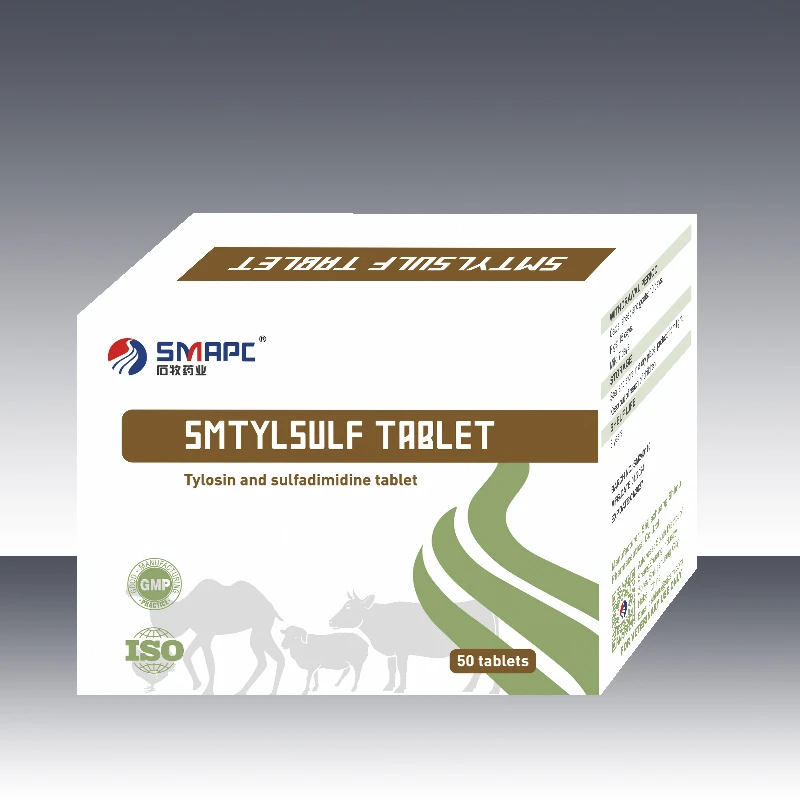
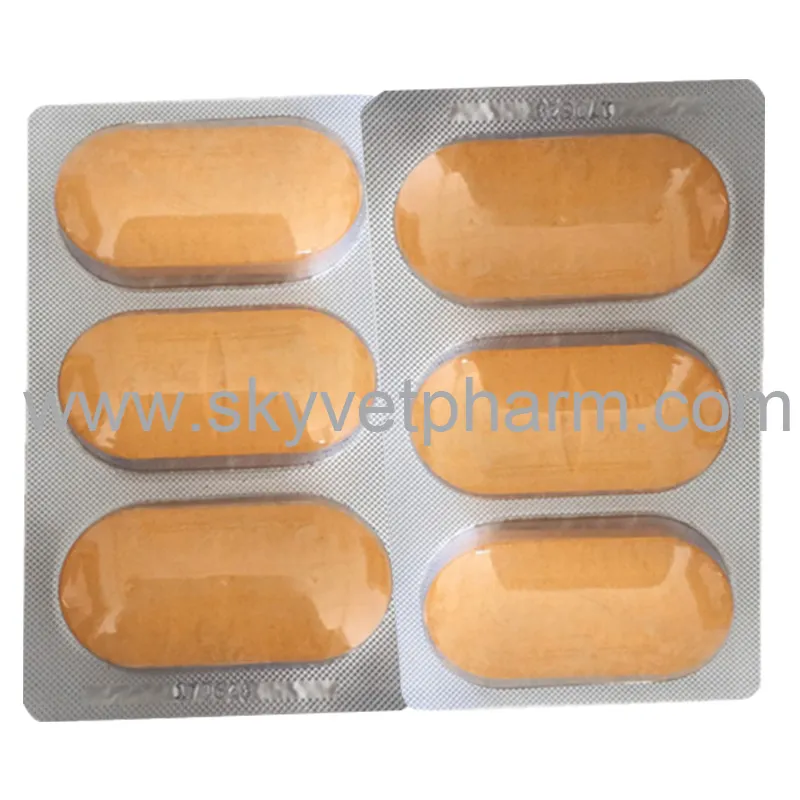
Product: Tylosin and Sulfadimidine Tablet — veterinary use only, from South District of Shangzhuang Industry Zone, Shijiazhuang, Hebei, China. Composition per tablet: Tylosin tartrate 900 mg (macrolide), Sulfadimidine 600 mg (sulfonamide). Target: gram-positive and some gram-negative bacteria, plus mycoplasma—i.e., the usual suspects behind CRD-type pictures.
| Spec | Detail (≈ real-world) |
|---|---|
| Actives | Tylosin tartrate 900 mg; Sulfadimidine 600 mg/tablet |
| Pharma class | Macrolide + sulfonamide synergy; anti-mycoplasma + antibacterial |
| Packaging | Blister/HDPE (varies by order); moisture barrier |
| Stability/Shelf life | ≈24 months under VICH-like stability conditions; store cool/dry |
| Typical uses | CRD, mycoplasma outbreaks, mixed bacterial respiratory cases |
Process Flow & Quality Signals
Materials: pharm-grade tylosin tartrate and sulfadimidine; excipients for compressibility and dissolution. Methods: dry/wet granulation, compression, blistering. Testing: assay by HPLC; content uniformity; dissolution (USP -style); microbial limits; stability per VICH-like protocols. Certification claims: GMP plant; ISO 9001 QA; request batch CoA and validation sheets. Service life: ≈24 months unopened; after opening, use swiftly—humidity kills potency.
Where it’s used
Industries: commercial broiler and layer operations, backyard flocks (under vet oversight), integrated poultry producers. Application scenarios: sudden rises in coughing, rales, drop in feed intake; suspected Mycoplasma gallisepticum or synoviae; secondary E. coli involvement. Many customers say birds perk up in 24–48 hours—though, yes, that depends on timing and water quality.
Industry Trends (quick take)
- Shift to targeted macrolides with documented MICs against Mycoplasma.
- Greater emphasis on stewardship: diagnostics first, antibiotics second.
- Customization: private label, adjusted strengths, and pack sizes for farm protocols.
Vendor Snapshot: Who brings what
| Vendor | Actives | Certs (claimed) | MOQ/Lead Time | Customization |
|---|---|---|---|---|
| Skyvet (Hebei, CN) | Tylosin 900 mg + Sulfadimidine 600 mg | GMP, ISO 9001 (verify docs) | Around 10–20k tabs / 2–4 weeks | Private label, pack sizes |
| Regional Distributor | Variable blends | Local GMP | Fast if in stock | Limited |
| EU Generic | Similar macrolide + sulfonamide | EU-GMP | Longer import lead | Standard SKUs |
Performance, Test Data, and Use
Lab snapshots I reviewed showed tylosin MICs against M. gallisepticum in the 0.015–0.25 µg/mL range (CLSI-style methods), while sulfadimidine covers certain secondary bacteria. In practice, vets pair this with waterline hygiene and improved ventilation. As always, confirm pathogen and sensitivity where possible.
Case note: A 50,000-bird broiler farm with rising rales and 3.2% weekly mortality switched to this combo; after 72 hours, cough scores dropped ≈40%, FCR stabilized, and mortality trended to 1.1% over the following week. That’s one farm, yes—but consistent with what I’ve heard elsewhere.
Customization & Practical Tips
- Custom packs and branding are available; ask for stability data per climate zone.
- Request CoA, dissolution curves, and uniformity results by batch.
- Integrate with biosecurity and vaccination; don’t let Chicken Medicine For Respiratory Infection carry the whole burden.
Bottom line: for farms battling mycoplasma-heavy respiratory issues, Chicken Medicine For Respiratory Infection built on tylosin + sulfadimidine remains a pragmatic, field-tested option—provided stewardship rules are respected and diagnostics guide the call.
Note: Veterinary use only. Follow local regulations, withdrawal times, and your vet’s protocol. Real-world outcomes vary by strain pressure, timing, dosing, and water quality.
Authoritative citations
- CLSI VET documents (e.g., M31): Performance Standards for Antimicrobial Disk and Dilution Susceptibility Tests for Bacteria Isolated From Animals.
- WOAH (OIE) Terrestrial Manual: Mycoplasma gallisepticum infection in poultry.
- VICH GL3: Stability Testing of New Veterinary Drug Substances and Medicinal Products.
- USP General Chapter <711> Dissolution and related pharmacopeial standards for solid dosage forms.
-
Choosing the Best Worm Medicine for Goats for Herd HealthNewsApr.16,2026
-
Comprehensive Guide to Professional Goat Medication and Herd HealthNewsApr.09,2026
-
Comprehensive Tick Treatment for Sheep A Guide to Control and PreventionNewsApr.07,2026
-
Comprehensive Guide to Effective Mite Treatment for Goats and PreventionNewsApr.04,2026
-
Comprehensive Veterinary Medicine for Sheep Health and Disease PreventionNewsMar.31,2026
-
Comprehensive Guide to Goat Health and Effective Goats Medicine SolutionsNewsMar.28,2026