Dec . 05, 2025 01:00 Back to list
Comprehensive Guide to Cattle Meds: Benefits, Uses, and Future Trends
Understanding Cattle Meds: Essential Tools for Global Livestock Health
If you’re involved in animal husbandry or veterinary care, the phrase cattle meds probably rings a bell. But beyond just being “medicine for cows,” cattle meds are a critical piece of a globally significant puzzle — ensuring the health, productivity, and humane treatment of livestock that millions depend on for food security, income, and livelihoods. Gaining a sound understanding of cattle medications offers benefits not just for veterinarians or farmers, but also for industries and consumers worldwide who value sustainable and responsible meat and dairy production.
Oddly enough, while cattle meds may not grab headlines like human pharmaceuticals, their influence spans from remote farms in sub-Saharan Africa to industrial feedlots in the US and beyond. In this article, we’ll break down what cattle meds really are, why they matter on a global scale, and how emerging trends are shaping their future.
Introduction: The Global Context of Cattle Meds
Globally, cattle farming plays a pivotal role in both developing and developed economies. According to FAO data, there are over 1 billion cattle worldwide, contributing over 40% of global meat and dairy production.[1] This scale of livestock demands effective disease control and health management—which is exactly where cattle meds come in.
However, challenges abound: rising antibiotic resistance, limited access to veterinary services in rural areas, and fluctuating costs of medicines make cattle health a complex issue. Thus, appropriate and innovative cattle meds can alleviate many of these challenges, promoting animal welfare and boosting farmer resilience.
Definition & Meaning: What Are Cattle Meds?
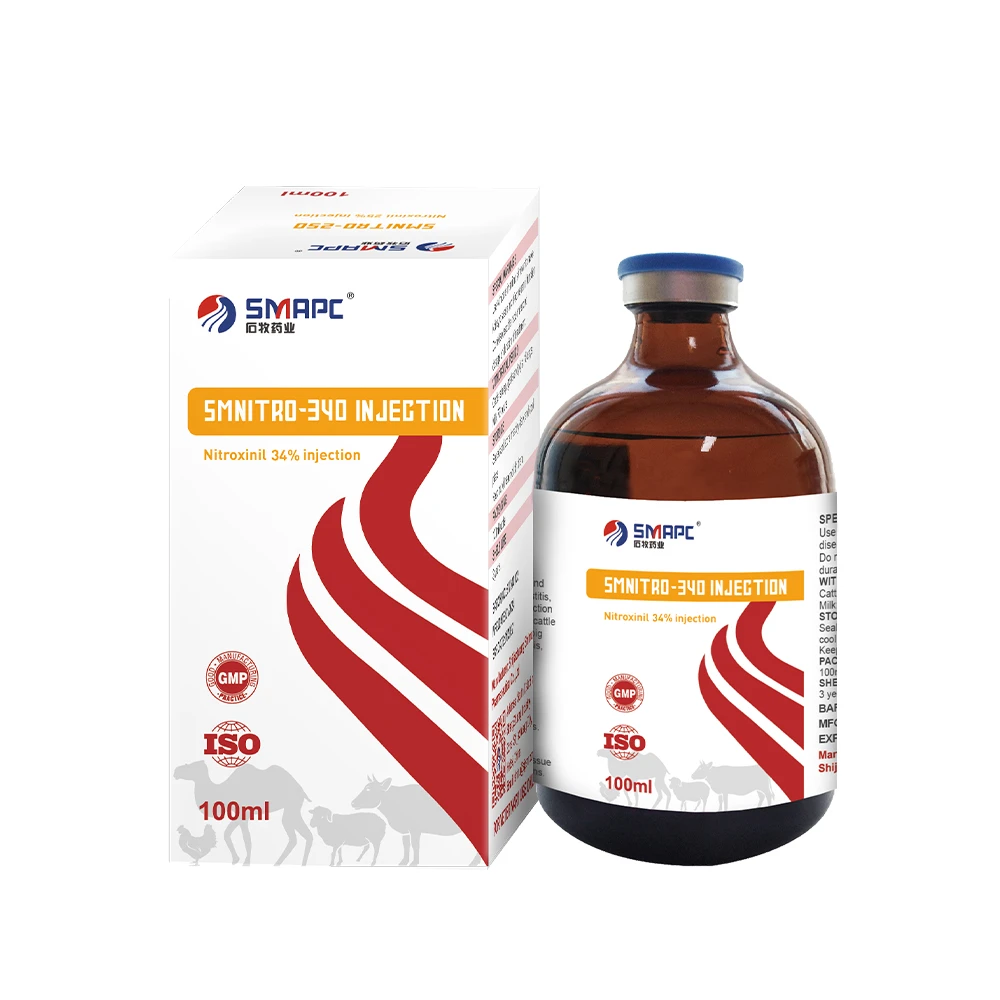
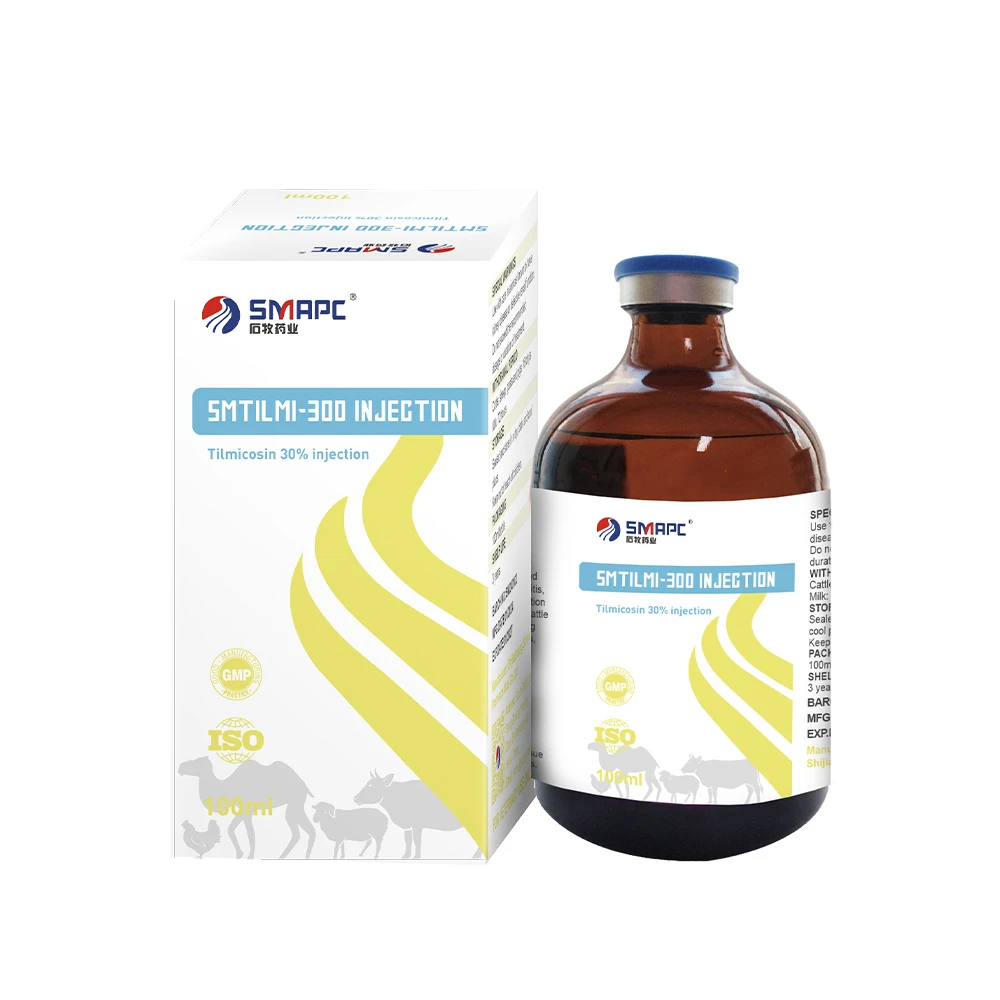
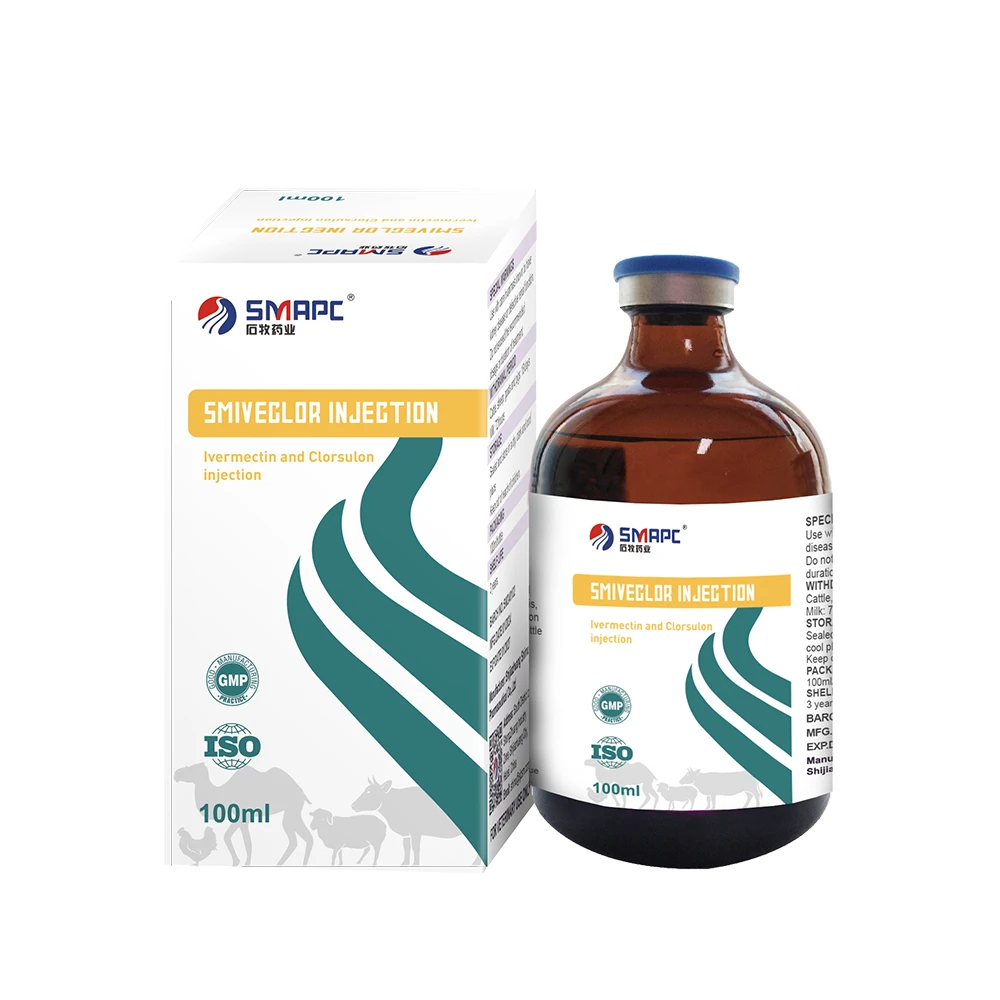
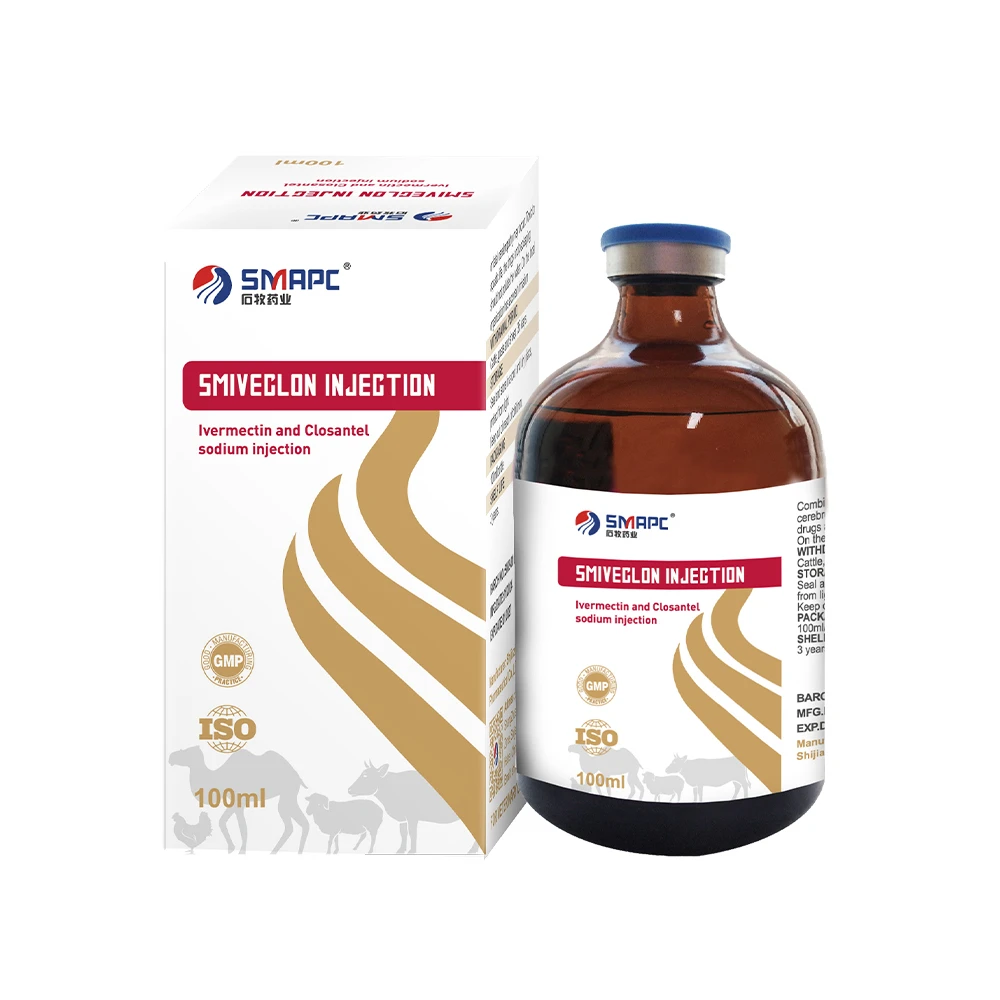
Put simply, cattle meds are pharmaceutical products formulated specifically to treat, prevent, or diagnose diseases in cattle. These include antibiotics, vaccines, antiparasitics, hormonal treatments, and mineral supplements. They form the backbone of modern livestock management, enabling farmers and vets to respond promptly to illnesses and support productive animals.
Today, with industrial livestock systems thriving and humanitarian efforts to sustain pastoral communities underway, cattle meds are not just about disease—they intersect with food security, economic stability, and even global trade standards.
Key Factors of Cattle Meds
1. Efficacy and Spectrum of Activity
A good cattle medication must effectively target the disease-causing agents—this means broad-spectrum antibiotics or highly specific vaccines, depending on the condition. Frankly, an ineffective drug only wastes resources and risks animal health.
2. Safety and Residue Considerations
Residue withdrawal periods and safety margins are paramount. Cattle meds must clear from the animal’s system before products like milk and meat enter the food chain. It’s a delicate balance between treating animals and ensuring consumer safety.
3. Cost Efficiency and Accessibility
For smallholder farmers, affordability and availability are major concerns. Low-cost, easy-to-administer meds that don’t require complex cold chains are game changers in many regions.
4. Regulatory Compliance and Standards
Cattle meds must meet country-specific regulations, including approvals from veterinary authorities and compliance with standards like the OIE’s animal health codes. This ensures quality and international trade compatibility.
5. Formulation and Delivery Methods
From injectables and oral powders to pour-on solutions, diverse formulations allow for tailored treatment protocols that fit different farming systems and animal behaviors.
In essence, the best cattle meds strike a careful balance between effectiveness, safety, economic viability, and ease of use.
Global Applications & Use Cases
The deployment of cattle meds varies widely: in industrialized nations, integrated veterinary programs use vaccines and antibiotics to manage herd health systematically. For example, the US and EU beef industries routinely implement multi-vaccine protocols to prevent respiratory and reproductive diseases.
Meanwhile, in emerging economies and humanitarian settings—such as drought-stricken regions of East Africa—cattle meds aid in crisis management. NGOs and government agencies distribute antiparasitics to combat tick-borne illnesses that decimate herds crucial for subsistence.
Interestingly, some remote industrial zones (like mining camps in South America) maintain onsite veterinary supplies to support cattle essential for local food systems and workforce nutrition.
| Medicine Type | Common Uses | Administration | Typical Dosage Form | Withdrawal Period |
|---|---|---|---|---|
| Antibiotics (e.g., oxytetracycline) | Treat bacterial infections | Injection/Oral | Liquid/Tablet | 7–21 days |
| Vaccines (e.g., brucellosis vaccine) | Prevent infectious diseases | Injection | Freeze-dried powder | N/A |
| Antiparasitics (e.g., ivermectin) | Control internal/external parasites | Oral/Injectable/Pour-on | Liquid/Topical | Variable |
| Hormonal treatments (e.g., prostaglandins) | Reproductive management | Injection | Liquid | 7–14 days |
Advantages & Long-Term Value of Cattle Meds
- Economic Sustainability: By reducing disease losses, cattle meds improve herd productivity, which translates to better income for farmers.
- Food Safety: Careful use and adherence to withdrawal periods maintain product quality and consumer trust.
- Animal Welfare: Prompt treatment eases animal suffering and promotes healthier, more resilient herds.
- Environmental Impact: Effective meds can reduce overuse and misuse of antibiotics, aiming to lower resistance risks.
On an emotional level, it’s about preserving dignity—for the farmer, who depends heavily on these animals, and the animals themselves, which deserve proper care and humane treatment.
Future Trends & Innovations
We’re witnessing several exciting advances in cattle meds. Digital tools—including smart ear tags and herd management software—are helping vets track treatment outcomes and optimize dosages.
Biotechnology breakthroughs are creating vaccines that are more heat-stable, vital for hot climates lacking refrigeration. Meanwhile, precision medicine concepts are pushing tailored treatments that factor breed, environment, and genetics.
On the sustainability front, alternative medicines and natural products are gaining traction to reduce antibiotic dependency. Policies encouraging judicious use are also strengthening worldwide.
Challenges & Solutions in Cattle Meds
Despite progress, challenges persist. Resistance to antibiotics is arguably the biggest threat. Poor-quality or counterfeit meds seep into supply chains, especially in low-income regions.
Addressing these calls for:
- Robust regulatory enforcement.
- Greater farmer education on responsible use.
- Innovative formulations like long-acting injectables that minimize dosing frequency.
Many experts see collaborative partnerships between governments, private sector, and NGOs as vital to overcoming these hurdles.
Vendor Comparison: Leading Cattle Med Suppliers
| Vendor | Product Range | Global Reach | Regulatory Certifications | Notable Strength |
|---|---|---|---|---|
| Zoetis | Comprehensive (vaccines, antibiotics, parasiticides) | 180+ countries | FDA, EMA, OIE | Global R&D and innovation |
| Bayer Animal Health | Vaccines, antiparasitics | Worldwide | FDA, EMA | Advanced antiparasitic tech |
| Elanco | Antibiotics, vaccines | Over 90 countries | FDA, EMA | Focus on antibiotic stewardship |
FAQ: Common Questions About Cattle Meds
Q1: How often should cattle vaccines be administered?
A: Vaccination schedules vary by disease and region, but most protocols require annual boosters after initial priming. Your local vet can tailor timing based on local disease risks and herd status.
Q2: Can farmers administer cattle meds themselves?
A: While some treatments like pour-ons are designed for farmer use, injections and prescribed antibiotics should be administered or supervised by professionals to avoid misuse and resistance.
Q3: Are cattle meds safe for dairy cattle producing milk for human consumption?
A: Yes, provided strict adherence to withdrawal periods and dosage instructions. Milk samples are often tested to ensure residue levels meet safety standards.
Q4: What alternatives exist to antibiotics for parasite control?
A: Integrated parasite management includes pasture rotation, selective breeding for resistance, and natural products like essential oils, but antiparasitic drugs remain a key tool.
Q5: How can NGOs source quality cattle medications for rural areas?
A: Partnering with certified suppliers and leveraging bulk purchasing programs helps ensure quality. Training sessions on storage and administration complement this to maximize impact.
Conclusion
The right cattle meds are vital not only for animal health but for the broader goals of sustainable agriculture, food security, and economic welfare. Whether you’re a farmer, vet, or involved in agricultural development, understanding the nuances of cattle meds empowers you to make informed, responsible choices.
Curious to explore a trusted source of quality cattle meds? Visit our website: cattle meds.
It’s fascinating how these medicines, often overlooked, quietly support vast global systems that feed billions. Next time you enjoy a dairy product or a steak, you might just spare a thought for the tiny vial that helped keep that animal healthy.
-
Choosing the Best Worm Medicine for Goats for Herd HealthNewsApr.16,2026
-
Comprehensive Guide to Professional Goat Medication and Herd HealthNewsApr.09,2026
-
Comprehensive Tick Treatment for Sheep A Guide to Control and PreventionNewsApr.07,2026
-
Comprehensive Guide to Effective Mite Treatment for Goats and PreventionNewsApr.04,2026
-
Comprehensive Veterinary Medicine for Sheep Health and Disease PreventionNewsMar.31,2026
-
Comprehensive Guide to Goat Health and Effective Goats Medicine SolutionsNewsMar.28,2026