Jan . 29, 2026 17:10 Back to list
Comprehensive Guide to Cow Cough Treatment and Prevention with Effective Medicine
Understanding and Treating Cow Cough: A Veterinary Guide
Respiratory issues are a common concern for cattle farmers, and a persistent cow cough can be indicative of several underlying conditions. Early detection and appropriate treatment are crucial to minimize economic losses and ensure animal welfare. This article provides an in-depth look at the causes, symptoms, and effective treatment options for cow cough, with a focus on pharmaceutical solutions from Sky Vet Pharm. Addressing cow cough promptly is vital for maintaining a healthy herd and maximizing productivity.
Common Causes of Cow Cough
Several factors can contribute to cow cough, ranging from infectious agents to environmental irritants. The most prevalent causes include bacterial infections (like Mannheimia haemolytica, Pasteurella multocida, and Histophilus somni), viral infections (such as bovine respiratory syncytial virus - BRSV, and infectious bovine rhinotracheitis - IBR), and mycoplasmal pneumonia. Stressors like weaning, transport, commingling of animals, and poor ventilation can weaken the immune system and predispose cattle to respiratory disease. Dust, mold, and ammonia in the air can also irritate the respiratory tract, triggering coughing. Proper management practices and proactive health monitoring are essential for preventing these issues.
Key Considerations: Stressors, environmental conditions, and underlying immune function play crucial roles in the development of cow cough. Addressing these factors alongside medical treatment is vital for long-term herd health.
Recognizing the Symptoms of Cow Cough
Early symptom recognition is paramount for effective treatment. Key signs of cow cough include frequent coughing (dry or productive), nasal discharge (clear, mucopurulent, or bloody), labored breathing (visible abdominal effort), fever, loss of appetite, and lethargy. In severe cases, cattle may exhibit pneumonia, characterized by crackling sounds in the lungs upon auscultation. The severity of symptoms can vary depending on the causative agent and the animal’s overall health. Regular observation and prompt veterinary attention are crucial.
Key Symptoms:
• Frequent coughing
• Nasal discharge
• Labored breathing
• Fever and loss of appetite
Effective Cow Cough Medicine Options from Sky Vet Pharm
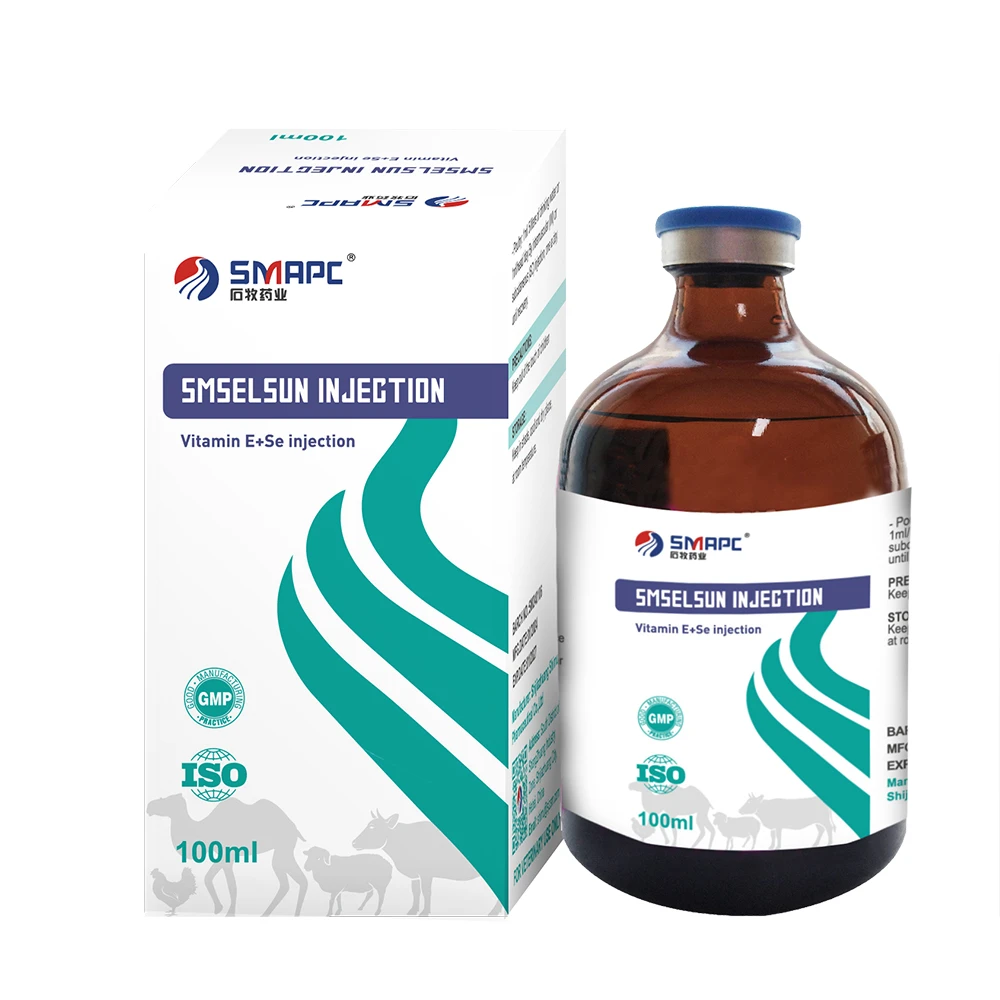
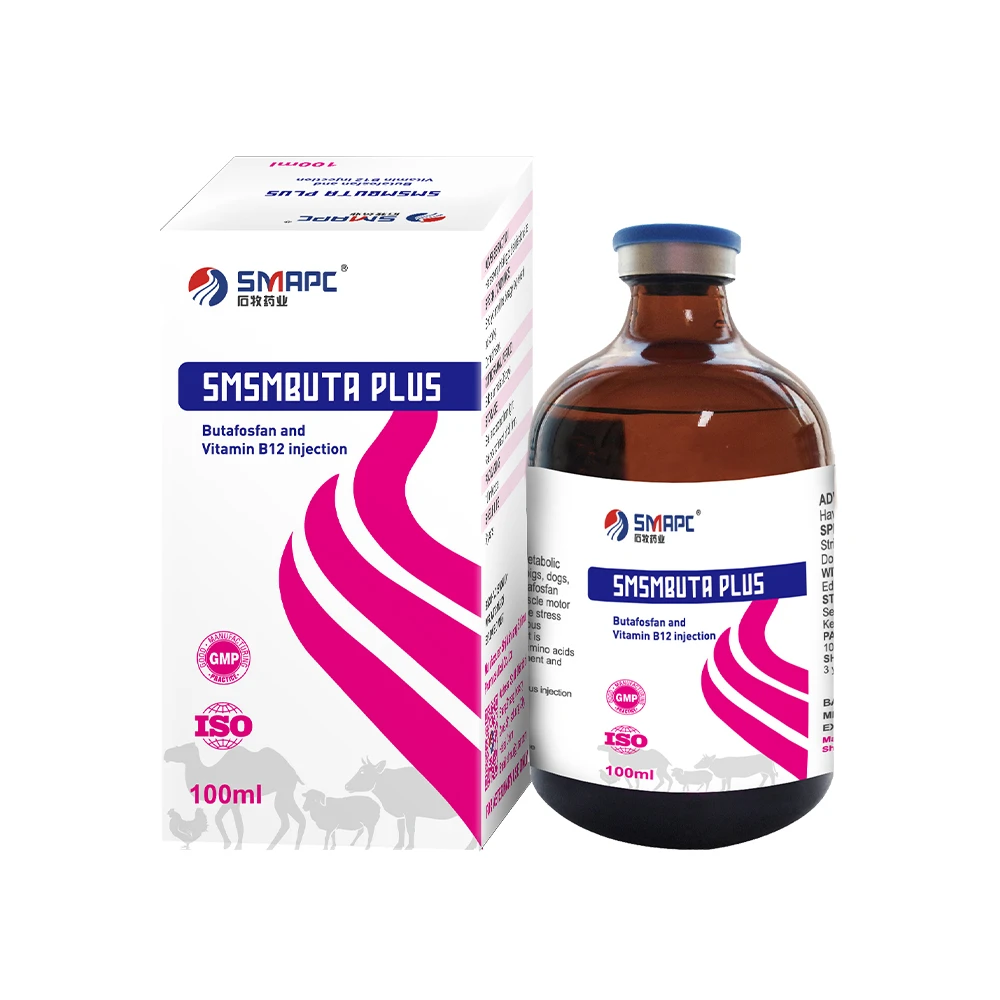
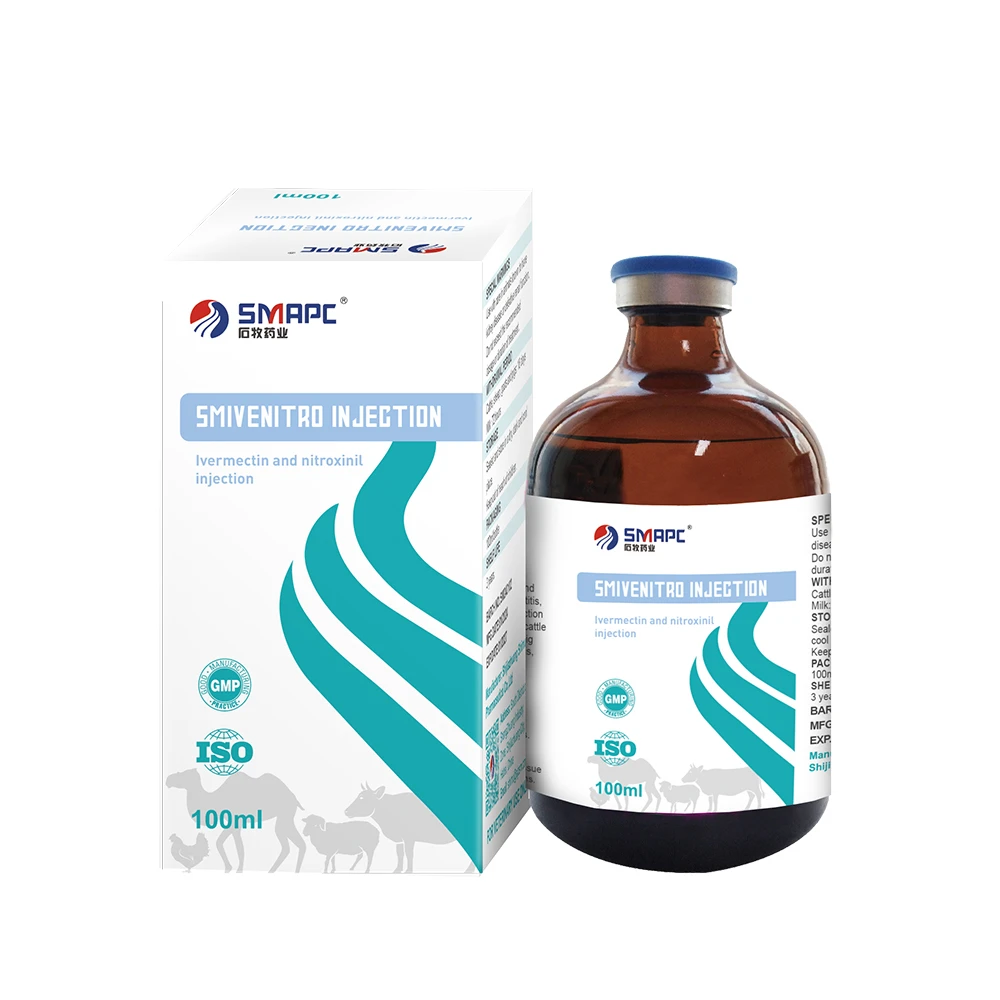
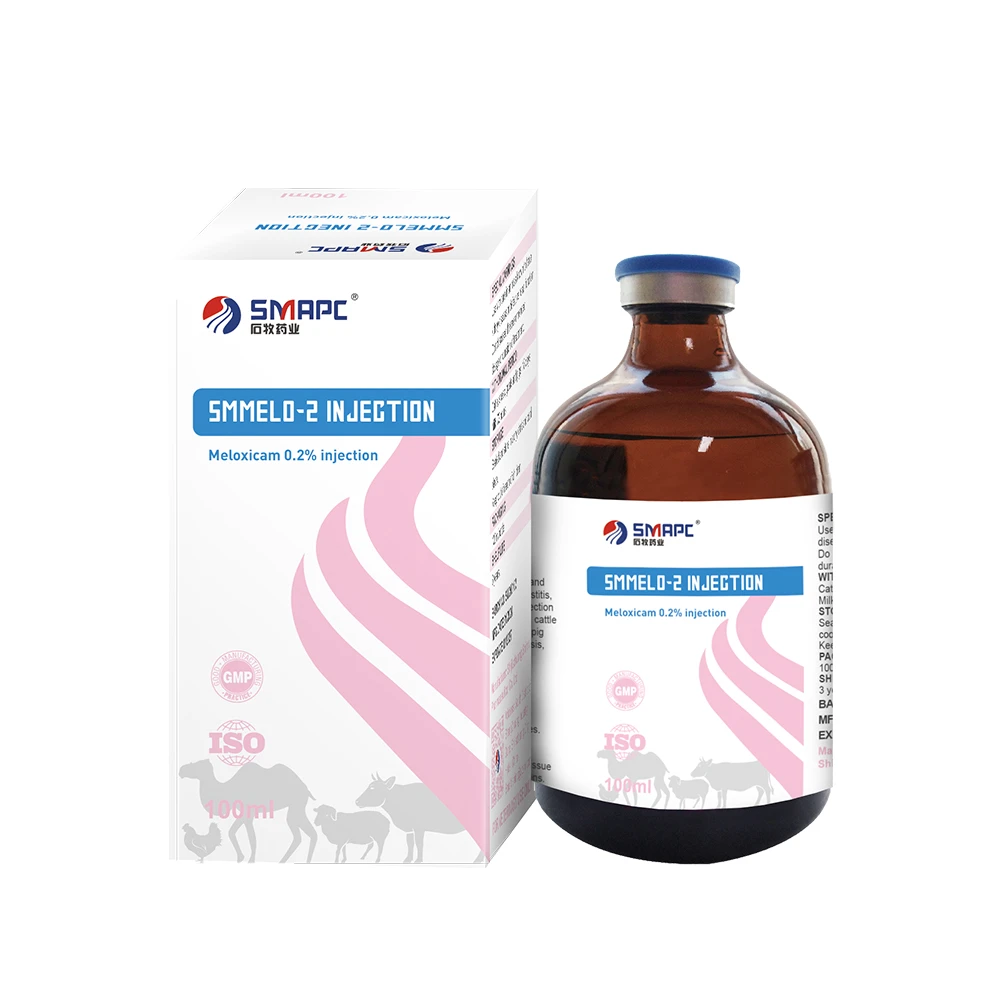
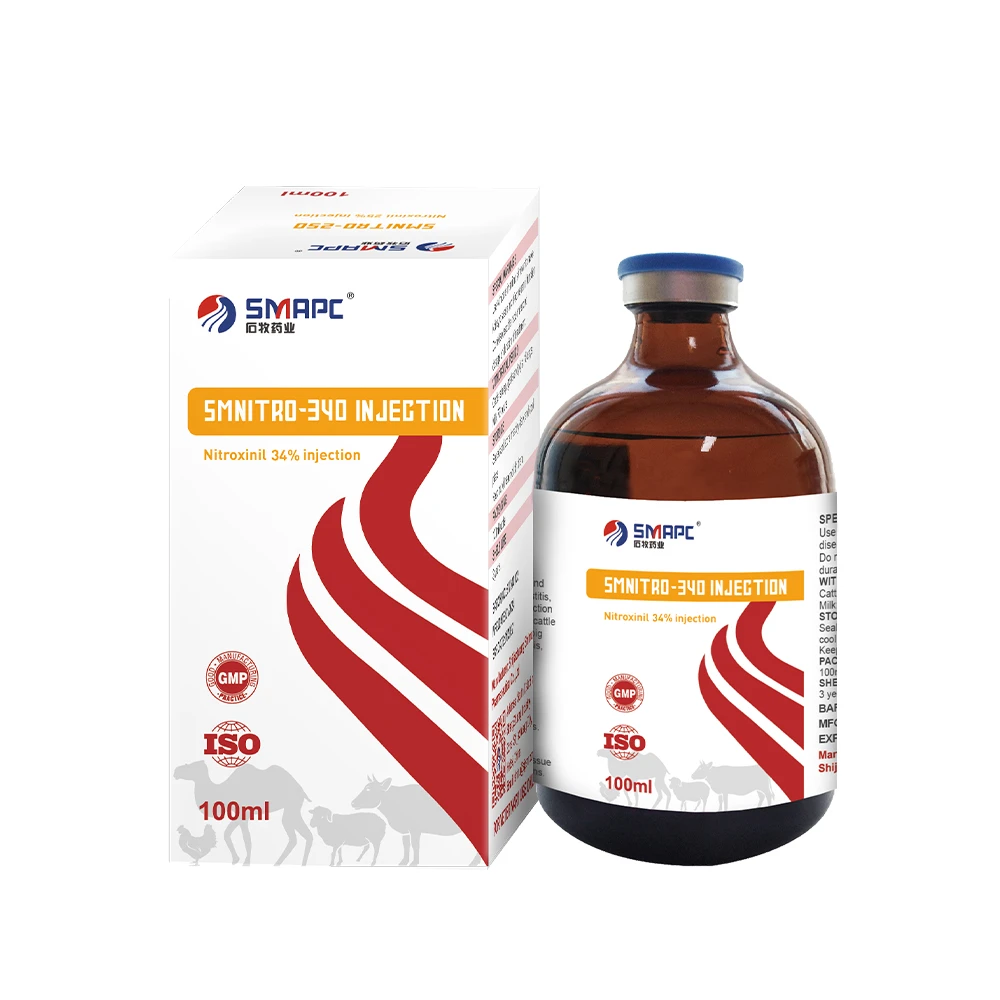
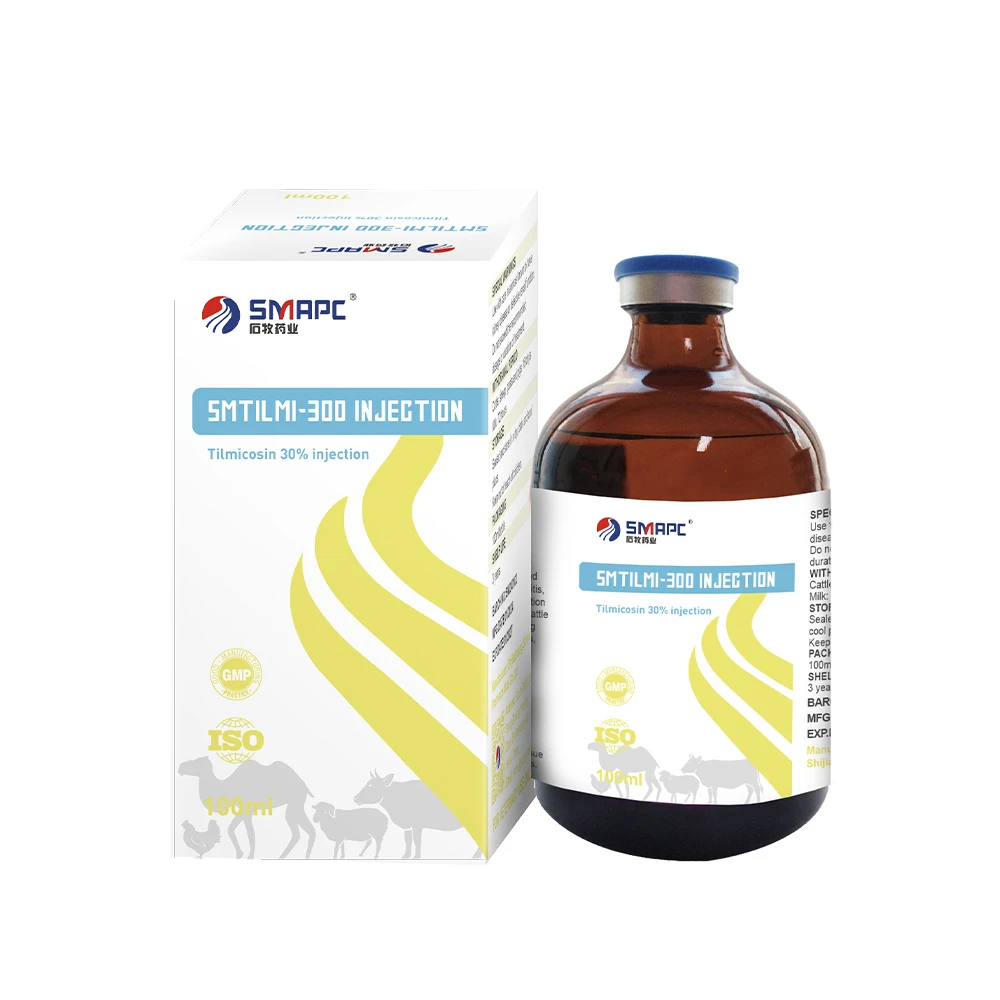
Sky Vet Pharm offers a range of pharmaceutical solutions for the effective treatment of cow cough. These include antibiotics (such as oxytetracycline, tulathromycin, and florfenicol) to combat bacterial infections, anti-inflammatory drugs (like meloxicam) to reduce inflammation and fever, and mucolytics to help clear airway secretions. The specific medication and dosage will depend on the diagnosis, severity of the condition, and the veterinarian’s recommendation. It’s crucial to follow the prescribed treatment regimen carefully to ensure optimal results and prevent the development of antibiotic resistance.
Preventative Measures for Cow Cough
Prevention is always better than cure. Implementing proactive management practices can significantly reduce the incidence of cow cough. These include ensuring adequate ventilation in barns, minimizing overcrowding, providing a balanced and nutritious diet to support immune function, implementing a vaccination program against common respiratory pathogens, and managing stress factors such as weaning and transportation. Regular biosecurity protocols, such as isolating new arrivals, are also crucial.
The Importance of Veterinary Consultation
While this article provides valuable information, it is not a substitute for professional veterinary advice. Always consult with a qualified veterinarian for accurate diagnosis and treatment recommendations. A veterinarian can perform diagnostic tests (such as lung aspirates or PCR assays) to identify the causative agent and determine the most appropriate course of action. Prompt and informed veterinary care is essential for ensuring the best possible outcome for your cattle.
Conclusion: Protecting Your Herd from Cow Cough
Understanding the causes, symptoms, and treatment options for cow cough is vital for maintaining a healthy and productive herd. By implementing preventative measures, recognizing early signs, and seeking timely veterinary care, you can minimize the impact of this common respiratory disease. Sky Vet Pharm is committed to providing high-quality pharmaceutical solutions to support your herd’s health and well-being.
Frequently Asked Questions (FAQs)
What is the best way to administer antibiotics to cattle for cow cough?
The optimal method of antibiotic administration depends on the specific medication and the veterinarian's recommendation. Common routes include intramuscular injection, subcutaneous injection, and oral dosing. Intramuscular injections generally provide faster absorption and higher peak concentrations, while subcutaneous injections are often preferred for larger volumes. Oral dosing may be suitable for some antibiotics and can be less stressful for the animal. Always follow the manufacturer’s instructions and the veterinarian’s guidance regarding dosage and administration technique.
Can cow cough be prevented through vaccination?
Yes, vaccination plays a crucial role in preventing cow cough. Vaccines are available against several key respiratory pathogens, including BRSV, IBR, and Mannheimia haemolytica. Vaccination helps to stimulate the immune system and provide protection against these diseases. The timing and frequency of vaccination will depend on the herd’s risk factors and the veterinarian’s recommendations. A comprehensive vaccination program, combined with good management practices, can significantly reduce the incidence of cow cough.
What should I do if I suspect my cattle have cow cough?
If you suspect your cattle have cow cough, isolate the affected animals immediately to prevent further spread of the disease. Contact your veterinarian as soon as possible for diagnosis and treatment recommendations. Provide supportive care, such as ensuring access to fresh water and palatable feed. Monitor the animals closely for worsening symptoms and follow the veterinarian’s instructions carefully.
How does stress contribute to cow cough?
Stress weakens the immune system, making cattle more susceptible to respiratory infections. Stressors such as weaning, transport, commingling, and changes in environment can all suppress immune function. Minimizing stress through careful management practices is essential for preventing cow cough. Providing a comfortable and familiar environment, reducing handling stress, and ensuring adequate nutrition can help to maintain a strong immune response.
-
Choosing the Best Worm Medicine for Goats for Herd HealthNewsApr.16,2026
-
Comprehensive Guide to Professional Goat Medication and Herd HealthNewsApr.09,2026
-
Comprehensive Tick Treatment for Sheep A Guide to Control and PreventionNewsApr.07,2026
-
Comprehensive Guide to Effective Mite Treatment for Goats and PreventionNewsApr.04,2026
-
Comprehensive Veterinary Medicine for Sheep Health and Disease PreventionNewsMar.31,2026
-
Comprehensive Guide to Goat Health and Effective Goats Medicine SolutionsNewsMar.28,2026