Jan . 30, 2026 14:45 Back to list
Comprehensive Guide to Effective Medicine for Cow Lumpy Skin Disease Treatment
Effective Medicine for Cow Lumpy Skin Disease: A Comprehensive Guide
Lumpy Skin Disease (LSD) is a devastating viral infection affecting cattle, causing significant economic losses for farmers worldwide. Prompt and effective treatment is crucial to minimize suffering and prevent the spread of this disease. This article will explore the best approaches to managing LSD, focusing on available medicines and preventative measures. Understanding LSD and how to combat it is essential for maintaining healthy livestock and protecting your livelihood. Skyvet Pharmaceutical is dedicated to providing high-quality veterinary solutions to address challenges like LSD.

Understanding Lumpy Skin Disease
Lumpy Skin Disease is caused by the Capripoxvirus, and is characterized by fever, nodular lesions on the skin, and significant reductions in milk production. The disease is primarily transmitted by biting insects like mosquitoes and ticks. Outbreaks can rapidly spread through herds, causing substantial economic losses due to decreased productivity, trade restrictions, and the cost of treatment. Early detection and intervention are key to controlling the disease and minimizing its impact. Recognizing the symptoms – including swollen lymph nodes, skin nodules, and reduced appetite – is the first step towards effective management.
Key Highlights: LSD is a viral disease impacting cattle, causing skin lesions and significant economic losses. Early detection and treatment are crucial for control.
Effective Medicines for Cow Lumpy Skin Disease
While there is no specific antiviral cure for LSD, supportive treatment and medications to manage secondary bacterial infections are vital. Antibiotics are commonly used to prevent and treat bacterial skin infections that often occur in the lesions caused by the virus. Non-steroidal anti-inflammatory drugs (NSAIDs) can help reduce fever and pain, improving the animal’s overall comfort. Wound care is also essential, involving the cleaning and disinfection of skin lesions to prevent further infection. Skyvet Pharmaceutical offers a range of antibiotics and NSAIDs suitable for LSD treatment protocols.
Treatment Benefits:
• Reduces secondary bacterial infections
• Alleviates fever and pain
• Promotes wound healing
• Improves animal comfort and productivity
Comparing Treatment Options for Lumpy Skin Disease
Choosing the right treatment strategy involves considering the severity of the infection and the animal’s overall health. Different antibiotics are effective against various bacterial strains, and NSAIDs vary in potency and duration of action. Preventative measures, such as vaccination, are the most effective long-term solution. The following table outlines a comparison of common treatment options:
Preventative Measures: Vaccination and Vector Control
Preventing LSD is far more cost-effective than treating it. Vaccination is the most effective preventative measure, and regular vaccination programs are crucial in endemic areas. Additionally, controlling the insect vectors – mosquitoes and ticks – can significantly reduce the spread of the disease. This includes using insecticides, implementing proper sanitation practices to eliminate breeding grounds, and ensuring good ventilation in animal housing. Skyvet Pharmaceutical can provide guidance on appropriate vaccination schedules and vector control strategies.

Product Spotlight: Skyvet Pharmaceutical’s LSD Support Range
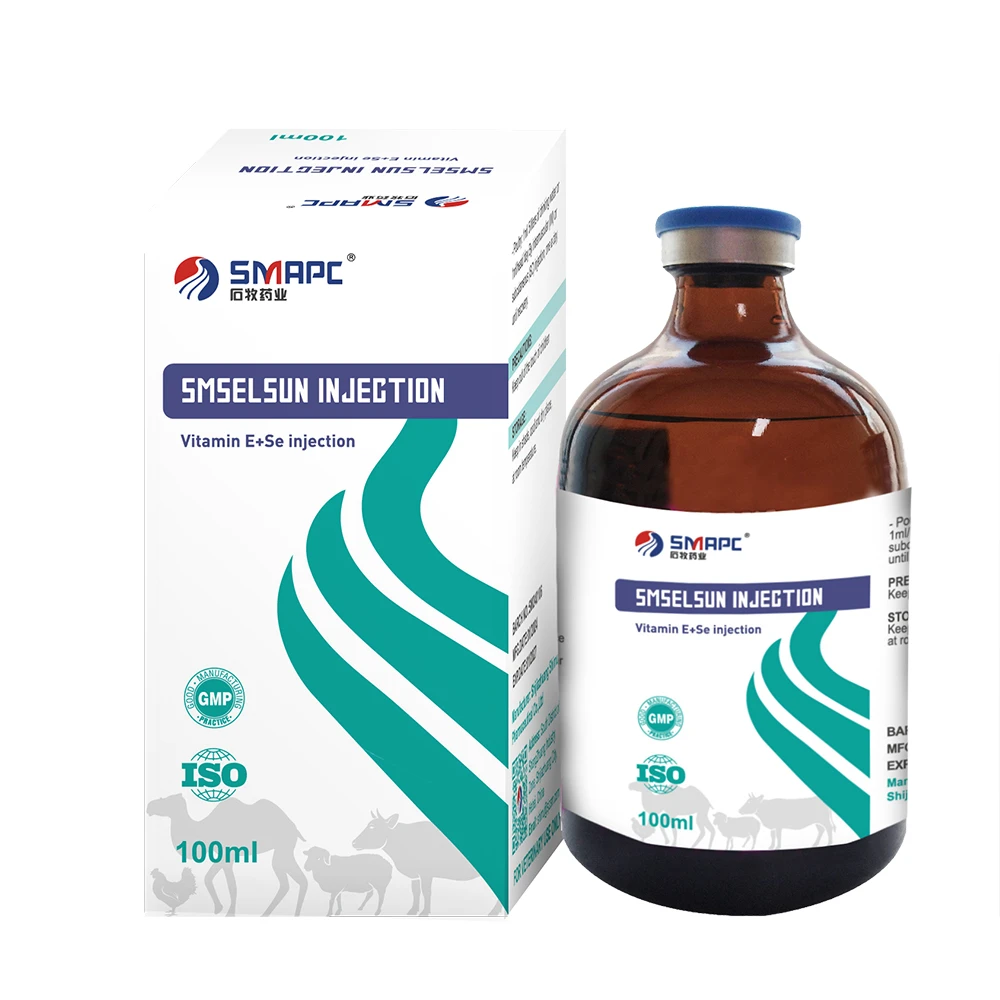
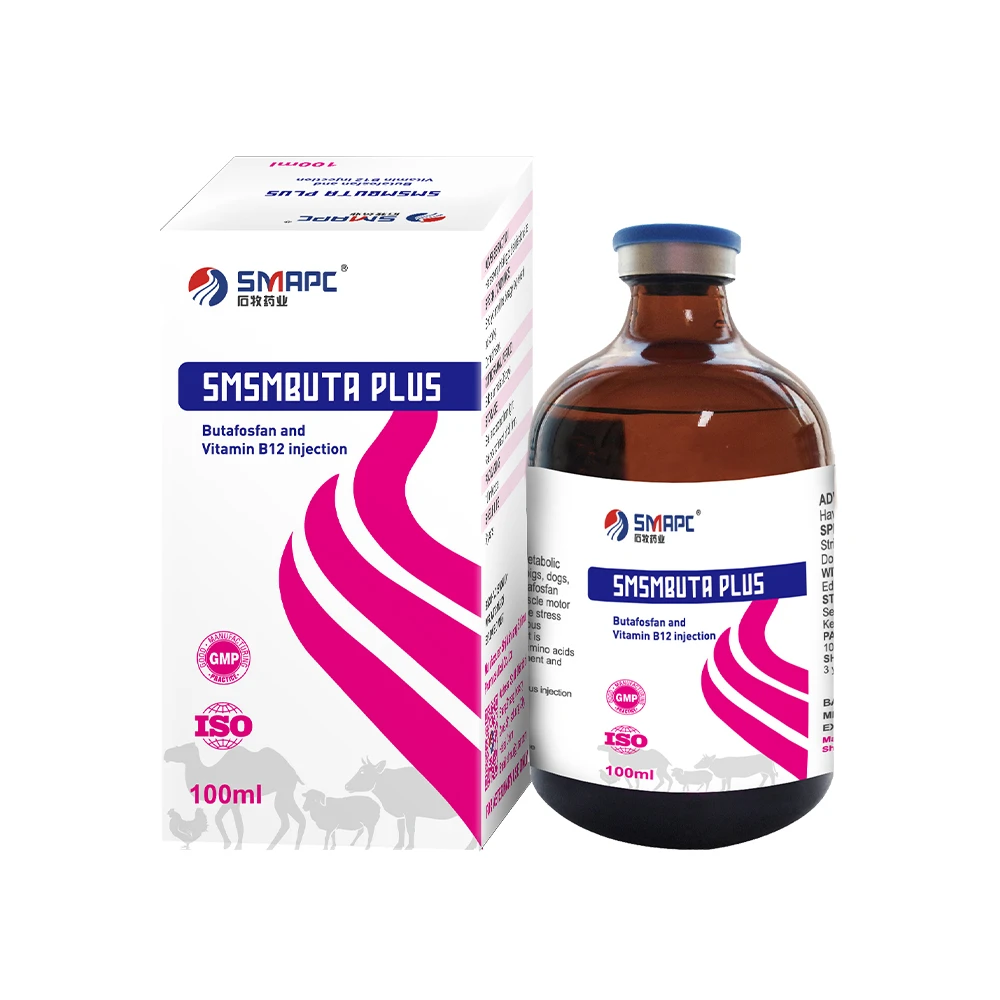
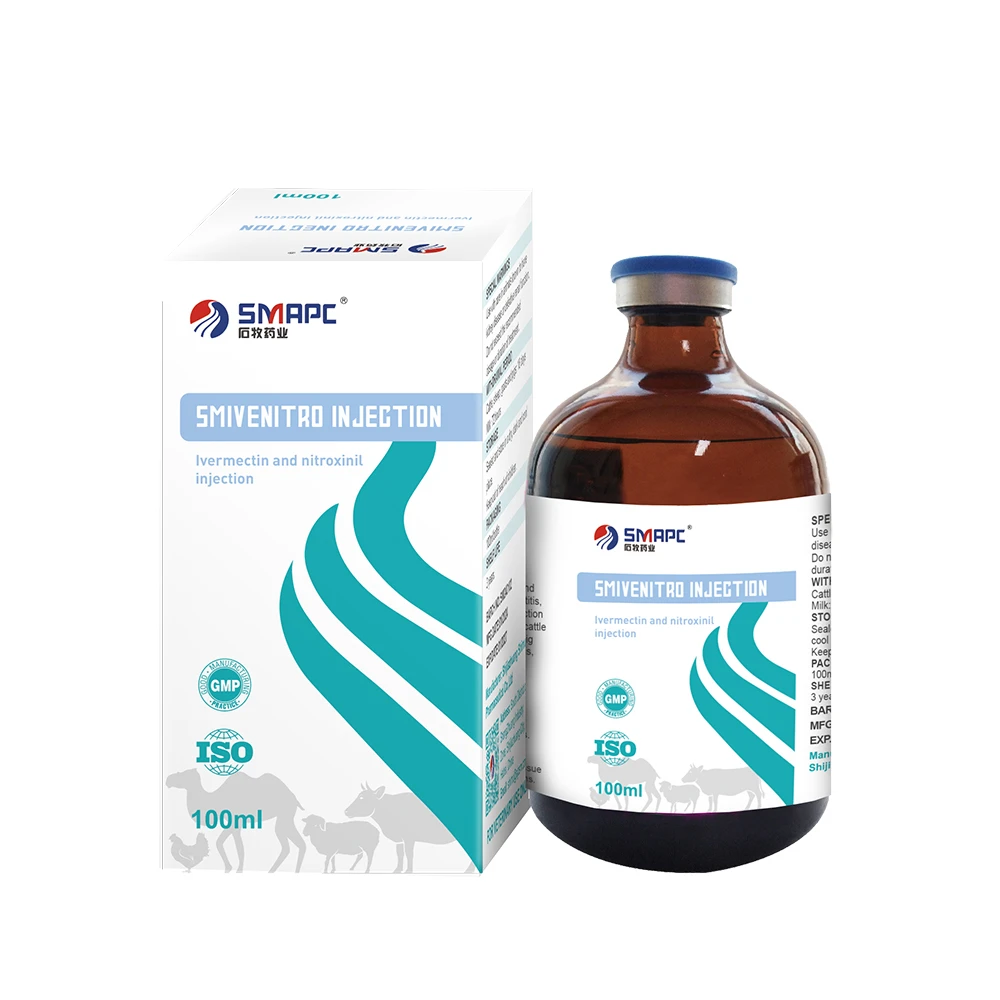
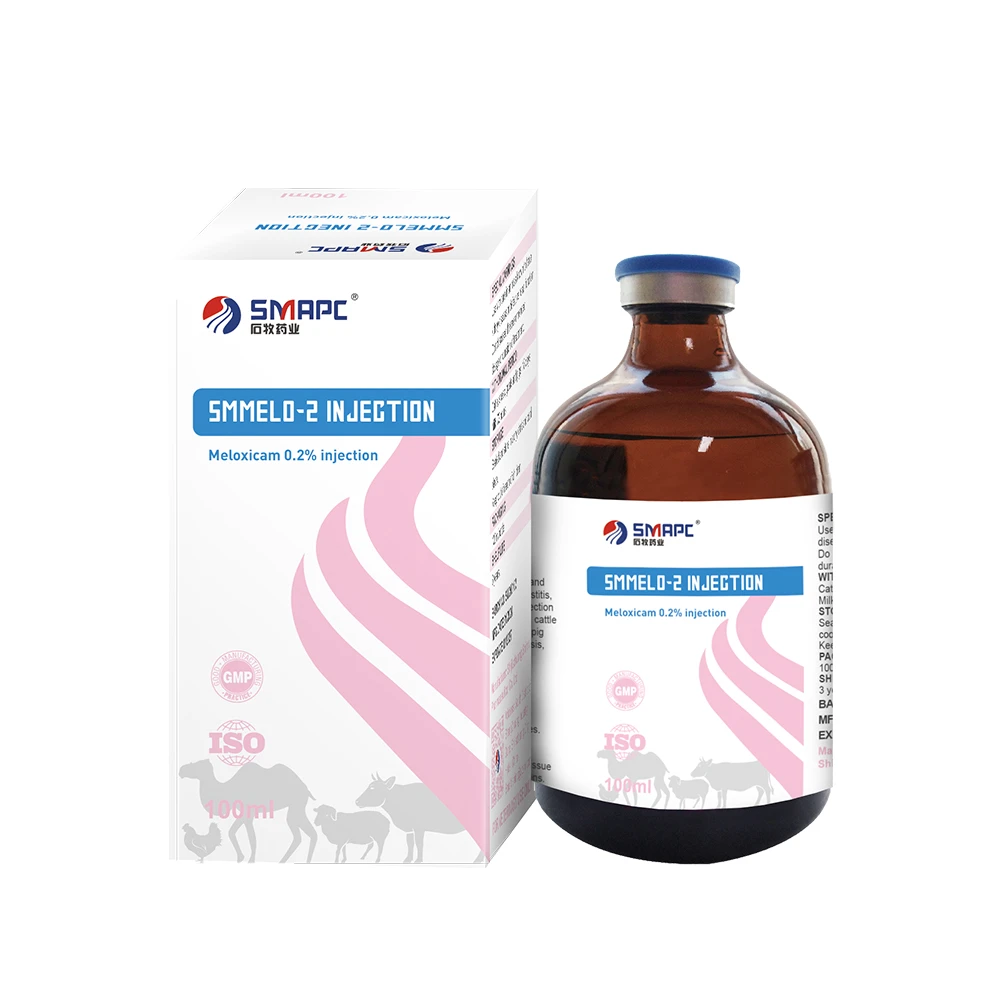
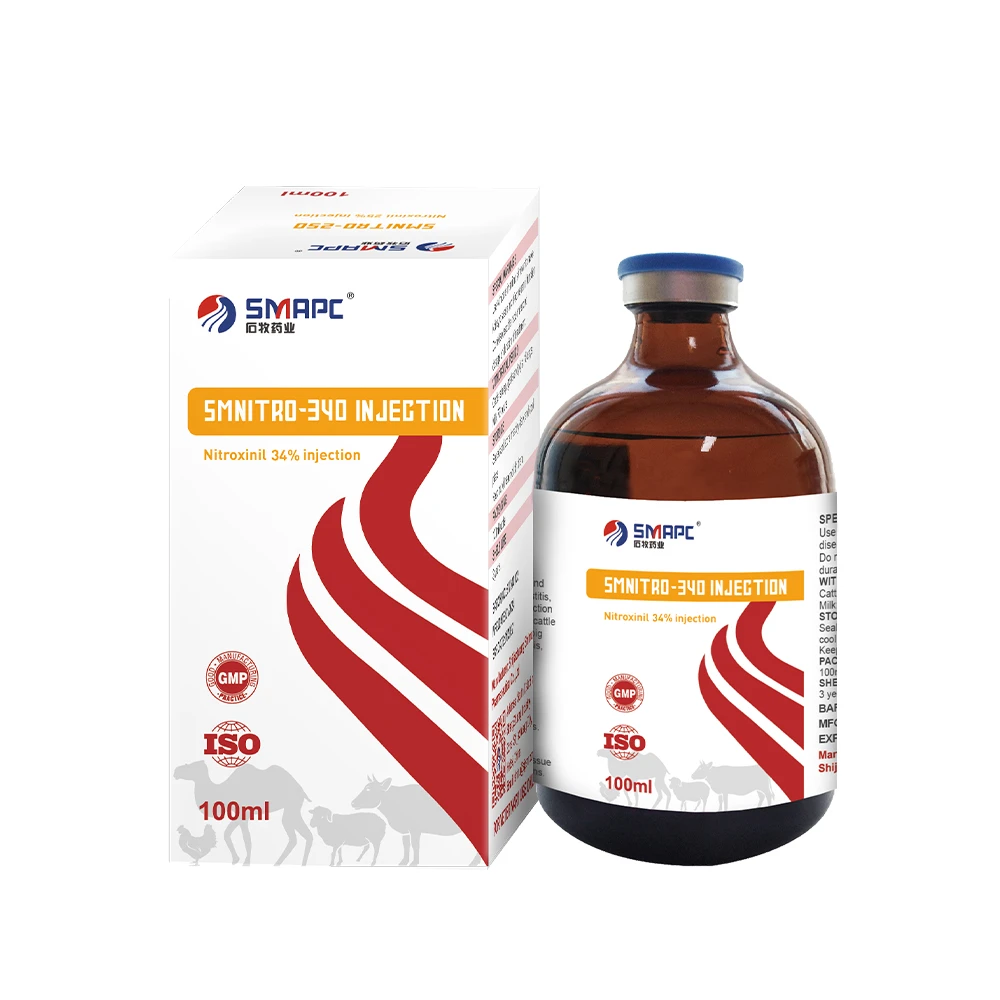
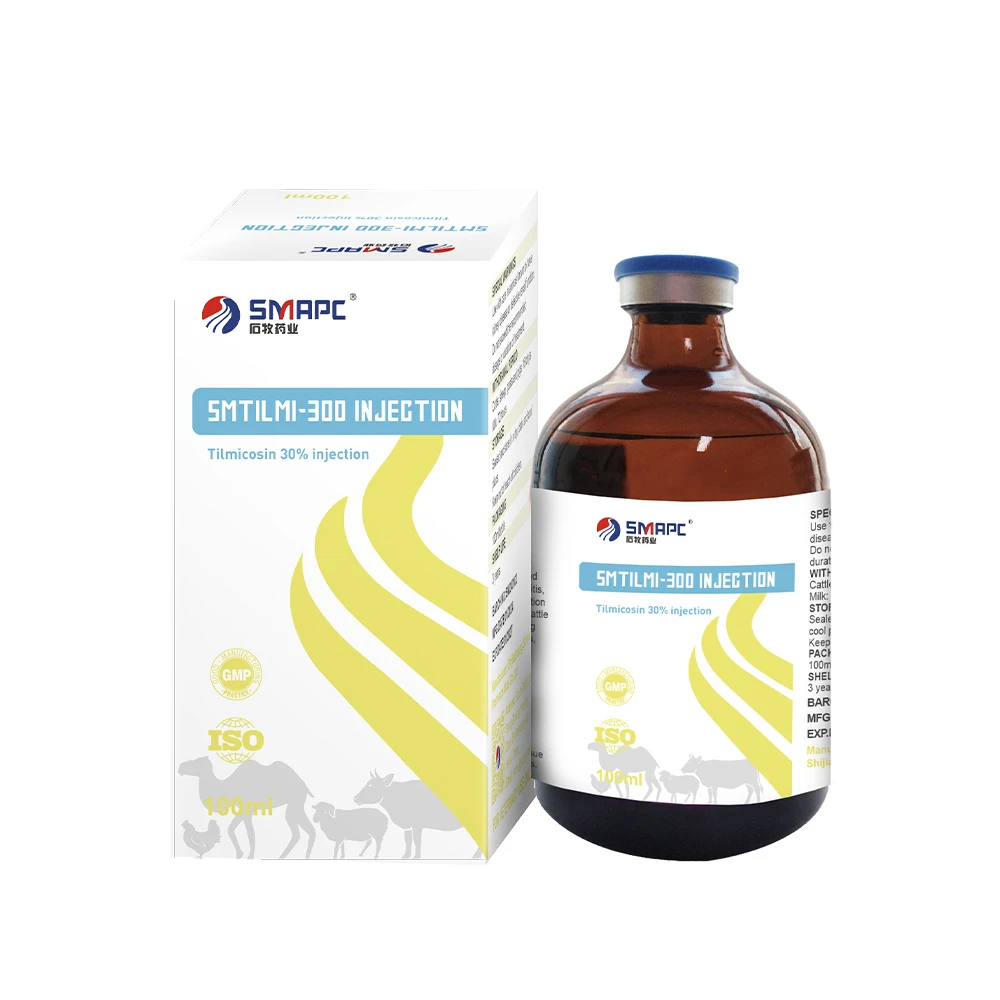
At Skyvet Pharmaceutical, we offer a comprehensive range of products to support the treatment and prevention of Lumpy Skin Disease. Our portfolio includes:
Conclusion: Proactive Management of Lumpy Skin Disease
Effectively managing Lumpy Skin Disease requires a multi-faceted approach, including prompt treatment of symptoms, preventative vaccination, and diligent vector control. Skyvet Pharmaceutical is committed to supporting farmers and veterinarians with high-quality products and expert advice. By taking a proactive stance against LSD, we can safeguard the health and productivity of your cattle.
Frequently Asked Questions (FAQs)
What is the best way to disinfect lesions caused by LSD?
Thoroughly cleaning the lesions with a mild antiseptic solution, like diluted chlorhexidine, is crucial. Remove any crusts or debris before applying the disinfectant. Ensure the area is dry before applying any topical treatments. Regular cleaning helps prevent secondary bacterial infections and promotes faster healing. Follow veterinarian guidance on appropriate disinfectant solutions and application frequency.
How often should cattle be vaccinated against LSD?
Vaccination schedules vary depending on the prevalence of LSD in your region and the specific vaccine used. Typically, initial vaccination is followed by booster shots every 6-12 months. Consult with your veterinarian to determine the most appropriate vaccination schedule for your herd. Regular vaccination provides the best long-term protection against LSD.
What are the key signs that a cow has LSD?
The most common signs of LSD include fever, loss of appetite, swollen lymph nodes, and characteristic skin nodules. These nodules can vary in size and appear anywhere on the body. Affected animals may also exhibit excessive salivation, nasal discharge, and reduced milk production. Early detection is vital – contact your veterinarian immediately if you suspect LSD in your herd.
Are humans susceptible to Lumpy Skin Disease?
No, Lumpy Skin Disease does not affect humans. It is a viral infection specifically affecting cattle and other ruminants. However, it is important to practice good hygiene when handling affected animals and to follow proper biosecurity measures to prevent the spread of the disease between livestock.
-
Choosing the Best Worm Medicine for Goats for Herd HealthNewsApr.16,2026
-
Comprehensive Guide to Professional Goat Medication and Herd HealthNewsApr.09,2026
-
Comprehensive Tick Treatment for Sheep A Guide to Control and PreventionNewsApr.07,2026
-
Comprehensive Guide to Effective Mite Treatment for Goats and PreventionNewsApr.04,2026
-
Comprehensive Veterinary Medicine for Sheep Health and Disease PreventionNewsMar.31,2026
-
Comprehensive Guide to Goat Health and Effective Goats Medicine SolutionsNewsMar.28,2026