Feb . 11, 2026 02:25 Back to list
Comprehensive Guide to Effective Medicine for Cow Stomach Pain and Treatment
Effective Medicine for Cow Stomach Pain: A Comprehensive Guide
Cow stomach pain, often stemming from digestive issues like bloat, acidosis, or displacement, can significantly impact their health and productivity. Selecting the right medicine for cow stomach pain is crucial for quick relief and recovery. This article explores the common causes, diagnostic approaches, and available treatments, with a focus on solutions offered by SkyVetPharm. Understanding these issues and how to address them can significantly improve your herd’s well-being and profitability.
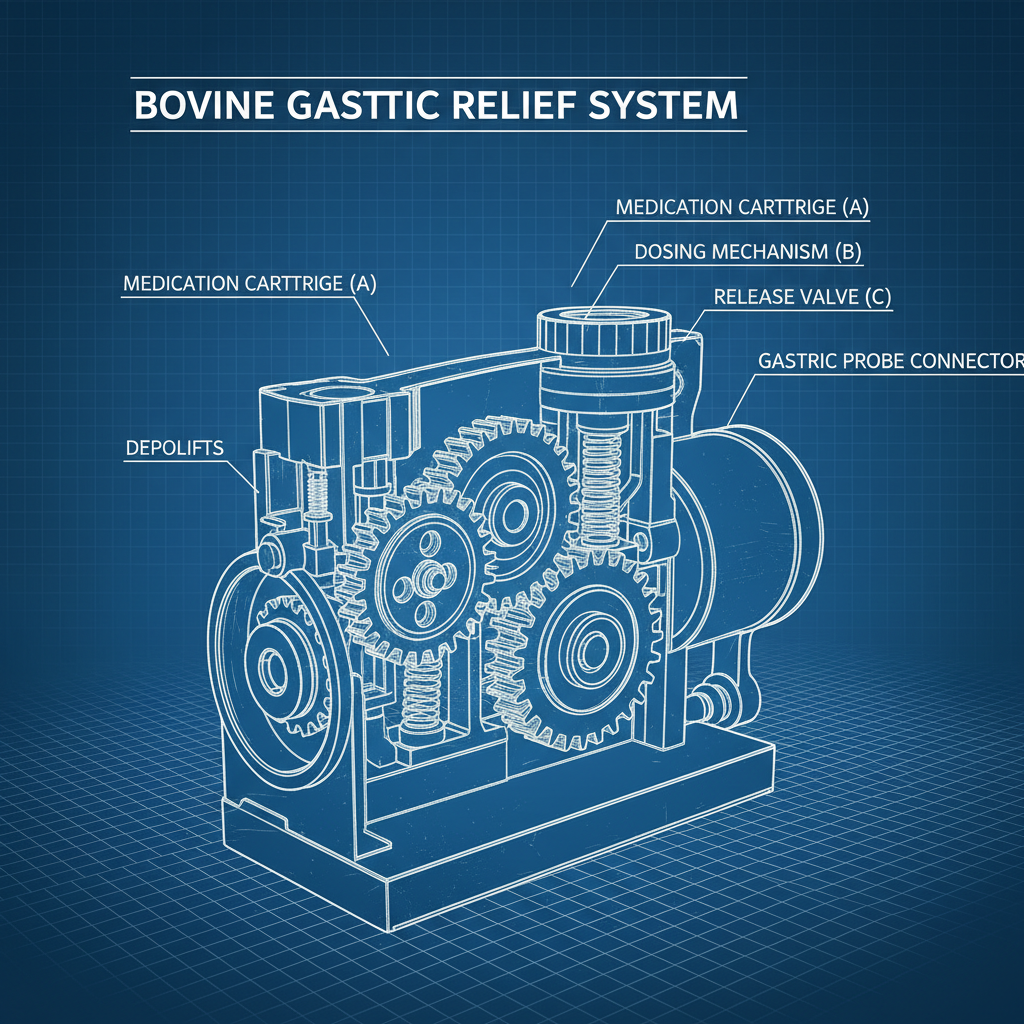
Understanding the Causes of Stomach Pain in Cows
Several factors can contribute to stomach pain in cows. Dietary indiscretion, particularly rapid changes in feed or consumption of fermented feed, is a common culprit. Bloat, a buildup of gas in the rumen, is frequently observed. Ruminal acidosis, resulting from a decline in pH within the rumen, can also cause severe discomfort. More serious conditions, like displaced abomasums (DA), where the stomach shifts from its normal position, require immediate veterinary attention. Early detection of symptoms, such as restlessness, reduced appetite, and changes in fecal consistency, is vital for effective treatment. The SkyVetPharm range offers solutions designed to address many of these common causes.
Key Causes: Dietary changes, bloat, ruminal acidosis, displaced abomasums (DA), and digestive imbalances.
Diagnosing Stomach Pain: Recognizing the Signs
Accurate diagnosis is paramount before administering any medicine for cow stomach pain. Veterinarians typically assess clinical signs, including decreased milk production, kicking at the abdomen, reluctance to move, and changes in rumination. A physical examination, including auscultation (listening to gut sounds) and palpation, can help identify abnormalities. In some cases, rumenocentesis (collecting a sample from the rumen) or ultrasound may be necessary to confirm the diagnosis. Early and accurate diagnosis is key to ensuring the most effective treatment plan.
Diagnostic Indicators:
• Decreased milk production
• Kicking at the abdomen
• Reluctance to move
• Changes in rumination
Effective Medicine for Cow Stomach Pain: SkyVetPharm Solutions
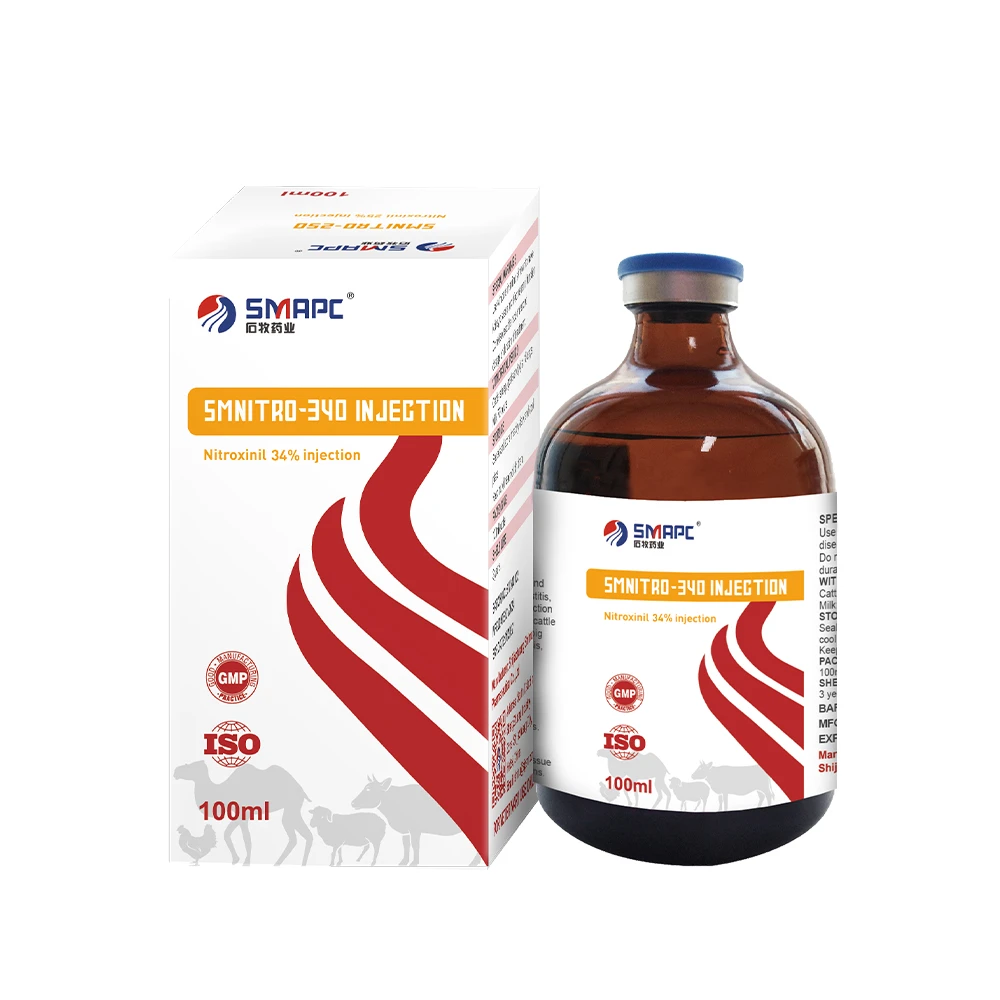
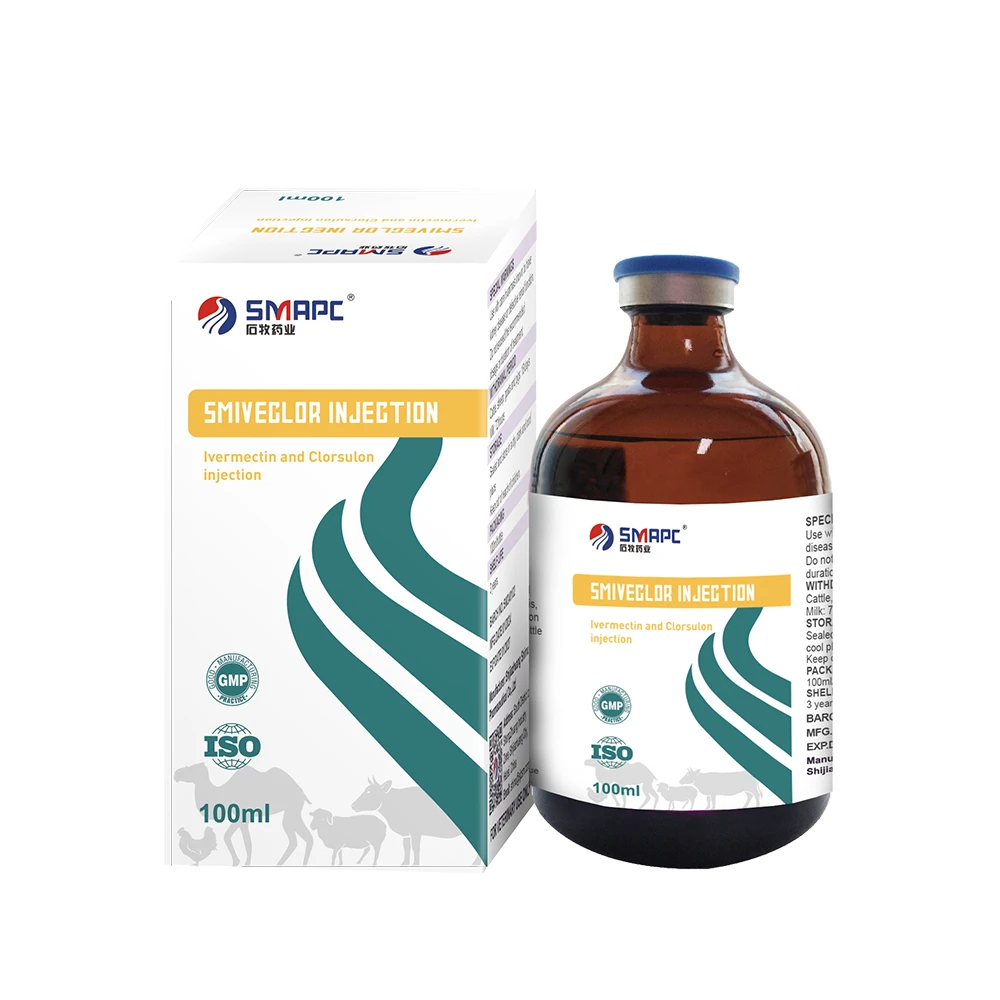
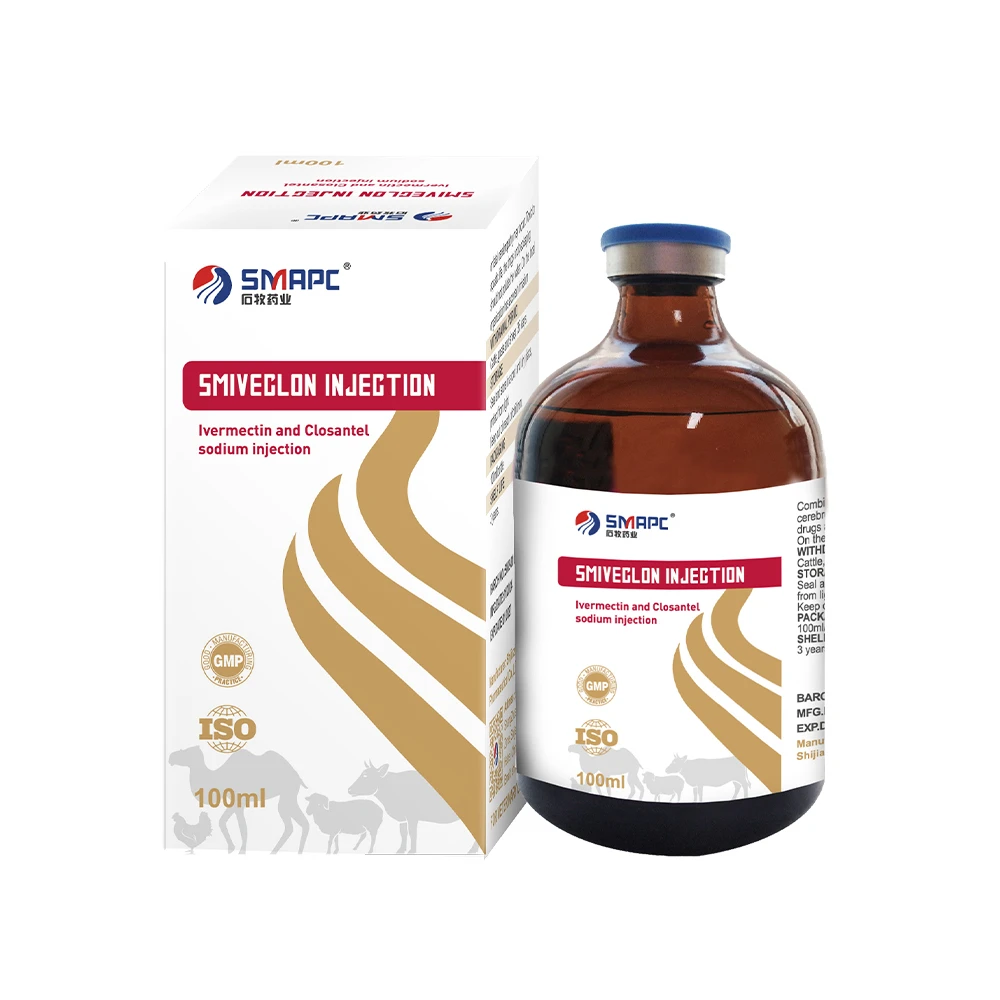
SkyVetPharm offers a range of products tailored to alleviate cow stomach pain. For bloat, rumen stimulants can help expel gas. For acidosis, buffering agents help restore rumen pH. And for digestive support, probiotics and prebiotics promote a healthy gut microbiome. It's vital to consult with a veterinarian to determine the most appropriate treatment based on the specific diagnosis. Proper dosage and administration are also essential for optimal results.
Preventative Measures: Minimizing Stomach Pain Risk
Preventing stomach pain is always preferable to treating it. Maintaining a consistent, balanced diet, avoiding sudden feed changes, and providing access to clean water are crucial. Regular monitoring of feed quality and rumen health can also help identify potential problems early on. Proper management practices, such as minimizing stress and providing adequate exercise, contribute to overall gut health. Proactive management, combined with quality products from SkyVetPharm, can significantly reduce the incidence of stomach pain in your herd.

Product Specifications: SkyVetPharm Rumen Buffer
Here are the specifications of our highly effective rumen buffer:
Conclusion: Prioritizing Cow Health with SkyVetPharm
Addressing cow stomach pain effectively requires a multi-faceted approach – understanding the causes, accurate diagnosis, and targeted treatment. SkyVetPharm provides high-quality solutions to support your herd’s digestive health and overall well-being. By investing in preventative measures and reliable treatments, you can minimize discomfort, maximize productivity, and ensure a thriving dairy or beef operation.
Frequently Asked Questions (FAQs)
What is the best way to prevent bloat in cows?
Preventing bloat involves careful feed management. Avoid sudden changes in diet, ensure adequate forage particle size, and consider adding rumen buffers to the feed. Gradually introducing new feeds and avoiding overly lush pastures can also help minimize the risk. Adding ingredients that promote saliva production, like sodium bicarbonate, can also be beneficial. Regular monitoring of your herd for early signs of bloat is crucial for prompt intervention.
How quickly will the SkyVetPharm rumen buffer work?
The rumen buffer typically begins to work within a few hours of administration. It neutralizes existing acid and helps maintain a stable rumen pH. However, the speed of effect can vary depending on the severity of the acidosis and the individual cow's response. For best results, follow the recommended dosage and administer the buffer consistently, especially during periods of dietary stress.
Can probiotics be used alongside other medications?
Generally, probiotics can be safely used alongside other medications, but it’s essential to consult with a veterinarian. Probiotics can help maintain gut health during antibiotic treatment, minimizing potential digestive disturbances. However, some medications may interfere with probiotic efficacy. Your veterinarian can provide specific guidance based on your cow's individual needs and treatment plan.
-
Choosing the Best Worm Medicine for Goats for Herd HealthNewsApr.16,2026
-
Comprehensive Guide to Professional Goat Medication and Herd HealthNewsApr.09,2026
-
Comprehensive Tick Treatment for Sheep A Guide to Control and PreventionNewsApr.07,2026
-
Comprehensive Guide to Effective Mite Treatment for Goats and PreventionNewsApr.04,2026
-
Comprehensive Veterinary Medicine for Sheep Health and Disease PreventionNewsMar.31,2026
-
Comprehensive Guide to Goat Health and Effective Goats Medicine SolutionsNewsMar.28,2026