Jan . 28, 2026 11:10 Back to list
Comprehensive Guide to Understanding and Treating Cow Cold Medicine Effectively
Understanding and Treating Cow Cold Medicine
When your bovine companion is feeling under the weather, knowing how to address a cold is crucial. A common ailment, a cold in cattle can manifest in various ways, impacting their health and productivity. This article provides a comprehensive guide to recognizing, treating, and preventing colds in cows, with information sourced from veterinary experts. Understanding the right approach, including when to administer cow cold medicine, is essential for responsible livestock management. Prompt treatment can minimize discomfort and prevent secondary infections.
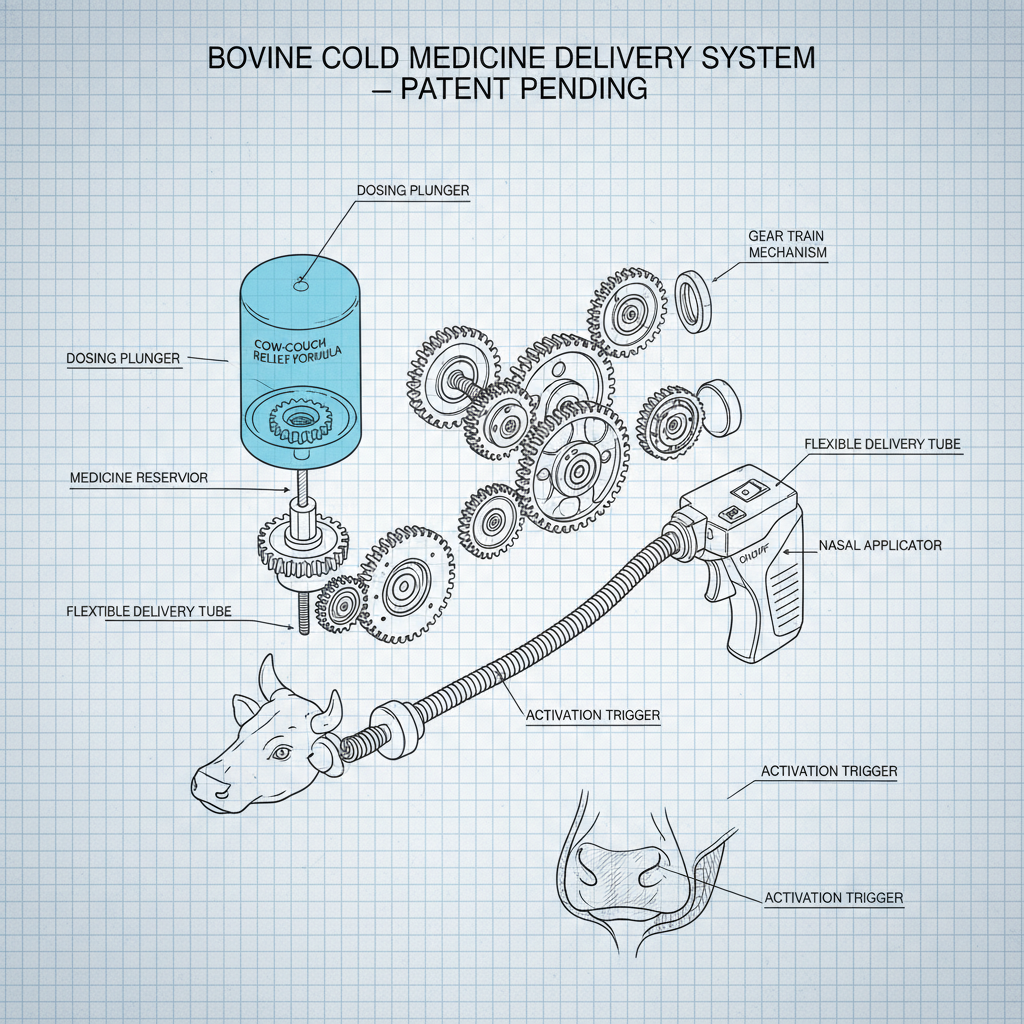
Recognizing the Symptoms of a Cow Cold
Identifying a cold in cows requires careful observation. Common symptoms include nasal discharge (clear or slightly thickened), coughing, mild fever, lethargy, and reduced appetite. These signs are often similar to those of other respiratory illnesses, making accurate diagnosis important. Pay attention to the severity and duration of the symptoms. A mild cold may resolve on its own, but persistent or worsening symptoms warrant veterinary attention. Look for signs of pneumonia, like difficulty breathing, as this requires immediate intervention.
Key Symptoms: Nasal discharge, coughing, lethargy, reduced appetite, and mild fever. Monitor for more severe symptoms like difficulty breathing.
When to Use Cow Cold Medicine
Administering cow cold medicine should be done judiciously and often under the guidance of a veterinarian. Over-the-counter remedies can provide supportive care for mild cases, but don’t address the underlying cause. Many medications are designed to alleviate symptoms and boost the immune system, rather than directly killing the virus or bacteria causing the cold. Antibiotics are generally ineffective against viral colds but may be necessary if a secondary bacterial infection develops. Always follow dosage instructions carefully and monitor the cow for any adverse reactions.
Supportive Care Options:
• Warm, dry environment
• Increased nutritional support
• Rest and reduced stress
• Veterinarian-approved medication
Types of Cow Cold Medicine Available
Various types of cow cold medicine are available, each targeting different aspects of the illness. These include: antiviral medications (though less common for simple colds), antibiotics (for secondary bacterial infections), anti-inflammatory drugs (to reduce fever and inflammation), and immune stimulants. Vitamin and mineral supplements can also support the cow’s natural defenses. The most appropriate choice depends on the specific symptoms and the veterinarian’s diagnosis.
Preventing Colds in Cows
Prevention is always better than cure. Maintaining a clean and well-ventilated environment is essential. Minimize stress factors such as overcrowding, abrupt dietary changes, and transportation. Provide a balanced diet to support a strong immune system. Implement a biosecurity plan to prevent the introduction of pathogens onto your farm. Regular vaccination against relevant respiratory diseases can also provide significant protection. You can find more information on preventative care at Skyvet Pharmaceuticals.
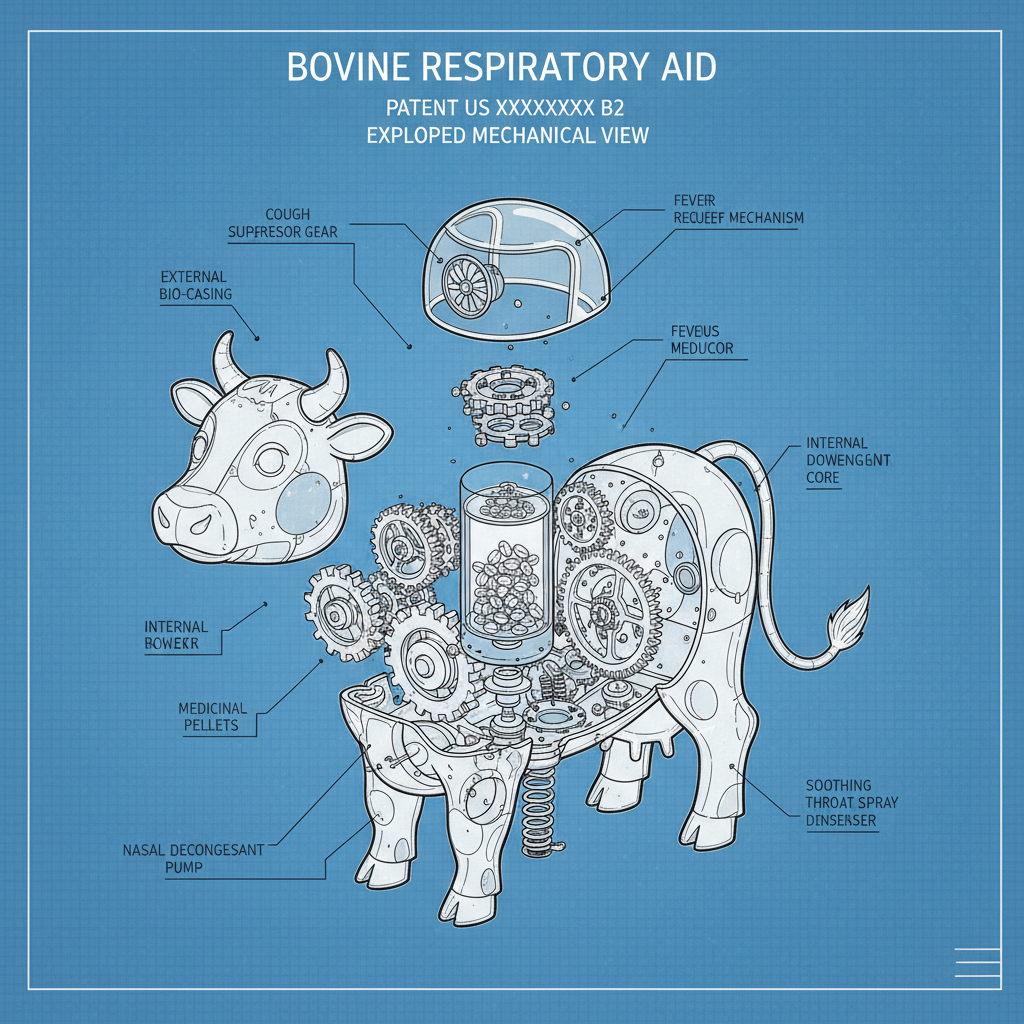
Dosage and Administration of Cow Cold Medicine
The dosage and method of administration for cow cold medicine vary depending on the specific product and the cow’s weight. Always read and follow the instructions on the label. Common methods include oral drenching, injection, and intravenous administration (by a veterinarian). Accuracy is crucial to ensure effective treatment without causing harm. If you are unsure about the correct dosage or administration technique, consult your veterinarian immediately.
Conclusion: Proactive Cold Management in Cattle
Effective management of colds in cows relies on early detection, appropriate treatment, and proactive preventative measures. Knowing when to use cow cold medicine and prioritizing overall herd health are vital for maintaining productivity and animal welfare. Consult with your veterinarian for tailored advice and to ensure the best possible care for your cattle.
Frequently Asked Questions (FAQs)
How can I boost my cow's immune system?
A strong immune system is the best defense against colds. Ensure your cows receive a balanced diet rich in vitamins and minerals, especially Vitamin A, Vitamin E, and selenium. Provide access to clean water, minimize stress, and maintain good hygiene practices. Consider incorporating immune-stimulating supplements as recommended by your veterinarian. Regular exercise and exposure to natural sunlight can also contribute to a healthy immune system. Vaccination against common respiratory pathogens is another critical aspect of immune system support.
What is the best way to prevent the spread of a cold within my herd?
Isolate sick animals immediately to prevent the spread of infection. Disinfect equipment and surfaces regularly, especially feeders, water troughs, and handling facilities. Implement a strict biosecurity protocol to minimize the introduction of new pathogens onto your farm. Quarantine new arrivals for a period of observation before integrating them into the herd. Promote good ventilation in barns and other enclosed spaces. Proper hygiene and biosecurity measures are crucial for controlling outbreaks.
When should I call a veterinarian if my cow has a cold?
Call your veterinarian if the cow's symptoms are severe (difficulty breathing, high fever), worsen over time, or persist for more than a few days. Also, seek veterinary attention if the cow stops eating or drinking, appears depressed, or develops a secondary infection (e.g., pneumonia). Prompt veterinary intervention is crucial for preventing serious complications. It is always better to err on the side of caution.
Can humans catch a cold from cows?
While it's rare, some respiratory viruses can be zoonotic, meaning they can be transmitted from animals to humans. The risk of catching a cold directly from a cow is low, but it’s important to practice good hygiene when handling sick animals. Wash your hands thoroughly after contact and avoid touching your face. If you experience respiratory symptoms after being around sick cattle, consult your doctor.
-
Choosing the Best Worm Medicine for Goats for Herd HealthNewsApr.16,2026
-
Comprehensive Guide to Professional Goat Medication and Herd HealthNewsApr.09,2026
-
Comprehensive Tick Treatment for Sheep A Guide to Control and PreventionNewsApr.07,2026
-
Comprehensive Guide to Effective Mite Treatment for Goats and PreventionNewsApr.04,2026
-
Comprehensive Veterinary Medicine for Sheep Health and Disease PreventionNewsMar.31,2026
-
Comprehensive Guide to Goat Health and Effective Goats Medicine SolutionsNewsMar.28,2026