Jan . 27, 2026 19:15 Back to list
Effective Cough Syrup for Cattle Treatment and Respiratory Health Management
Cough Syrup for Cattle: A Comprehensive Guide
Cattle health is paramount for successful farming operations. Respiratory illnesses are common in cattle, often manifesting as coughing. Effective treatment requires appropriate medication, and cough syrup for cattle plays a vital role in alleviating symptoms and supporting recovery. This guide will explore the causes of coughing in cattle, the benefits of using cough syrup, available formulations, proper administration, and crucial considerations for ensuring optimal animal health. Understanding these aspects will empower farmers to make informed decisions regarding their livestock’s well-being.
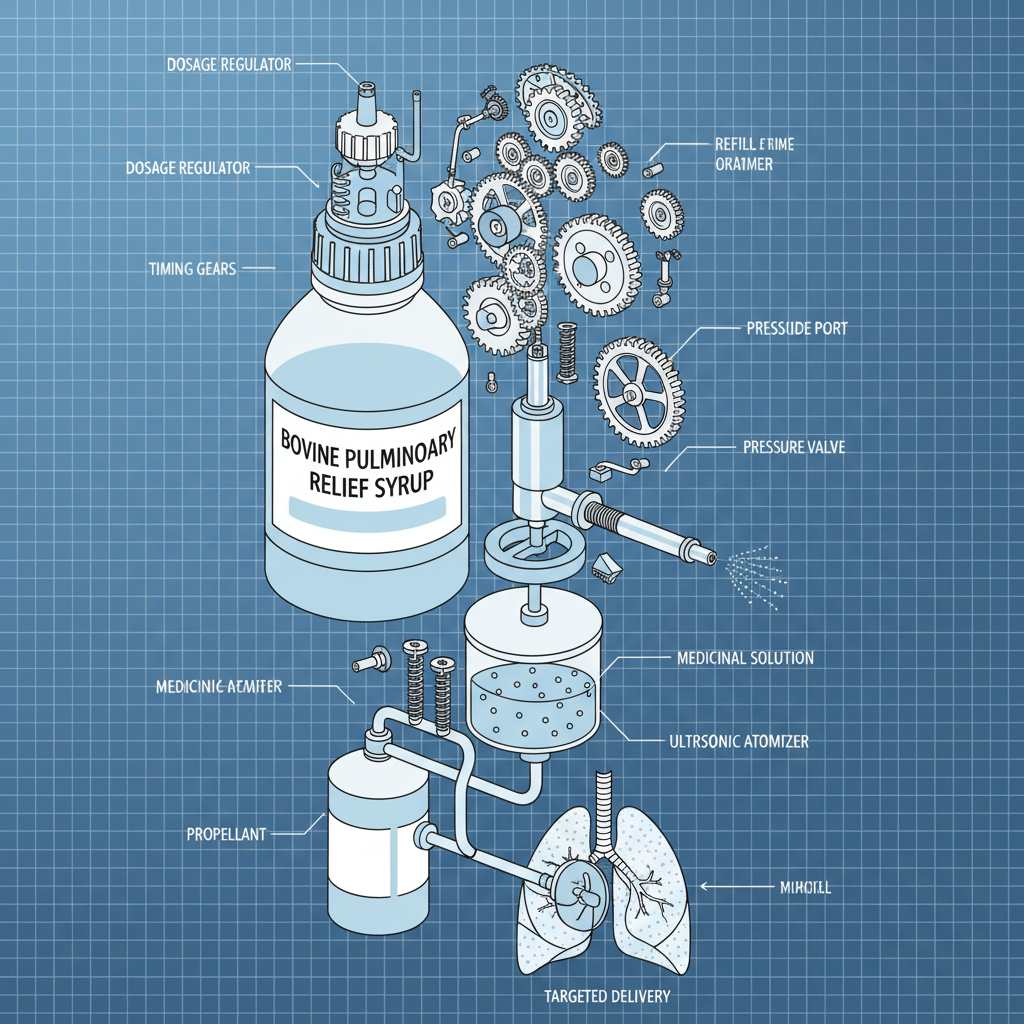
Understanding the Causes of Coughing in Cattle
Coughing in cattle can stem from various factors, including bacterial and viral infections, parasitic infestations, allergies, and environmental irritants. Common culprits include Bovine Respiratory Disease (BRD), a complex illness involving multiple pathogens, and lungworm. Stress, poor ventilation, and overcrowding can exacerbate these conditions. Identifying the underlying cause is crucial for selecting the most effective treatment. A veterinarian's diagnosis is highly recommended to rule out serious conditions and ensure appropriate care. Early detection and intervention are key to preventing the spread of illness and minimizing economic losses.
Key Considerations: Coughing can be a symptom of a more serious underlying condition. Early veterinary diagnosis is essential for effective treatment.
The Benefits of Using Cough Syrup for Cattle
Cough syrup formulated for cattle provides symptomatic relief from coughing, helping to soothe irritated airways and reduce inflammation. These formulations often contain expectorants to loosen mucus, making it easier for the animal to breathe. While cough syrup doesn’t cure the underlying disease, it significantly improves the animal's comfort and reduces the severity of the cough. This allows the cattle to rest and recover more effectively. Remember that SkyVetPharm’s cough syrup is designed for symptomatic relief, always use alongside veterinary guidance for the root cause.
Key Benefits of Cough Syrup:
• Soothes irritated airways
• Reduces inflammation
• Loosens mucus
• Improves comfort and rest
Comparing Common Cough Syrup Formulations for Cattle
Various cough syrup formulations are available for cattle, each with different active ingredients and benefits. Some common options include those containing guaifenesin (an expectorant), dextromethorphan (a cough suppressant), and herbal remedies. The choice of formulation should be based on the severity of the cough, the animal's overall health, and veterinary recommendations. Consider the following comparison:
Proper Administration of Cough Syrup for Optimal Results
Accurate dosage is vital when administering cough syrup to cattle. Always follow the veterinarian’s instructions or the manufacturer’s guidelines on the product label. Administering the correct dosage ensures effectiveness and minimizes the risk of side effects. Oral administration is typical, often using a drenching gun for ease and accuracy. Ensure the animal is calm and restrained appropriately during administration. Record the date and dosage administered for tracking purposes. You can find more details on dosage and administration guidelines from SkyVetPharm’s product information.

Important Considerations and Precautions
While cough syrup can provide relief, it’s crucial to remember it’s not a standalone solution. Always address the underlying cause of the cough with veterinary guidance. Monitor the animal’s response to treatment and report any adverse reactions to your veterinarian. Ensure the cough syrup is stored properly, out of reach of children and animals. Withdrawal times (the period between medication administration and slaughter or milk consumption) must be strictly adhered to, as specified on the product label, to prevent residues in food products. Always consult with a veterinarian before administering any medication to your cattle.
Conclusion: Proactive Respiratory Health Management
Managing respiratory health in cattle requires a proactive approach that includes preventative measures, early detection of symptoms, and appropriate treatment. SkyVetPharm's cough syrup for cattle can be a valuable tool in alleviating symptoms and supporting recovery, but should always be used in conjunction with veterinary advice. Prioritizing cattle health translates to improved productivity and a sustainable farming operation.
Frequently Asked Questions (FAQs)
What are the common side effects of cough syrup in cattle?
While generally safe when administered correctly, some cattle may experience mild side effects like temporary loss of appetite or slight drowsiness. Rarely, allergic reactions can occur. Monitor your cattle closely after administering cough syrup and contact your veterinarian immediately if you observe any unusual symptoms, such as hives, swelling, or difficulty breathing. Always adhere to the recommended dosage to minimize the risk of adverse effects. Remember that individual animals may react differently to medications.
Can cough syrup be used preventatively in cattle?
No, cough syrup should not be used preventatively. It is designed to provide symptomatic relief from existing coughs, not to prevent respiratory illnesses. Proactive prevention focuses on maintaining good biosecurity, providing adequate ventilation, minimizing stress, and ensuring proper nutrition. Vaccination programs are also crucial for protecting against common respiratory pathogens. Using cough syrup prophylactically can contribute to antibiotic resistance and mask underlying health issues.
What should I do if the cough doesn't improve after administering cough syrup?
If the cough doesn't improve within a few days of administering cough syrup, or if the condition worsens, it is essential to contact your veterinarian immediately. This could indicate a more serious underlying condition requiring different treatment strategies. Your veterinarian may recommend further diagnostic tests, such as bloodwork or lung fluid analysis, to determine the cause of the cough and develop an appropriate treatment plan. Do not continue administering cough syrup indefinitely without veterinary guidance.
How do I store cough syrup for cattle properly?
Cough syrup should be stored in a cool, dry place, away from direct sunlight and extreme temperatures. Keep the container tightly closed when not in use to prevent contamination and maintain product efficacy. Always store the medication out of reach of children and animals. Check the expiration date on the label and discard any expired product. Follow the storage instructions provided by the manufacturer to ensure the product remains safe and effective.
-
Choosing the Best Worm Medicine for Goats for Herd HealthNewsApr.16,2026
-
Comprehensive Guide to Professional Goat Medication and Herd HealthNewsApr.09,2026
-
Comprehensive Tick Treatment for Sheep A Guide to Control and PreventionNewsApr.07,2026
-
Comprehensive Guide to Effective Mite Treatment for Goats and PreventionNewsApr.04,2026
-
Comprehensive Veterinary Medicine for Sheep Health and Disease PreventionNewsMar.31,2026
-
Comprehensive Guide to Goat Health and Effective Goats Medicine SolutionsNewsMar.28,2026