Jan . 02, 2026 03:50 Back to list
Reliable Cow Leg Pain Medicine for Faster Recovery | SkyVet Pharma
Effective Cow Leg Pain Medicine: A Field Vet’s Perspective
Having clocked a couple of decades in the industrial animal health sector, I have to say that dealing with cow leg pain is one of those challenges that blends science, experience, and a little bit of intuition. It’s not just about popping pills — which, frankly, most folks expect — but understanding the root of discomfort, timely intervention, and selecting the right medicine for the herd’s welfare. cow leg pain medicine has evolved considerably, and knowing what’s available can mean the difference between a fast recovery and prolonged suffering.
In my early years, we relied heavily on traditional anti-inflammatories and broad-spectrum analgesics. Nowadays, formulations are more targeted, combining anti-inflammatory action with supportive healing compounds. Oddly enough, the best products seem to be those tested rigorously under harsh farm conditions — you know, mud, sweat, and sometimes just downright grueling use — to replicate real-life scenarios.
One product line I’ve grown fond of features quick absorption and sustained pain relief, which is crucial. It doesn’t just mask the symptoms; it helps the cow regain mobility faster, preventing the secondary issues like hoof infections or joint stiffness. From a technical standpoint, look for medicines containing non-steroidal anti-inflammatory drugs (NSAIDs) with proven bioavailability. It’s a lot like selecting industrial machinery parts — the specs matter.
| Parameter | Value |
|---|---|
| Active Ingredient | Flunixin Meglumine (25 mg/ml) |
| Formulation Type | Injectable solution |
| Dosage | 1.1 mg/kg body weight (single dose) |
| Onset of Action | Within 30 minutes |
| Duration of Relief | Up to 24 hours |
| Withdrawal Period (Meat) | 4 days |
Choosing the right cow leg pain medicine can often feel like navigating a maze, especially with a handful of suppliers all promising the best. I’ve noticed a lot of brands offer similar ingredients, but the devil’s in the details — purity, stability, and efficacy under typical farm stresses. My advice? Look beyond the marketing and focus on clinical trial data and peer reviews. The products with solid lab and field validation save you headache and, more importantly, reduce downtime for your livestock.
| Vendor | Key Ingredient | Dosage Form | Price Range | Farm Feedback |
|---|---|---|---|---|
| SkyVet Pharma | Flunixin Meglumine | Injectable | $$ | Consistently reliable, fast-acting |
| AgriMed Solutions | Ketoprofen | Injectable, Oral Paste | $$$ | Good efficacy, pricier |
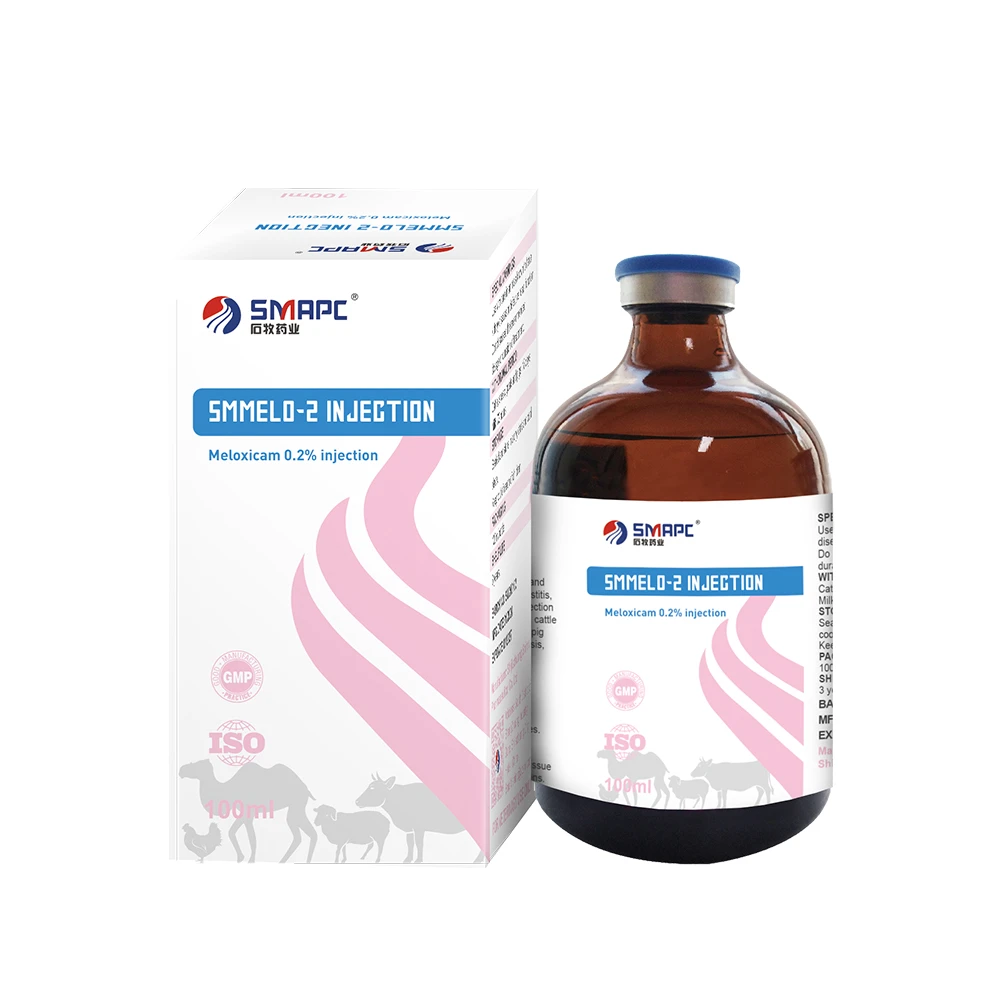
| FarmVet Plus | Meloxicam | Injectable | $ | Affordable, slower onset |
A quick anecdote: I once helped a dairy farmer in Iowa whose prize Holstein was limping badly after stepping onto uneven ground. We administered a trusted injectable NSAID, and I swear, by the next day, the cow was nearly back to her usual brisk walk. This kind of quick, effective relief not only protects the animal’s welfare but also preserves productivity — which any industrial-minded farmer will tell you is the bottom line.
Frankly, there’s a bit of art mixed with the science here. Timing, dosage accuracy, and knowing when to call in a vet versus treating on-site all matter. Most importantly, always follow label instructions — withdrawal times for meat and milk are critical to avoid residue risks. It feels odd to stress this, but in my years, I’ve seen folks skimp on the basics and regret it.
So if you’re scouting for quality cow leg pain medicine, remember that the best product is the one that’s proven to work under your specific farm conditions, with solid supplier support and transparent data backing it. It’s kind of like choosing the right industrial gear: all parts must mesh perfectly to get the job done.
In the end, taking good care of your herd’s legs is not just kindness — it’s sound business sense.
References:
- Paggi et al., “NSAIDs in Bovine Medicine: Mechanisms and Applications,” J. Vet Pharmacol Ther, 2021.
- USDA Animal Health Reports, 2022.
- Smith & Co., “Best Practices for Livestock Pain Management,” 2019 Field Guide.
-
Choosing the Best Worm Medicine for Goats for Herd HealthNewsApr.16,2026
-
Comprehensive Guide to Professional Goat Medication and Herd HealthNewsApr.09,2026
-
Comprehensive Tick Treatment for Sheep A Guide to Control and PreventionNewsApr.07,2026
-
Comprehensive Guide to Effective Mite Treatment for Goats and PreventionNewsApr.04,2026
-
Comprehensive Veterinary Medicine for Sheep Health and Disease PreventionNewsMar.31,2026
-
Comprehensive Guide to Goat Health and Effective Goats Medicine SolutionsNewsMar.28,2026