Disinfectant used in veterinary clinics is a critical component of animal healthcare, playing a vital role in preventing the spread of infectious diseases. The increasing prevalence of zoonotic diseases – those transmissible between animals and humans – underscores the importance of robust disinfection protocols. Effective disinfectants protect not only animal populations but also veterinary staff and the broader public, safeguarding public health and supporting responsible animal care practices globally.
The veterinary disinfectant market is experiencing consistent growth, driven by factors like rising pet ownership, increased awareness of biosecurity risks, and advancements in disinfectant technology. Stringent regulations regarding animal health and welfare in many countries further fuel this demand. Understanding the properties, applications, and proper usage of disinfectant used in veterinary clinics is therefore paramount for veterinary professionals and animal care facilities.
Choosing the right disinfectant involves considering factors like the type of microorganism targeted, surface compatibility, contact time, and safety for both animals and personnel. This knowledge ensures the maintenance of a hygienic environment, crucial for successful diagnoses, treatments, and overall animal well-being. Effective disinfection is not simply a procedural step, but a cornerstone of preventative medicine within veterinary practice.
Introduction: The Importance of Disinfection in Veterinary Medicine
The effective use of disinfectant used in veterinary clinics is fundamental to minimizing the risk of disease transmission within animal care facilities. Hospitals, clinics, grooming salons, and boarding kennels all require diligent disinfection routines to protect vulnerable animal populations and maintain a safe working environment. A comprehensive disinfection strategy includes appropriate product selection, proper dilution, adequate contact time, and thorough application to all surfaces.
Beyond preventative measures, robust disinfection protocols are essential for managing outbreaks of infectious diseases. Rapid and effective disinfection can help contain the spread of pathogens, minimizing morbidity and mortality rates. This is particularly crucial in the face of emerging infectious diseases and the increasing threat of antimicrobial resistance. Choosing the appropriate disinfectant used in veterinary clinics is vital for combating a wide range of pathogens.
Defining Disinfectant Used in Veterinary Clinics
Disinfectant used in veterinary clinics refers to chemical agents designed to destroy or inactivate microorganisms on inanimate surfaces. Unlike antiseptics, which are safe for use on living tissue, disinfectants are specifically formulated for use on non-living objects such as floors, walls, equipment, and cages. These agents target bacteria, viruses, fungi, and some bacterial spores, contributing significantly to infection control.
The efficacy of disinfectant used in veterinary clinics depends on several factors including concentration, contact time, temperature, and the presence of organic matter. Different types of disinfectants utilize various mechanisms of action, ranging from disrupting cell membranes to interfering with metabolic processes. Selecting the correct disinfectant based on the targeted pathogen and the surface being treated is essential for optimal results.
Modern veterinary disinfectants are often formulated to be broad-spectrum, meaning they are effective against a wide range of microorganisms. However, understanding the specific limitations of each disinfectant and following manufacturer’s instructions are crucial for maximizing its effectiveness and ensuring a safe environment. This involves proper dilution ratios, recommended contact times, and appropriate ventilation.
Key Components of Effective Disinfection Protocols
One critical component is spectrum of activity. A broad-spectrum disinfectant used in veterinary clinics should effectively target a wide range of pathogens common in veterinary settings. This minimizes the need for multiple disinfectants and simplifies the disinfection process.
Contact time is another vital factor. Disinfectants require a specific amount of time in contact with a surface to effectively kill microorganisms. Insufficient contact time can lead to incomplete disinfection and a continued risk of infection. Always adhere to the manufacturer's recommended contact time for optimal efficacy.
Surface compatibility is also key. Certain disinfectants can damage or corrode specific surfaces. Selecting a disinfectant that is compatible with the materials being treated ensures that the disinfection process doesn’t cause additional damage or safety hazards. Furthermore, the proper dilution must be observed, as deviations can reduce effectiveness or increase toxicity.
Practical Applications of Veterinary Disinfectants
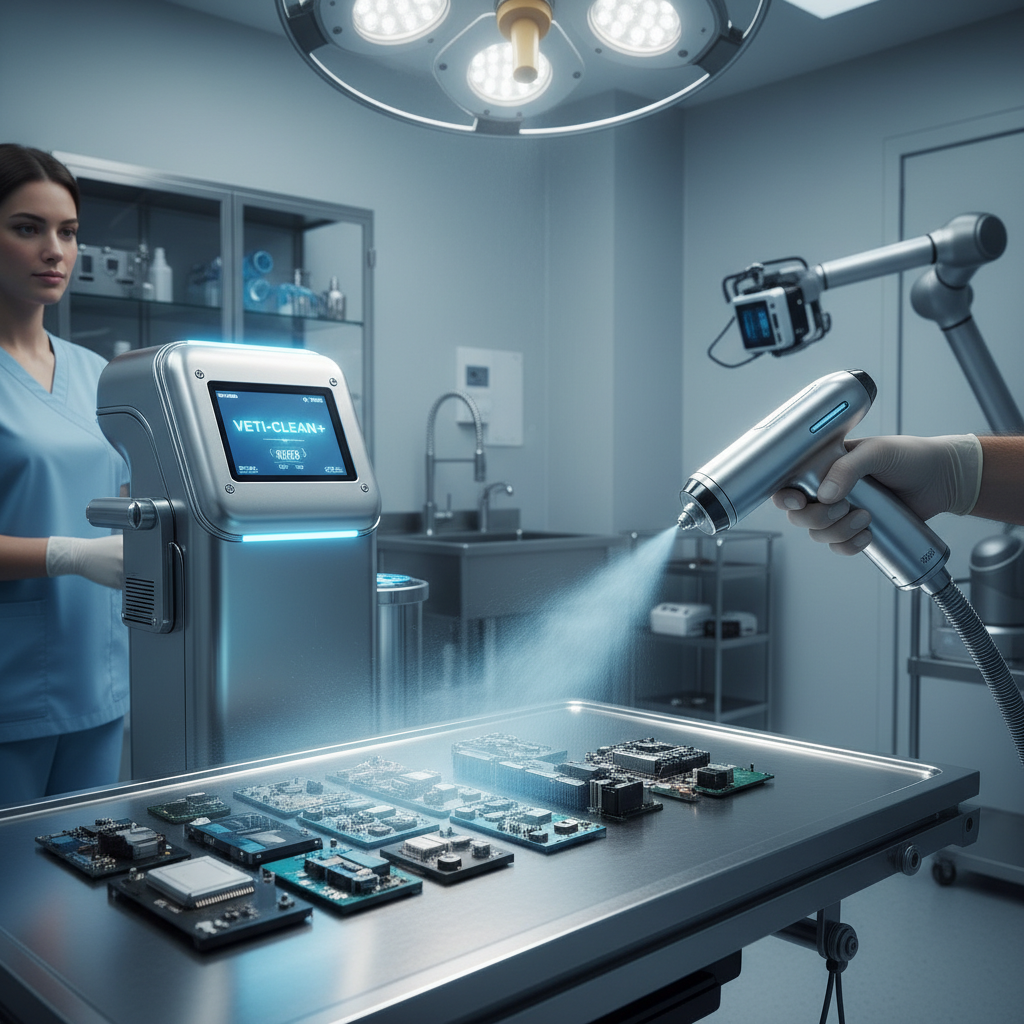
Disinfectant used in veterinary clinics finds extensive application in surgical suites, where maintaining a sterile environment is paramount to prevent post-operative infections. Thorough disinfection of surgical instruments, operating tables, and surrounding surfaces is essential. Similarly, isolation wards for animals with infectious diseases require rigorous disinfection protocols to prevent cross-contamination.
Routine cleaning and disinfection of animal housing areas, such as cages and kennels, are vital for minimizing the spread of pathogens. This includes regular disinfection of floors, walls, and feeding/watering equipment. Grooming areas and dental procedure rooms also require frequent disinfection to protect both animals and staff.
Effectiveness of Different Disinfectant Methods
Global Impact and Usage Scenarios
The demand for effective disinfectant used in veterinary clinics is globally consistent, with particularly high usage in regions with intensive livestock farming and a high prevalence of companion animals. Developed nations like the United States, Canada, and countries within the European Union maintain stringent regulations regarding animal health and biosecurity, driving the adoption of advanced disinfection technologies.
In developing countries, the need for affordable and accessible disinfectants is often greater, particularly in areas with limited veterinary resources. However, improper use and a lack of awareness can lead to ineffective disinfection and increased risk of disease outbreaks. International organizations and NGOs play a crucial role in providing training and resources to promote responsible disinfection practices.
Furthermore, the increasing global trade in animals and animal products necessitates standardized disinfection protocols to prevent the international spread of infectious diseases. Collaboration between veterinary authorities and international organizations is essential for effective disease surveillance and control.
Advantages of Utilizing Advanced Disinfectants
Employing advanced disinfectant used in veterinary clinics offers several tangible benefits. They often exhibit faster kill times, reducing the risk of pathogen transmission. Their improved efficacy minimizes the need for repeated applications, saving both time and resources. Many advanced formulations also demonstrate lower toxicity levels compared to older disinfectants, enhancing safety for animals and personnel.
From a logistical perspective, concentrated disinfectants reduce storage space requirements and transportation costs. This is particularly advantageous for large veterinary facilities or mobile veterinary services. Selecting disinfectants with proven efficacy against a broad spectrum of pathogens contributes to a more proactive and comprehensive approach to infection control.
Future Trends and Challenges in Veterinary Disinfection
The future of veterinary disinfection is likely to be shaped by several emerging trends. There is increasing interest in environmentally friendly disinfectants that minimize the ecological impact. The development of novel antimicrobial agents, including those based on nanotechnology and photodynamic therapy, holds promise for more effective and targeted disinfection.
A significant challenge lies in addressing antimicrobial resistance. The overuse of certain disinfectants can contribute to the development of resistant microorganisms, rendering these agents less effective over time. Adopting a judicious approach to disinfectant selection and implementing rotation strategies can help mitigate this risk. Further research is also needed to develop disinfectants that are effective against biofilms – communities of microorganisms that are highly resistant to disinfection.
Summary of Key Challenges and Solutions in Veterinary Disinfection
| Challenge |
Impact on Disinfection |
Potential Solutions |
Implementation Level |
| Antimicrobial Resistance |
Reduced disinfectant effectiveness over time. |
Disinfectant rotation, utilizing alternative agents. |
Medium |
| Biofilm Formation |
Increased microbial survival and resistance. |
Employing detergents prior to disinfection, utilizing biofilm-penetrating disinfectants. |
High |
| Organic Matter Interference |
Neutralization of disinfectant activity. |
Thorough pre-cleaning to remove organic debris. |
Low |
| Incorrect Dilution |
Reduced efficacy or potential toxicity. |
Automated dilution systems, clear labeling, and staff training. |
Medium |
| Insufficient Contact Time |
Incomplete microbial inactivation. |
Strict adherence to manufacturer’s recommendations, monitoring procedures. |
Low |
| Environmental Concerns |
Negative impact on ecosystems and human health. |
Adopting eco-friendly disinfectant formulations and responsible disposal practices. |
High |
FAQS
Disinfectants are used on inanimate surfaces to kill microorganisms, while antiseptics are applied to living tissue. Disinfectants are generally more potent and can be toxic to living cells, whereas antiseptics are formulated to be safe for use on skin and mucous membranes. The choice between the two depends on the application – disinfection for surfaces, antisepsis for wound care or surgical preparation.
High-touch surfaces, such as door handles, countertops, and examination tables, should be disinfected frequently – ideally after each patient contact. At a minimum, these surfaces should be disinfected at least twice daily, and more often if there’s visible contamination. Consistent disinfection is vital for preventing the spread of pathogens.
Contact time refers to the amount of time a disinfectant must remain wet on a surface to achieve its stated efficacy. Insufficient contact time allows microorganisms to survive, rendering the disinfection ineffective. Always follow the manufacturer's instructions regarding contact time, ensuring the surface remains visibly wet for the specified duration.
No, disinfectants should not be used interchangeably without careful consideration. Different disinfectants have different spectra of activity and are effective against different types of microorganisms. Using the wrong disinfectant may not eliminate the targeted pathogens. Always select a disinfectant appropriate for the specific situation and follow manufacturer’s guidelines.
Disinfectants should be stored in a cool, dry, well-ventilated area, away from direct sunlight and heat sources. Keep containers tightly closed to prevent evaporation and contamination. Always store disinfectants out of reach of children and animals. Refer to the product label for specific storage instructions.
Always wear appropriate personal protective equipment (PPE), such as gloves and eye protection, when handling disinfectants. Ensure adequate ventilation to avoid inhaling fumes. Avoid contact with skin and eyes. If contact occurs, rinse thoroughly with water. Always read and follow the safety guidelines on the product label.
Conclusion
In conclusion, the strategic implementation of disinfectant used in veterinary clinics is not merely a hygiene practice, but a fundamental pillar of animal health, public safety, and responsible veterinary medicine. From preventing disease transmission within clinics to mitigating the spread of zoonotic illnesses, effective disinfection protocols are essential for protecting both animal and human populations. Understanding the nuances of disinfectant selection, application, and safety is crucial for all veterinary professionals.
Looking ahead, advancements in disinfectant technology, coupled with a growing emphasis on sustainability and antimicrobial stewardship, will undoubtedly shape the future of veterinary disinfection. Continued research, rigorous training, and a commitment to best practices are vital for ensuring that disinfectant used in veterinary clinics remains a powerful tool in safeguarding animal and public health. For further information and a wide range of disinfectant solutions, visit our website at SkyVetPharm.