Vet disinfectant plays a crucial role in maintaining hygiene and preventing the spread of diseases in veterinary settings. Its importance extends beyond simply cleaning surfaces; it's a cornerstone of infection control protocols, protecting both animal and human health. The effective use of a quality vet disinfectant directly impacts the wellbeing of animals under care and safeguards the veterinary staff responsible for their treatment.
Globally, the demand for effective vet disinfectant is consistently rising, driven by increased awareness of zoonotic diseases, expanding animal populations, and stricter regulatory standards. The veterinary healthcare market is experiencing substantial growth, and with it, the need for advanced disinfection solutions. This trend is further amplified by the increasing complexity of veterinary procedures and the vulnerability of immunocompromised animals.
Understanding the principles of vet disinfectant, including its chemical composition, modes of action, and appropriate applications, is vital for veterinary professionals. Proper selection and implementation of disinfection protocols contribute significantly to reducing healthcare-associated infections and maintaining a safe and sanitary environment for both animals and humans within veterinary facilities.
The Importance of Vet Disinfectant
The core function of any vet disinfectant is to eliminate or reduce the number of pathogenic microorganisms on inanimate surfaces. This is essential to break the chain of infection and protect animal populations from disease outbreaks. Choosing the right disinfectant is not merely about its antimicrobial properties, but also its safety for animals and compatibility with various materials found in veterinary facilities.
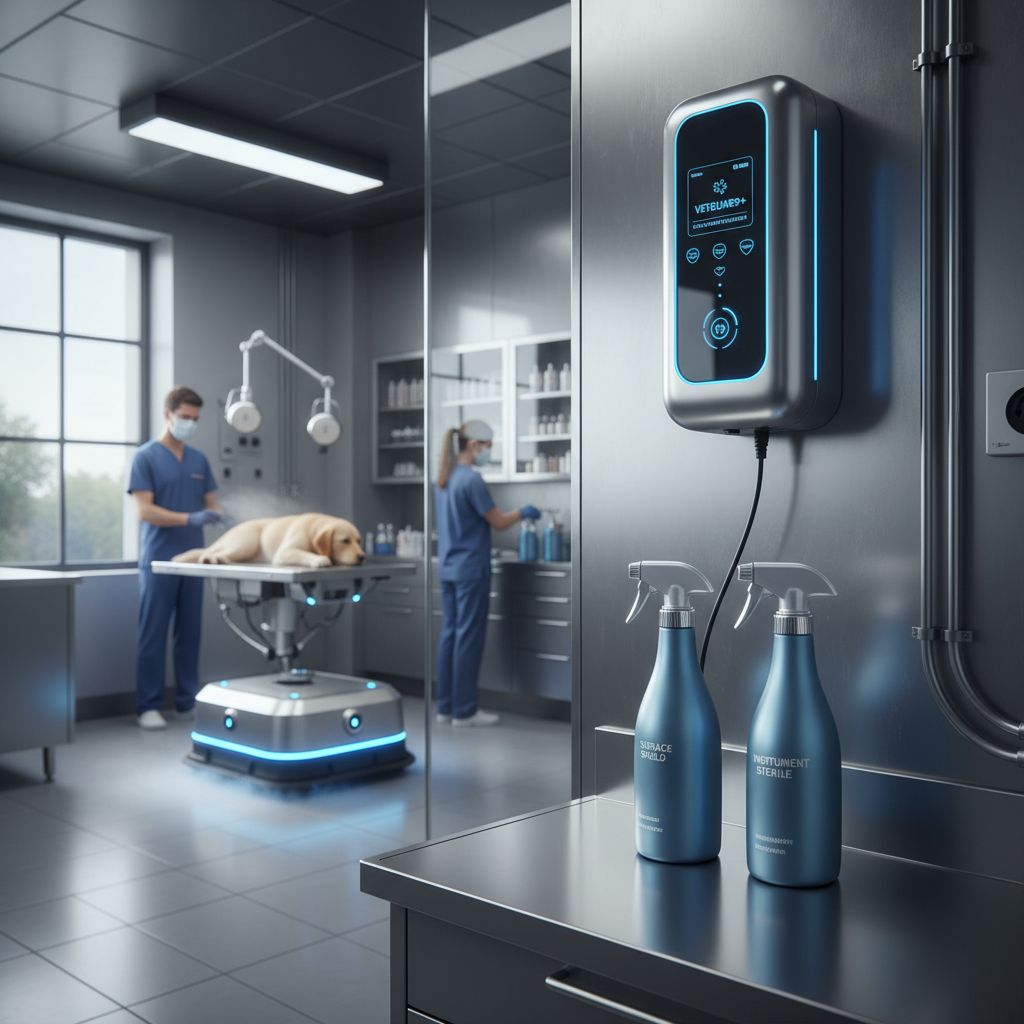
Effective disinfection protocols are particularly vital in environments where animals are housed in close proximity, such as kennels, catteries, and veterinary hospitals. These concentrated animal populations create ideal conditions for the rapid spread of infectious agents. A robust disinfection routine, employing a high-quality vet disinfectant, acts as a critical preventative measure, limiting the impact of disease and contributing to the overall welfare of the animals.
Defining Vet Disinfectant
Vet disinfectant is a chemical agent specifically formulated to destroy or inactivate microorganisms, including bacteria, viruses, fungi, and spores, on non-living surfaces within veterinary settings. It differs from antiseptics, which are used on living tissue, by its application to inanimate objects such as floors, cages, surgical instruments, and examination tables.
The development of modern vet disinfectants is deeply connected to advancements in microbiology and infection control. As our understanding of disease transmission has evolved, so too have the formulations and application methods of these critical products. They address a fundamental need in modern veterinary medicine – to create a hygienic environment that minimizes the risk of infection.
The selection of a suitable vet disinfectant depends on several factors, including the types of microorganisms targeted, the surfaces being disinfected, and the potential for animal exposure. A vet disinfectant must be effective, safe, and compatible with the specific needs of the veterinary practice or facility.
Key Components of Effective Vet Disinfectant
Spectrum of Activity: A broad-spectrum vet disinfectant should be effective against a wide range of pathogens commonly found in veterinary environments, including Gram-positive and Gram-negative bacteria, viruses, and fungi. This ensures comprehensive protection against diverse infectious agents.
Contact Time: The contact time refers to the duration a disinfectant needs to remain on a surface to achieve effective microbial killing. Shorter contact times are desirable for practical efficiency, but efficacy should not be compromised. The chosen vet disinfectant should provide adequate contact time for its intended use.
Material Compatibility: The disinfectant should be compatible with the materials commonly found in veterinary facilities, such as stainless steel, plastic, rubber, and porous surfaces. Incompatibility can lead to corrosion, damage, or reduced disinfectant effectiveness.
Global Applications of Vet Disinfectant
Vet disinfectant is indispensable in a wide array of veterinary settings across the globe. From small private practices to large animal hospitals and research facilities, maintaining a sterile environment is paramount. This is especially critical in surgical theaters, diagnostic labs, and intensive care units.
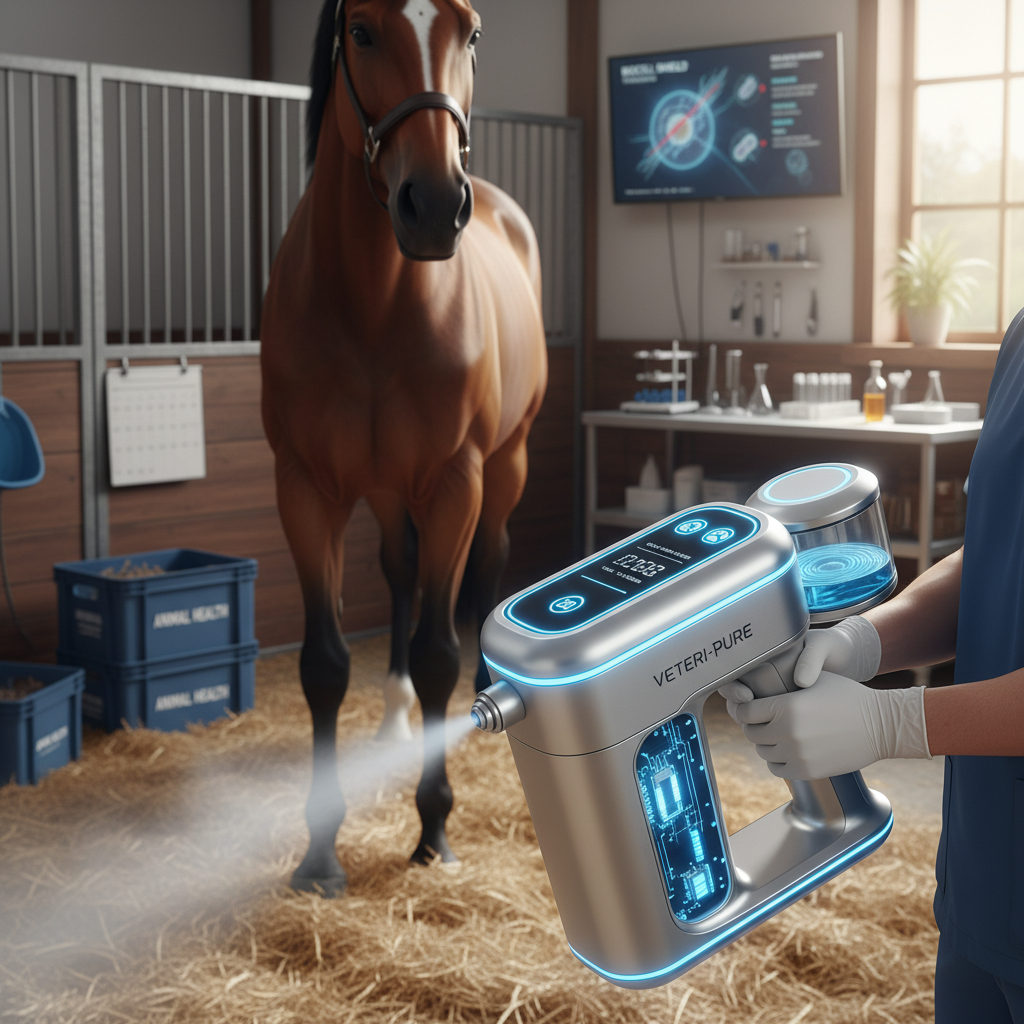
In regions with high animal density, such as intensive livestock farming areas in Europe and Asia, vet disinfectants are extensively used for biosecurity measures to prevent and control disease outbreaks. Similarly, in countries with large companion animal populations, like the United States and Canada, veterinary clinics and boarding facilities rely heavily on effective disinfectants.
During disease outbreaks – such as avian influenza or foot-and-mouth disease – vet disinfectant plays a vital role in containment efforts. Governments and veterinary authorities often implement strict disinfection protocols to limit the spread of infection and protect animal populations. Vet disinfectant is frequently deployed in quarantine zones and on farms affected by the disease.
Vet Disinfectant Efficacy Comparison
Advantages and Long-Term Value of Vet Disinfectant
The consistent and correct application of vet disinfectant offers tangible benefits, starting with reduced incidence of healthcare-associated infections. This translates directly into lower treatment costs, shorter hospital stays, and improved animal outcomes. Furthermore, a commitment to high standards of hygiene enhances the reputation of the veterinary practice and fosters client trust.
Beyond the economic advantages, the use of effective vet disinfectants has a significant social impact. By preventing the spread of zoonotic diseases, we protect not only animal health but also human public health. A proactive approach to disinfection contributes to a safer and healthier community for everyone.
Future Trends in Vet Disinfectant Technology
The future of vet disinfectant is leaning towards environmentally friendly and sustainable formulations. There’s growing demand for disinfectants with reduced toxicity, biodegradability, and minimal environmental impact. Research is focused on developing alternatives to traditional chlorine-based disinfectants.
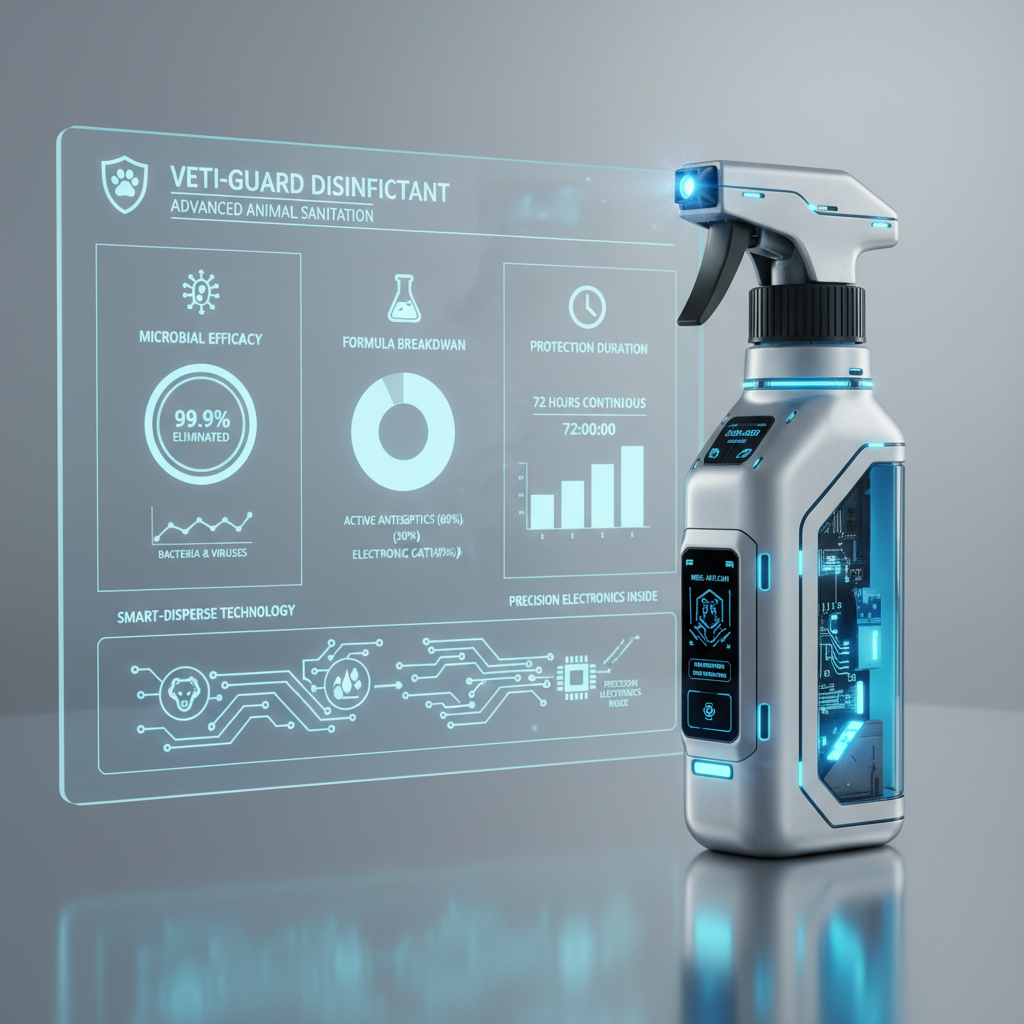
Another trend is the development of “smart” disinfectants incorporating sensors that can monitor disinfection levels and provide real-time feedback. This enables more precise and effective application, ensuring optimal hygiene. Digital technologies, like automated disinfection systems and data analytics, are also poised to revolutionize infection control in veterinary settings.
Challenges and Solutions in Vet Disinfectant Use
One common challenge is disinfectant resistance. Overuse or improper application of certain disinfectants can lead to microorganisms developing resistance, rendering the product ineffective. This underscores the importance of rotating disinfectants and following manufacturer’s instructions carefully.
Another challenge is ensuring consistent and thorough disinfection practices. Staff training is crucial to ensure that all personnel understand proper disinfection protocols and adhere to them consistently. Regular audits and monitoring programs can help identify areas for improvement.
Innovative solutions, such as incorporating UV-C light disinfection alongside chemical disinfectants, are being explored to enhance efficacy and address resistance concerns. Furthermore, the development of more user-friendly and efficient disinfection technologies can help overcome practical barriers to implementation.
Summary of Vet Disinfectant Challenges and Proposed Solutions
| Challenge |
Impact on Vet Disinfectant Use |
Proposed Solution |
Implementation Level |
| Disinfectant Resistance |
Reduced effectiveness of certain vet disinfectants. |
Rotate disinfectant types, use combinations, and adhere to recommended contact times. |
High |
| Inconsistent Application |
Uneven disinfection coverage and increased risk of infection. |
Enhanced staff training, standardized protocols, and regular audits. |
Medium |
| Material Incompatibility |
Damage to surfaces and potential release of harmful chemicals. |
Select vet disinfectants compatible with common veterinary materials. |
High |
| Environmental Concerns |
Negative impact of harsh chemicals on the environment. |
Utilize eco-friendly and biodegradable vet disinfectant formulations. |
Medium |
| Cost Constraints |
Limited budget for high-quality vet disinfectant products. |
Negotiate with suppliers, explore concentrated formulations, and optimize usage. |
Low-Medium |
| Lack of Monitoring |
Inability to assess disinfection effectiveness. |
Implement routine surface testing and ATP monitoring programs. |
Medium |
FAQS
Disinfectants are used on inanimate surfaces to kill microorganisms, while antiseptics are used on living tissue. Antiseptics are formulated to be less toxic to living cells, while disinfectants are typically stronger and not suitable for use on skin or wounds. Choosing the correct product – a vet disinfectant for surfaces and an antiseptic for animal skin – is critical for effective infection control.
The frequency of disinfection depends on the surface and the level of potential contamination. High-touch surfaces like exam tables, floors, and kennels should be disinfected after each patient. Surgical areas require more frequent and rigorous disinfection protocols. Always follow the manufacturer's instructions for your chosen vet disinfectant, and consider creating a routine disinfection schedule.
Several factors impact effectiveness, including the concentration of the disinfectant, contact time, temperature, pH level, the presence of organic matter, and the type of microorganism. Ensuring proper dilution, adequate contact time, and thorough cleaning prior to disinfection are essential. Organic matter can neutralize some disinfectants, reducing their efficacy.
Not all vet disinfectants are equally safe. It’s crucial to choose a product specifically formulated for veterinary use and carefully read the label for safety precautions. Avoid using disinfectants with harsh chemicals that can cause irritation or toxicity to animals. Ensure adequate ventilation during and after disinfection to minimize exposure.
To minimize the risk of disinfectant resistance, rotate different classes of disinfectants regularly. Avoid using the same disinfectant continuously, as this can select for resistant microorganisms. Maintain proper dilution rates and contact times, and ensure thorough cleaning prior to disinfection. Implement a comprehensive infection control program.
Store vet disinfectant in a cool, dry, and well-ventilated area, away from direct sunlight and heat sources. Keep containers tightly closed when not in use. Follow the manufacturer’s storage instructions, as some disinfectants may have specific requirements. Ensure proper labeling and segregation of different chemical products.
Conclusion
In conclusion, effective vet disinfectant protocols are fundamental to maintaining animal health, safeguarding public health, and ensuring the smooth operation of veterinary facilities globally. The right vet disinfectant, combined with diligent application and a commitment to infection control principles, provides a powerful defense against the spread of disease. Understanding the key components of effective disinfection, the latest advancements in technology, and the challenges associated with its use is essential for veterinary professionals.
Looking ahead, the focus will likely shift towards more sustainable, environmentally friendly disinfectants and the integration of digital technologies to optimize disinfection processes. Investing in comprehensive training programs and adhering to best practices will be crucial for maximizing the benefits of vet disinfectant and protecting animal and human health for years to come. For high-quality and reliable vet disinfection solutions, visit our website: www.skyvetpharm.com.