Oct . 22, 2025 16:45 Back to list
Veterinary Antibiotic Injection List | GMP-Grade, Fast Ship
A grounded look at what’s actually in a Veterinary Antibiotic Injection List right now
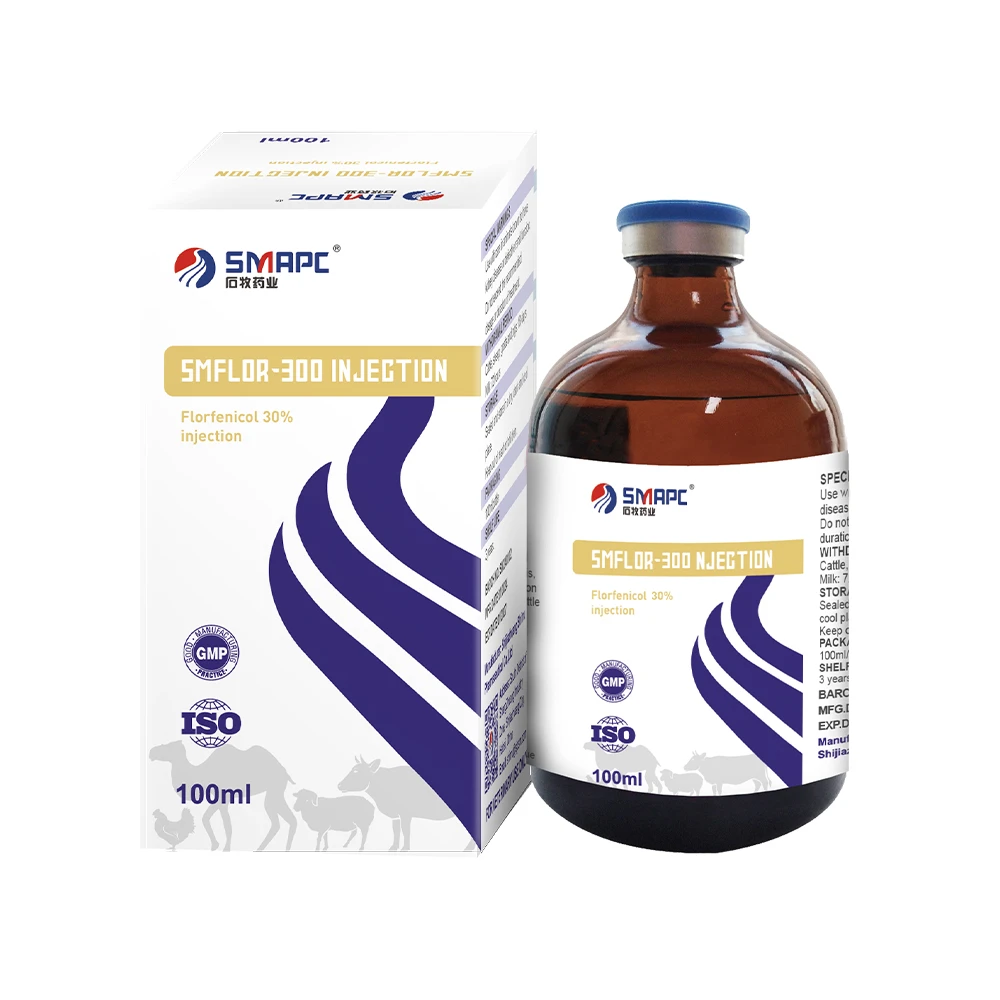
If you’re skimming the market and need a practical, procurement-friendly overview, start here: Veterinary Antibiotic Injection List. The standout in many tenders this quarter has been Florfenicol Injection—amphenicol-class, solid tissue penetration, and widely relied upon by cattle and swine operators for Pasteurella and E. coli problems. I’ve visited factories across Hebei and Shandong over the years, and, to be honest, consistency and sterility control matter more than flashy brochures. This one comes from the South District of Shangzhuang Industry Zone, Shijiazhuang, Hebei, China, which has become an active hub for sterile veterinary injectables.
Industry trends you should actually care about
- Steady shift toward GMP-aligned sterile lines and tighter endotoxin caps (USP )—not just marketing talk.
- Preference for 300 mg/mL formats to reduce injection volume; vets say it improves compliance in the field.
- More requests for regulatory dossiers and batch-wise CoAs due to AMR stewardship audits.
Product snapshot: Florfenicol Injection (veterinary use only)
Composition: Each 1 mL contains Florfenicol 100 mg / 200 mg / 300 mg. Indications: amphenicol antibiotic for treatment of Pasteurella and E. coli infections in livestock, used under veterinary direction. Real-world use may vary by region and label.
| Parameter | Typical Spec (≈) |
| Active Ingredient | Florfenicol 100/200/300 mg/mL |
| Appearance | Clear, sterile solution |
| pH | ≈4.5–6.5 |
| Assay (API) | 98–102% (release) |
| Endotoxin | ≤0.5 EU/mL (USP <85>) |
| Sterility | Meets USP <71> |
| Service Life | 24–36 months (real-world depends on pack and storage) |
| Packaging | 50 mL / 100 mL vials; cartons, export pallets |
Process flow (how it’s actually made)
- Materials: pharm-grade Florfenicol API, sterile-grade solvents/excipients, Type I glass vials, bromobutyl stoppers.
- Methods: solution prep under nitrogen, 0.22 μm sterile filtration, depyrogenated vials, aseptic filling, crimping.
- Testing: assay/impurities (USP/Ph. Eur.), sterility (USP <71>), endotoxin (USP <85>), particulates (USP <788>), stability per VICH GL3(R).
- Service life: validated via accelerated/long-term stability; store in a cool, dry place, protect from light.
- Industries served: cattle and swine operations, veterinary hospitals, distributors.
Application scenarios and advantages
- Bovine and swine respiratory or enteric cases linked to Pasteurella/E. coli, as directed by a licensed veterinarian.
- Advantages: convenient high-strength options (up to 300 mg/mL), consistent PK, and reliable sterility controls.
- Note: Follow local residue and withdrawal rules; stewardship matters.
Vendor comparison (quick procurement view)
| Vendor | Compliance | Lead Time | Customization | Notes |
| Factory (Shijiazhuang, Hebei) | GMP-aligned, ISO 9001 | ≈20–35 days | Strengths, labels, pack sizes | Direct QC, dossier support |
| Regional Trading Co. | Varies by supplier | ≈30–45 days | Moderate | Convenient bundling; higher margin |
| Small Exporter | Inconsistent | ≈35–60 days | Limited | Check sterility track record |
Customization and field feedback
Common requests: 100/200/300 mg/mL variants, 50/100 mL vials, private label artwork, and bilingual cartons. Many customers say the higher-strength fill cuts labor in large pens. It seems that viscosity and needle glide are acceptable even at 300 mg/mL—still, batch-to-batch QC is key.
Case study (abbreviated)
A Hebei feedlot (≈8,000 head) switched to 300 mg/mL Florfenicol Injection during a seasonal Pasteurella uptick. Over 6 weeks, retreatments reportedly dropped around 15–20% versus their previous lot-to-lot mix, with no sterility deviations on incoming CoAs. Results are site-specific, but the operational simplicity mattered.
Certifications, test data, and standards
- Factory: GMP-aligned sterile facility; ISO 9001 QMS.
- Typical release data: Assay 99.2%; Endotoxin 0.2 EU/mL; Particulates pass USP <788>; Sterility pass USP <71>.
- Stability guided by VICH GL3(R); AMR stewardship per WOAH/FAO guidelines.
If your purchasing checklist includes a Veterinary Antibiotic Injection List for the next cycle, shortlisting Florfenicol Injection with the above specs, QC claims, and origin transparency is a pragmatic move—just ensure alignment with your local regulations and veterinary protocols.
Authoritative citations
- USP <71> Sterility Tests; USP <85> Bacterial Endotoxins Test; USP <788> Particulate Matter in Injections.
- VICH GL3(R): Stability Testing of New Veterinary Drug Substances and Medicinal Products.
- WHO GMP: Annex 2, WHO Technical Report Series—Good manufacturing practices for sterile pharmaceutical products.
- WOAH (OIE) Antimicrobial Resistance Portal: prudent use recommendations in veterinary medicine.
- Ph. Eur. general chapters for sterile preparations (where applicable) and related substances testing.
-
Choosing the Best Worm Medicine for Goats for Herd HealthNewsApr.16,2026
-
Comprehensive Guide to Professional Goat Medication and Herd HealthNewsApr.09,2026
-
Comprehensive Tick Treatment for Sheep A Guide to Control and PreventionNewsApr.07,2026
-
Comprehensive Guide to Effective Mite Treatment for Goats and PreventionNewsApr.04,2026
-
Comprehensive Veterinary Medicine for Sheep Health and Disease PreventionNewsMar.31,2026
-
Comprehensive Guide to Goat Health and Effective Goats Medicine SolutionsNewsMar.28,2026