Mar . 24, 2026 02:25 Back to list
Comprehensive Guide to Effective Wart Medicine for Cattle and Treatment Options
Understanding Wart Medicine for Cattle: A Comprehensive Guide
Warts, medically known as papillomas, are a common skin condition affecting cattle worldwide. These growths, caused by the bovine papillomavirus (BPV), can impact animal welfare and potentially lead to economic losses for farmers. Choosing the right wart medicine for cattle is critical for effective treatment and prevention. This article provides a detailed overview of bovine warts, treatment options, preventative measures, and factors to consider when selecting a suitable medication. Early detection and appropriate treatment are key to minimizing the spread and impact of this condition.
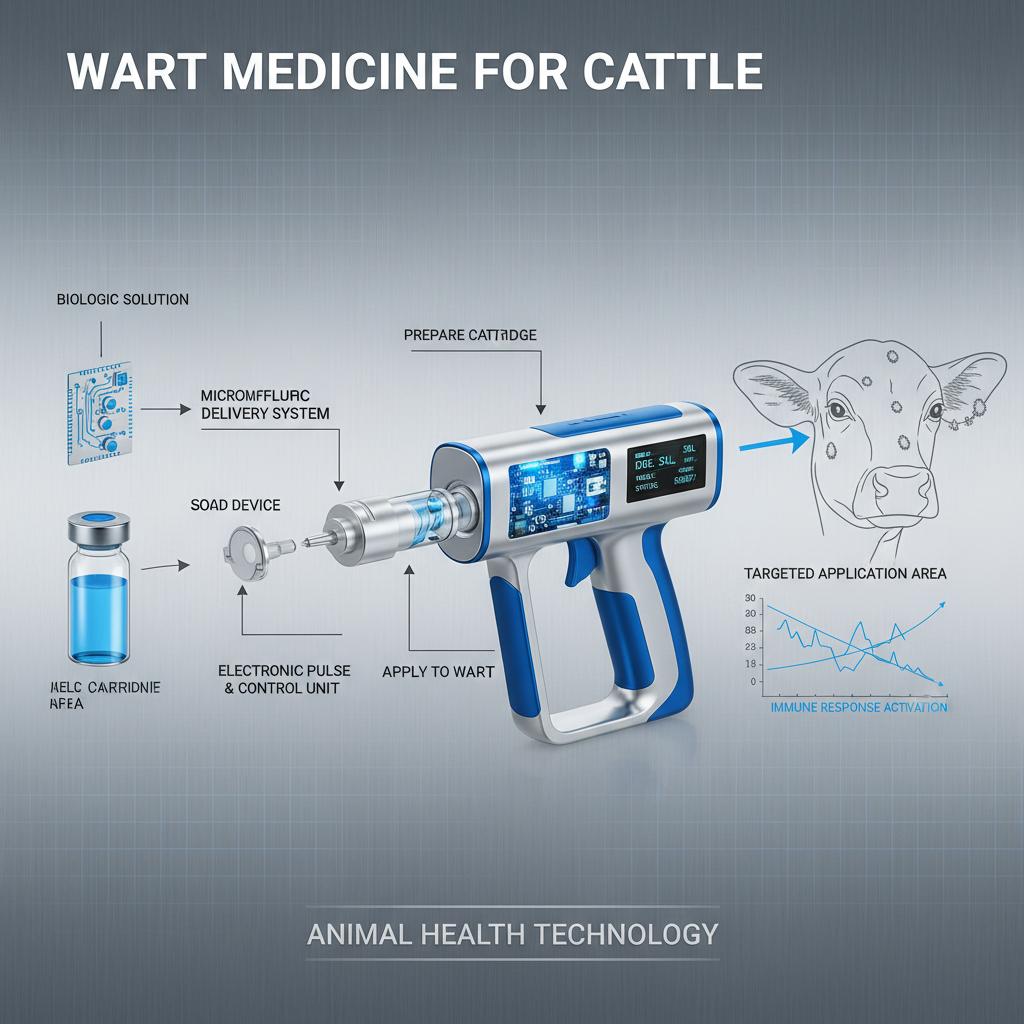
What are Bovine Warts and How Do They Spread?
Bovine warts are benign, contagious tumors that typically appear as fleshy, cauliflower-like growths on the skin. They are most commonly found around the eyes, mouth, and udder, but can occur anywhere on the body. The virus is spread through direct contact with infected animals, or indirectly via contaminated equipment, fences, or housing. Warts are more prevalent in younger cattle with weaker immune systems. While typically not life-threatening, warts can cause discomfort, interfere with feeding, and reduce the market value of affected animals. The incubation period can vary from a few weeks to several months, making early detection challenging.
Key Points: Bovine warts are caused by a virus, are highly contagious, and are most common in young cattle. Proper hygiene and biosecurity measures are essential for prevention.
Choosing the Right Wart Medicine for Cattle
Selecting the appropriate wart medicine for cattle depends on several factors, including the size and number of warts, the animal’s age and overall health, and the farmer’s preference. Common treatment options include topical applications, immunostimulants, and surgical removal. Topical medications typically contain salicylic acid or other keratolytics that dissolve the wart tissue. Immunostimulants help boost the animal’s immune system to fight off the virus. Surgical removal, while effective, can be costly and may require sedation. Always consult with a veterinarian to determine the most suitable treatment plan for your herd.
Treatment Options at a Glance:
• Topical Applications: Salicylic acid, keratolytics.
• Immunostimulants: Enhance the animal's immune response.
• Surgical Removal: Effective, but can be costly.
• Autogenous Vaccines: Custom vaccines created from the wart tissue
Comparing Common Treatment Methods
Different treatment methods offer varying levels of efficacy, cost, and convenience. Here’s a comparison of some common approaches:
Preventing the Spread of Bovine Warts
Prevention is often the most effective strategy for managing bovine warts. Implementing strict biosecurity measures can significantly reduce the risk of outbreaks. This includes isolating newly introduced animals, disinfecting equipment regularly, and promptly removing and disposing of infected tissue. Maintaining a clean and dry environment and providing adequate nutrition to support a strong immune system are also crucial. Vaccination, specifically using autogenous vaccines, can be an effective preventative measure for herds with recurring wart issues. Consult your veterinarian to discuss the best preventative strategies for your farm.

Product Specifications and Availability
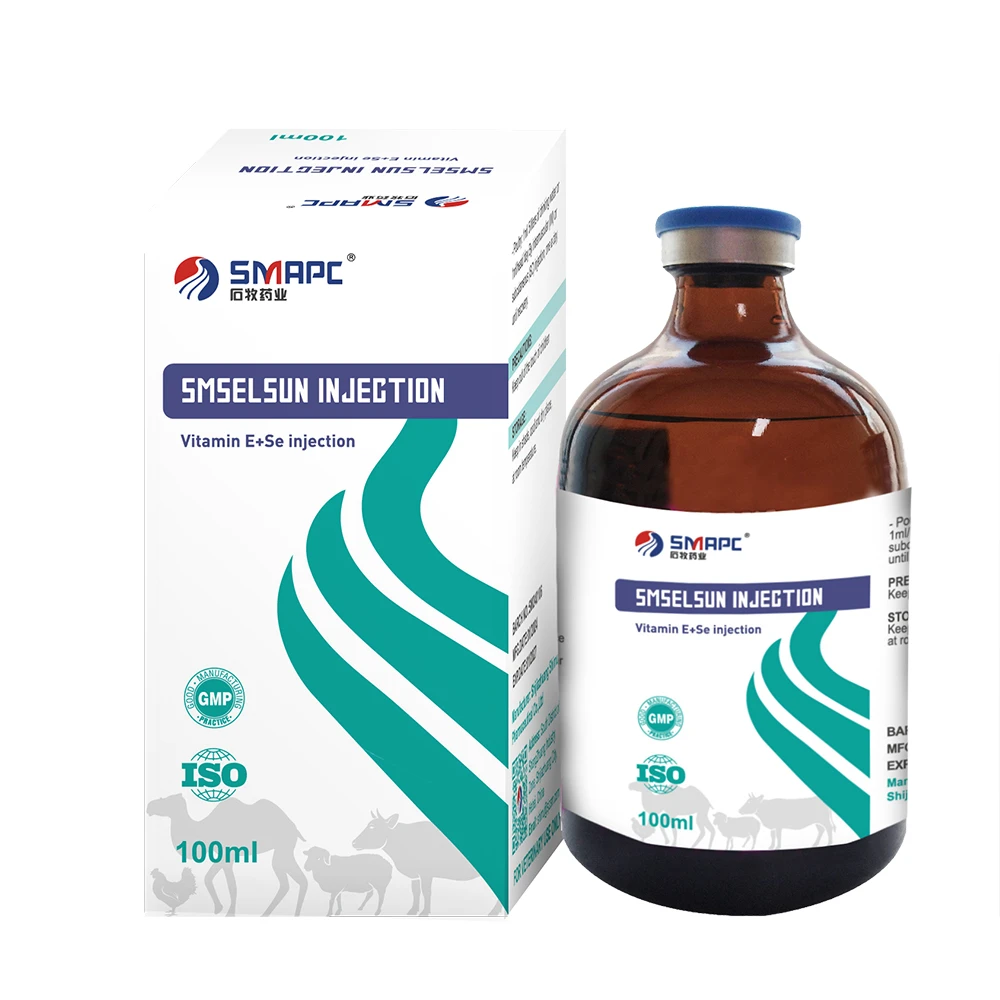
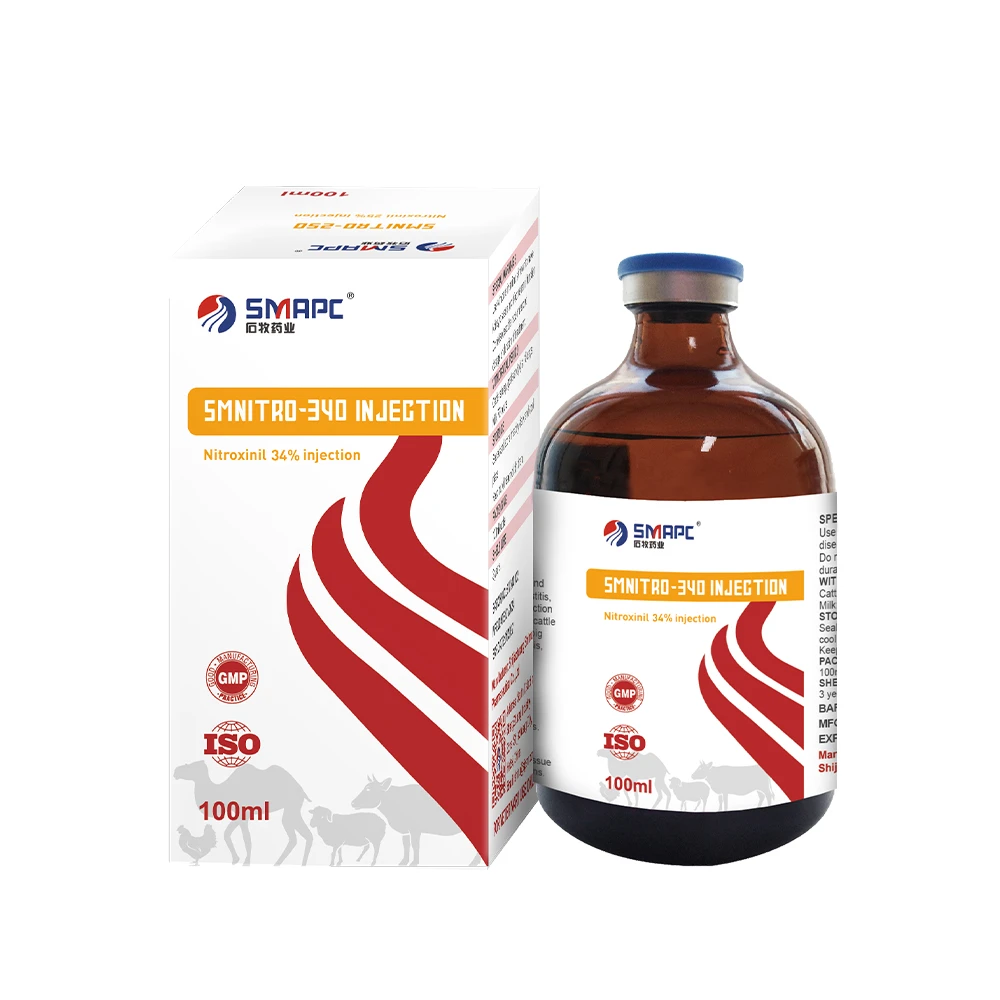
At Sky Vet Pharm, we offer a range of effective solutions for managing bovine warts. Our products are formulated to provide rapid relief and promote healing. Here’s a quick overview of our featured wart medicine:
Conclusion: Effective Wart Management for a Healthy Herd
Managing bovine warts requires a proactive approach that combines effective treatment with preventative measures. By understanding the causes, spread, and treatment options, farmers can minimize the impact of this common condition on their herds. Explore the comprehensive range of animal health solutions at Sky Vet Pharm today.
Frequently Asked Questions (FAQs)
Can bovine warts spread to humans?
While bovine warts are caused by a papillomavirus, the specific strains that affect cattle are generally not zoonotic, meaning they don't typically infect humans. However, it’s still important to practice good hygiene when handling infected animals or their environment. Wash your hands thoroughly after contact, and avoid touching open wounds. Certain strains can cause mild, temporary skin lesions in individuals with compromised immune systems, but this is rare.
What is the best time to start treatment for bovine warts?
The sooner you start treatment, the better. Small warts are easier to treat than large, established ones. Begin treatment as soon as you notice the first signs of warts developing. Early intervention can help prevent the spread of the virus to other animals and minimize the size and number of warts.
Are there any natural remedies for bovine warts?
Some farmers explore natural remedies, such as applying tea tree oil or garlic paste, but their effectiveness is not scientifically proven. It's crucial to consult with a veterinarian before using any alternative treatments, as they may not be effective and could potentially cause adverse reactions. Proven treatments, like those available at Sky Vet Pharm, offer a more reliable and predictable outcome.
How long does it take to see results from wart medicine?
The time it takes to see results varies depending on the treatment method and the severity of the warts. Topical treatments may take several weeks to show noticeable improvement. Immunostimulants typically require a longer period to boost the immune system and clear the warts. Surgical removal provides immediate results but requires healing time. Follow your veterinarian's instructions carefully and monitor the warts for any signs of improvement or worsening.
-
Choosing the Best Worm Medicine for Goats for Herd HealthNewsApr.16,2026
-
Comprehensive Guide to Professional Goat Medication and Herd HealthNewsApr.09,2026
-
Comprehensive Tick Treatment for Sheep A Guide to Control and PreventionNewsApr.07,2026
-
Comprehensive Guide to Effective Mite Treatment for Goats and PreventionNewsApr.04,2026
-
Comprehensive Veterinary Medicine for Sheep Health and Disease PreventionNewsMar.31,2026
-
Comprehensive Guide to Goat Health and Effective Goats Medicine SolutionsNewsMar.28,2026