Feb . 27, 2026 02:15 Back to list
Comprehensive Guide to Selecting the Right Pain Killer Tablet for Cow Health
Pain Killer Tablet for Cow: A Comprehensive Guide
When dealing with livestock, particularly cows, managing pain and inflammation is crucial for their well-being and productivity. A pain killer tablet for cow can be an invaluable tool for veterinarians and farmers alike. This article provides a detailed overview of using pain relief medication in cattle, covering common causes of pain, available treatment options, administration guidelines, and safety precautions. Understanding these aspects will help ensure the effective and responsible use of these medications, optimizing animal health and welfare. Sky Vet Pharm offers a range of veterinary pharmaceuticals designed to meet the needs of your livestock.

Common Causes of Pain in Cows
Cows can experience pain for a multitude of reasons. Common causes include post-surgical pain (e.g., after caesarean section or dehorning), traumatic injuries (cuts, bruises, fractures), mastitis (inflammation of the udder), lameness (foot and leg problems), and metabolic disorders. Recognizing the signs of pain in cattle is essential for prompt intervention. These signs can be subtle and include decreased appetite, reduced milk production, restlessness, reluctance to move, isolation from the herd, and changes in body posture. Providing timely pain relief not only improves animal welfare but also supports faster recovery and minimizes long-term complications. Sky Vet Pharm provides solutions for various health concerns in cattle.
Key Highlights: Understanding the underlying cause of pain is the first step towards effective treatment. Careful observation and veterinary diagnosis are crucial for selecting the appropriate pain relief medication.
Types of Pain Killer Tablets for Cows
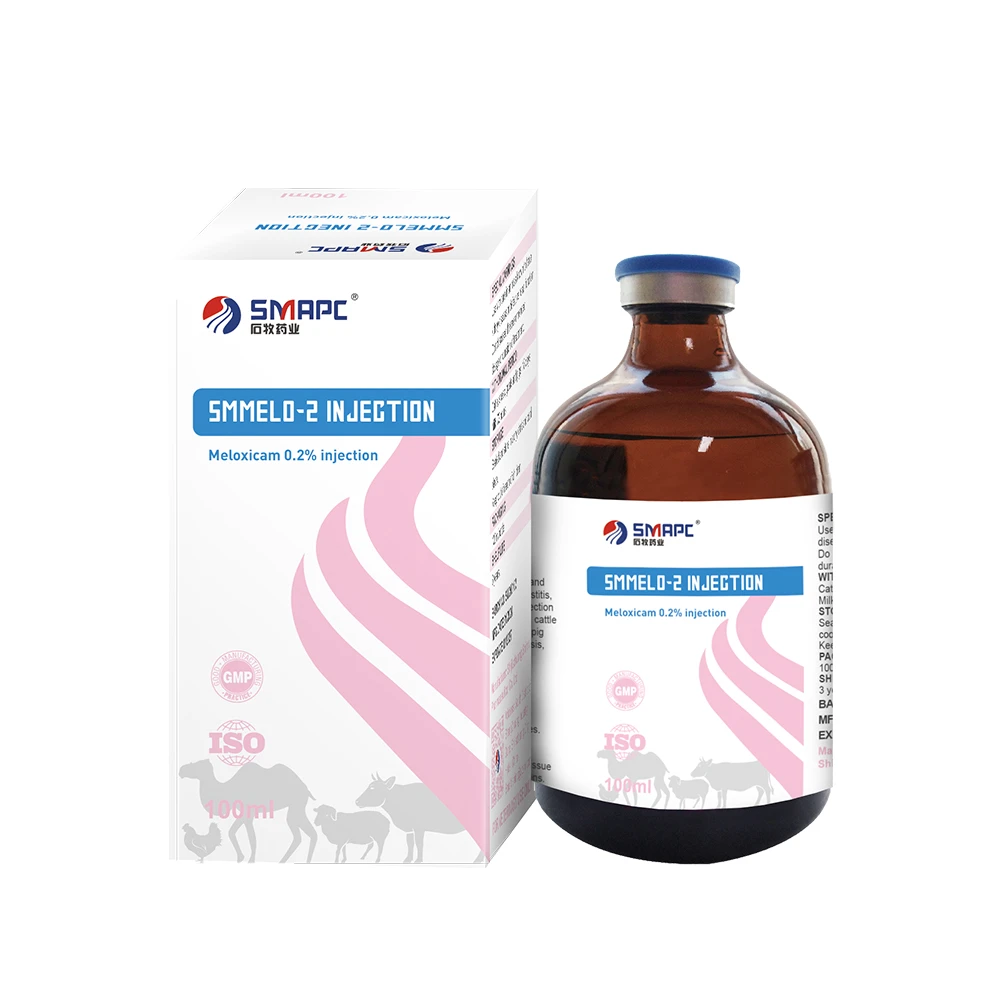
Several types of pain killer tablets are available for use in cows, primarily falling into two categories: Non-Steroidal Anti-Inflammatory Drugs (NSAIDs) and opioids. NSAIDs, such as flunixin meglumine and meloxicam, are commonly used to reduce inflammation and pain associated with musculoskeletal conditions and post-surgical recovery. Opioids, like butorphanol, are more potent pain relievers typically reserved for severe pain. The choice of medication depends on the intensity of the pain, the underlying cause, and the veterinarian’s assessment. Sky Vet Pharm's product range includes various NSAIDs designed for cattle.
NSAID vs. Opioid:
• NSAIDs: Effective for mild to moderate pain and inflammation.
• Opioids: Reserved for severe pain, require careful monitoring.
• Both require veterinary prescription and adherence to withdrawal times.
Pain Killer Tablet Dosage and Administration
Accurate dosage is paramount when administering a pain killer tablet for cow. Dosage varies depending on the specific medication, the cow’s weight, and the severity of the pain. Always follow the veterinarian’s instructions precisely. Tablets are typically administered orally, often mixed with a small amount of feed or water to encourage consumption. Ensure the cow consumes the entire dose to achieve the desired effect. Proper handling techniques are essential to minimize stress and ensure safe administration. Some medications are also available in injectable forms, offering a faster onset of action.
Safety Considerations and Withdrawal Times
Using a pain killer tablet for cow requires careful attention to safety protocols. Always adhere to the veterinarian’s recommendations regarding dosage and duration of treatment. Be aware of potential side effects, such as gastrointestinal upset or allergic reactions. Critically, understand and strictly observe withdrawal times – the period between the last medication administration and when the cow’s milk or meat can be safely consumed. Failure to comply with withdrawal times can result in residues in food products, posing a risk to human health. Sky Vet Pharm provides detailed product information, including withdrawal times, on its website.
Choosing the Right Supplier: Sky Vet Pharm
Selecting a reputable supplier of veterinary pharmaceuticals is crucial. Sky Vet Pharm is a trusted provider of high-quality medications for livestock, committed to ensuring animal health and safety. We offer a comprehensive range of products, competitive pricing, and reliable delivery. Our team of experienced professionals is available to provide expert advice and support. Choosing Sky Vet Pharm guarantees access to safe, effective, and compliant veterinary solutions.
Conclusion: Prioritizing Cow Wellbeing with Informed Pain Management
Effective pain management is a critical component of responsible livestock care. By understanding the causes of pain, available treatment options, and safety precautions, you can ensure the wellbeing of your cows and optimize their productivity. Sky Vet Pharm is your trusted partner in providing high-quality veterinary pharmaceuticals and expert support.
Frequently Asked Questions (FAQs)
What are the signs that my cow is in pain?
Recognizing pain in cows can be subtle. Common signs include decreased appetite, reduced milk production, restlessness, reluctance to move, isolation from the herd, changes in body posture (e.g., arched back), grinding teeth, and vocalization (moaning or groaning). A cow in pain may also exhibit a decreased response to stimuli. Regular observation and familiarity with your cows' normal behavior are crucial for identifying early signs of discomfort. If you suspect your cow is in pain, contact your veterinarian immediately for diagnosis and treatment.
Can I use human pain medication on my cow?
Absolutely not. Human pain medications are often toxic to cattle and can cause serious health complications or even death. The physiology of cows differs significantly from humans, and medications metabolized differently. Only use veterinary-approved medications specifically formulated for cattle, and always administer them under the guidance of a veterinarian. Using inappropriate medications can create significant health risks and potentially contaminate the food supply.
What is a withdrawal time, and why is it important?
A withdrawal time is the period that must pass between the last administration of a medication and when the cow’s milk or meat can be safely consumed by humans. It’s crucial to adhere to withdrawal times to prevent drug residues from entering the food supply, which can pose health risks to consumers. Withdrawal times vary depending on the medication and the country’s regulations. Always consult the product label and your veterinarian for specific withdrawal time information. Failure to observe withdrawal times can result in legal penalties and damage your farm’s reputation.
How should I store pain killer tablets for cows?
Pain killer tablets for cows should be stored in a cool, dry place, away from direct sunlight, heat, and moisture. Keep them out of reach of children and animals. Always store medications in their original containers, tightly sealed, to maintain their potency and prevent contamination. Regularly check expiration dates and discard any expired medications safely according to your local regulations. Proper storage is essential for ensuring the effectiveness and safety of the medication.
-
Choosing the Best Worm Medicine for Goats for Herd HealthNewsApr.16,2026
-
Comprehensive Guide to Professional Goat Medication and Herd HealthNewsApr.09,2026
-
Comprehensive Tick Treatment for Sheep A Guide to Control and PreventionNewsApr.07,2026
-
Comprehensive Guide to Effective Mite Treatment for Goats and PreventionNewsApr.04,2026
-
Comprehensive Veterinary Medicine for Sheep Health and Disease PreventionNewsMar.31,2026
-
Comprehensive Guide to Goat Health and Effective Goats Medicine SolutionsNewsMar.28,2026