Dec . 05, 2025 08:50 Back to list
Comprehensive Guide to Cattle Cough Treatment: Solutions & Innovations
Cattle Cough Treatment: A Vital Approach to Livestock Health
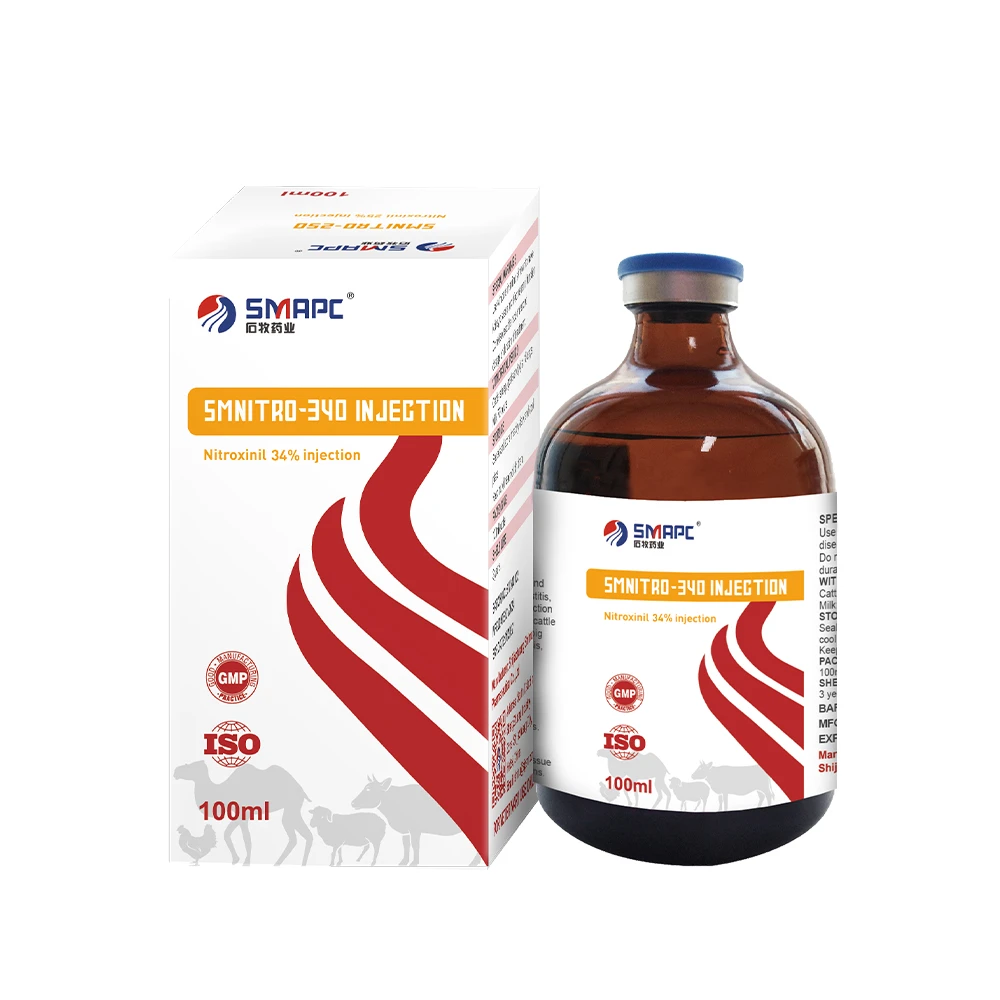
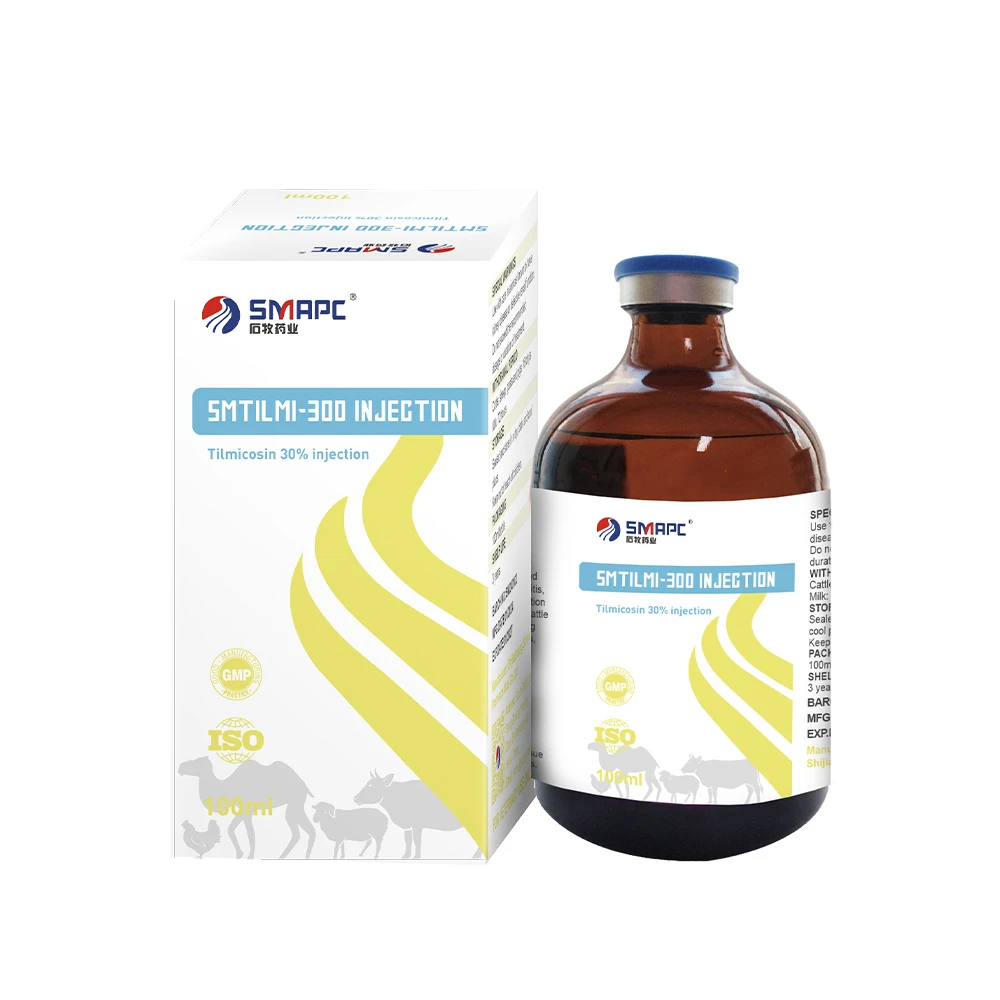
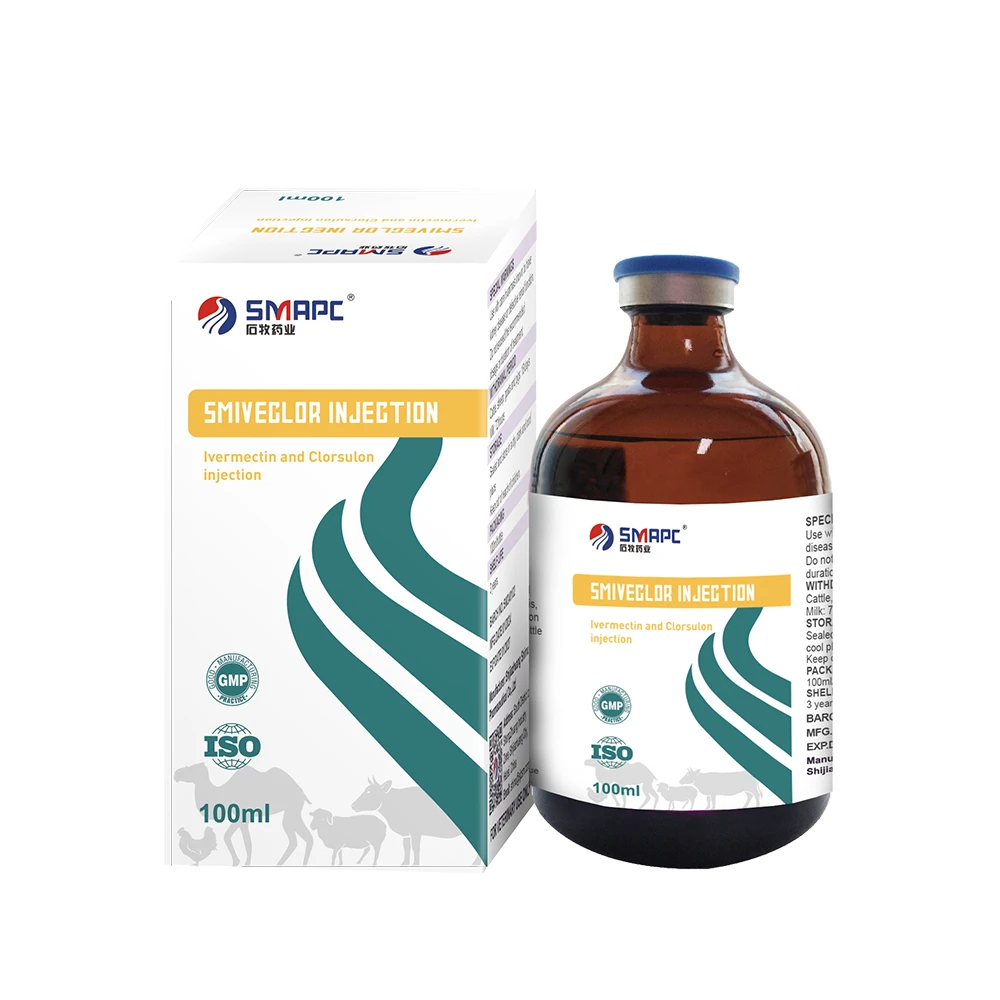
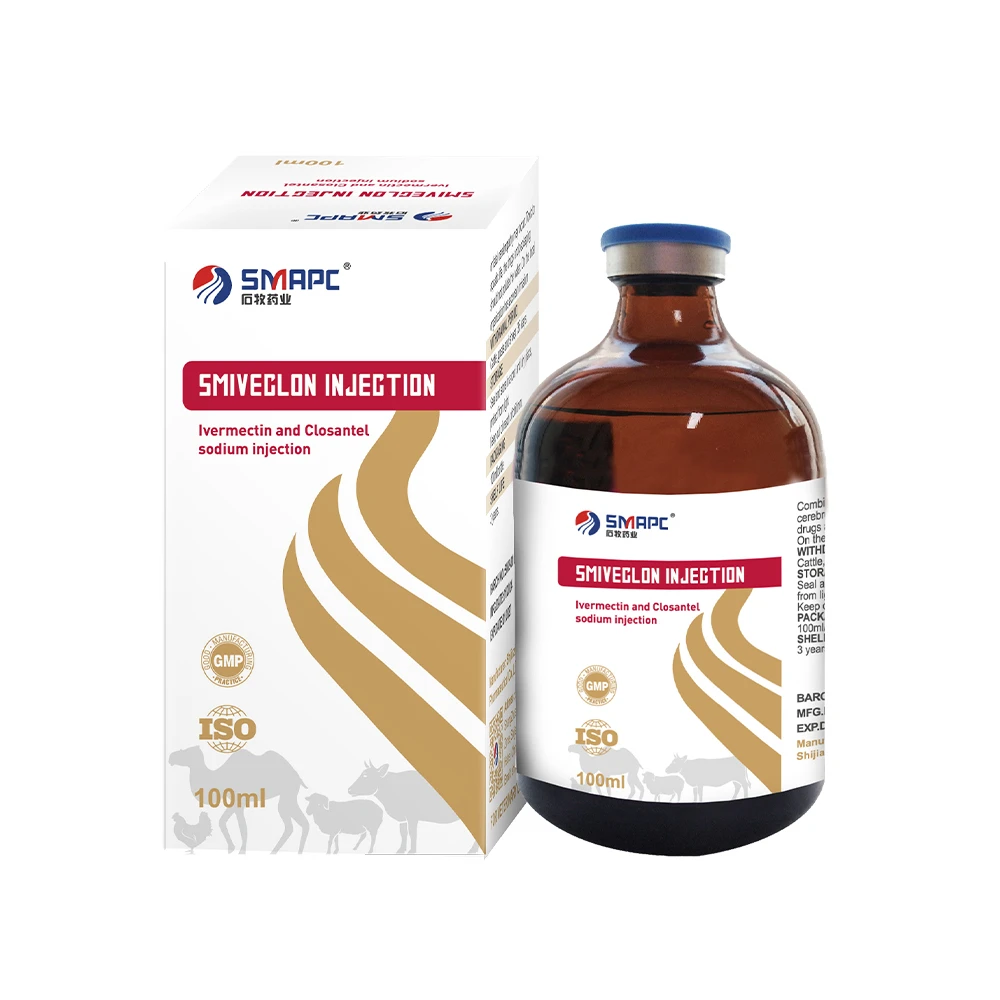
Cattle cough treatment might not be the headline news topic you expect, but it’s crucial worldwide for ensuring the health and productivity of millions of livestock. Why does it matter so much? Because respiratory diseases in cattle cause significant economic losses and animal suffering globally — affecting food supply chains and farmers’ livelihoods. Understanding effective cattle cough treatment can lead to better animal welfare, reduced antibiotic use, and more sustainable farming overall.
Introduction: The Global Importance of Cattle Cough Treatment
Respiratory illnesses in cattle are among the costliest diseases affecting livestock worldwide. The World Organisation for Animal Health (OIE) estimates that bovine respiratory disease complex (BRDC) is responsible for nearly 70% of feedlot cattle deaths in the U.S alone — that’s staggering. On a global scale, respiratory maladies compromise cattle productivity, especially in regions relying heavily on pasture-raised herds for food security. With global demand for beef and dairy steadily rising (by over 1% annually according to the FAO), effective cattle cough treatment is more than an animal health issue; it’s a socio-economic priority.
But treating coughs in cattle isn’t just about medicine. It involves understanding environmental stressors, vaccination, nutrition, and husbandry practices to control outbreaks. Frankly, if untreated, coughs often escalate into pneumonia with serious consequences.
What Exactly Is Cattle Cough Treatment?
Simply put, cattle cough treatment refers to the interventions used to manage and cure coughing symptoms and associated respiratory infections in bovines. This includes pharmacological solutions like antibiotics and anti-inflammatories, supportive care such as hydration and rest, and preventive approaches like vaccination and environmental adjustments.
This topic knowingly intersects with both modern veterinary practices and traditional husbandry. It’s about preserving animal health, ensuring herd productivity, and protecting farmer incomes—all while reducing antibiotic resistance pressures.
Core Components of Effective Cattle Cough Treatment
1. Early Diagnosis
Identifying respiratory issues in their earliest stage avoids complications. Techniques range from observational health scoring to diagnostic imaging and microbial testing.
2. Pharmacological Intervention
When infections develop, timely use of appropriate antibiotics and anti-inflammatory drugs is critical. Treatment protocols vary depending on the pathogen involved and drug resistance patterns.
3. Vaccination Programs
Preventive vaccination acts as a cornerstone in reducing respiratory disease severity and incidence.
4. Environmental Controls
Improving ventilation, reducing dust, managing herd density, and minimizing stressors – these all contribute to healthier lungs.
5. Nutritional Support
Adequate nutrition strengthens immune systems, making cattle more resilient against respiratory pathogens.
Mini takeaway: Cattle cough treatment isn’t a one-size-fits-all approach. It’s a multifaceted strategy requiring veterinary expertise coupled with farm management nuances.
Product Specifications: Common Medications for Cattle Cough Treatment
| Medication | Type | Dosage Form | Typical Usage | Contraindications |
|---|---|---|---|---|
| Oxytetracycline | Antibiotic (Tetracycline class) | Injection, Oral | Broad-spectrum bacterial infections | Young calves, allergy risk |
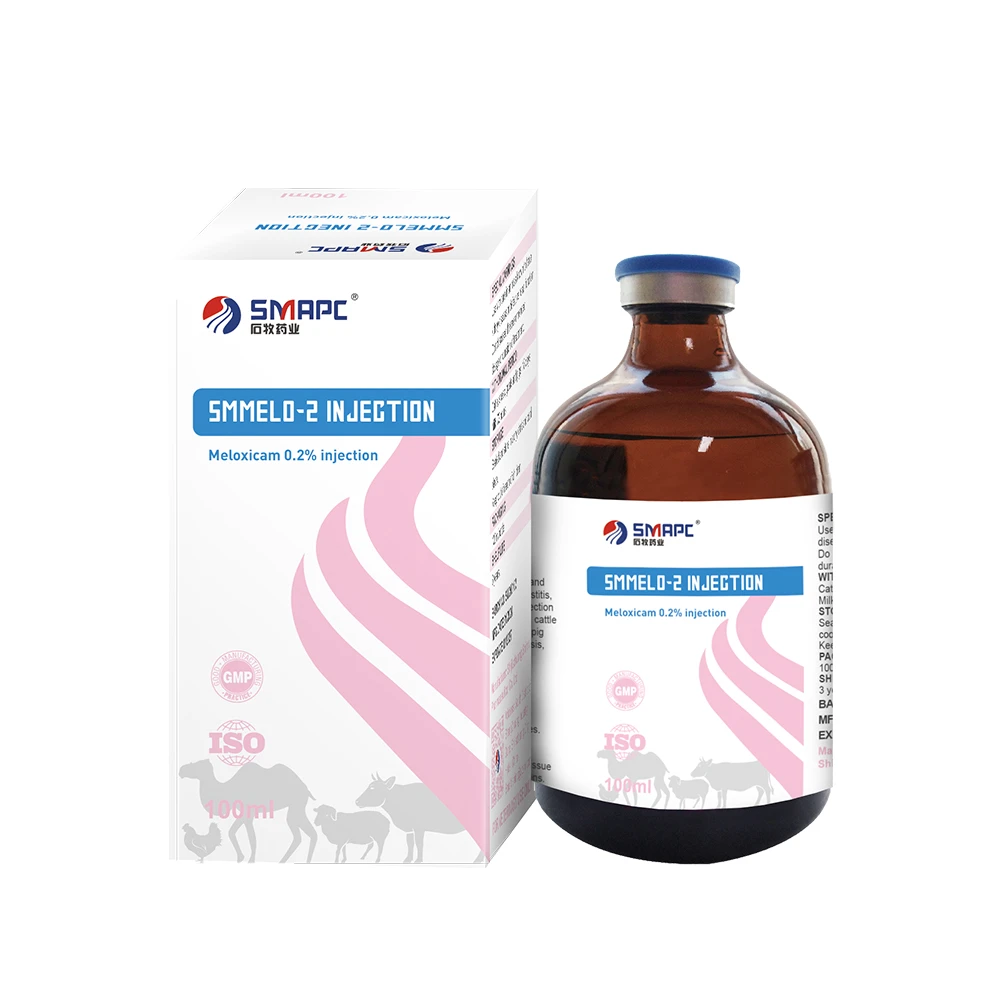
| Meloxicam | Anti-inflammatory (NSAID) | Injection, Oral | Reduce fever, inflammation | Kidney dysfunction |
| IBR Vaccine | Viral Vaccine | Injection | Prevention of Infectious Bovine Rhinotracheitis | Pregnant cows caution |
Global Applications & Use Cases of Cattle Cough Treatment
In North America, intensive feedlots rely heavily on integrated vaccination and medication protocols to minimize losses from respiratory disease. In contrast, parts of Africa and Asia struggle with access to veterinary care, meaning that effective cattle cough treatment often involves community-led animal health workers supplemented by NGOs.
Interestingly, some pastoralist communities in East Africa apply traditional medicinal plants alongside vaccination campaigns — a hybrid approach showing promise. Meanwhile, large-scale dairy operations in Europe focus on precision livestock farming tools: respiratory sensors, automated temperature monitors, and AI diagnostics help detect early cough symptoms.
Here’s a quick example: In remote Mongolian herding zones, handheld respiratory diagnostic kits, combined with mobile vet units, allow rapid response to respiratory outbreaks, preventing widespread mortality during harsh winters.
Mini takeaway: Tailoring cattle cough treatment to local contexts enhances success, whether high-tech farms or rural ranchers.
Vendor Comparison Table: Leading Veterinary Pharmaceutical Providers
| Company | Product Range | Global Reach | Sustainability Efforts | Support & Training |
|---|---|---|---|---|
| Zoetis | Extensive antibiotics & vaccines | 150+ countries | Carbon-neutral facilities, waste reduction programs | Online & onsite training for vets |
| Boehringer Ingelheim | Focus on vaccines & health management | Global | Eco-friendly packaging initiatives | Vet support helplines, seminars |
| Elanco | Antibiotics, vaccines, nutritional supplements | 120 countries | Commitment to sustainable sourcing | Comprehensive farmer education programs |
Advantages and Long-Term Value of Cattle Cough Treatment
Why bother with comprehensive cattle cough treatment? Well, aside from reducing mortality and improving animal welfare, it makes economic sense. Healthy cattle grow better, yield more milk, and reproduce efficiently — impacting farmer incomes and food availability globally.
On a social level, effective treatment reduces the need for emergency culls and large-scale antibiotic use, thereby supporting sustainability and combating antimicrobial resistance (one of the biggest challenges in livestock health today). Emotionally, knowing your herd is well cared for supports farmer confidence and community resilience.
Future Trends & Innovations
Innovation is steering cattle cough treatment into exciting new territory:
- Digital Health Monitoring: Wearable sensors track breathing rates and coughing patterns in real time.
- Precision Medicine: Tailored antibiotic therapies based on pathogen genomics.
- Vaccinology Advances: More effective, longer-lasting vaccines using novel adjuvants.
- Sustainable Practices: Reduced antibiotic reliance through immunomodulators and probiotics.
- Tele-veterinary Services: Remote diagnostics and treatment advice empower rural farmers.
These trends align closely with broader agricultural sustainability goals championed by the FAO and other international bodies.
Challenges and Expert Solutions
Of course, cattle cough treatment isn’t without its hurdles:
- Antimicrobial Resistance: Overuse of antibiotics leads to resistant strains; solution lies in diagnostics and stewardship.
- Access in Remote Areas: Limited veterinary infrastructure; mobile clinics and community training help.
- Cost Constraints: Smallholders may struggle with expenses; subsidies and cooperative buying can make treatment affordable.
- Disease Complexity: Multiple pathogens often co-infect, complicating treatment; multi-pathogen vaccines are under development.
Veterinarians and farmer organizations often share knowledge and collaborate to navigate these challenges — making progress by trial, error, and innovation.
Frequently Asked Questions About Cattle Cough Treatment
- Q: What are the most effective antibiotics for treating cattle cough?
- A: Broad-spectrum antibiotics like oxytetracycline or florfenicol are common choices, but treatment should be guided by veterinary diagnosis and local resistance patterns.
- Q: Can vaccination alone prevent cattle respiratory diseases?
- A: Vaccination is crucial but rarely enough on its own. Good environmental management and early treatment options are also needed to control outbreaks effectively.
- Q: How does nutrition impact cattle’s ability to fight respiratory infections?
- A: Adequate vitamins and minerals support immune function, making well-nourished cattle less susceptible to infections and better able to recover.
- Q: Are digital monitoring tools for cattle cough practical in rural farms?
- A: While still emerging, affordable sensor technologies and mobile apps are becoming more accessible, especially when integrated with local veterinary support.
- Q: Where can I find treatment products and advice for managing cattle cough?
- A: Trusted veterinary pharmaceutical suppliers and professional vets are your best resource. For reliable product options, visit cattle cough treatment.
Conclusion and Call to Action
In the long run, mastering cattle cough treatment is about blending scientific advances with practical farm management to ensure healthy, productive herds. It supports food security, economic stability, and animal welfare worldwide. If you’re looking to explore trusted cattle respiratory care solutions or expert advice, I encourage you to visit our site: https://www.skyvetpharm.com.
Because honestly, healthy cattle mean a more secure future for farmers and consumers alike.
Takeaway: Integrative cattle cough treatment combines veterinary medicine, technology, and local knowledge to overcome one of livestock’s toughest health challenges.
-
Choosing the Best Worm Medicine for Goats for Herd HealthNewsApr.16,2026
-
Comprehensive Guide to Professional Goat Medication and Herd HealthNewsApr.09,2026
-
Comprehensive Tick Treatment for Sheep A Guide to Control and PreventionNewsApr.07,2026
-
Comprehensive Guide to Effective Mite Treatment for Goats and PreventionNewsApr.04,2026
-
Comprehensive Veterinary Medicine for Sheep Health and Disease PreventionNewsMar.31,2026
-
Comprehensive Guide to Goat Health and Effective Goats Medicine SolutionsNewsMar.28,2026