Dec . 03, 2025 19:42 Back to list
Comprehensive Guide to Cow Cough Treatment: Solutions, Trends, and Global Impact
Cow Cough Treatment: Understanding Its Global Significance and Benefits
Anyone involved in livestock management or farming understands that a persistent cough in cattle isn’t just a nuisance—it directly impacts animal health, productivity, and ultimately, livelihoods. So, cow cough treatment isn't simply about stopping a cough; it's about addressing underlying respiratory diseases that can spread swiftly and cause severe economic losses worldwide.
Globally, respiratory diseases represent a major challenge in the livestock sector. According to the Food and Agriculture Organization (FAO), respiratory infections rank among the top causes of mortality and lost productivity in cattle herds, especially in developing countries where veterinary services may be limited. On top of animal welfare concerns, controlling these infections helps ensure food security and supports rural economies.
Summary Takeaway:
- Cow cough treatment is vital to prevent respiratory illness spread in herds.
- It improves cattle health, productivity, and farmers' incomes globally.
- Understanding treatment options helps streamline livestock care and safeguards food supply chains.
Introducing Cow Cough Treatment: What It Is and Why It Matters
Simply put, cow cough treatment means the diagnosis and management of bovine respiratory issues that cause coughing. These can range from viral and bacterial infections like bovine respiratory disease complex (BRDC) to environmental irritants such as dust or allergens. Treatments often involve antibiotics, anti-inflammatory drugs, supportive care, and vaccination strategies.
This treatment domain directly ties into modern agriculture. Efficient herd health management not only reduces the need for excessive antibiotics— addressing concerns over antimicrobial resistance—but also improves animal welfare standards and biosecurity protocols. It’s frankly a cornerstone in developing sustainable cattle farming methods.
Core Aspects of Cow Cough Treatment
1. Early Diagnosis
Spotting symptoms early—like nasal discharge, labored breathing, or lethargy—is critical. Prompt veterinary attention can prevent progression to severe disease.
2. Appropriate Medication
Choosing the right antibiotic or anti-inflammatory, tailored to the causative agent, ensures effective recovery and avoids resistance buildup.
3. Environmental Management
Improving ventilation, reducing dust, and managing stressors enhances respiratory health and supports treatment outcomes.
4. Vaccination Programs
Regular immunization against common viruses like Bovine Herpesvirus and Parainfluenza Virus provides herd-wide protection.
Summary Takeaway:
- Effective treatment depends on timely diagnosis and targeted therapies.
- Environmental and preventive care crucially complement medications.
Global Applications & Real-World Use Cases of Cow Cough Treatment
In North America and Europe, advanced veterinary infrastructures allow rapid diagnostics and treatment protocols for bovine respiratory diseases. Here, producers often use lab-confirmed results to select narrow-spectrum antibiotics reducing resistance risks.
Meanwhile, in parts of Africa and Asia, where veterinary resources may be scarce, emphasis is placed on community education, vaccination drives, and low-cost treatments supported by NGOs. For instance, in rural India, farmer cooperatives collaborate with local vets to distribute vaccines and educate on husbandry practices, dramatically cutting incidence rates.
Even in remote settings impacted by climate change, such as drought-stricken Australian outback regions, innovations in mobile veterinary clinics equipped with portable diagnostic kits allow better management of respiratory diseases and hence effective cow cough treatment.
Summary Takeaway:
- Cow cough treatments adapt to local veterinary resources and farming practices.
- Collaboration between farmers, vets, and organizations boosts treatment success rates worldwide.
Advantages & Long-Term Value of Effective Cow Cough Treatment
From a producer’s perspective, treating respiratory illness early significantly reduces mortality rates and improves weight gain in cattle, increasing market value. There’s also a social dimension; healthier herds mean safer food products for consumers and better earnings stability for farming families.
Environmentally, prudent use of medications and vaccinations contributes to sustainable livestock production, mitigating antimicrobial resistance threats. Emotionally and ethically, farmers feel reassured knowing their animals aren’t suffering needlessly—a trust that cements long-term relationships between the farming community and veterinary services.
Key Product Specifications for Common Cow Cough Treatments
| Product | Type | Active Ingredient | Administration | Withdrawal Period |
|---|---|---|---|---|
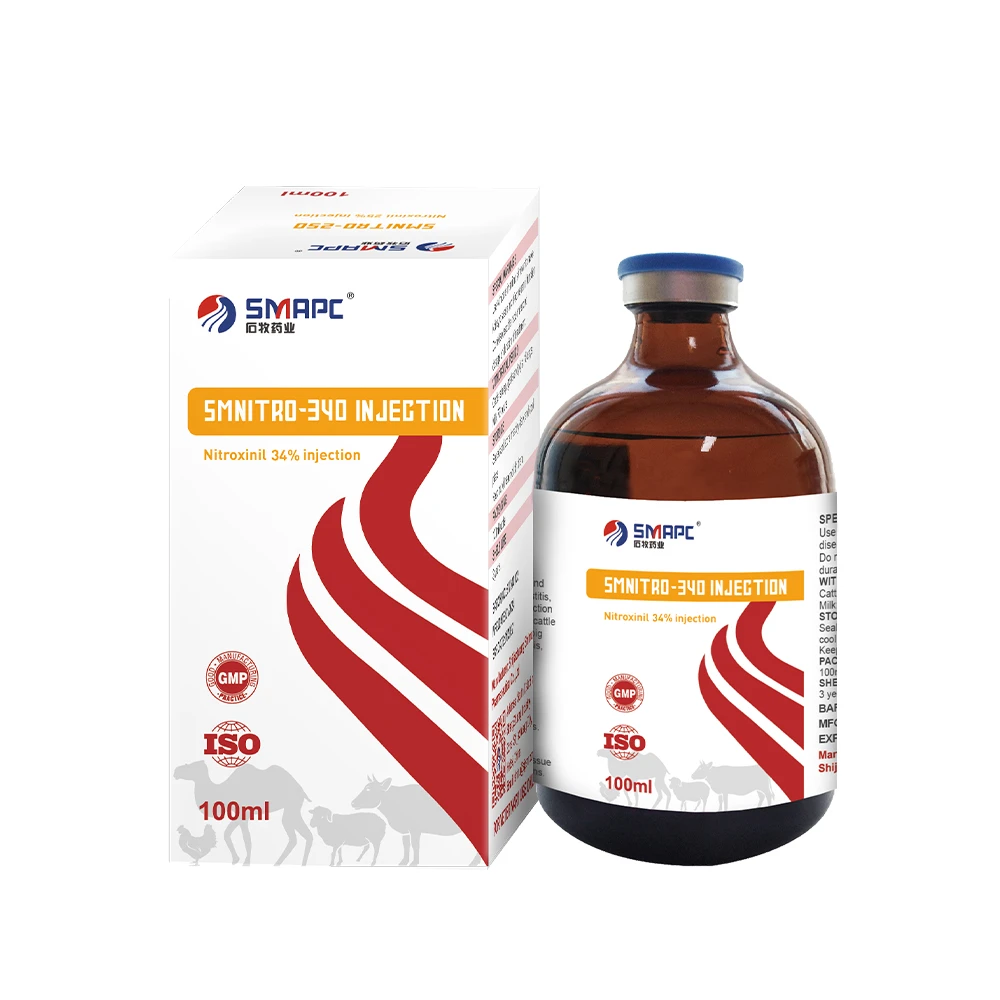
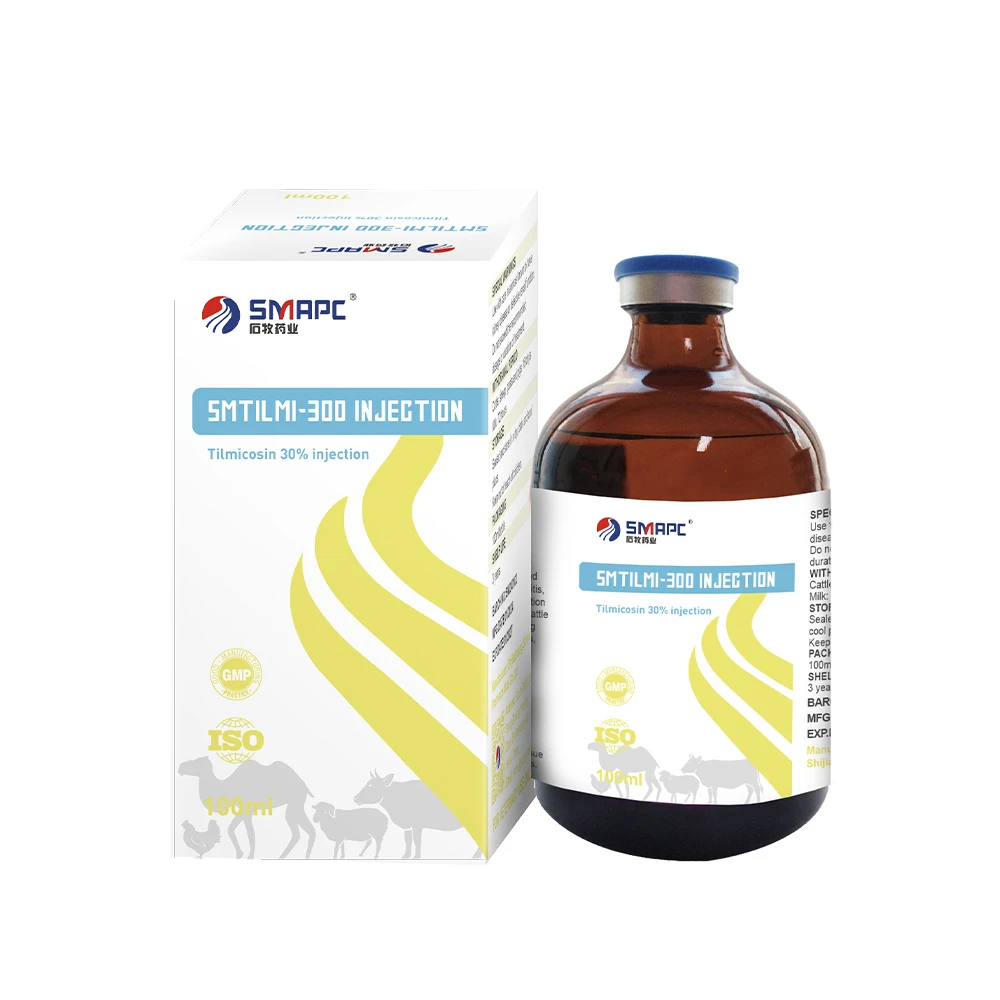
| RespiraVet | Antibiotic Injection | Florfenicol | Intramuscular | 14 Days |
| InflammaCure | Anti-inflammatory Oral | Flunixin meglumine | Oral drench | 3 Days |
| BoviVax | Vaccine | Modified live virus | Subcutaneous injection | N/A |
Vendor Comparison: Top Providers of Cow Cough Treatments
| Vendor | Product Range | Pricing | Global Availability | Customer Support |
|---|---|---|---|---|
| AgriVet Solutions | Vaccines, antibiotics, supplements | Mid-range | North America, Europe, Asia | 24/7 technical support |
| GlobalVet Pharma | Broad antibiotic portfolio | Premium | Worldwide | Dedicated vets & hotlines |
| Livestock Health Inc. | Vaccines, herbal supplements | Budget-friendly | Emerging markets | Email & community support |
Future Trends & Innovations in Cow Cough Treatment
Looking ahead, digital veterinary diagnostics—with AI-powered tools identifying respiratory symptoms via smartphone photos or sounds—promise quicker on-farm decisions. Likewise, researchers are exploring more sustainable, natural supplements and vaccines that reduce antibiotic dependency. Moreover, precision livestock farming, integrating sensors monitoring animal respiratory rates and temperature, allows preemptive interventions.
International bodies like ISO and the World Organization for Animal Health (OIE) emphasize harmonizing treatment protocols to ensure safety, animal welfare, and environmental protection globally. This ensures that innovations remain accessible and ethically sound.
Challenges & Expert Solutions in Cow Cough Treatment
Despite advances, challenges remain. Misdiagnosis and inappropriate antibiotic use still occur, especially in remote or smallholder farms. Also, cold chain requirements for vaccines and medicines complicate deployments in hot, resource-poor regions.
Experts suggest training paraprofessionals locally, deploying mobile cold storage units powered by solar energy, and strengthening farmer education programs. Collaboration between NGOs, governments, and the private sector accelerates these solutions — literally saving herds and incomes.
FAQ: Frequently Asked Questions About Cow Cough Treatment
Q1: What’s the best way to tell if a cow’s cough needs treatment?
A: Look for persistent coughing lasting more than 24–48 hours, especially accompanied by nasal discharge, fever, or lethargy. Early vet consultation is key to accurate diagnosis and appropriate treatment choice.
Q2: How often should cattle be vaccinated to prevent respiratory diseases?
A: Typically, vaccinations occur biannually or annually depending on the vaccine type and local disease risk. Consult your veterinarian to tailor the schedule to your herd's needs.
Q3: Can improving barn ventilation reduce the incidence of cow cough?
A: Absolutely. Good airflow decreases dust and airborne pathogens, lowering respiratory irritation and disease spread. It’s a simple yet effective preventive measure.
Q4: Is it safe to use over-the-counter antibiotics for treating a cow's cough?
A: It’s not recommended. Incorrect antibiotic use can worsen resistance and delay recovery. Always involve a vet to ensure correct diagnosis and prescription.
Q5: How do NGOs often manage cow cough treatment in developing regions?
A: Many NGOs implement vaccination campaigns, train community animal health workers, and supply affordable medicines. They also focus on awareness campaigns about disease prevention and early treatment.
Conclusion
In real terms, effective cow cough treatment is about more than just stopping a cough—it’s an essential pillar for sustainable livestock farming worldwide. Tackling respiratory diseases promptly leads to healthier animals, improved productivity, and stable incomes for farming communities. With innovations on the horizon and collaborations across sectors, the future looks promising for better treatment outcomes and animal welfare.
To explore more about reliable cow cough treatment solutions and veterinary support, visit our website and take the first step towards healthier herds.
It always feels like the difference between a routine farming season and a challenging one can boil down to how well respiratory illnesses are managed. It’s just that impactful.
References
-
Choosing the Best Worm Medicine for Goats for Herd HealthNewsApr.16,2026
-
Comprehensive Guide to Professional Goat Medication and Herd HealthNewsApr.09,2026
-
Comprehensive Tick Treatment for Sheep A Guide to Control and PreventionNewsApr.07,2026
-
Comprehensive Guide to Effective Mite Treatment for Goats and PreventionNewsApr.04,2026
-
Comprehensive Veterinary Medicine for Sheep Health and Disease PreventionNewsMar.31,2026
-
Comprehensive Guide to Goat Health and Effective Goats Medicine SolutionsNewsMar.28,2026