Apr . 07, 2026 02:15 Back to list
Comprehensive Tick Treatment for Sheep A Guide to Control and Prevention
Tick Treatment for Sheep: A Comprehensive Guide
Protecting your sheep flock from ticks is crucial for their health and productivity. Ticks can transmit diseases, cause anemia, and reduce wool quality. Effective tick treatment for sheep is therefore a vital aspect of sheep farming. This article provides a detailed overview of tick control methods, available treatments, and best practices to keep your sheep healthy and thriving. We'll cover everything from identifying ticks to choosing the right preventative measures and treatments.

Understanding the Threat: Why Tick Control is Essential
Ticks are external parasites that feed on the blood of mammals, including sheep. Infestations can lead to significant economic losses for sheep farmers. Beyond the direct discomfort and stress caused to the animals, ticks can transmit diseases like Lyme disease, Q fever, and babesiosis, which can be fatal. Heavy infestations can cause anemia, especially in lambs. Wool quality also suffers, as ticks contaminate the fleece. Proactive tick treatment is therefore a preventative measure essential for maintaining a healthy and productive flock.
Key Impacts of Tick Infestations: Anemia, disease transmission (Lyme disease, Q fever, babesiosis), reduced wool quality, decreased weight gain, and increased stress on animals.
Different Methods for Tick Control in Sheep
There are several approaches to controlling ticks on sheep, each with its advantages and disadvantages. These include preventative measures like pasture management, regular sheep inspections, and the use of various treatments. Chemical treatments are highly effective but require careful consideration to avoid resistance. Natural remedies are often less potent but offer a more environmentally friendly option. Integrated pest management, combining multiple strategies, is often the most effective approach. Selecting the right method depends on the severity of the infestation, the size of the flock, and your farm's management practices.
Tick Control Options:
• Pasture Management: Regular mowing and rotation.
• Regular Inspections: Early detection of ticks.
• Chemical Treatments: Pour-ons, dips, and injections.
• Natural Remedies: Essential oils and diatomaceous earth.
Comparing Common Tick Treatments for Sheep
Choosing the right tick treatment for sheep can be daunting. Here's a comparison of some commonly used options:
Preventative Measures for Long-Term Tick Control
Beyond treating existing infestations, proactive prevention is key. Implement a rotational grazing system to disrupt the tick life cycle. Regularly mow pastures to reduce tick habitats. Ensure good drainage to minimize damp areas where ticks thrive. Inspect sheep frequently, especially around the head, ears, and groin, for signs of ticks. Quarantine new sheep before introducing them to the flock. Consider using tick-resistant sheep breeds. A comprehensive preventative plan will significantly reduce the risk of costly and stressful infestations.

Product Spotlight: SkyVetPharm Tick Control Solutions
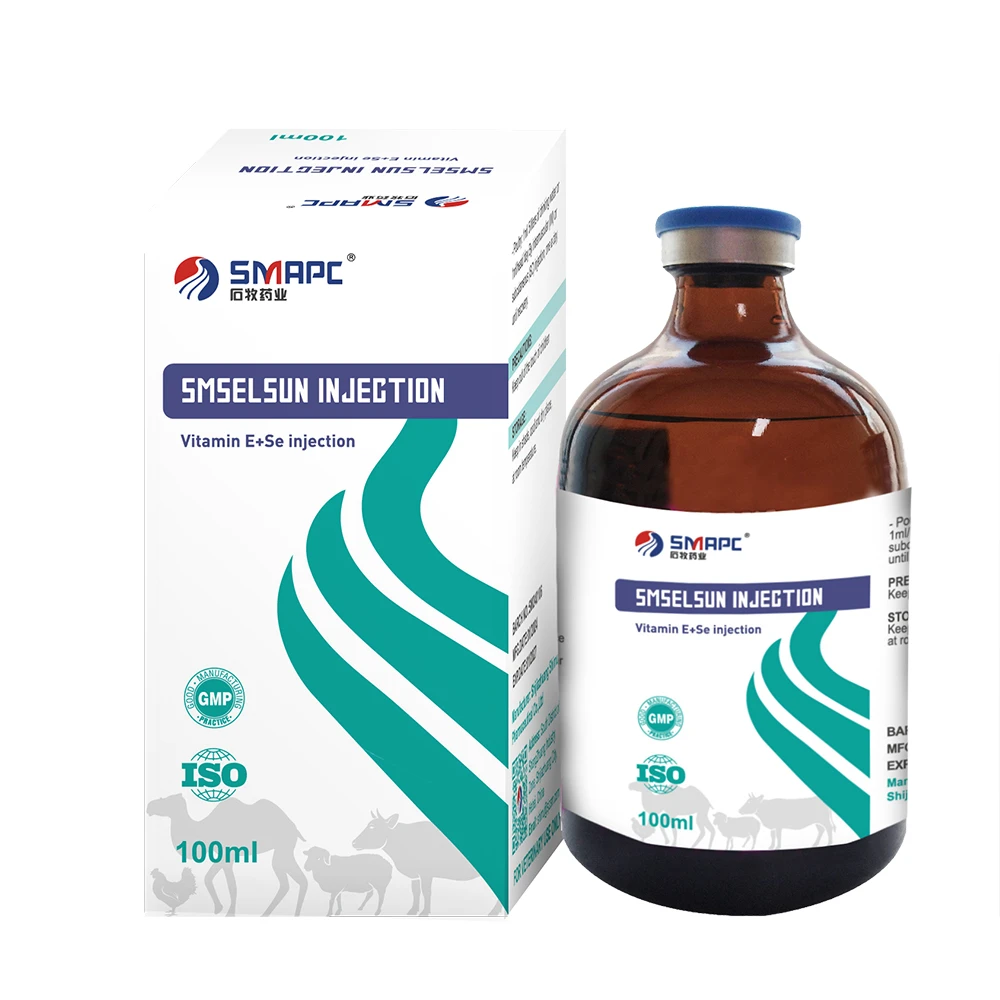
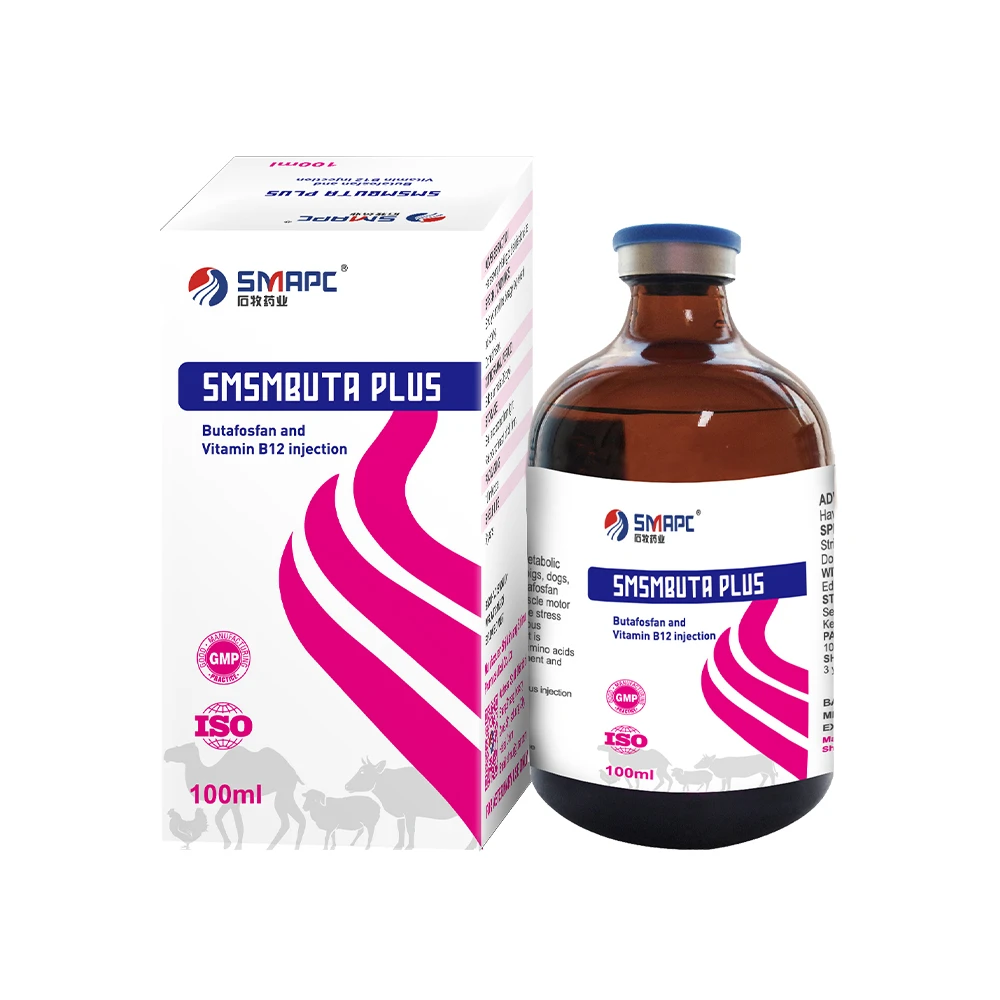
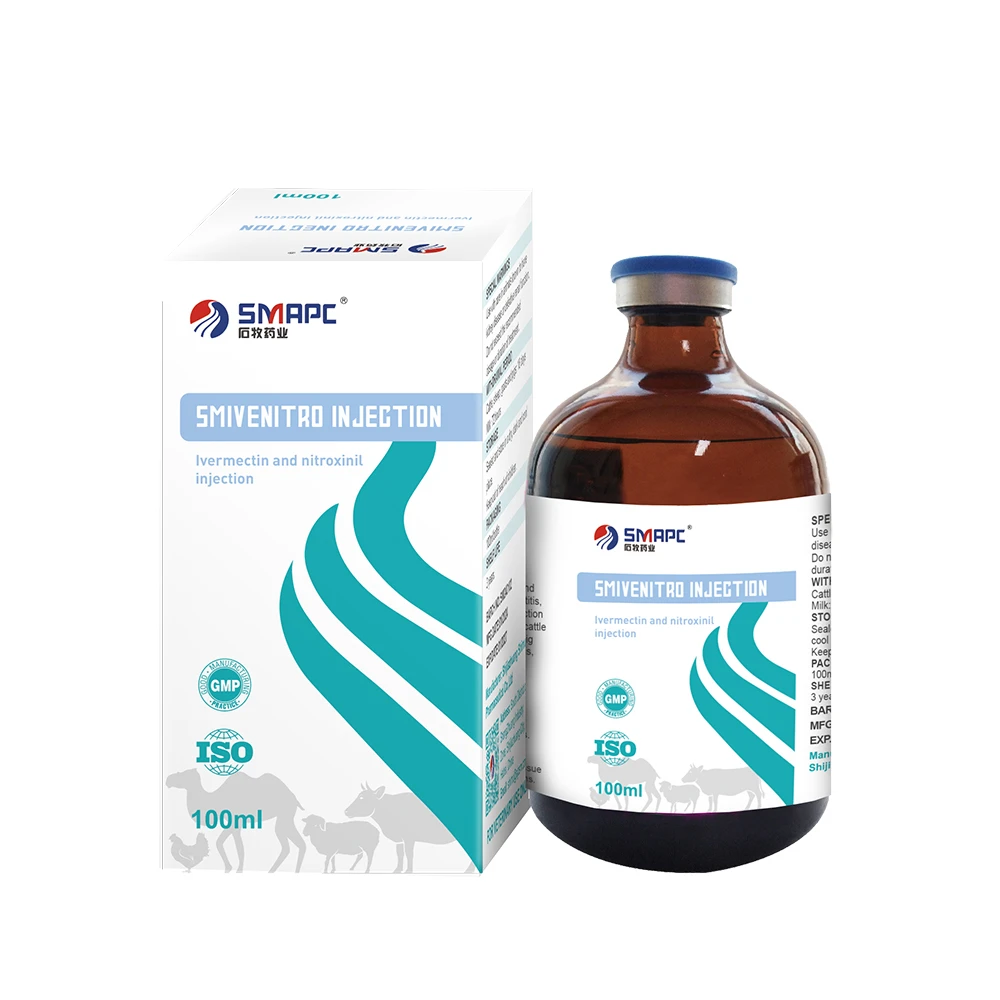
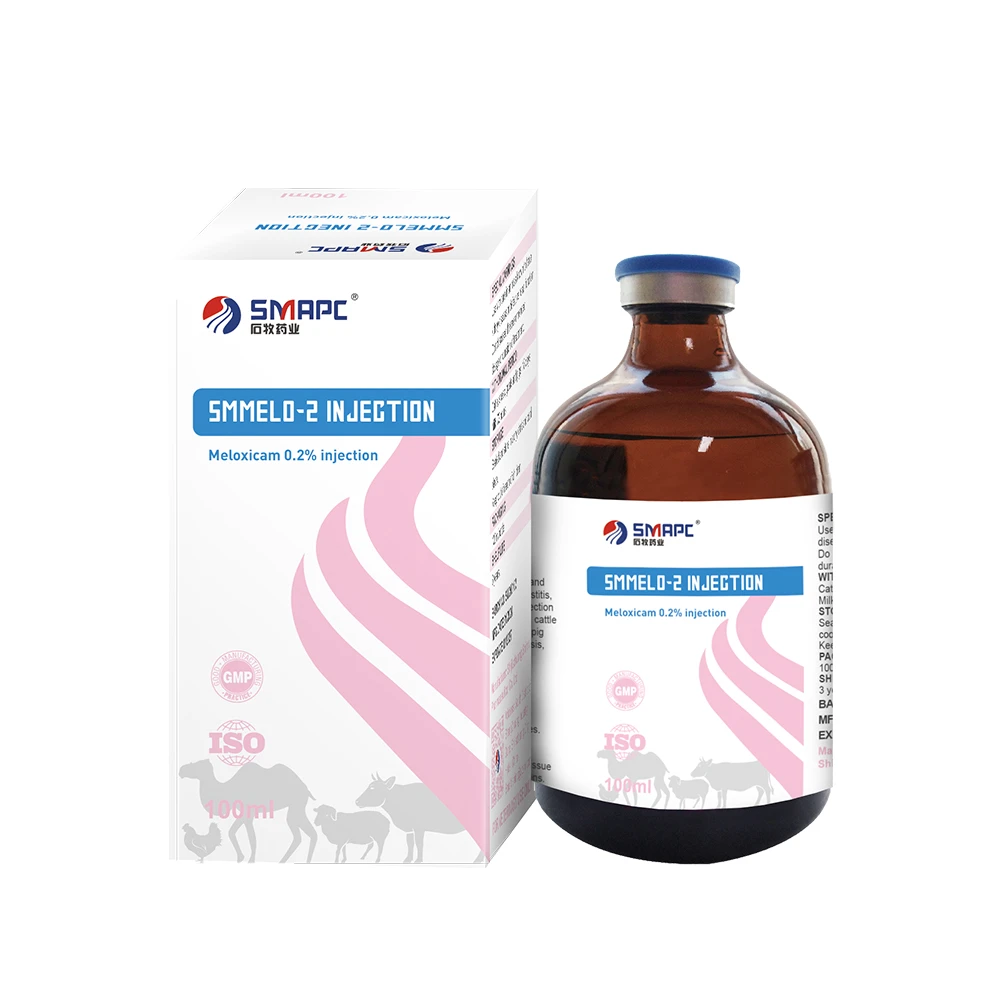
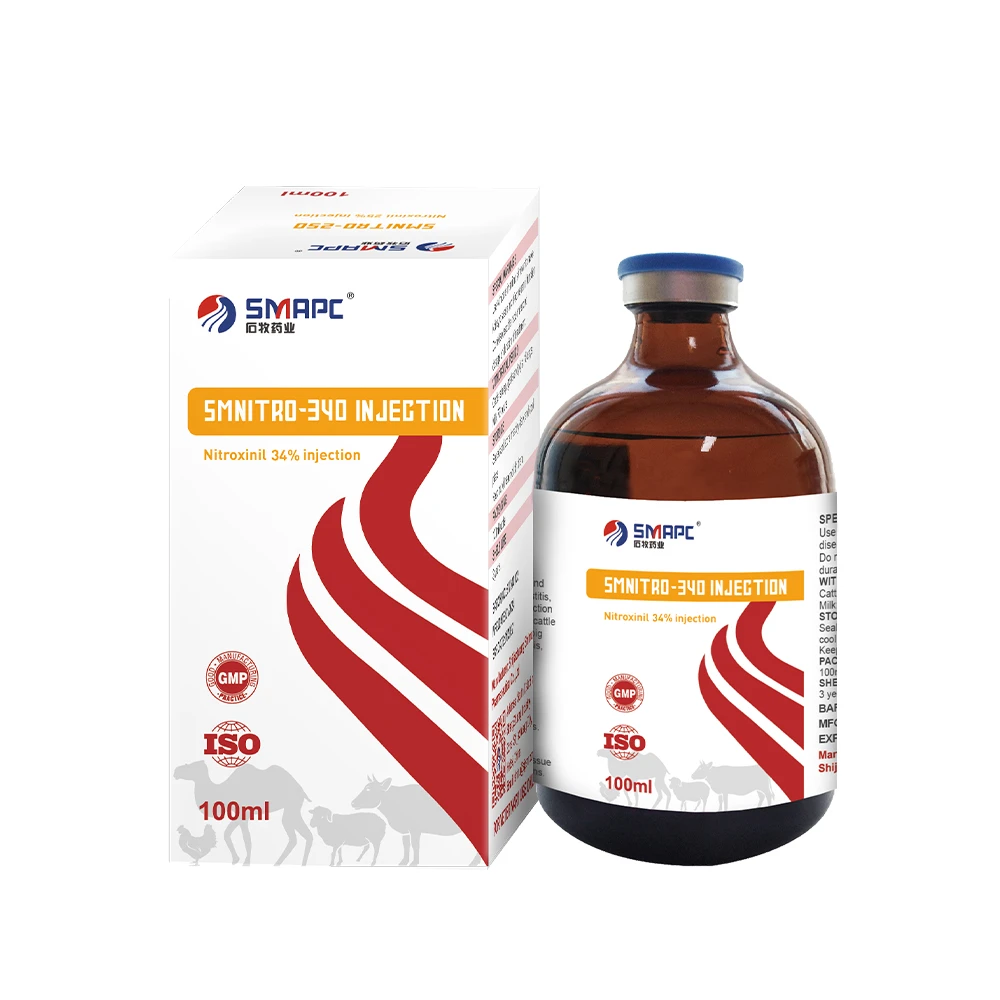
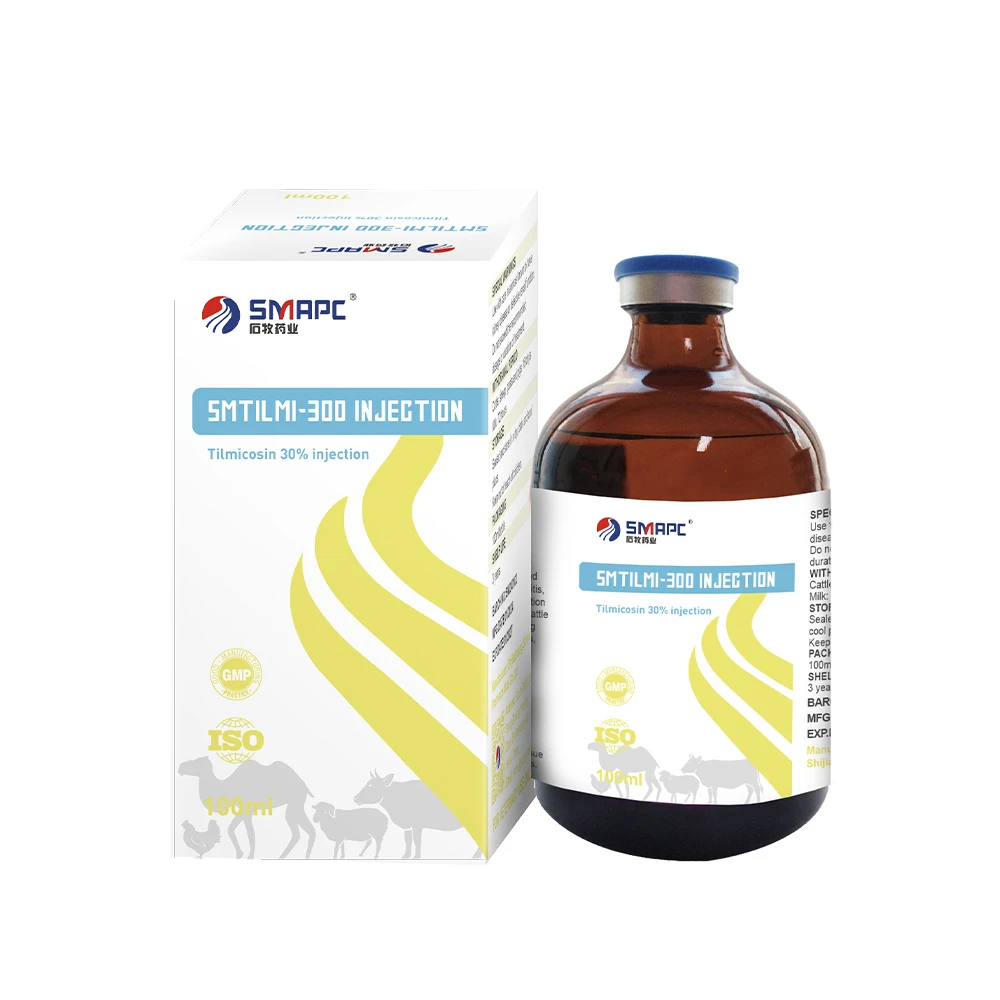
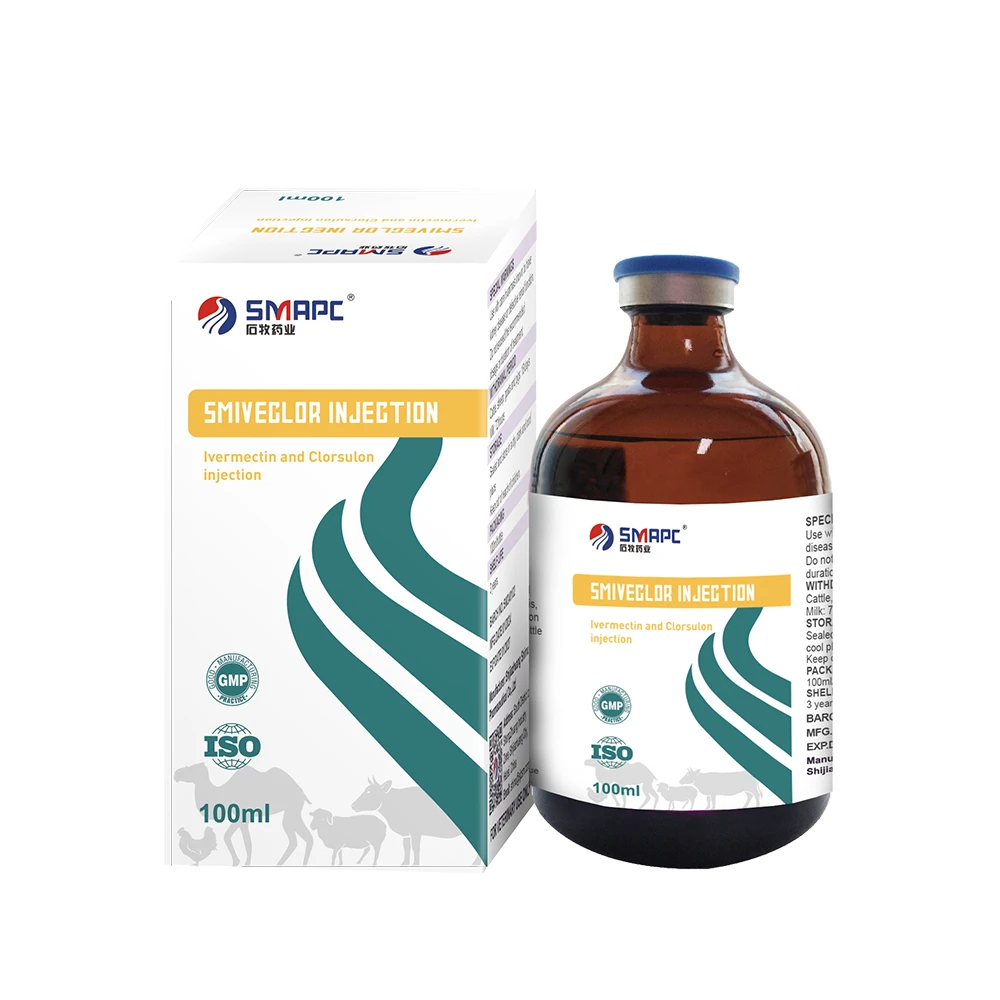
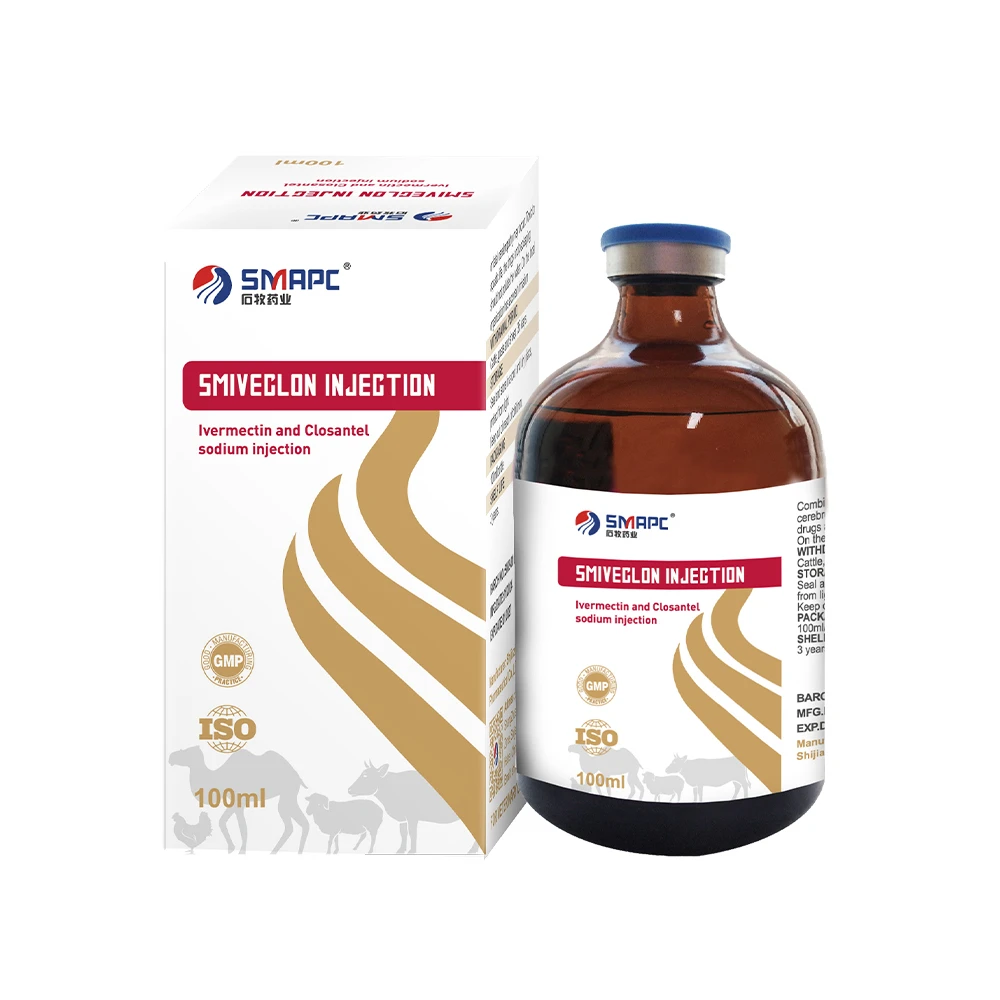
At SkyVetPharm, we offer a range of effective tick treatment for sheep designed to meet your specific needs. Our products are rigorously tested to ensure efficacy and safety. Here’s a quick overview:
Conclusion: Protecting Your Flock with Effective Tick Control
Effective tick treatment for sheep is essential for maintaining the health and productivity of your flock. By combining preventative measures with appropriate treatments from a trusted supplier like SkyVetPharm, you can significantly reduce the impact of these troublesome parasites. Don't let ticks compromise your sheep's well-being – take proactive steps today!
Frequently Asked Questions (FAQs)
How often should I treat my sheep for ticks?
The frequency of tick treatment depends on the level of tick pressure in your area and the type of treatment used. Generally, pour-on treatments need to be reapplied every 8-12 weeks during peak tick season. Dips may provide shorter-term protection, requiring more frequent applications. Regular monitoring of your sheep and the surrounding environment will help you determine the optimal treatment schedule. Consulting with a veterinarian is recommended to develop a tailored treatment plan for your specific situation.
What are the signs of tick-borne disease in sheep?
Signs of tick-borne diseases in sheep can vary depending on the specific disease. Common symptoms include fever, lethargy, loss of appetite, anemia (pale gums), weight loss, and neurological signs such as incoordination or paralysis. In some cases, you may observe swelling around tick bite sites. If you suspect your sheep have a tick-borne disease, it's crucial to contact your veterinarian immediately for diagnosis and treatment.
Can I use the same tick treatment for lambs as I do for adult sheep?
Not necessarily. Some tick treatments are not approved for use on young lambs. Always carefully read the product label and follow the manufacturer's instructions. Lambs are more sensitive to chemicals than adult sheep, so it’s important to use a product specifically formulated for their age and weight. When in doubt, consult with your veterinarian to ensure the chosen treatment is safe and effective for your lambs.
How can I minimize tick resistance to treatments?
To minimize the development of tick resistance, it's crucial to rotate different classes of tick treatments. Avoid using the same product repeatedly over extended periods. Implement integrated pest management strategies, combining chemical treatments with preventative measures like pasture management and regular monitoring. Follow dosage instructions carefully and avoid underdosing, as this can contribute to resistance. Consult with your veterinarian for guidance on the best rotation strategy for your farm.
-
Choosing the Best Worm Medicine for Goats for Herd HealthNewsApr.16,2026
-
Comprehensive Guide to Professional Goat Medication and Herd HealthNewsApr.09,2026
-
Comprehensive Guide to Effective Mite Treatment for Goats and PreventionNewsApr.04,2026
-
Comprehensive Veterinary Medicine for Sheep Health and Disease PreventionNewsMar.31,2026
-
Comprehensive Guide to Goat Health and Effective Goats Medicine SolutionsNewsMar.28,2026