Dec . 03, 2025 10:26 Back to list
Over the Counter Pain Meds for Pigs: Global Insights & Practical Guide
Understanding Over the Counter Pain Meds for Pigs: What You Need to Know
When you think of livestock care, pain management might not be the first thing that comes to mind. But, frankly, it’s an essential aspect of modern animal husbandry. Over the counter pain meds for pigs represent a critical tool that farmers and veterinarians use worldwide to keep animals comfortable, healthy, and productive. This topic matters globally because swine farming is an immense industry, supporting billions of people’s food supply and economies—especially in regions like North America, Europe, and parts of Asia.
Today, understanding these pain relief options for pigs is more than just about veterinary care; it connects deeply to animal welfare, sustainable farming practices, and food safety standards. For instance, the global pig population surpassed a billion animals as of recent estimates [1], making effective pain management a cornerstone of ethical and profitable pig farming.
Why Over the Counter Pain Meds for Pigs Matter Globally
According to the Food and Agriculture Organization (FAO), over 100 million tons of pork are produced globally each year. Managing pain in pigs—from common ailments, routine procedures like castration, or injuries—is crucial not only for the animals’ well-being but for farm productivity and compliance with growing animal welfare regulations.
The challenge, though, lies in balancing easy medication access with responsible use. Over the counter (OTC) pain meds provide a practical solution. They are readily available, often without prescription, enabling farmers to administer pain relief promptly, without always needing a veterinarian on-site.
However, the rise of OTC pain relief for pigs also demands education and guidelines to avoid misuse and ensure medications are safe, effective, and environmentally responsible. In this sense, the topic touches on veterinary science, public health, and agricultural policy — an intersection increasingly critical in global food systems.
What Exactly Are Over the Counter Pain Meds for Pigs?
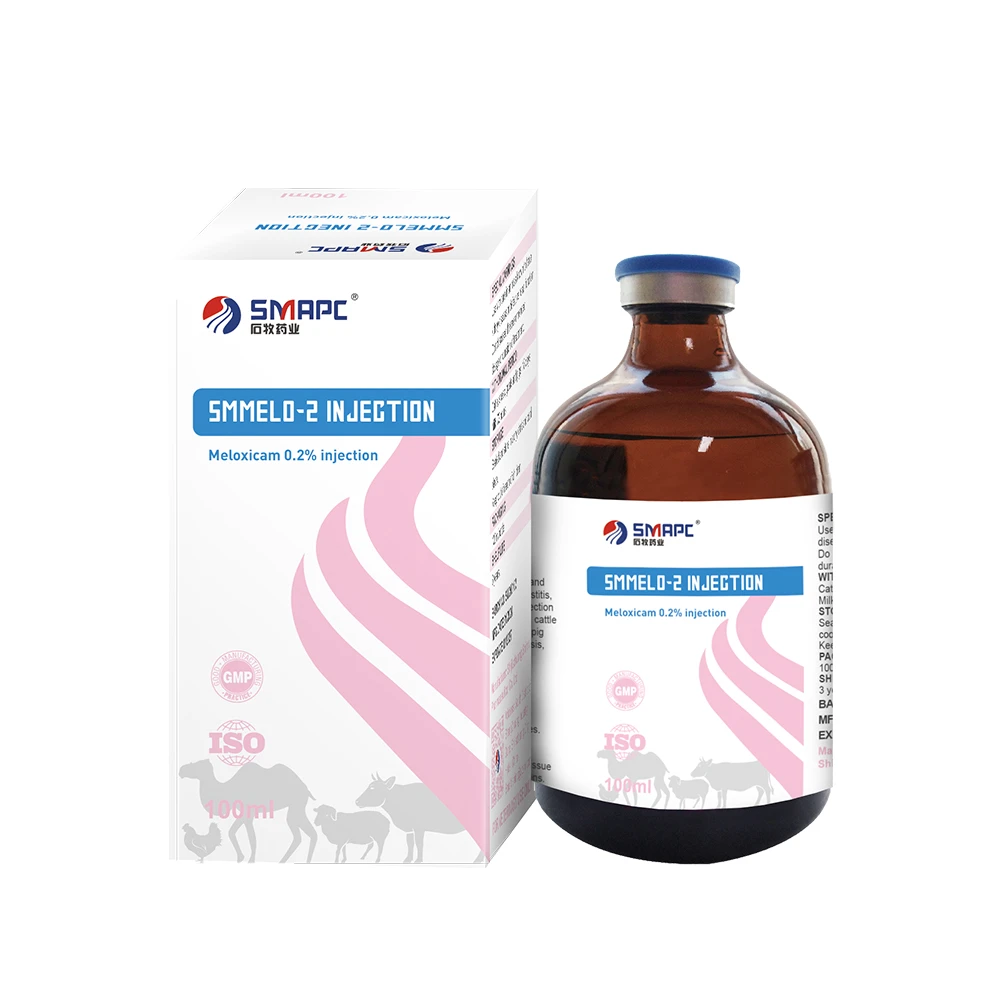
Simply put, these are medications intended to reduce pain and inflammation in pigs that can be purchased without a veterinarian’s prescription. Unlike prescription-only drugs, OTC painkillers for pigs are formulated to be safe and effective for common use cases. Typical active ingredients include non-steroidal anti-inflammatory drugs (NSAIDs) such as meloxicam or flunixin meglumine.
These medications support routine pig management tasks like treating lameness, fever, or surgical discomfort. OTC pain meds fit into the modern livestock industry’s push towards humane husbandry practices while also offering fast-acting relief during critical moments.
Key Factors in Choosing Over the Counter Pain Medications for Pigs
- Effectiveness: It’s vital that the medication reliably alleviates pain over a sufficient duration—usually 24 to 48 hours—to cover immediate recovery or illness phases.
- Safety Profile: Since these medications might be administered by non-veterinarians, they must have minimal side effects and low toxicity, ensuring pigs’ overall health isn’t compromised.
- Ease of Administration: Medications that can be given orally via feed or water, or by simple injections, help farmers treat pigs quickly and with minimal stress.
- Regulatory Compliance: OTC meds must meet legal standards for residue limits to avoid pork contamination, aligning with food safety regulations.
- Cost Efficiency: The medication needs to be affordable and available in rural or low-resource settings to maximize farmer adoption.
- Shelf Life and Storage: Stable drugs that tolerate a range of temperatures are more practical in varied farming environments.
Mini takeaway: The best OTC pain meds balance efficacy, safety, convenience, and cost—a kind of “just right” spot that supports everyday farming realities.
Global Uses and Real-World Applications
From the large-scale commercial farms in the U.S. Midwest to smallholder pig farmers in Southeast Asia, OTC pain medications are a go-to resource for managing animal discomfort. For example:
- North America: With stringent animal welfare laws, many pig producers adopt NSAID-based OTC pain meds during routine procedures—like tail docking—to reduce animal stress.
- Europe: Countries emphasize reducing antibiotic use, so effective OTC pain meds help manage inflammation and pain without unnecessary antibiotics.
- Developing Countries: Small farms rely on OTC pain medicines for quick, affordable intervention where vet access is limited.
Interesting real-world example: In post-disaster scenarios such as flooding in rural Vietnam, OTC pain meds for pigs have helped farmers protect their livestock’s health during stressful conditions, supporting community resilience over the counter pain meds for pigs.
Product Specification Table: Typical OTC Pain Medications for Pigs
| Medication | Active Ingredient | Form | Dosage | Duration of Effect |
|---|---|---|---|---|
| SwineRelief OTC | Meloxicam | Oral Suspension | 0.4 mg/kg once daily | 24-36 hrs |
| PainAway Pig Tabs | Flunixin Meglumine | Injectable | 2.2 mg/kg IM once | 24 hrs |
| PigEase Gel | Ketoprofen | Oral Gel | 3 mg/kg once daily | 12-24 hrs |
Comparing Leading Vendors for OTC Pig Pain Medications
| Vendor | Product Range | Price per Dose | Availability | Farmer Support Services |
|---|---|---|---|---|
| AgroMedic | Broad (Meloxicam, Ketoprofen) | $0.15 | Global | Yes, Online and Hotline |
| VetCare Solutions | Focus on Injectable NSAIDs | $0.20 | North America, Europe | Yes, Field Technicians |
| FarmMed OTC | Oral Suspensions & Gels | $0.12 | Asia, Africa | Basic User Guides |
FAQ: Frequently Asked Questions About Over the Counter Pain Meds for Pigs
- Q: Can OTC pain meds be used for all pig breeds?
A: Generally yes, but dosage might vary depending on weight and health status. Always follow product guidelines and consult a vet when unsure. - Q: How soon after administration will pigs show improvement?
A: Most OTC NSAIDs start working within 1–2 hours, with peak effects lasting about 24 hours. - Q: Are OTC pain meds safe for pregnant sows?
A: Some are considered safe, but it's crucial to verify specific drug labels and consult a veterinarian to avoid risks. - Q: How do farmers ensure drug residues don’t impact meat quality?
A: Adhering to withdrawal periods specified on packaging before slaughter prevents residues in meat. - Q: Are there natural alternatives to OTC pain medications?
A: Some farmers use herbal remedies, but these lack consistent efficacy and regulatory approval compared to NSAIDs.
Conclusion + Call to Action
Integrating over the counter pain meds for pigs into everyday livestock care stands as a progressive step towards better animal welfare, farm efficiency, and food safety. These accessible medications empower farmers worldwide to respond to their animals’ needs swiftly and responsibly.
To discover trustworthy products and expert advice, don’t hesitate to visit https://www.skyvetpharm.com. Together, we can foster healthier pigs and more sustainable farming for the future.
-
Choosing the Best Worm Medicine for Goats for Herd HealthNewsApr.16,2026
-
Comprehensive Guide to Professional Goat Medication and Herd HealthNewsApr.09,2026
-
Comprehensive Tick Treatment for Sheep A Guide to Control and PreventionNewsApr.07,2026
-
Comprehensive Guide to Effective Mite Treatment for Goats and PreventionNewsApr.04,2026
-
Comprehensive Veterinary Medicine for Sheep Health and Disease PreventionNewsMar.31,2026
-
Comprehensive Guide to Goat Health and Effective Goats Medicine SolutionsNewsMar.28,2026