Mar . 08, 2026 02:15 Back to list
Comprehensive Guide to Effective Tick Medicine for Cattle Health
Effective Tick Medicine for Cattle: A Comprehensive Guide
Protecting your cattle from ticks is crucial for maintaining their health, productivity, and overall well-being. Ticks are external parasites that can transmit diseases, cause anemia, and reduce weight gain. Choosing the right tick medicine for cattle is essential for effective control. This article will explore the various options available, how they work, and factors to consider when selecting the best solution for your herd. We'll cover preventative measures, treatment options, and emerging trends in tick control.

Understanding the Threat: Why Tick Control Matters
Ticks pose a significant threat to cattle farming, impacting profitability and animal welfare. Besides the direct harm caused by blood-feeding, ticks can transmit diseases like Anaplasmosis, Babesiosis, and Theileriosis, leading to severe illness and even death. Infestations can also cause skin irritation, reduced grazing efficiency, and decreased milk production. Proactive tick control minimizes these risks, ensuring healthier and more productive livestock. Ignoring tick problems can lead to substantial economic losses for cattle producers. Investing in a reliable tick treatment is therefore a sound business decision.
Key Takeaway: Effective tick control translates to healthier cattle, increased productivity, and reduced economic losses for farmers.
Types of Tick Medicine for Cattle
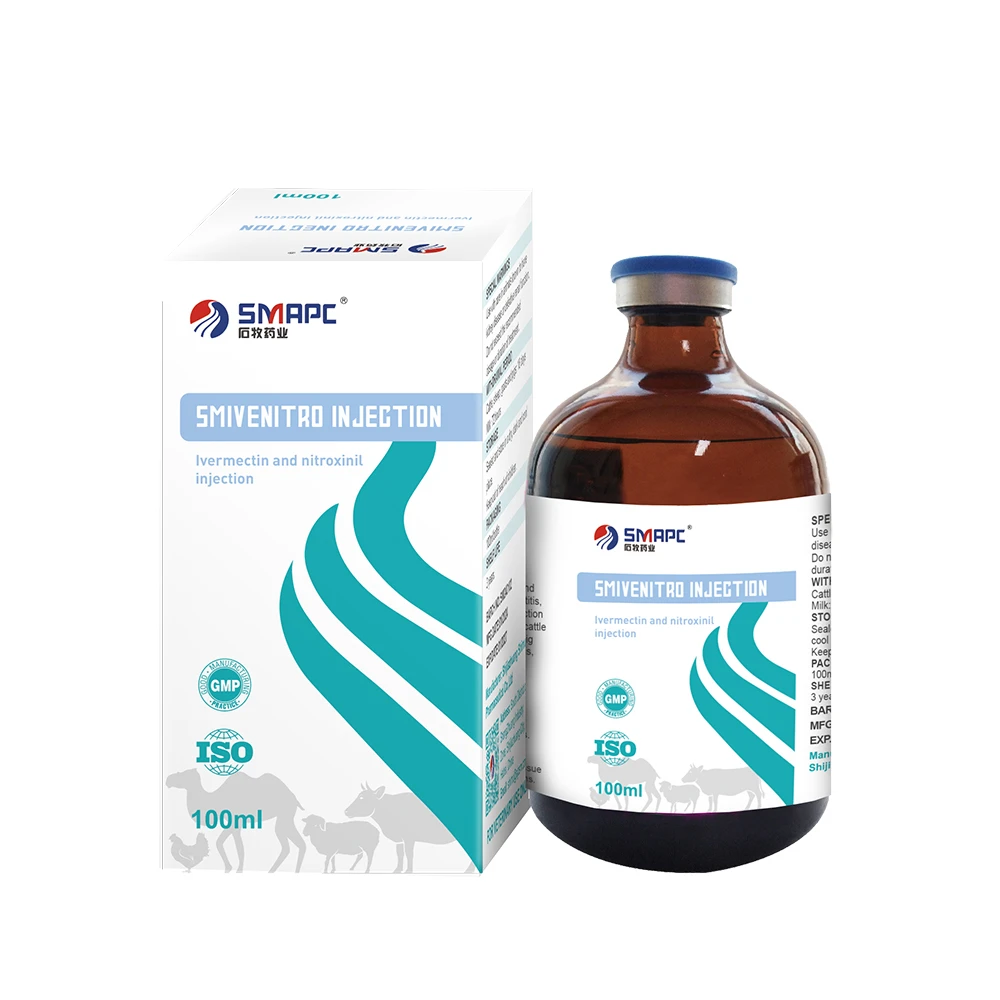
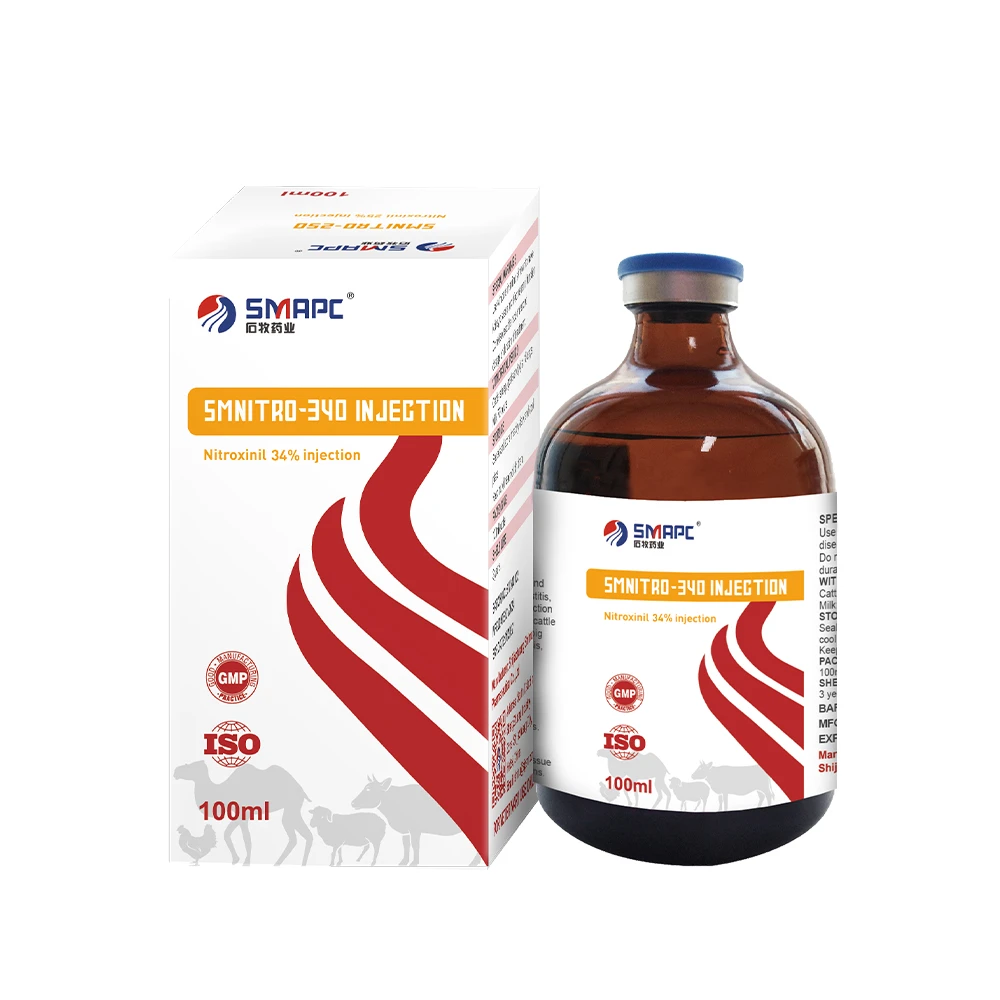
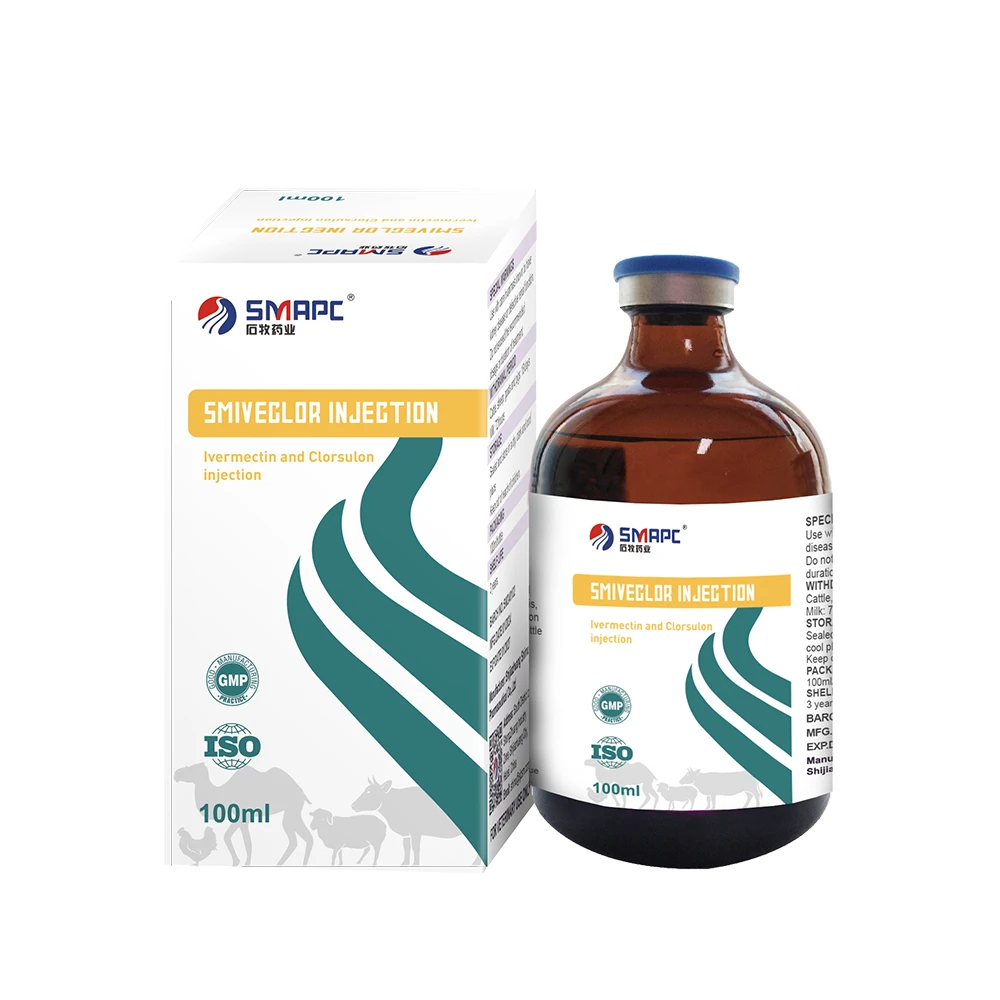
Several types of tick medicine are available for cattle, each with its own advantages and disadvantages. These include pour-on solutions, injectable formulations, ear tags, and oral treatments. Pour-ons are easy to apply and provide broad-spectrum control, while injectables offer longer-lasting protection. Ear tags release insecticide slowly over several months, and oral treatments are administered through feed or water. The choice depends on factors like the severity of the tick infestation, the cattle’s age and weight, and the farm’s management practices. Sky Vet Pharm offers a range of effective solutions to suit your specific needs.
Common Tick Control Methods:
• Pour-on solutions: Easy application, broad spectrum
• Injectable formulations: Long-lasting protection
• Ear tags: Slow-release insecticide
• Oral treatments: Administered through feed or water
Comparing Popular Tick Medicine Options
Different tick medicines contain various active ingredients, each targeting ticks in different ways. Common active ingredients include pyrethroids, organophosphates, and macrocyclic lactones. Understanding these differences is crucial for selecting the most effective product. Pyrethroids are fast-acting but may have limited residual activity, while organophosphates are highly effective but can have higher toxicity. Macrocyclic lactones offer good residual control and are generally considered safer for cattle. Here's a comparison of some popular options:
Factors to Consider When Choosing Tick Medicine
Several factors should influence your decision when selecting tick control products for cattle. The level of tick infestation, the geographic location, the breed of cattle, and the potential for drug resistance are all important considerations. Furthermore, it’s vital to adhere to label instructions carefully and to implement integrated tick management strategies. This includes pasture management, rotational grazing, and regular monitoring of tick populations. Consulting with a veterinarian can provide tailored recommendations based on your specific circumstances.

Future Trends in Tick Control
Research and development in tick control are continuously evolving. Emerging trends include the use of biological control agents, such as beneficial fungi and nematodes, and the development of novel tick vaccines. Genetic approaches, such as gene editing, are also being explored to enhance cattle’s resistance to ticks. These innovations offer the potential for more sustainable and effective tick control solutions in the future. Sky Vet Pharm is committed to staying at the forefront of these advancements, providing our customers with the latest and most effective products available.
Conclusion: Protecting Your Herd from Ticks
Effective tick control is an investment in the health and productivity of your cattle. By understanding the various treatment options, considering your specific needs, and staying informed about the latest advancements, you can protect your herd from the harmful effects of ticks. Sky Vet Pharm is your trusted partner in providing high-quality tick medicines and expert advice to keep your cattle healthy and thriving.
Frequently Asked Questions (FAQs)
What is the best time of year to treat cattle for ticks?
The best time to treat cattle for ticks is typically during the warmer months, from spring through fall, when tick activity is highest. However, in regions with mild winters, ticks may remain active year-round, necessitating year-round control measures. Strategic timing is crucial to maximize effectiveness and minimize the risk of resistance. Starting treatment before peak tick season can help prevent heavy infestations. Consulting with a veterinarian can help determine the optimal timing for your specific location and herd.
Can ticks develop resistance to tick medicine?
Yes, ticks can develop resistance to certain insecticides over time, especially with repeated use of the same active ingredient. To mitigate this risk, it’s important to rotate between different classes of insecticides and to implement integrated tick management strategies. This includes pasture management, rotational grazing, and the use of biological control agents. Monitoring tick populations for signs of resistance and consulting with a veterinarian are also crucial steps.
Are there any organic or natural alternatives to chemical tick control?
While chemical tick control is often the most effective option, there are some organic and natural alternatives that can be used as part of an integrated approach. These include essential oils, such as cedarwood and lemongrass, and diatomaceous earth. However, these alternatives often have limited residual activity and may require more frequent application. They are generally best suited for smaller herds or as a supplement to conventional treatments. Always research the safety and effectiveness of any natural product before using it on your cattle.
How do I properly apply pour-on tick medicine?
Proper application of pour-on tick medicine is crucial for its effectiveness. Always follow the label instructions carefully. Use the correct dosage based on the cattle’s weight, and apply the product along the animal’s backline, from the withers to the tailhead. Avoid applying the product to damaged skin or open wounds. Ensure even distribution and avoid over-application. After application, avoid handling treated cattle for the recommended period to prevent accidental exposure.
-
Choosing the Best Worm Medicine for Goats for Herd HealthNewsApr.16,2026
-
Comprehensive Guide to Professional Goat Medication and Herd HealthNewsApr.09,2026
-
Comprehensive Tick Treatment for Sheep A Guide to Control and PreventionNewsApr.07,2026
-
Comprehensive Guide to Effective Mite Treatment for Goats and PreventionNewsApr.04,2026
-
Comprehensive Veterinary Medicine for Sheep Health and Disease PreventionNewsMar.31,2026
-
Comprehensive Guide to Goat Health and Effective Goats Medicine SolutionsNewsMar.28,2026