Mar . 14, 2026 02:25 Back to list
Comprehensive Guide to the Treatment of Diarrhoea in Cow and Calf Health
Treatment of Diarrhoea in Cow: A Comprehensive Guide
Diarrhoea in cows, commonly known as scours, is a frequent and often serious condition, particularly in calves. It's characterized by frequent, watery bowel movements, leading to dehydration, electrolyte imbalance, and potentially death. Understanding the causes, symptoms, and, crucially, the treatment of diarrhoea in cow is paramount for maintaining herd health and economic productivity. This article provides a detailed overview, offering practical advice for farmers and livestock owners. Prompt and effective treatment is crucial for minimizing the impact of this disease.
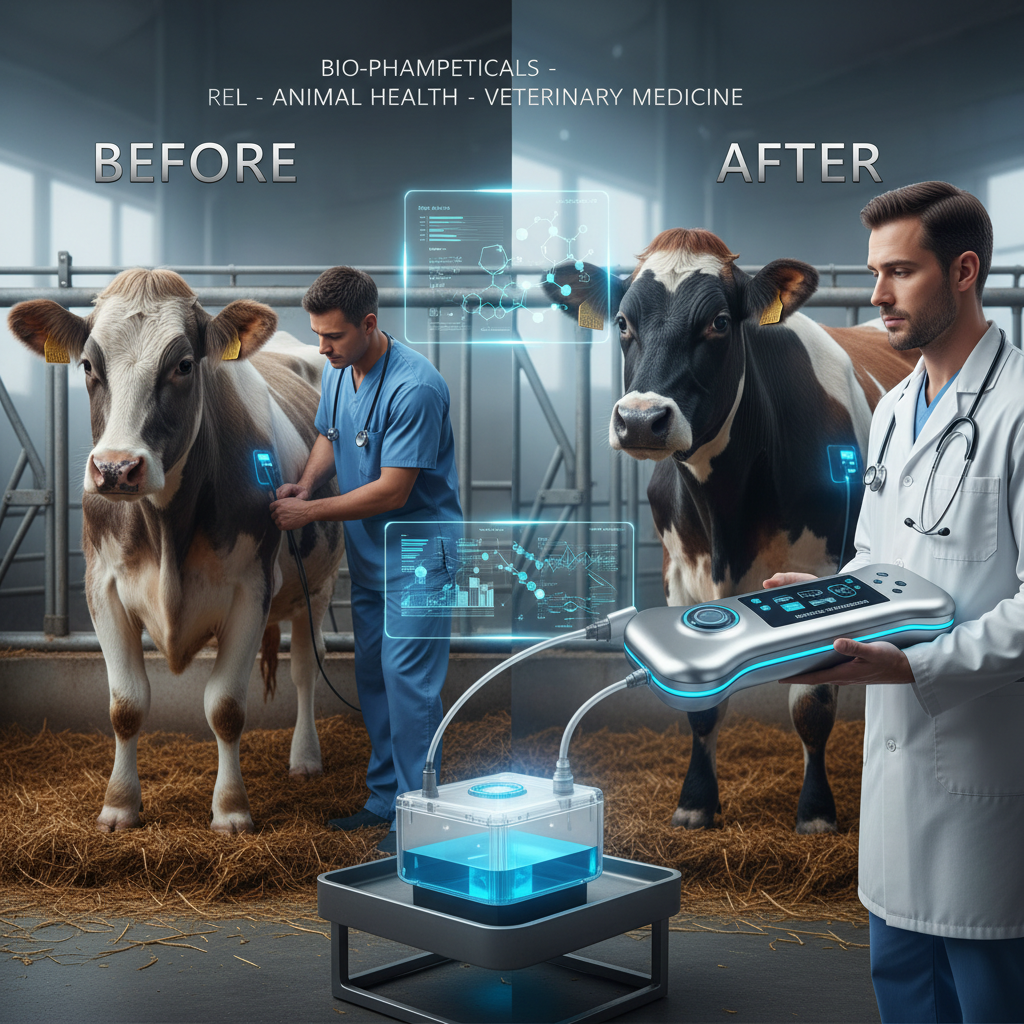
Understanding the Causes of Diarrhoea in Cows
Diarrhoea in cows can stem from various causes. In young calves, it's frequently linked to infectious agents like E. coli, Salmonella, and viruses such as rotavirus and coronavirus. Poor sanitation, inadequate colostrum intake, and stress contribute to susceptibility. In adult cows, dietary changes, parasite infestations, and metabolic disorders are common culprits. Identifying the underlying cause is vital for targeted treatment of diarrhoea in cow. Preventative measures, such as maintaining strict hygiene and providing a balanced diet, are equally important.
Key Causes: Infectious agents (E. coli, Salmonella, Rotavirus, Coronavirus), Poor sanitation, Dietary changes, Parasite infestations, Metabolic disorders.
Recognizing the Symptoms: Early Detection is Key
Early recognition of symptoms is crucial for successful treatment. Common signs of diarrhoea in cows include frequent defecation, watery stools, loss of appetite, weakness, dehydration (indicated by sunken eyes and reduced skin elasticity), and in severe cases, rectal prolapse. Calves may exhibit a bloated abdomen and appear depressed. Monitoring these symptoms and promptly contacting a veterinarian is essential. The severity of the symptoms often correlates with the degree of dehydration and electrolyte imbalance.
Key Symptoms:
• Frequent, watery defecation
• Loss of appetite and weakness
• Dehydration (sunken eyes, reduced skin elasticity)
• Rectal prolapse (in severe cases)
Treatment of Diarrhoea in Cow: A Step-by-Step Approach
The treatment of diarrhoea in cow focuses on addressing dehydration, correcting electrolyte imbalances, and managing the underlying cause. Key steps include providing oral rehydration solutions (ORS) containing electrolytes, administering antibiotics if a bacterial infection is suspected (under veterinary guidance), and ensuring a palatable, easily digestible diet. In severe cases, intravenous fluids may be necessary. Maintaining strict hygiene and isolating affected animals is crucial to prevent further spread. Probiotics can also be beneficial in restoring gut flora.
Preventative Measures: Reducing the Risk of Diarrhoea
Prevention is always better than cure. Maintaining strict hygiene in calving pens and feeding areas is crucial. Ensuring adequate colostrum intake in the first few hours of life provides vital immunity. Providing a balanced diet and minimizing stress factors can also reduce the risk. Regular deworming and vaccination programs contribute to overall herd health. Implementing a biosecurity plan to prevent the introduction of pathogens is also highly recommended. Skyvetpharm offers a range of products to support preventative care.
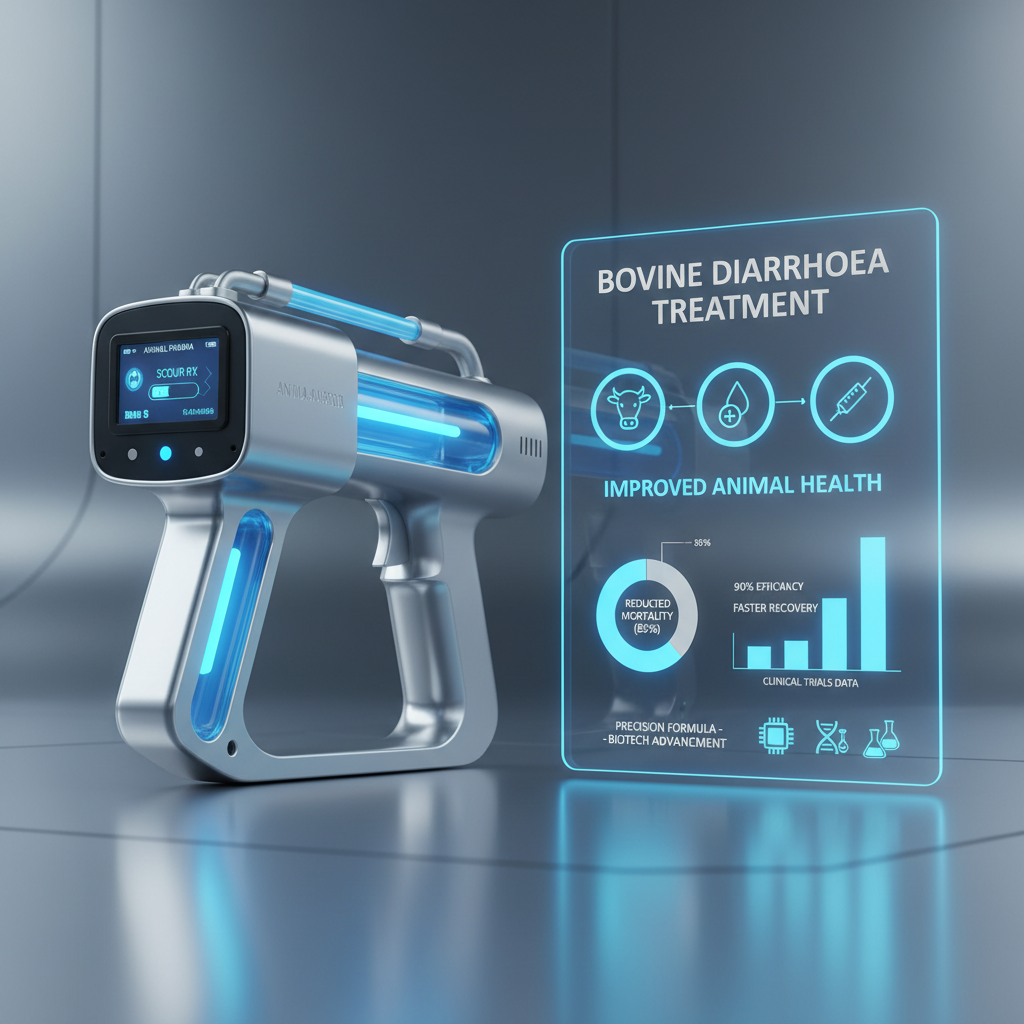
Product Spotlight: Skyvetpharm's Solutions for Diarrhoea Management
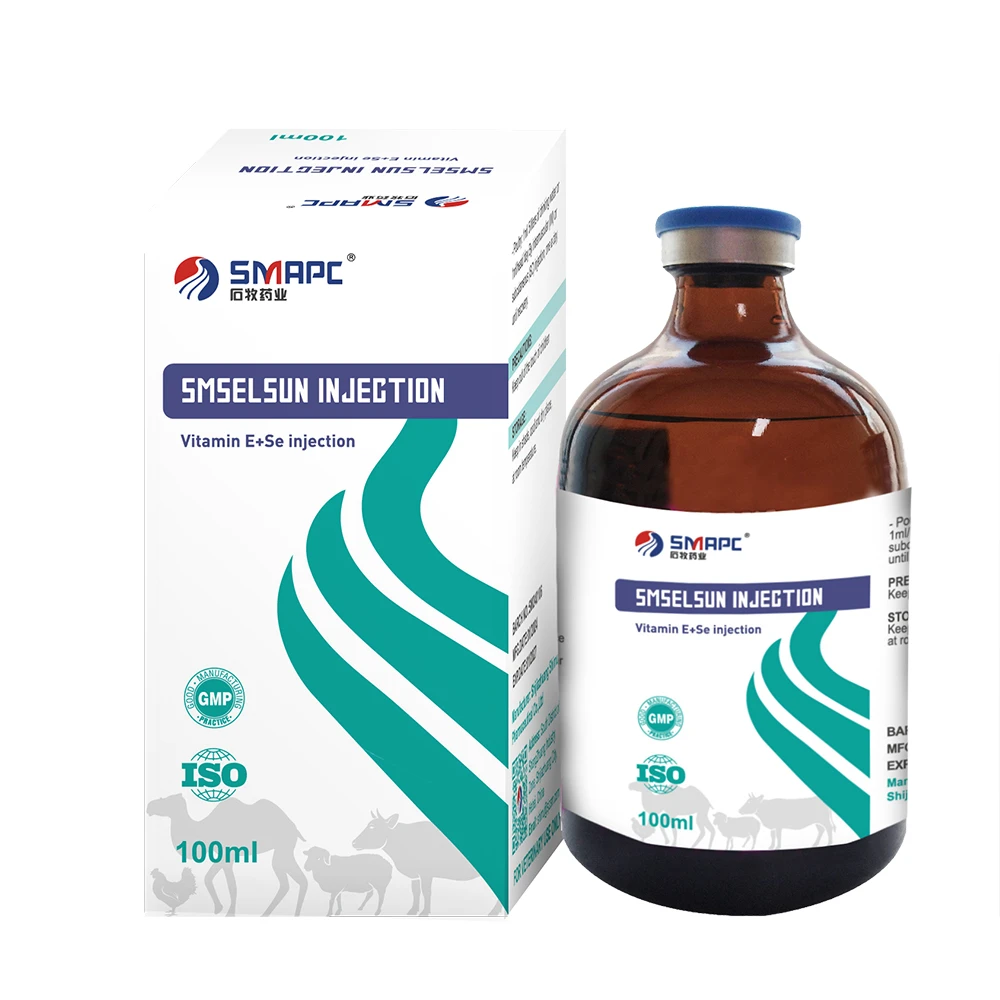
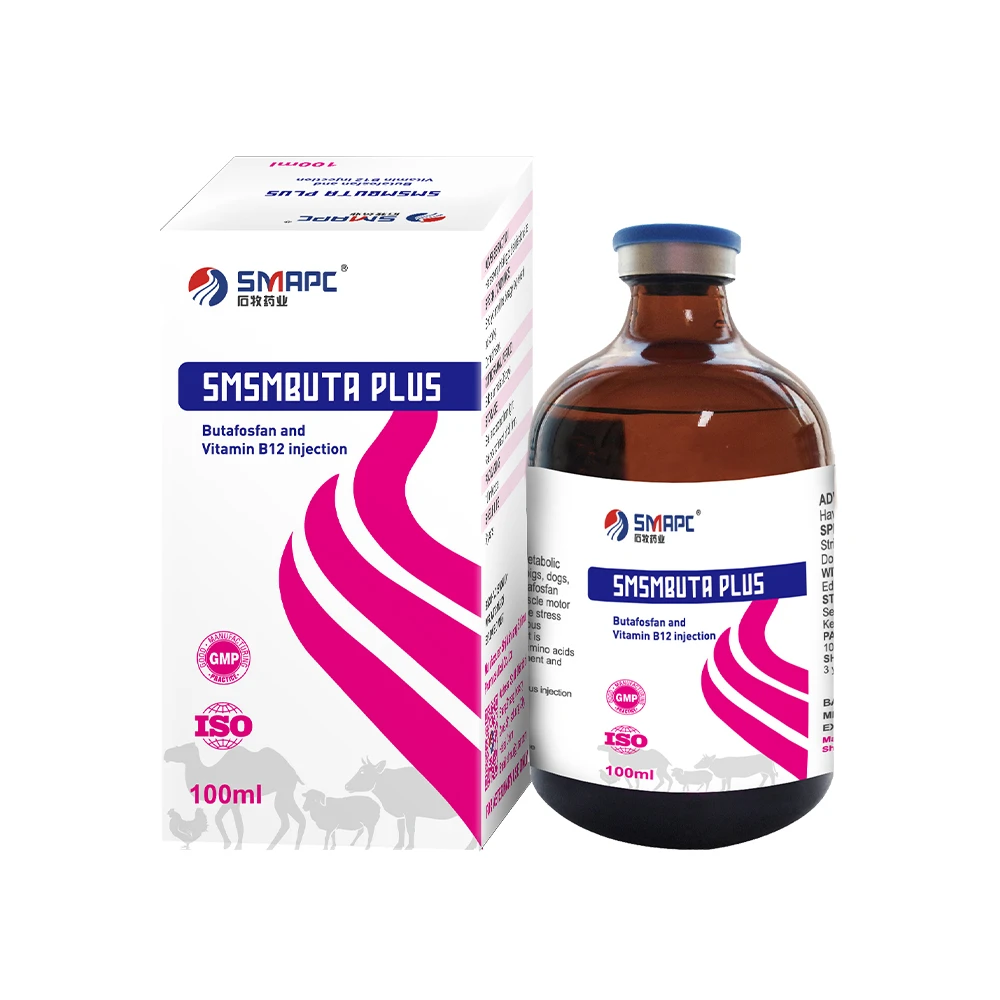
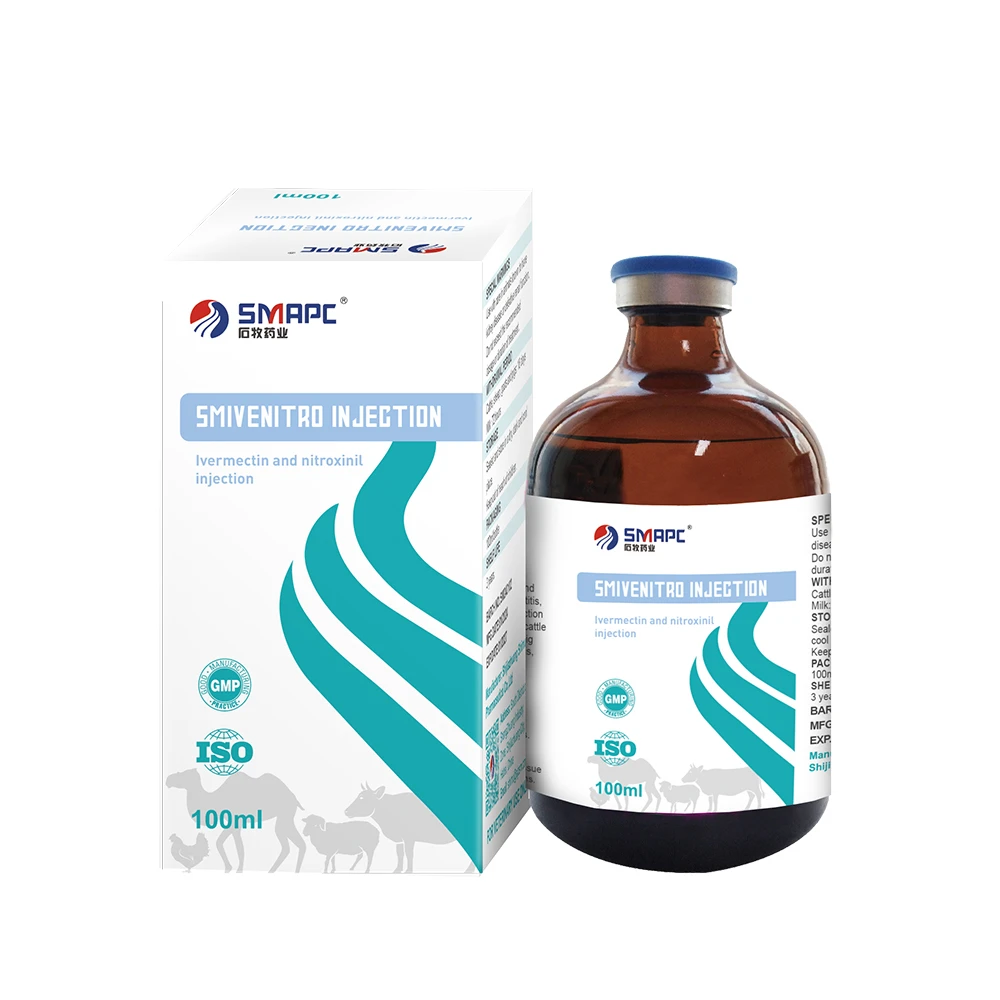
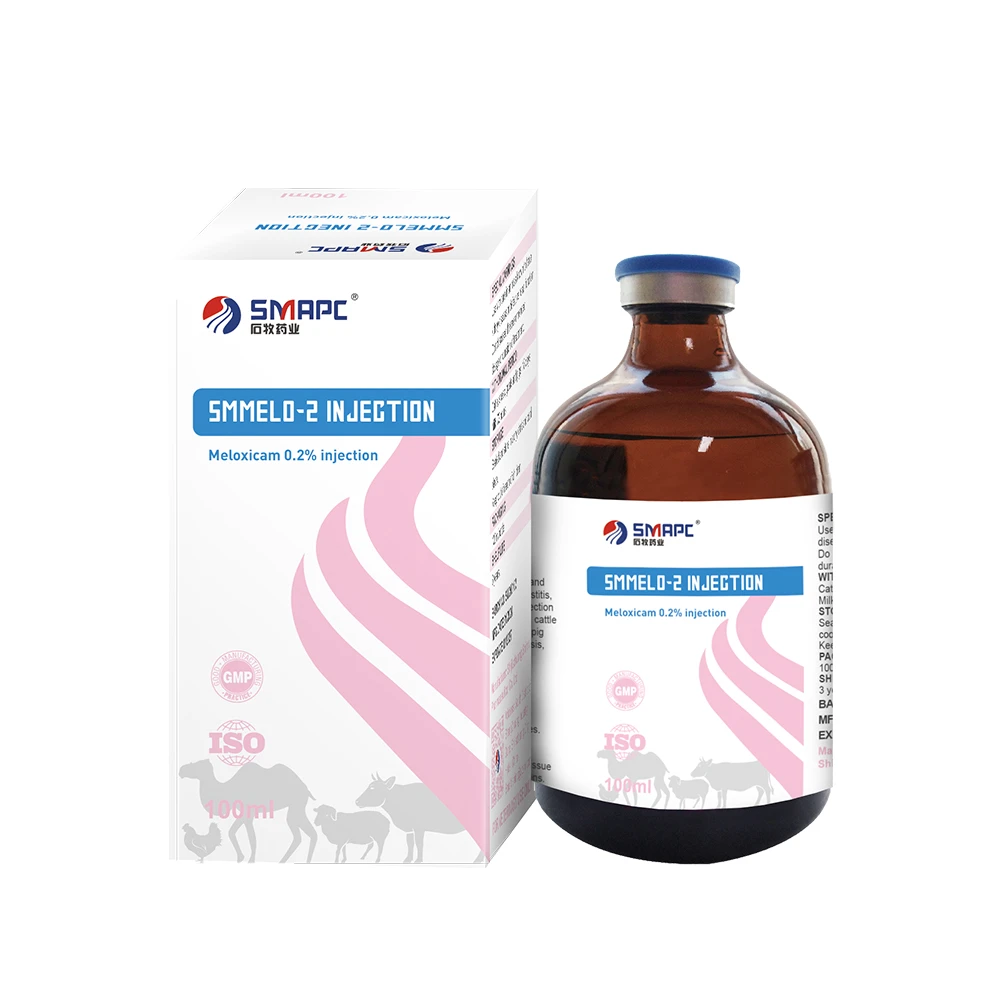
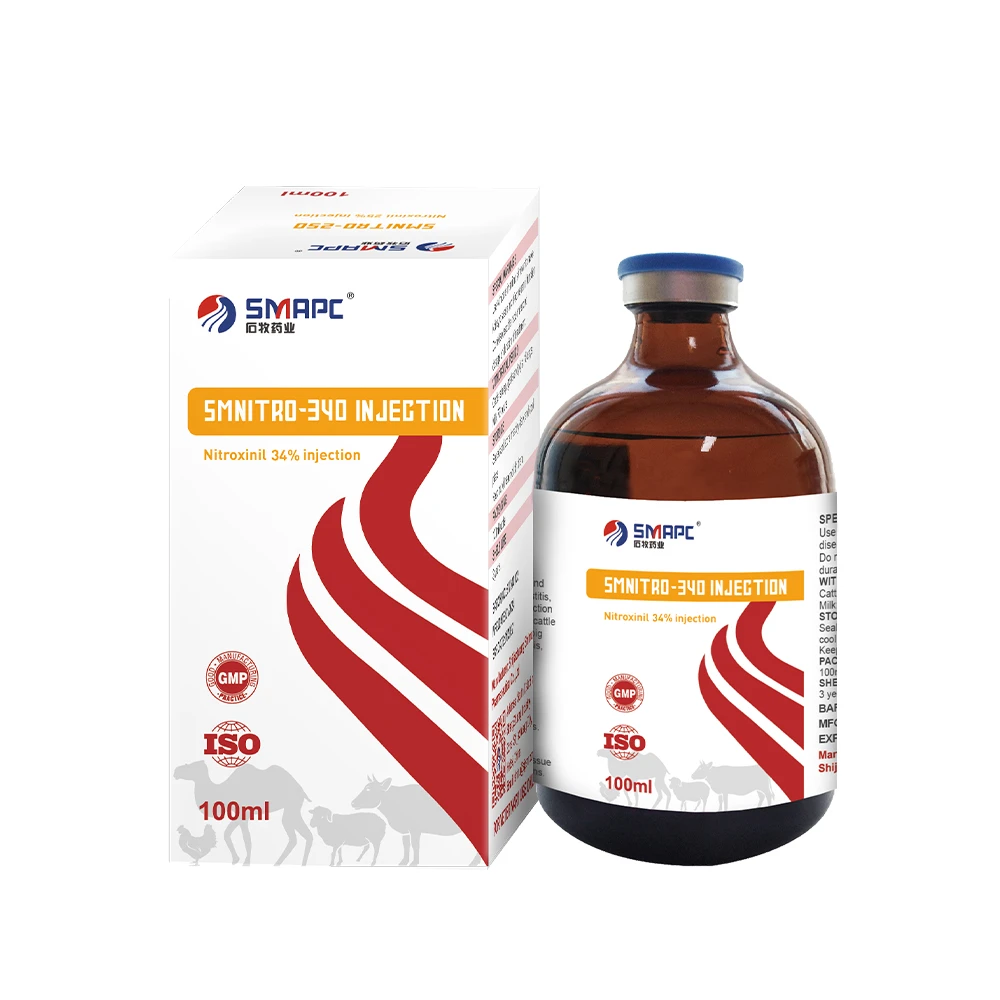
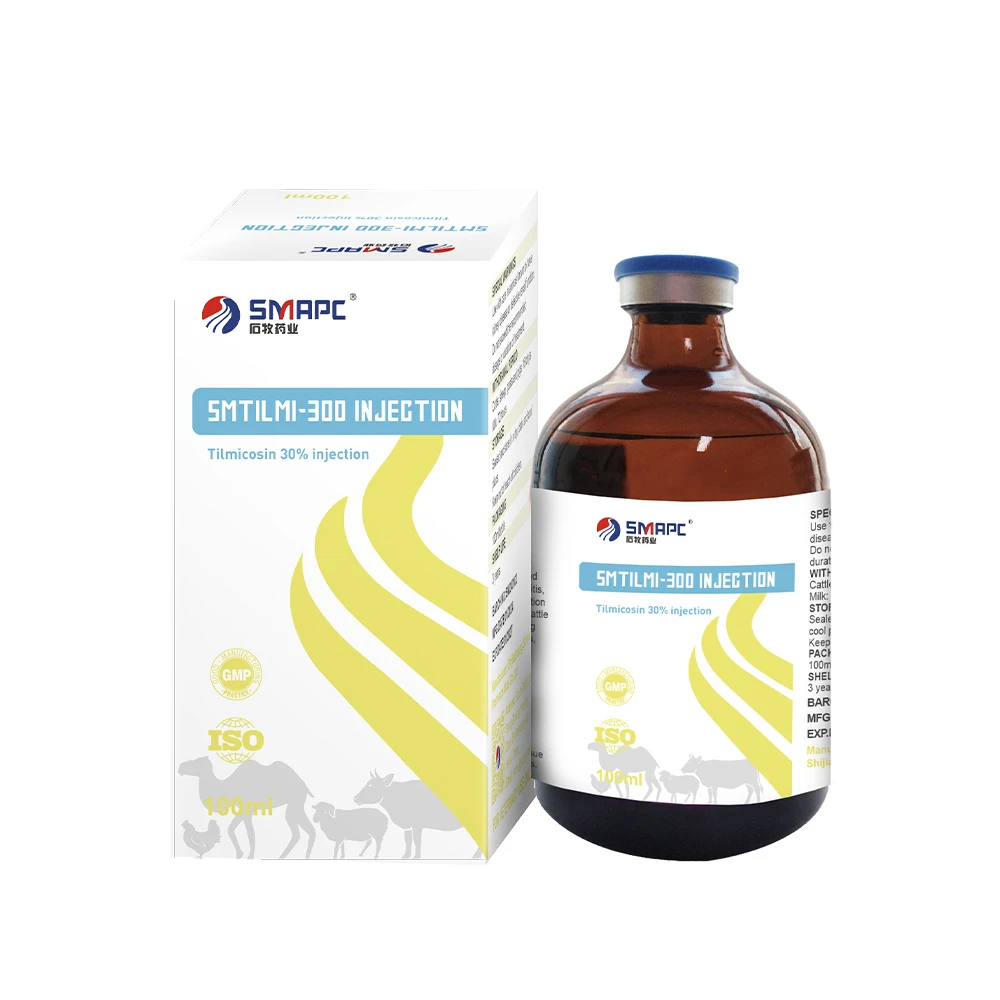
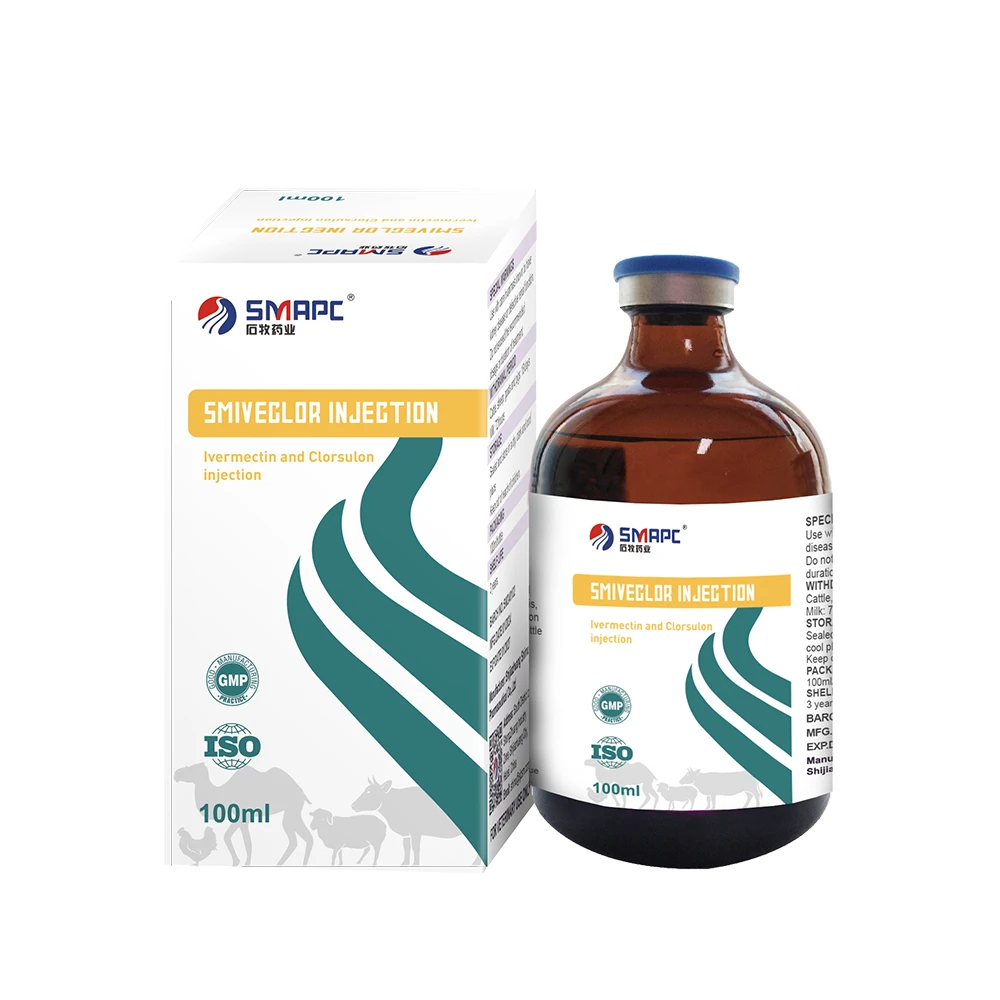
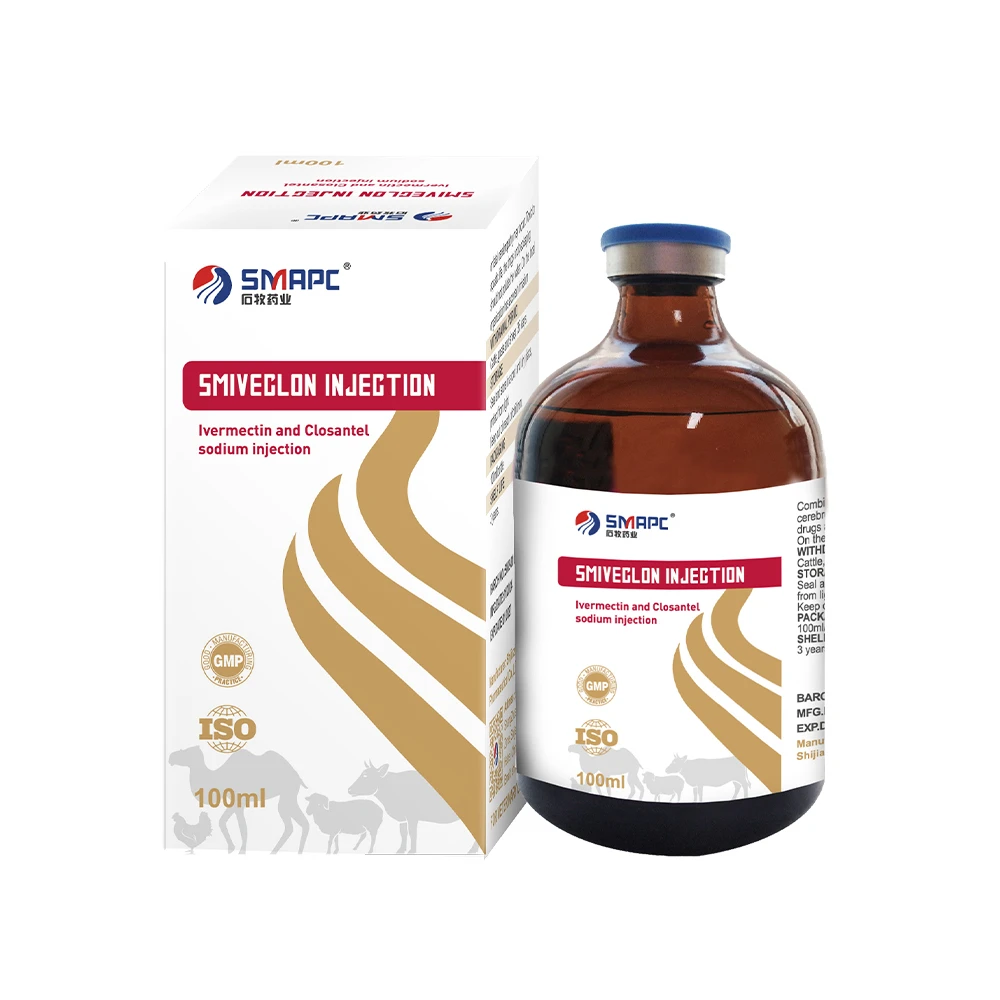
At Skyvetpharm, we understand the challenges of managing diarrhoea in cattle. We offer a range of high-quality products designed to support treatment and prevention. These include:
Conclusion: Proactive Management for a Healthy Herd
Effective management of diarrhoea in cows requires a multi-faceted approach. From preventative measures like maintaining hygiene and ensuring colostrum intake to prompt and targeted treatment of diarrhoea in cow with products from Skyvetpharm, prioritizing herd health is crucial for sustainable livestock farming.
Frequently Asked Questions (FAQs)
What is the role of colostrum in preventing diarrhoea in calves?
Colostrum, the first milk produced after calving, is rich in antibodies that provide passive immunity to the calf. These antibodies protect the calf from various pathogens, including those that cause diarrhoea. Ensuring calves receive adequate colostrum within the first 6-12 hours of life is vital for building a strong immune system and reducing the risk of infection. The quantity and quality of colostrum are both important factors; a calf should receive at least 4 liters of high-quality colostrum within the first 24 hours.
When should I contact a veterinarian if I suspect diarrhoea in my cows?
It's best to contact a veterinarian as soon as you suspect diarrhoea, especially if you observe multiple animals affected, severe dehydration, blood in the stool, or if the condition doesn't improve within 24-48 hours of initial treatment. Early veterinary intervention can help identify the underlying cause and implement the most effective treatment plan, preventing the condition from escalating and potentially saving lives. Don’t hesitate to seek professional advice.
Are there specific dietary adjustments I can make to help cows recover from diarrhoea?
Yes, providing a highly digestible diet is crucial for recovery. Offer easily digestible feed like hay, grain, or specially formulated recovery diets. Avoid sudden dietary changes, as these can exacerbate the condition. Ensure the cows have access to plenty of fresh, clean water to prevent dehydration. Small, frequent feedings are often better tolerated than large meals. Consider adding probiotics to the diet to help restore gut flora.
-
Choosing the Best Worm Medicine for Goats for Herd HealthNewsApr.16,2026
-
Comprehensive Guide to Professional Goat Medication and Herd HealthNewsApr.09,2026
-
Comprehensive Tick Treatment for Sheep A Guide to Control and PreventionNewsApr.07,2026
-
Comprehensive Guide to Effective Mite Treatment for Goats and PreventionNewsApr.04,2026
-
Comprehensive Veterinary Medicine for Sheep Health and Disease PreventionNewsMar.31,2026
-
Comprehensive Guide to Goat Health and Effective Goats Medicine SolutionsNewsMar.28,2026