Mar . 19, 2026 02:25 Back to list
Comprehensive Guide to Veterinary Drugs for Cattle Health and Disease Management
Veterinary Drugs for Cattle: Ensuring Livestock Health and Productivity
Maintaining the health of your cattle is paramount for successful farming operations. Effective disease prevention and treatment rely heavily on the appropriate use of veterinary drugs for cattle. This article provides a comprehensive overview of common cattle diseases, available treatments, key considerations for drug administration, and how SkyVet Pharm can support your livestock health needs. Proactive health management not only improves animal welfare but also contributes to increased productivity and profitability.

Common Cattle Diseases and Their Impact
Cattle are susceptible to a variety of diseases, ranging from bacterial and viral infections to parasitic infestations. Some of the most prevalent include Bovine Respiratory Disease (BRD), Mastitis, Foot and Mouth Disease (FMD), and parasitic gastroenteritis (worms). BRD, particularly common in stressed calves, causes pneumonia and can lead to significant economic losses. Mastitis, an inflammation of the udder, impacts milk production and quality. FMD, though rare in some regions, is highly contagious and devastating to livestock. Understanding these diseases and their symptoms is the first step in effective prevention and treatment.
Key Considerations: Early detection of disease symptoms is crucial. Regular veterinary check-ups and proactive monitoring of herd health are essential for minimizing outbreaks and ensuring timely treatment.
Effective Treatment Options: Veterinary Drugs for Cattle
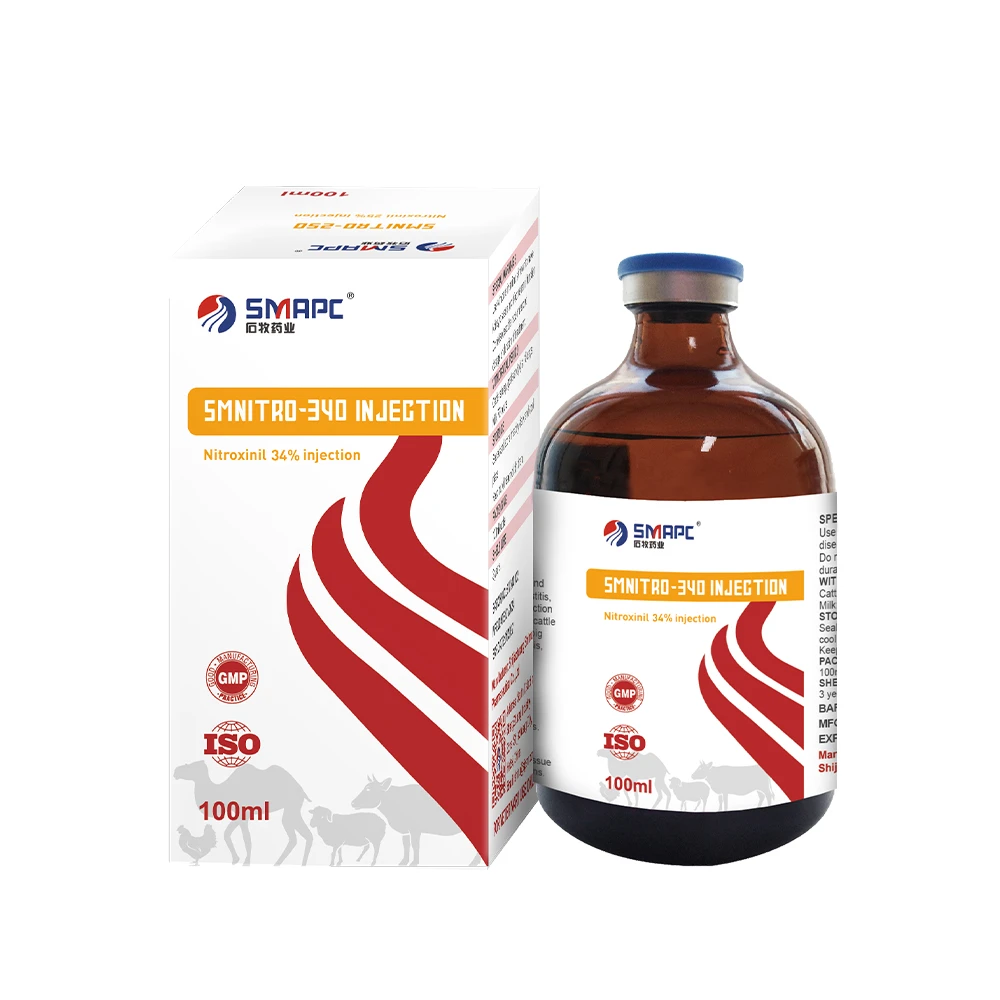
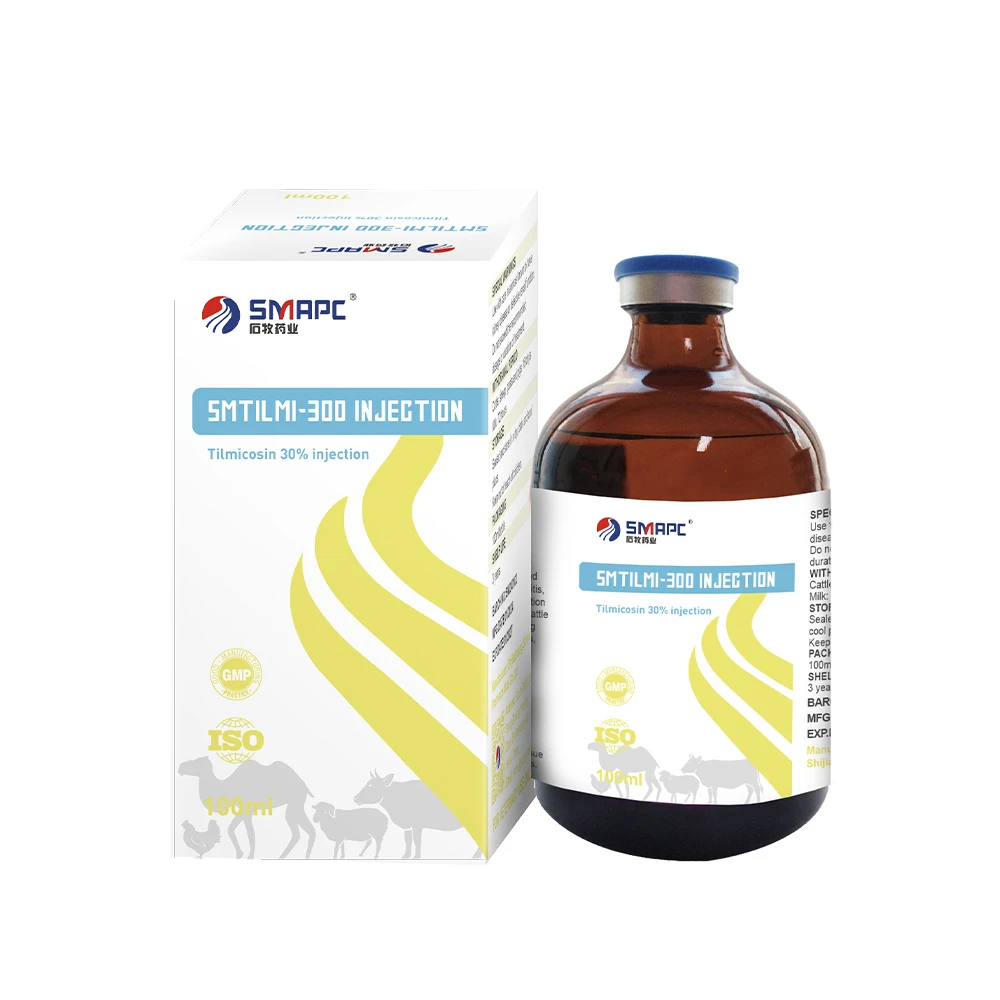
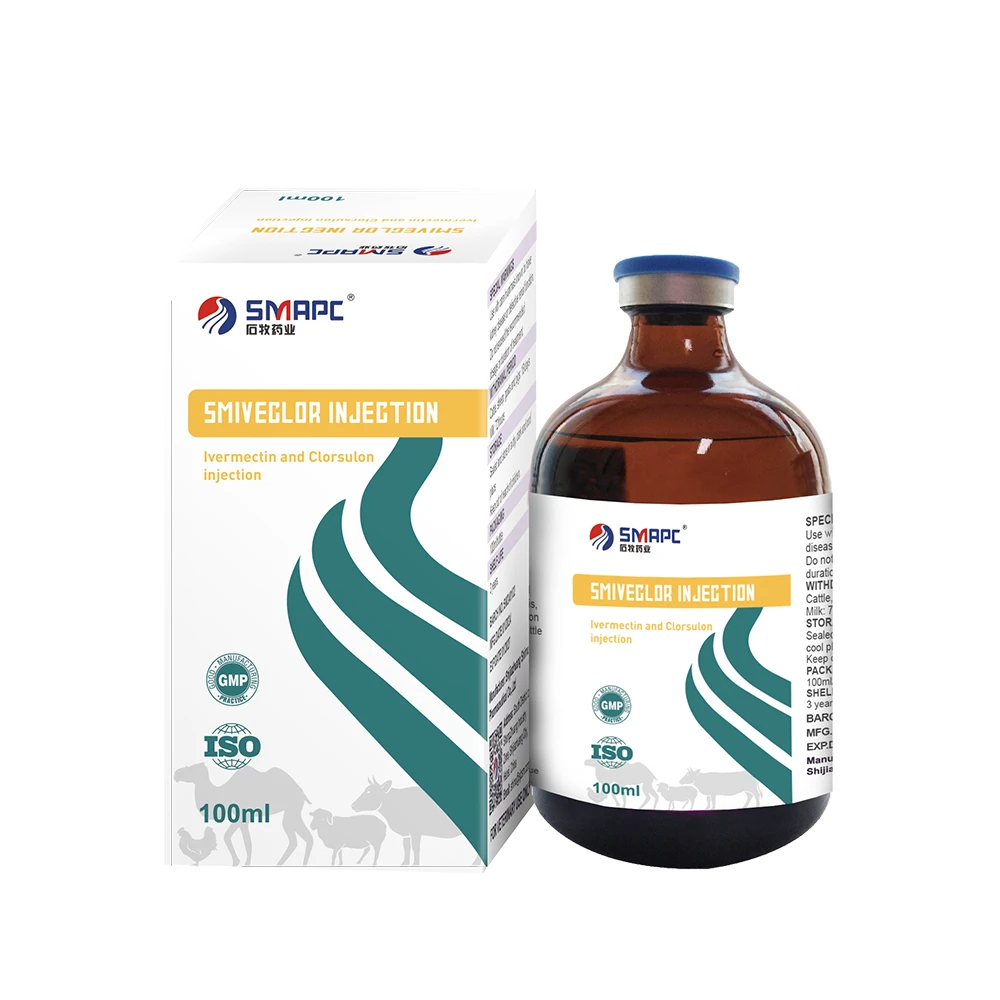
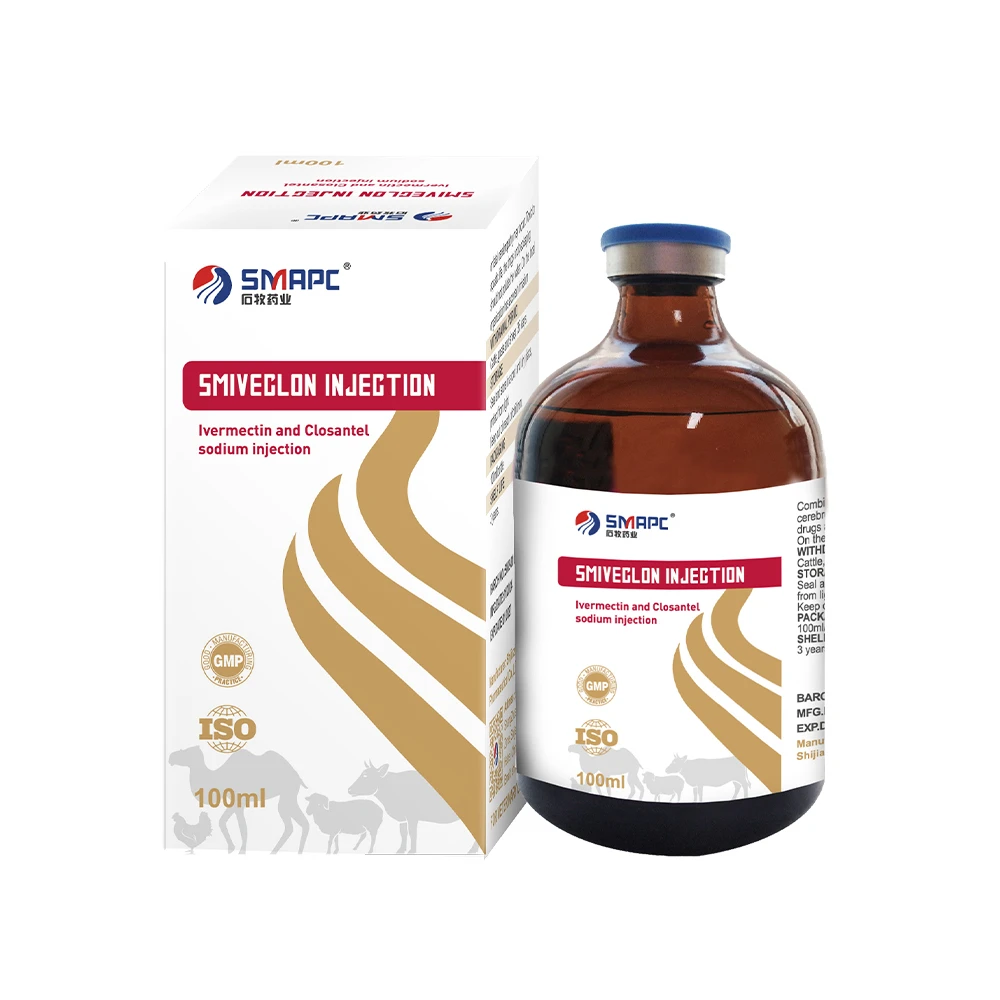
A range of veterinary drugs for cattle are available to treat common ailments. Antibiotics are frequently used to combat bacterial infections like BRD and Mastitis. Anthelmintics (dewormers) effectively control parasitic worms. Non-steroidal anti-inflammatory drugs (NSAIDs) can alleviate pain and fever associated with various conditions. Vaccines play a vital role in preventative medicine, building immunity against diseases like FMD and Infectious Bovine Rhinotracheitis (IBR). Selecting the appropriate medication depends on the specific diagnosis and severity of the illness.
Key Benefits of Using Quality Veterinary Drugs:
• Faster recovery times
• Reduced mortality rates
• Improved herd productivity
• Minimized economic losses
Veterinary Drugs for Cattle: A Comparative Look
Understanding the differences between drug types is crucial for effective treatment. Here's a comparison of some common options:
Responsible Drug Administration and Withdrawal Periods
Correct drug administration is critical for both efficacy and animal safety. Always follow the veterinarian's instructions regarding dosage, route of administration, and duration of treatment. Pay close attention to withdrawal periods – the time required for the drug to clear the animal's system before meat or milk can be safely consumed. Failure to observe withdrawal periods can result in residues in food products, posing a risk to human health. Proper record-keeping of all medication administered is also essential.
SkyVet Pharm: Your Trusted Partner for Cattle Health
SkyVet Pharm is dedicated to providing high-quality veterinary drugs for cattle and exceptional customer service. We offer a comprehensive range of products, including antibiotics, anthelmintics, vaccines, and more. Our team of experts is available to provide guidance and support to help you optimize your herd health management program. We are committed to ensuring the well-being of your animals and the success of your farming operation.
Conclusion: Proactive Health Management for a Thriving Herd
Investing in preventative care and utilizing high-quality veterinary drugs for cattle from a trusted source like SkyVet Pharm is essential for maintaining a healthy and productive herd. Prioritize early detection, responsible drug administration, and adherence to withdrawal periods to safeguard animal welfare and ensure the long-term success of your farm.
Frequently Asked Questions (FAQs)
What is the best way to prevent Bovine Respiratory Disease (BRD)?
Preventing BRD involves a multi-faceted approach. Minimizing stress factors such as weaning, transportation, and overcrowding is crucial. Ensuring adequate ventilation in housing facilities is also important. Vaccination against key respiratory pathogens, like Bovine Viral Diarrhea (BVD) and Parainfluenza-3 (PI3), can significantly reduce the risk. A strong immune system, supported by proper nutrition, is essential. Early detection of symptoms and prompt treatment with appropriate antibiotics are vital if BRD develops. SkyVet Pharm offers a range of vaccines and antibiotics suitable for BRD prevention and treatment.
How often should cattle be dewormed?
The frequency of deworming depends on several factors, including the prevalence of parasites in your region, the age and condition of your cattle, and the type of grazing system used. Generally, strategic deworming programs are recommended, focusing on treating animals at times when parasite burdens are likely to be highest, such as during the grazing season. Fecal egg counts can help determine the level of parasite infestation and guide deworming decisions. It's also important to rotate anthelmintic classes to prevent the development of drug resistance. Consult with your veterinarian to develop a customized deworming program for your herd.
What should I do if I suspect my cattle have Mastitis?
If you suspect Mastitis, immediate action is crucial. Isolate the affected cow and consult with your veterinarian for a diagnosis and treatment plan. Treatment typically involves antibiotics administered intravenously or intramammarily. Stripping the udder before milking can help remove infected milk. Proper hygiene practices during milking are essential to prevent the spread of infection. Monitoring somatic cell counts (SCC) in milk can help detect subclinical Mastitis. Preventative measures include maintaining a clean and dry environment, proper milking technique, and regular udder health checks. SkyVet Pharm provides a range of antibiotics effective against Mastitis.
Where can I find reliable information about veterinary drug withdrawal periods?
Reliable information about veterinary drug withdrawal periods can be found on the product label, in the Veterinary Medicines Directorate (VMD) data sheets, or by consulting with your veterinarian. The withdrawal period specifies the time that must elapse between the last administration of the drug and the slaughter of the animal or the consumption of milk or meat. It’s critical to strictly adhere to these guidelines to ensure food safety. SkyVet Pharm provides clear withdrawal period information with all of its products.
-
Choosing the Best Worm Medicine for Goats for Herd HealthNewsApr.16,2026
-
Comprehensive Guide to Professional Goat Medication and Herd HealthNewsApr.09,2026
-
Comprehensive Tick Treatment for Sheep A Guide to Control and PreventionNewsApr.07,2026
-
Comprehensive Guide to Effective Mite Treatment for Goats and PreventionNewsApr.04,2026
-
Comprehensive Veterinary Medicine for Sheep Health and Disease PreventionNewsMar.31,2026
-
Comprehensive Guide to Goat Health and Effective Goats Medicine SolutionsNewsMar.28,2026