Mar . 17, 2026 02:15 Back to list
Comprehensive Veterinary Cow Medicine Guide for Optimal Herd Health
Veterinary Cow Medicine: A Comprehensive Guide
Maintaining the health and well-being of your cattle is paramount for a successful farming operation. Choosing the right veterinary cow medicine is crucial for preventing, diagnosing, and treating a wide range of ailments. This article will delve into the essential types of medications, their uses, administration methods, and considerations for ensuring optimal animal health. Effective disease management directly impacts productivity and profitability, making informed decisions about cow health a key priority. At SkyVetPharm, we’re dedicated to providing high-quality solutions for your livestock needs.
Understanding the Different Types of Veterinary Cow Medicine
The field of veterinary cow medicine encompasses a broad spectrum of treatments, categorized by their purpose. Antibiotics are vital for combating bacterial infections such as mastitis, pneumonia, and foot rot. Antiparasitics, including dewormers, protect against internal and external parasites that can significantly reduce weight gain and milk production. Anti-inflammatory drugs, like non-steroidal anti-inflammatory drugs (NSAIDs), alleviate pain and reduce inflammation caused by injuries or diseases. Furthermore, vaccines play a preventative role, boosting the immune system to protect against common viral and bacterial infections. Finally, nutritional supplements address deficiencies and support overall health, especially during critical stages like lactation and pregnancy. Selecting the appropriate medication requires accurate diagnosis and, ideally, consultation with a veterinarian.
Key Highlights: The correct veterinary cow medicine can dramatically improve livestock health and farm productivity. Proper diagnosis and medication selection are critical for optimal results.
Common Cow Ailments and Their Treatments
Several common ailments affect dairy and beef cattle, each requiring a specific treatment approach. Mastitis, an inflammation of the udder, often responds well to intramammary antibiotics. Pneumonia, a respiratory infection, may necessitate systemic antibiotics and supportive care. Foot rot, a bacterial infection of the hoof, requires topical antibiotics and foot trimming. Ketosis, a metabolic disorder, can be managed with glucose supplementation and dietary adjustments. And Bloat, a condition caused by excessive gas in the rumen, often requires rumenotomy or the administration of defoaming agents. Early detection and prompt treatment are essential for minimizing the impact of these conditions on animal welfare and farm productivity. SkyVetPharm provides a comprehensive range of solutions to address these and other common cattle health issues.
Preventative Measures:
• Regular veterinary check-ups
• Proper hygiene and sanitation
• Balanced nutrition
• Vaccination programs
Veterinary Cow Medicine: Administration Methods and Considerations
The method of administering veterinary cow medicine depends on the specific drug and the condition being treated. Common routes include intramuscular injections, which deliver medication into the muscle tissue; subcutaneous injections, which administer medication under the skin; oral medications, such as boluses or liquid drenches; and intravenous injections, which introduce medication directly into the bloodstream. Topical applications, like sprays or ointments, are used for skin infections and wounds. It's crucial to follow the veterinarian’s instructions carefully regarding dosage, frequency, and administration technique. Withdrawal periods – the time required for the drug to clear the animal’s system before milk or meat can be safely consumed – must be strictly observed to ensure food safety.
Antibiotic Resistance: A Growing Concern
The overuse and misuse of antibiotics in livestock contribute to the alarming rise of antibiotic-resistant bacteria. This poses a significant threat to both animal and human health. To combat this issue, it's essential to use antibiotics judiciously, only when necessary, and under the guidance of a veterinarian. Implementing responsible antibiotic stewardship practices, such as using targeted therapies and minimizing broad-spectrum antibiotic use, can help preserve the effectiveness of these vital medications. At SkyVetPharm, we advocate for responsible antibiotic use and offer resources to support best practices.
Product Specifications: SkyVetPharm’s Antibiotic Solutions
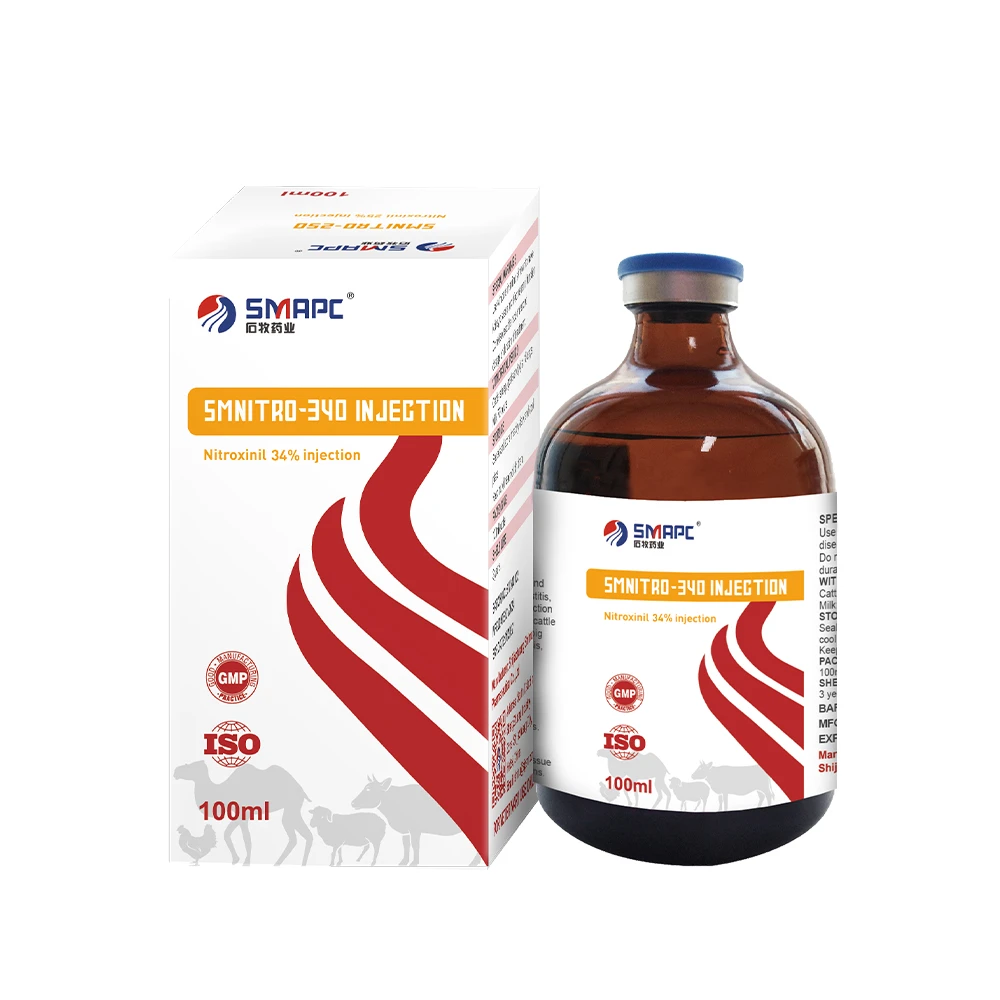
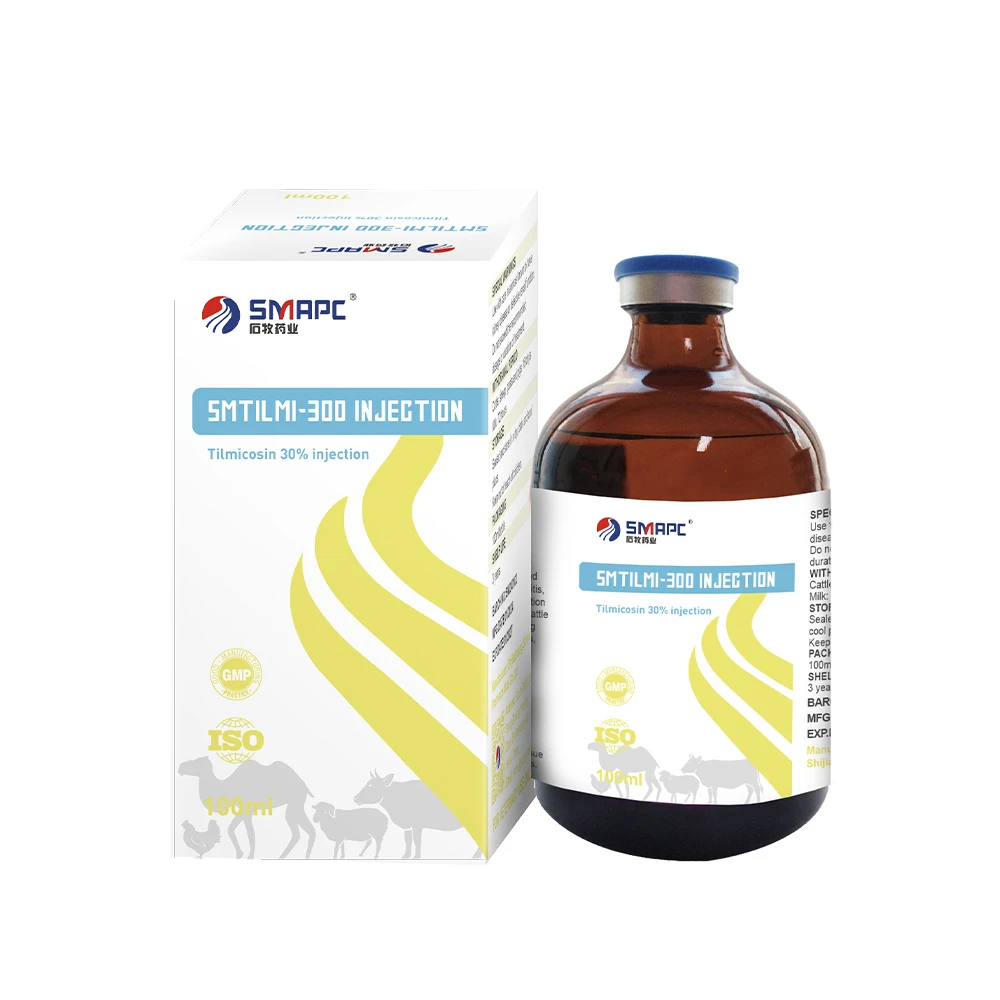
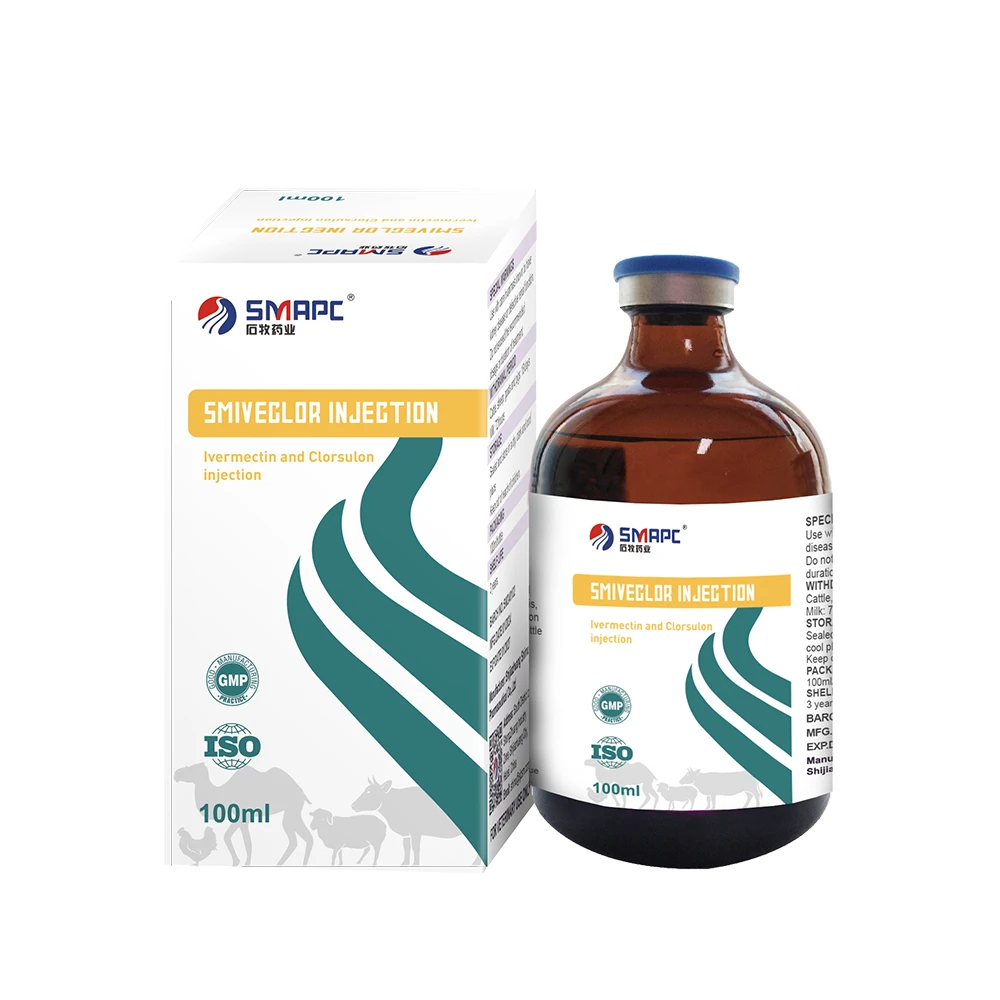
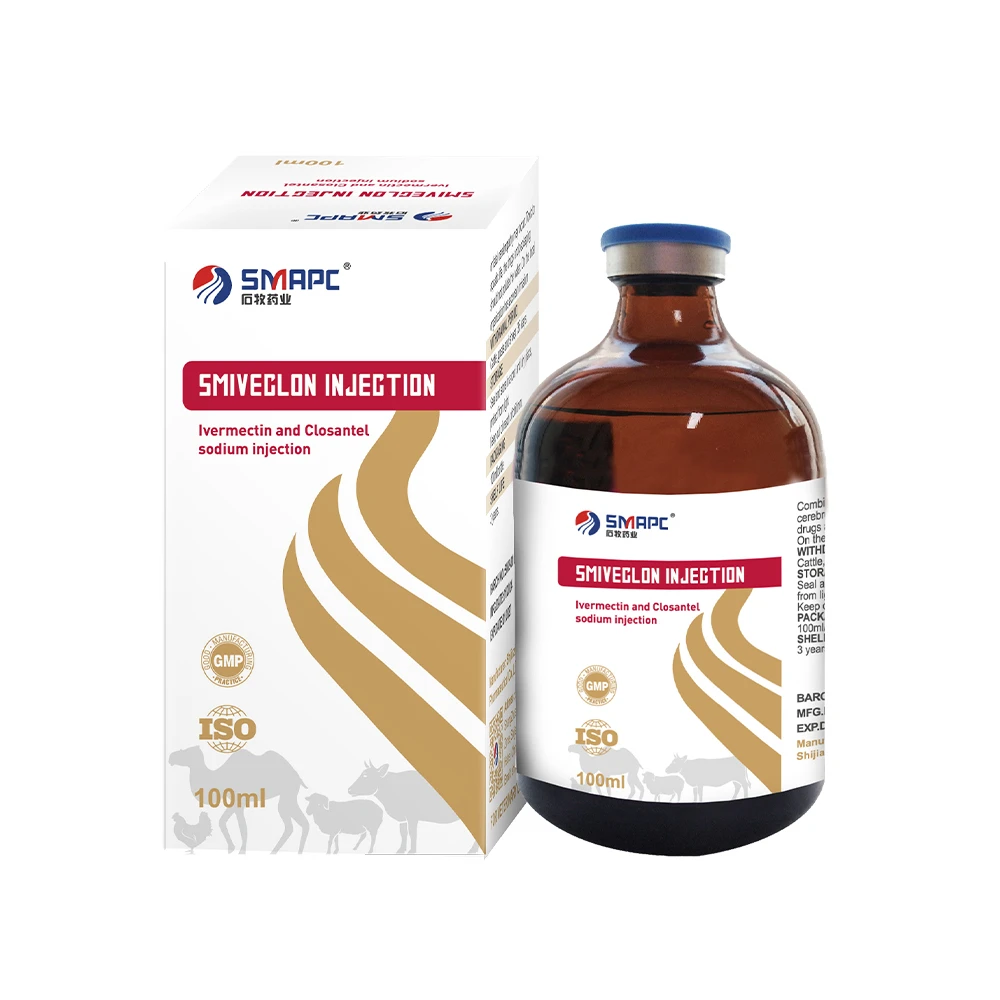
SkyVetPharm offers a range of high-quality antibiotic solutions tailored to the needs of your cattle. Here’s a look at some of our key products:
Conclusion: Prioritizing Cow Health for a Sustainable Future
Investing in quality veterinary cow medicine and implementing proactive health management strategies are essential for the long-term success of any cattle operation. By understanding the common ailments, appropriate treatments, and responsible medication practices, you can safeguard the health and productivity of your herd. SkyVetPharm is your trusted partner in providing comprehensive solutions for your livestock health needs.
Frequently Asked Questions (FAQs)
What is the best way to prevent mastitis in my dairy herd?
Preventing mastitis requires a multi-faceted approach. Maintaining excellent hygiene during milking is crucial, including proper teat dipping and consistent cleaning of milking equipment. Providing a dry and comfortable environment for cows, minimizing stress, and ensuring a balanced diet can also help reduce the risk. Regular monitoring of somatic cell counts (SCC) in milk can identify early cases and allow for prompt treatment. Vaccination against specific mastitis-causing pathogens may also be beneficial, depending on your herd’s history.
How often should I deworm my cattle?
The frequency of deworming depends on several factors, including the prevalence of parasites in your region, the age and condition of your cattle, and your farm’s grazing management practices. Generally, a strategic deworming program, guided by fecal egg counts, is more effective than routine, blanket treatments. Young animals are typically more susceptible to parasitic infections and require more frequent deworming. Consult with your veterinarian to develop a tailored deworming schedule for your specific herd and location.
What should I do if I suspect my cow has bloat?
Bloat requires immediate attention. If you suspect a cow has bloat, contact your veterinarian immediately. In mild cases, gently walking the cow may help release some gas. Avoid sudden movements or strenuous exercise. Your veterinarian may recommend administering a defoaming agent orally or performing a rumenotomy to relieve the pressure. Preventative measures, such as providing access to grazing that is not overly lush and avoiding sudden dietary changes, can help reduce the risk of bloat.
Where can I find more information about veterinary cow medicine?
Reliable information about veterinary cow medicine can be found through several sources. Your veterinarian is the best resource for specific advice tailored to your herd’s needs. University extension services and agricultural research institutions also provide valuable information. Reputable veterinary journals and websites, such as those maintained by veterinary medical associations, offer evidence-based insights. SkyVetPharm's website also provides helpful resources and information about our products.
-
Choosing the Best Worm Medicine for Goats for Herd HealthNewsApr.16,2026
-
Comprehensive Guide to Professional Goat Medication and Herd HealthNewsApr.09,2026
-
Comprehensive Tick Treatment for Sheep A Guide to Control and PreventionNewsApr.07,2026
-
Comprehensive Guide to Effective Mite Treatment for Goats and PreventionNewsApr.04,2026
-
Comprehensive Veterinary Medicine for Sheep Health and Disease PreventionNewsMar.31,2026
-
Comprehensive Guide to Goat Health and Effective Goats Medicine SolutionsNewsMar.28,2026