Dec . 03, 2025 11:04 Back to list
Pain Medicine for Pigs: Improving Animal Welfare & Livestock Productivity Globally
Pain Medicine for Pigs: A Vital Aspect of Global Livestock Welfare
It might not be the first topic that springs to mind when we think of veterinary medicine, but pain medicine for pigs is actually a critical, often overlooked, part of animal welfare and modern livestock management globally. As pig farming scales up to meet growing food demands, understanding—and implementing—effective pain management is not only a humane imperative but also an economic and biosecurity issue. Frankly, pain relief in pigs means better recovery rates, less stress-induced illnesses, and ultimately healthier herds. This has sweeping implications from the smallholder farms in Asia to industrial operations in Europe and the Americas.
Globally, pigs account for roughly 36% of the world’s meat production according to the Food and Agriculture Organization (FAO), which makes pain management in pigs a matter affecting billions of lives—not just animals, but also farmers, veterinarians, and consumers. It’s also tightly linked to international guidelines like those from the World Organization for Animal Health (WOAH), supporting welfare standards that are increasingly demanded by conscientious markets.
Why Pain Medicine for Pigs Matters Globally
- Animal Welfare: Economies depend on ethically raised livestock.
- Product Quality: Reducing stress and pain improves meat quality.
- Public Health: Stress and poor welfare can increase disease spread.
Understanding pain medicine for pigs is a cornerstone for sustainable pig farming practices worldwide. That’s just the start...
Defining Pain Medicine for Pigs
Simply put, pain medicine for pigs encompasses pharmaceuticals and treatment protocols designed specifically to alleviate discomfort and pain associated with procedures like castration, tail docking, injury, and routine surgeries. These medicines vary from non-steroidal anti-inflammatory drugs (NSAIDs) to local anesthetics and other analgesics. But it’s more than just giving medicine; it’s about a systematic approach to animal care integrating assessment, treatment, and follow-up.
This focus connects deeply with contemporary livestock industry standards and even humanitarian ethics—because pigs, as sentient beings, deserve protection from avoidable suffering, especially in intensive farming setups.
Key Components of Effective Pain Medicine for Pigs
1. Efficacy and Safety
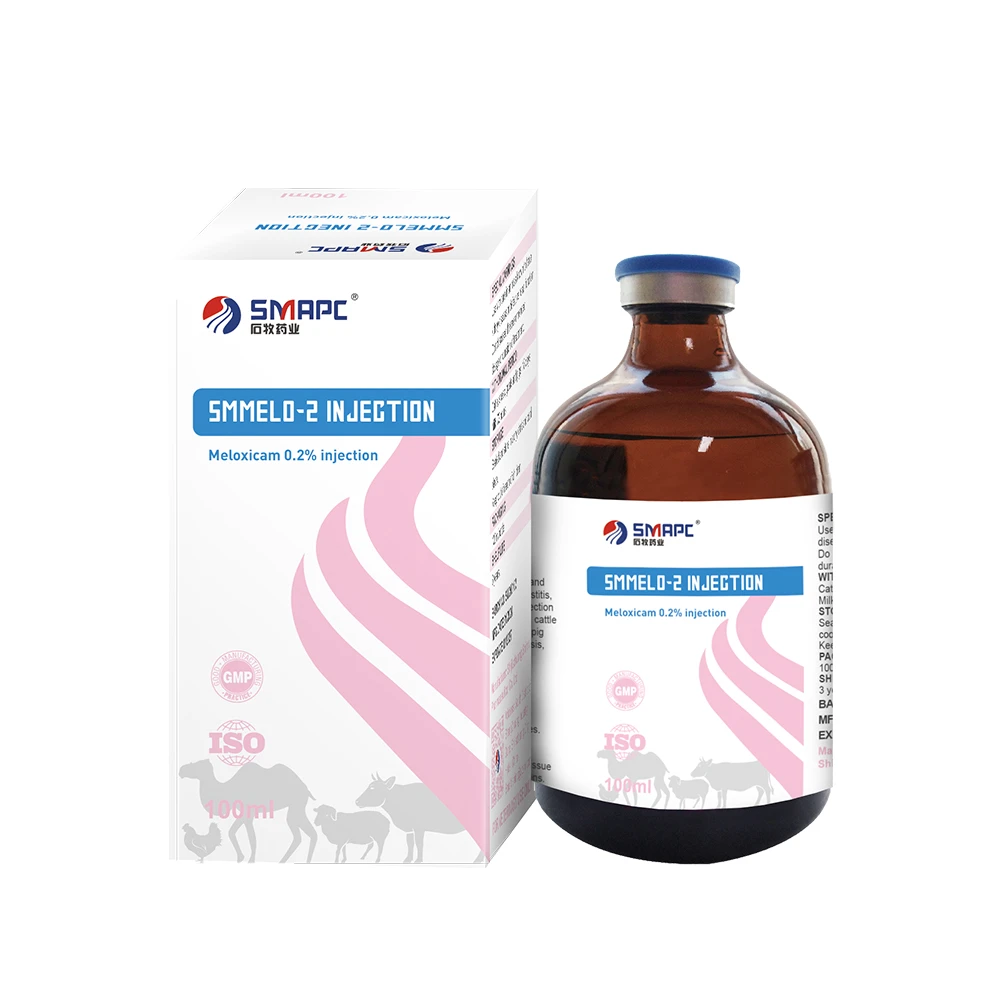
Pain relief must be effective with minimal side effects. For example, NSAIDs like meloxicam are widely used because they reduce inflammation and pain reliably without major adverse reactions.
2. Administration Method
The mode of delivery—oral, injectable, or topical—matters for compliance and practicality. Farmers favor treatments easy to administer on the farm without specialized equipment.
3. Duration of Action
Long-acting formulations reduce the need for repeated dosing, which improves animal welfare and reduces labor costs.
4. Regulatory Approval
Drugs must clear veterinary regulatory agencies like the FDA or EMA to ensure safety for animals and humans consuming their products.
5. Cost Efficiency
Cost-effective solutions promote wider adoption, especially in developing regions where resources may be limited.
Product Specifications: Common Pain Medicines for Pigs
| Medicine | Type | Administration | Duration | Typical Use |
|---|---|---|---|---|
| Meloxicam | NSAID | Injectable/Oral | 24-48 hours | Post-operative pain |
| Lidocaine | Local Anesthetic | Injection | 1-2 hours | Procedural anesthesia |
| Flunixin meglumine | NSAID | Injectable | 18-36 hours | Pain & inflammation control |
Vendor Comparison: Key Providers of Swine Pain Medicine
| Vendor | Product Range | Global Reach | Pricing Level | Regulatory Approvals |
|---|---|---|---|---|
| Boehringer Ingelheim | Wide, multi-class analgesics | Global (100+ countries) | Mid to High | FDA, EMA, APVMA |
| Zoetis | NSAIDs & local anesthetics | Global | Mid | FDA, EMA |
| Bimeda | Targeted analgesics | North America, Asia | Low to Mid | FDA |
Global Applications and Real-World Use Cases
Across continents, pain medicine for pigs sees practical application in multiple scenarios. In Europe, for example, stringent animal welfare laws make administering pain relief during surgical procedures like castration obligatory. Simply put, countries like Germany or the Netherlands have mandated such interventions to enhance livestock welfare compliance.
In North America, large-scale commercial farms integrate routine pain management to improve piglet survival and growth rates, notably after procedures that cause discomfort.
Interestingly, in parts of Asia — with a mix of smallholder and industrial farms — adoption varies widely but is growing thanks to increased awareness and animal welfare campaigns.
Moreover, NGOs involved in zoonotic disease control and disaster relief sometimes provide pain management medicines in emergency interventions to affected pig herds, recognizing that reducing pain can speed healing and prevent wider outbreaks.
If you’re curious about the pharmaceutical side or want more specialized options, you might find the latest on pain medicine for pigs useful.
Why Investing in Pain Medicine for Pigs Yields Long-Term Benefits
- Economic Advantage: Healthier pigs grow faster and produce better-quality meat, reducing losses.
- Welfare Ethics: Promotes humane treatment, increasingly demanded by consumers globally.
- Reduced Antibiotic Use: Effective pain management lowers stress, decreasing secondary infections.
- Regulatory Compliance: Helps farmers meet mandatory welfare standards, avoiding penalties.
Ultimately, it builds trust—from farm workers who observe less suffering, to consumers seeking ethically sourced products.
Future Trends & Innovations in Swine Pain Management
Oddly enough, the future of pain medicine for pigs includes technology you wouldn’t first expect. Digital pain assessment tools, for instance, are being developed to better identify and quantify pig discomfort, which helps vets provide tailored treatments. Long-acting drugs with injectable or even transdermal delivery methods are on trial, aiming to reduce handling stress.
Furthermore, sustainable veterinary pharmaceuticals—minimizing environmental impact—are gaining traction alongside precision livestock farming practices. These use sensors and AI to monitor animal health continuously, meaning pain relief can be more proactive.
Challenges & Solutions
Challenges remain, of course. Access to approved drugs in developing regions can be patchy. Sometimes farmers hesitate due to cost or unfamiliarity. Regulatory hurdles can delay new treatments reaching market. Then there’s the practical difficulty of injecting or treating thousands of pigs efficiently.
Solutions? Education campaigns, government subsidies, and innovations like oral or feed-based analgesics help. Plus, partnerships between vets, farmers, and pharmaceutical firms are pushing new protocols and improving adoption rates. Experts often emphasize animal welfare not as an added cost but as an integral investment.
FAQ: Pain Medicine for Pigs
- What types of pain medicine are safest for piglets?
- NSAIDs like meloxicam are commonly recommended due to proven safety profiles and effectiveness with minimal side effects. Always consult a veterinarian for dose and suitability.
- Can pain medicine improve meat quality?
- Yes, by reducing stress and inflammation, pain relief can result in improved meat texture and lower incidence of bruising or defects.
- How is pain in pigs assessed on farms?
- Veterinarians and farmers use behavioral signs and physiological indicators. New digital pain scoring systems are in development for more objective assessments.
- Are there any non-pharmaceutical ways to reduce pig pain?
- Good handling practices, environmental enrichment, and minimizing stressful procedures all help. However, pharmacological pain relief remains essential for surgical or injury-related pain.
- Where can I learn more about veterinary pain medicines for pigs?
- Consult veterinary medicine texts, official bodies like WOAH, and specialized suppliers like pain medicine for pigs vendors.
Conclusion: Caring for Pigs is Caring for Our Food Future
In real terms, effective pain medicine for pigs isn’t just a veterinary detail. It symbolizes the evolution of farming towards humane, sustainable, and economically sound systems. By investing in better pain management, the industry promotes animal dignity and boosts productivity simultaneously. If you want to explore this further or find trusted products and protocols, visit our website and see what’s new in pain management solutions for pigs.
It feels like the future of animal welfare involves both technology and empathy — a balance that’s worth striving for.
Mini takeaway: Pain medicine for pigs improves animal welfare, enhances productivity, and aligns with growing global demands for ethical farming.
References:
-
Choosing the Best Worm Medicine for Goats for Herd HealthNewsApr.16,2026
-
Comprehensive Guide to Professional Goat Medication and Herd HealthNewsApr.09,2026
-
Comprehensive Tick Treatment for Sheep A Guide to Control and PreventionNewsApr.07,2026
-
Comprehensive Guide to Effective Mite Treatment for Goats and PreventionNewsApr.04,2026
-
Comprehensive Veterinary Medicine for Sheep Health and Disease PreventionNewsMar.31,2026
-
Comprehensive Guide to Goat Health and Effective Goats Medicine SolutionsNewsMar.28,2026