Mar . 12, 2026 02:15 Back to list
Comprehensive Guide to the Treatment of Diarrhoea in Cattle for Optimal Health
Treatment of Diarrhoea in Cattle: A Comprehensive Guide
Diarrhoea, often referred to as scours, is a common and potentially serious condition affecting cattle of all ages, particularly calves. It's characterized by frequent, watery fecal matter and can lead to dehydration, electrolyte imbalance, and even death if left untreated. Understanding the causes, recognizing the symptoms, and implementing appropriate treatment strategies are vital for maintaining herd health and productivity. This article provides a detailed overview of treating diarrhoea in cattle, covering preventative measures, diagnostic approaches, and effective therapeutic options.
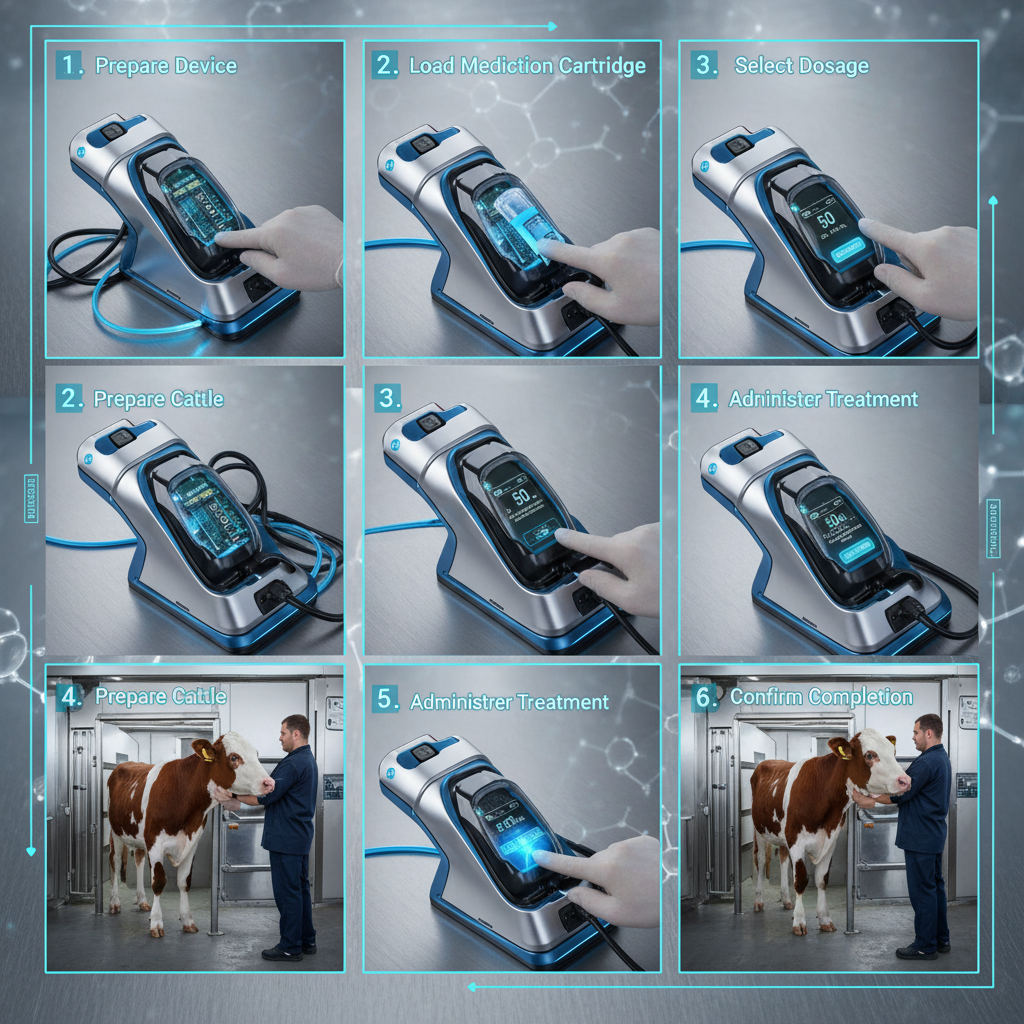
Understanding the Causes of Diarrhoea in Cattle
Diarrhoea in cattle is rarely caused by a single factor. Often, it's a multifactorial condition involving infectious agents, nutritional deficiencies, and management practices. Common causes include viral infections (rotavirus, coronavirus), bacterial infections (E. coli, Salmonella), parasitic infections (coccidiosis, cryptosporidiosis), and dietary upsets. Stress, such as weaning, transportation, or changes in feed, can also weaken the immune system and predispose cattle to diarrhoea. Identifying the underlying cause is crucial for selecting the most effective treatment.
Key Takeaway: Diarrhoea in cattle is often a symptom of an underlying issue. A thorough investigation is essential for accurate diagnosis and treatment.
Recognizing the Symptoms of Diarrhoea in Cattle
Early detection is key to successful treatment. Symptoms of diarrhoea vary depending on the severity and underlying cause, but generally include frequent defecation of watery stool, straining, loss of appetite, weakness, and dehydration. In calves, you might observe sunken eyes, dry mucous membranes, and decreased skin turgor (the ability of the skin to bounce back when pinched). Fever and abdominal pain may also be present. Monitoring cattle closely and being aware of these signs allows for prompt intervention.
Key Symptoms to Watch For:
• Watery stool and frequent defecation
• Weakness and lethargy
• Loss of appetite
• Dehydration (sunken eyes, dry gums)
Treatment of Diarrhoea in Cattle: A Step-by-Step Approach
The treatment plan for diarrhoea in cattle depends on the severity of the condition and the underlying cause. The primary goal is to correct dehydration and electrolyte imbalances, while addressing the underlying infection or dietary issue. Key components of treatment include:
- Rehydration Therapy: Providing oral or intravenous fluids to restore hydration.
- Electrolyte Replacement: Administering electrolyte solutions to replenish lost minerals.
- Antimicrobial Therapy: Using antibiotics judiciously to treat bacterial infections (under veterinary guidance).
- Dietary Management: Providing a highly digestible, easily absorbed diet.
- Supportive Care: Maintaining a clean and dry environment, and providing warmth and comfort.
SkyVetPharm offers a range of solutions to support the treatment of diarrhoea in cattle, including oral rehydration salts and electrolyte supplements. See our product catalog here.
Comparing Treatment Options for Diarrhoea in Cattle
Several treatment options are available, each with its own advantages and disadvantages. Understanding these differences can help you make informed decisions about the best course of action. The following table outlines a comparison of common treatment methods:
Preventative Measures to Minimize Diarrhoea Incidence
Prevention is always better than cure. Implementing robust preventative measures can significantly reduce the incidence of diarrhoea in your cattle herd. These include:
- Good Hygiene: Maintaining clean and sanitary housing conditions.
- Proper Nutrition: Providing a balanced and nutritious diet.
- Stress Reduction: Minimizing stress factors such as overcrowding and transportation.
- Vaccination: Vaccinating against relevant viral and bacterial pathogens.
- Colostrum Management: Ensuring adequate colostrum intake in newborn calves.
Conclusion: Proactive Management for Healthy Cattle
Diarrhoea in cattle is a complex condition that requires a comprehensive approach to treatment and prevention. By understanding the causes, recognizing the symptoms, and implementing appropriate management strategies, you can protect the health and productivity of your herd. Remember to consult with your veterinarian for accurate diagnosis and personalized treatment recommendations. SkyVetPharm is committed to providing high-quality veterinary products to support your animal health needs.
Frequently Asked Questions (FAQs)
What is the role of probiotics in treating diarrhoea in cattle?
Probiotics can be a valuable adjunct therapy in the treatment of diarrhoea in cattle. They help restore the balance of gut bacteria, which can be disrupted by infection or antibiotic use. By introducing beneficial bacteria, probiotics can improve digestion, enhance nutrient absorption, and strengthen the immune system. While probiotics are not a standalone treatment for severe cases of diarrhoea, they can aid in recovery and prevent recurrence. Look for probiotic formulations specifically designed for cattle.
How can I prevent diarrhoea in newborn calves?
Preventing diarrhoea in newborn calves requires a focus on colostrum management and hygiene. Ensure calves receive adequate colostrum within the first 6-12 hours of life – ideally, at least 4 liters of high-quality colostrum. This provides essential antibodies that protect against infections. Maintain a clean calving environment, and disinfect navels immediately after birth. Minimize stress during calving and early life, and provide calves with access to clean water and a nutritious starter feed.
When should I call a veterinarian if my cattle have diarrhoea?
You should call a veterinarian if you observe any of the following: severe dehydration (sunken eyes, dry gums), blood in the stool, fever, lethargy, or if the diarrhoea persists for more than 24-48 hours despite treatment. Also, contact your vet if multiple animals in the herd are affected, as this may indicate an infectious outbreak. Early veterinary intervention can prevent the condition from worsening and minimize losses.
-
Choosing the Best Worm Medicine for Goats for Herd HealthNewsApr.16,2026
-
Comprehensive Guide to Professional Goat Medication and Herd HealthNewsApr.09,2026
-
Comprehensive Tick Treatment for Sheep A Guide to Control and PreventionNewsApr.07,2026
-
Comprehensive Guide to Effective Mite Treatment for Goats and PreventionNewsApr.04,2026
-
Comprehensive Veterinary Medicine for Sheep Health and Disease PreventionNewsMar.31,2026
-
Comprehensive Guide to Goat Health and Effective Goats Medicine SolutionsNewsMar.28,2026