Dec . 05, 2025 10:40 Back to list
Antibiotics for Cattle Pneumonia: Essential Treatments for Global Livestock Health
Understanding Antibiotics for Cattle Pneumonia: A Vital Solution for Global Livestock Health
Cattle pneumonia remains one of the most significant health challenges facing the global livestock industry. When left untreated, it causes serious economic losses and threatens food security, especially in developing regions. That’s where antibiotics for cattle pneumonia come in. Used responsibly, these medicines not only save countless bovine lives but also improve herd productivity and support farmers' livelihoods worldwide. It might seem like a pretty technical topic, but getting to know this subject can transform how we think about animal health interventions globally.
Introduction: Why Antibiotics for Cattle Pneumonia Matter Globally
Pneumonia in cattle is a respiratory disease primarily caused by bacterial infections, stress factors, and poor environmental conditions. According to the Food and Agriculture Organization (FAO), respiratory diseases account for up to 45% of deaths in feedlot cattle worldwide. This impacts not just farmers but the entire market chain—slaughterhouses, wholesalers, retailers, and ultimately consumers. In low-resource countries, the loss hits hardest due to limited veterinary infrastructure and inexpensive antibiotics.
Globally, the cattle industry is worth billions, supporting livelihoods of millions, including smallholder farmers in Africa, Asia, and Latin America. A World Bank report highlights that respiratory illnesses like pneumonia can reduce productivity by 10-15%, leading to multi-million-dollar losses annually. The role of effective antibiotics in mitigating this problem can’t be overstated. Yet, the use must be carefully managed to balance treatment efficacy and antimicrobial resistance risks.
What Exactly Are Antibiotics for Cattle Pneumonia?
In simple terms, antibiotics for cattle pneumonia are specialized drugs used to fight bacterial infections in a cow’s lungs. These drugs target harmful bacteria, helping the immune system clear the infection and restore lung health. They are typically administered via injection, oral paste, or feed additives, depending on the severity and herd size.
This category of antibiotics connects directly to modern livestock management, balancing productivity with animal welfare. From humanitarian perspectives, particularly in rural communities reliant on cattle, their use supports food security and economic stability by reducing mortality and disease spread.
Core Components of Effective Antibiotics in Cattle Pneumonia Treatment
1. Spectrum of Activity
The antibiotic must cover a broad range of bacterial pathogens, including common culprits like Mannheimia haemolytica and Pasteurella multocida. Broad-spectrum antibiotics reduce guesswork during treatment, crucial for on-farm use.
2. Dosage and Administration
Practical dosages should optimize efficacy while minimizing stress on the animal. Long-acting formulations simplify administration, especially in extensive farms.
3. Withdrawal Period Compliance
Proper withdrawal times ensure antibiotic residues don’t enter the human food chain, maintaining consumer safety and regulatory compliance.
4. Cost Efficiency
This affects adoption rates in developing regions. Affordable yet effective antibiotics encourage responsible use, improving herd health without burdening budgets.
5. Resistance Profile
Antibiotics with a lower chance of promoting resistant bacterial strains help sustain long-term treatment options.
Typical Product Specifications for Common Antibiotics for Cattle Pneumonia
| Antibiotic | Spectrum of Activity | Formulation | Typical Dosage | Withdrawal Period |
|---|---|---|---|---|
| Tulathromycin | Broad-spectrum (M. haemolytica, P. multocida) | Injectable (IM) | 2.5 mg/kg body weight once | 18 days |
| Oxytetracycline | Broad-spectrum | Injectable / Oral | 10 mg/kg daily for 3-5 days | 28 days |
| Enrofloxacin | Gram-negative and some Gram-positive | Injectable | 5 mg/kg body weight once | 14 days |
Comparing Leading Vendors of Antibiotics for Cattle Pneumonia
| Vendor | Product Range | Global Reach | Pricing (avg.) | Sustainability Initiatives |
|---|---|---|---|---|
| PharmaVet | Broad veterinary antibiotics | 120+ countries | Mid-range | Eco-packaging, reduced waste |
| AgroMed | Specialized respiratory antibiotics | 85 countries | Premium | Carbon offset programs |
| VetCare | Generic and branded antibiotics | 60 countries | Budget-friendly | Water conservation at plants |
How Are Antibiotics for Cattle Pneumonia Applied Globally?
From the vast feedlots of the United States to smallholder farms in East Africa, antibiotics are critical tools in cattle health management. In industrialized regions, veterinary services administer them systematically as part of disease-control protocols. Meanwhile, in developing countries, their use often aligns with emergency interventions during outbreaks, sometimes supported by organizations like the World Organisation for Animal Health (OIE).
For example, in drought-affected regions, stress weakens cattle immune defenses, increasing pneumonia risk. Here, timely antibiotic treatment prevents outbreaks that could devastate pastoralist livelihoods. Post-disaster relief efforts also rely on rapid antibiotic access to avert pneumonia surges triggered by overcrowding or exposure, showing how medicine and humanitarian aid intersect.
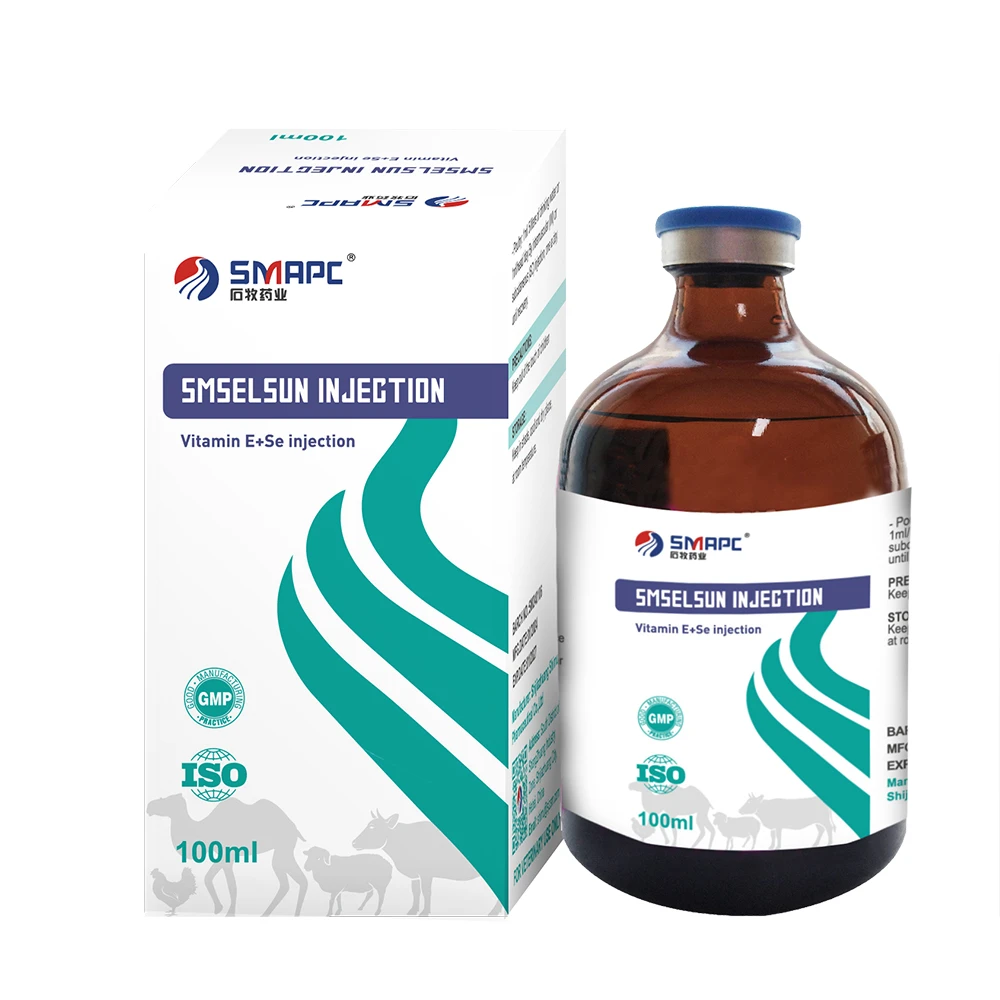
Interestingly, research is beginning to focus on digital tools to monitor antibiotic use in livestock farming, optimizing treatment and helping mitigate antibiotic resistance — a real concern globally. For farmers or vet professionals interested in sourcing quality products, there’s always a balance between effectiveness and cost, which can be explored via trusted suppliers like antibiotics for cattle pneumonia.
Advantages and Long-Term Value of Effective Antibiotic Use
- Cost savings: Prompt treatment reduces prolonged illness, minimizing feed loss and vet expenses.
- Sustainability: Healthy herds yield more meat and milk, supporting food security.
- Social impact: Livestock keepers maintain stable incomes and healthier communities.
- Reliability: High-quality antibiotics afford peace of mind in disease-prone zones.
On a more human note, nothing compares to that feeling of relief when a sick animal recovers, knowing you’ve done your best. It’s a blend of trust, innovation, and responsibility — core to modern veterinary care.
What Lies Ahead? Future Trends & Innovations
Technological advances are reshaping how antibiotics are used. Long-acting injectables and sustained-release formulations reduce administration frequency and improve compliance. Diagnostics powered by AI promise faster, more precise detection of pneumonia pathogens, tailoring antibiotic choices to specific infections, cutting down misuse.
Moreover, policies encouraging prudent antibiotic use and monitoring are gaining steam globally, addressing antimicrobial resistance. Sustainability efforts encourage packaging innovations and greener manufacturing processes — a win for cattle health and the planet.
Common Challenges & Potential Solutions
Oddly enough, one key challenge is accessibility in remote areas where veterinary services are scarce. Also, incomplete or incorrect antibiotic use leads to resistance, less effective treatments, and economic stress.
One way forward is community training on signs of pneumonia and proper antibiotic use. Mobile veterinary clinics and telemedicine platforms can also extend support to underserved regions. Lastly, innovation around heat-stable antibiotics could bypass cold-chain limitations in tropical climates.
FAQ: Frequently Asked Questions About Antibiotics for Cattle Pneumonia
Q1: How soon after symptoms appear should I treat my cattle with antibiotics?
A1: Prompt treatment within 24-48 hours is critical for the best recovery. Delays allow the infection to worsen and complicate treatment.
Q2: Can I use human antibiotics for my cattle’s pneumonia?
A2: It’s not recommended. Veterinary antibiotics are specifically formulated and dosed for animals. Using human medicines risks improper treatment and residues in meat or milk.
Q3: What are the risks of antibiotic resistance in cattle pneumonia treatment?
A3: Overuse or incorrect use can lead to resistant bacteria, making future infections harder to treat. Always follow veterinary guidance and avoid unnecessary treatments.
Q4: Are there natural alternatives to antibiotics available?
A4: Some herbal or immune-support supplements exist, but they cannot replace antibiotics for bacterial pneumonia. They may be used alongside under veterinary supervision.
Q5: How do I purchase reliable antibiotics for my herd?
A5: Consult with a professional veterinarian and source from licensed suppliers. Vendors like those listed above or antibiotics for cattle pneumonia ensure quality products.
Conclusion: The Last Word on Antibiotics for Cattle Pneumonia
In real terms, antibiotics for cattle pneumonia represent more than just medications; they’re critical investments into animal welfare, farmer livelihoods, and global food stability. While they aren’t a silver bullet and must be used responsibly, their role in combating a costly and common disease is clear. For those managing or supporting the livestock sector, staying informed and choosing quality products makes a tangible difference.
Interested in learning more or sourcing reliable medicines? Visit https://www.skyvetpharm.com for trusted antibiotics for cattle pneumonia and expert advice.
It’s an ongoing journey—one where science, practice, and care combine to protect herds worldwide.
References
-
Choosing the Best Worm Medicine for Goats for Herd HealthNewsApr.16,2026
-
Comprehensive Guide to Professional Goat Medication and Herd HealthNewsApr.09,2026
-
Comprehensive Tick Treatment for Sheep A Guide to Control and PreventionNewsApr.07,2026
-
Comprehensive Guide to Effective Mite Treatment for Goats and PreventionNewsApr.04,2026
-
Comprehensive Veterinary Medicine for Sheep Health and Disease PreventionNewsMar.31,2026
-
Comprehensive Guide to Goat Health and Effective Goats Medicine SolutionsNewsMar.28,2026