Dec . 03, 2025 10:44 Back to list
Pain Medication for Pigs: Enhancing Welfare and Productivity in Modern Farming
Pain Medication for Pigs: Understanding Its Role in Modern Animal Welfare
Let’s face it—when we talk about livestock health, pig welfare often slips under the radar. But pain medication for pigs is now recognized as an essential part of sustainable farming and animal husbandry globally. Why does this matter? Well, pain relief not only helps the animals but also improves productivity, food safety, and addresses pressing concerns about ethical treatment worldwide.
The Global Significance of Pain Medication for Pigs
Livestock farming is a massive global industry, supporting the livelihoods of millions and contributing to food security. According to the FAO, pigs account for around 36% of the world’s meat production. However, piglets and adult pigs often undergo procedures such as castration, tail docking, or treatment for illness and injury that cause pain—and this is where effective pain medication makes a huge difference.
Globally, animal welfare regulations are tightening, especially in Europe, North America, and parts of Asia, pushing for better pain management protocols. Still, challenges remain in many countries due to cost, awareness, and infrastructure. The World Organisation for Animal Health (OIE) has emphasized pain mitigation as a welfare priority, highlighting it as a humane responsibility and a prerequisite for modern farming sustainability.
So, pain medication for pigs is not merely a veterinary convenience—it’s a keystone for ethical animal husbandry and an emerging industry standard worldwide.
What Exactly Is Pain Medication for Pigs?
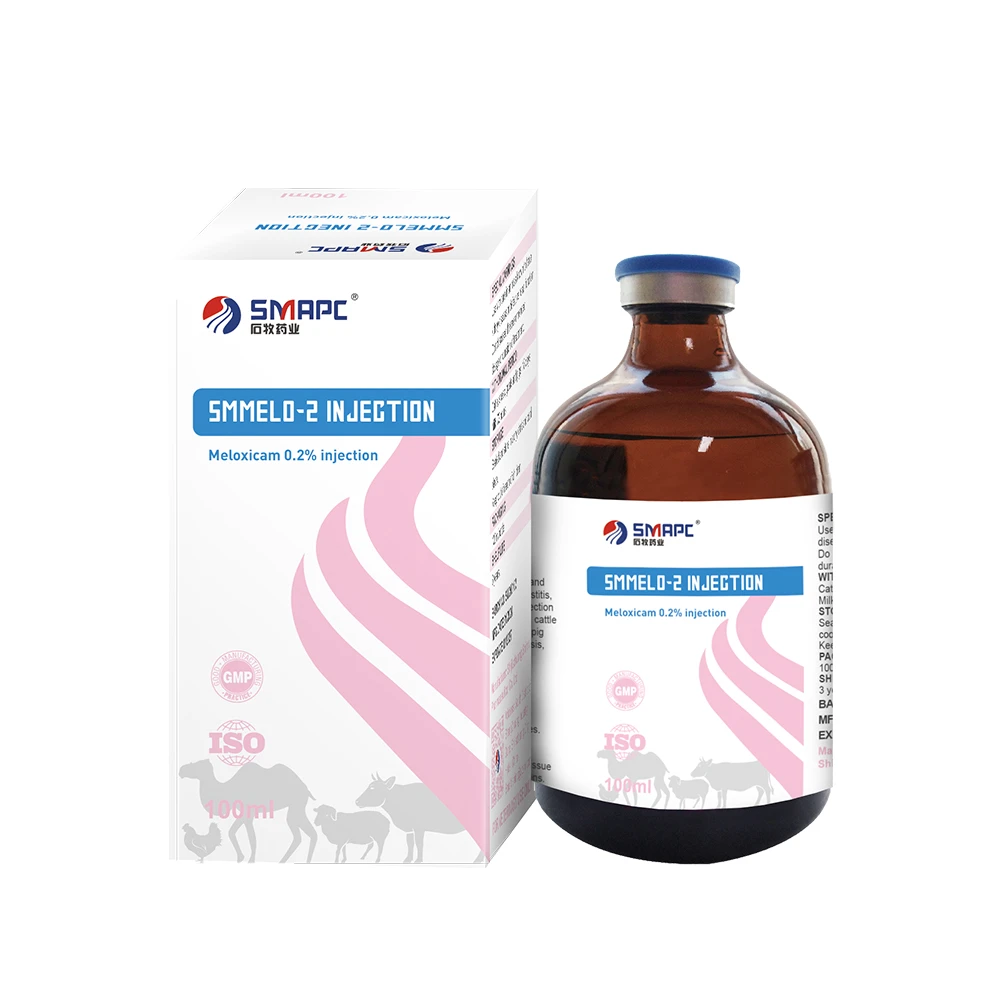
In simple terms, pain medication for pigs refers to pharmaceutical agents—usually analgesics and anti-inflammatory drugs—used to alleviate acute or chronic pain in pigs caused by surgical procedures, injuries, or diseases. They range from non-steroidal anti-inflammatory drugs (NSAIDs) like meloxicam to local anesthetics and sometimes opioids under veterinary supervision.
This medication is an integral part of modern pig farming practices where humane treatment, productivity, and regulatory compliance converge. It helps pigs recover faster, reduces stress, and lowers mortality rates—key factors that matter not only to farmers but also to consumers demanding ethically sourced meat products.
Key Components of Pain Medication for Pigs
1. Efficacy & Safety
Effectiveness in pain relief without harmful side effects is critical. Drugs like meloxicam have been extensively tested for pigs, offering a safe therapeutic window that minimizes adverse reactions.
2. Administration Method
Options include oral, injectable, or topical forms. Injectable solutions tend to act faster, ideal in surgical contexts, while oral meds may be better suited for prolonged treatment.
3. Onset and Duration
Fast-acting meds with lasting effects simplify dosage schedules and improve compliance—this matters especially in large-scale farming.
4. Regulatory Approval
Medications must meet veterinary and food safety regulations, ensuring residues do not impact meat consumption.
5. Cost Efficiency
Considering budget constraints in farms, cost-effective but high-quality medications remain preferable—balancing economics with welfare.
Mini Takeaway:
In real terms, selecting the right pain medication involves balancing safety, practicality, speed, and affordability to improve pig welfare effectively.
Global Applications: Where and How Pain Medication for Pigs Is Used
From intensive pig farms in the U.S. Midwest to smallholder operations in Southeast Asia, pain management practices tell a diverse story.
- Europe: Many countries mandate analgesics during routine piglet castration or tail docking to comply with animal welfare laws.
- North America: Increasing use of NSAIDs post-surgery is common in commercial pig operations aiming to boost growth and reduce stress-related illnesses.
- Asia & Latin America: Efforts are underway to educate farmers and veterinarians about pain relief benefits, although accessibility remains patchy.
Oddly enough, even humanitarian groups responding to natural disasters have recognized the importance of veterinary pain management when rescuing livestock to ensure dignity and wellbeing in crisis contexts.
Advantages & Long-Term Value of Using Pain Medication for Pigs
The benefits are both tangible and deeply humane:
- Animal welfare: Reduction of needless suffering, better recovery rates.
- Economic gains: Healthier pigs, better growth rates, and lower mortality can boost farm profitability over time.
- Consumer trust: Ethical farming practices build stronger brand reputations.
- Regulatory compliance: Avoid fines and restrictions by meeting welfare laws.
On a more emotional level, respecting sentient life fosters a greater connection between people and the food they eat. It feels like the industry is slowly but surely evolving towards more conscientious models, which is reassuring.
Product Specifications of Common Pain Medications for Pigs
| Medication | Type | Administration | Onset | Duration |
|---|---|---|---|---|
| Meloxicam | NSAID | Injectable/Oral | 30 min | 24 - 48 hrs |
| Flunixin Meglumine | NSAID | Injectable | 15 min | 24 hrs |
| Lidocaine | Local Anesthetic | Topical/Injectable | Immediate | Up to 2 hrs |
Vendor Comparison: Leading Providers of Pain Medication for Pigs
| Vendor | Product Range | Regulatory Approvals | Price Range | Delivery Options |
|---|---|---|---|---|
| SkyVet Pharm | Meloxicam, Flunixin | FDA, EMA | $$ - $$$ | Global Shipping |
| AgriVet Solutions | NSAIDs, Anesthetics | USDA | $ - $$ | North America Only |
| GlobalVet Pharma | Broad Spectrum NSAIDs | EMA, WHO | $$ | Europe & Asia |
Future Trends & Innovations in Pain Medication for Pigs
Looking forward, the industry is gradually moving towards:
- Long-acting formulations: Medications that reduce the need for repeated doses.
- Non-opioid alternatives: Safer, less regulated compounds are being researched.
- Digital monitoring: Use of wearables and AI to assess pain and automate medicating schedules in real-time.
- Sustainability focus: Eco-friendly production, and biodegradable drug delivery vehicles.
This ongoing evolution means farmers and vets may soon rely on smarter, greener solutions that integrate animal welfare seamlessly with efficient farming.
Challenges & Solutions in Administering Pain Medication for Pigs
Despite advances, hurdles remain—like:
- Cost barriers: Smaller farms may struggle with drug expenses.
- Training deficits: Some vets and farmers lack knowledge about proper pain management.
- Withdrawal times: Strict rules about drug residues can limit medication use.
To tackle these, industry experts recommend:
- Investment in farmer/vet education programs.
- Partnerships with suppliers offering affordable pricing and guidance.
- Development of medications with shorter withdrawal periods.
Frequently Asked Questions about Pain Medication for Pigs
- Q: How soon after surgery should pain medication be given to pigs?
A: Ideally, pain medication is administered immediately before or shortly after surgery to minimize discomfort and support quicker recovery. - Q: Are there natural alternatives to chemical painkillers for pigs?
A: Some farmers explore herbal supplements, but these generally lack scientific validation and are not substitutes for proven veterinary drugs. - Q: Can pain medication impact the quality of pork?
A: When following appropriate withdrawal times, it does not affect meat safety or quality, which is why adherence to regulations is crucial. - Q: Is it necessary to medicate all pigs undergoing routine procedures?
A: Welfare standards increasingly encourage analgesics during procedures like castration to prevent unnecessary pain. - Q: Where can I find reliable suppliers of pig pain medication?
A: Trusted vendors like SkyVet Pharm provide quality, compliant pain medication with international shipping options.
Conclusion
In the broader conversation about ethical agriculture, pain medication for pigs plays a quietly critical role. It’s not just about keeping animals comfortable—it’s about building a farming future that respects life, meets regulatory standards, and satisfies a growing global demand for humane food sources. If you’re involved in pig farming or veterinary care, understanding and applying effective pain management is a step toward innovation and sustainability.
For those seeking dependable, effective solutions, visit https://www.skyvetpharm.com and explore their comprehensive range of pain management options tailored for pigs.
Frankly, it feels like we’re only beginning to scratch the surface of what thoughtful animal care can achieve—for the animals, the farmers, and society at large.
References
-
Choosing the Best Worm Medicine for Goats for Herd HealthNewsApr.16,2026
-
Comprehensive Guide to Professional Goat Medication and Herd HealthNewsApr.09,2026
-
Comprehensive Tick Treatment for Sheep A Guide to Control and PreventionNewsApr.07,2026
-
Comprehensive Guide to Effective Mite Treatment for Goats and PreventionNewsApr.04,2026
-
Comprehensive Veterinary Medicine for Sheep Health and Disease PreventionNewsMar.31,2026
-
Comprehensive Guide to Goat Health and Effective Goats Medicine SolutionsNewsMar.28,2026