Mar . 21, 2026 02:15 Back to list
Comprehensive Guide to Veterinary Liver Tonic for Cattle Health and Wellbeing
The Importance of a Veterinary Liver Tonic for Cattle
Maintaining the health of your cattle is crucial for successful farming. One often overlooked aspect is liver health. The liver plays a vital role in detoxification, digestion, and overall metabolic function in cattle. A compromised liver can lead to decreased productivity, reduced growth rates, and increased susceptibility to disease. A quality veterinary liver tonic for cattle is a proactive step towards supporting optimal liver function and ensuring the well-being of your herd. This article will delve into the benefits, ingredients, and uses of such tonics, helping you make informed decisions about your cattle’s health.

Understanding the Role of the Liver in Cattle
The liver is often referred to as the “workhorse” of the body, and this is particularly true for cattle. It's involved in numerous essential processes. These include filtering toxins from the bloodstream, producing bile for fat digestion, storing vital nutrients like vitamins and minerals, and synthesizing proteins. When the liver is stressed – due to factors like mycotoxins in feed, parasitic infections, or metabolic disorders – its ability to perform these functions is impaired. This can manifest as reduced appetite, weight loss, jaundice, and ultimately, decreased profitability for the farmer. Utilizing a liver tonic helps support and restore liver function.
Key Liver Functions in Cattle: Filtering toxins, producing bile, storing nutrients, synthesizing proteins, supporting immune function.
What to Look for in a Veterinary Liver Tonic for Cattle
Not all liver tonics are created equal. The most effective formulas contain a blend of ingredients known to support liver health. Key ingredients often include herbs like milk thistle (silymarin), which is renowned for its hepatoprotective properties. Other beneficial components can be vitamins (particularly B vitamins), minerals (selenium, zinc), and antioxidants. Look for products specifically formulated for cattle, considering their unique physiological needs. It’s also crucial to choose a reputable brand that adheres to quality control standards.
Beneficial Ingredients:
• Milk Thistle (Silymarin)
• B Vitamins
• Selenium & Zinc
• Antioxidants
Veterinary Liver Tonic for Cattle: Comparing Options
Choosing the right tonic involves considering the specific needs of your cattle and comparing available options. Factors to evaluate include ingredient composition, dosage recommendations, administration method, and cost. Many producers find liquid formulations easier to administer, especially to larger herds. Remember to consult with your veterinarian to determine the most appropriate product for your situation. Skyvetpharm provides high-quality liver tonics designed to optimize cattle health.
When to Use a Veterinary Liver Tonic for Cattle
A liver tonic can be used preventatively as part of a routine health program, or as a supportive treatment for cattle exhibiting signs of liver stress. Common scenarios include after antibiotic treatment, during periods of nutritional stress (e.g., drought), following exposure to mycotoxins in feed, or in cases of diagnosed liver disease. Administering a tonic can help the liver recover and function optimally.
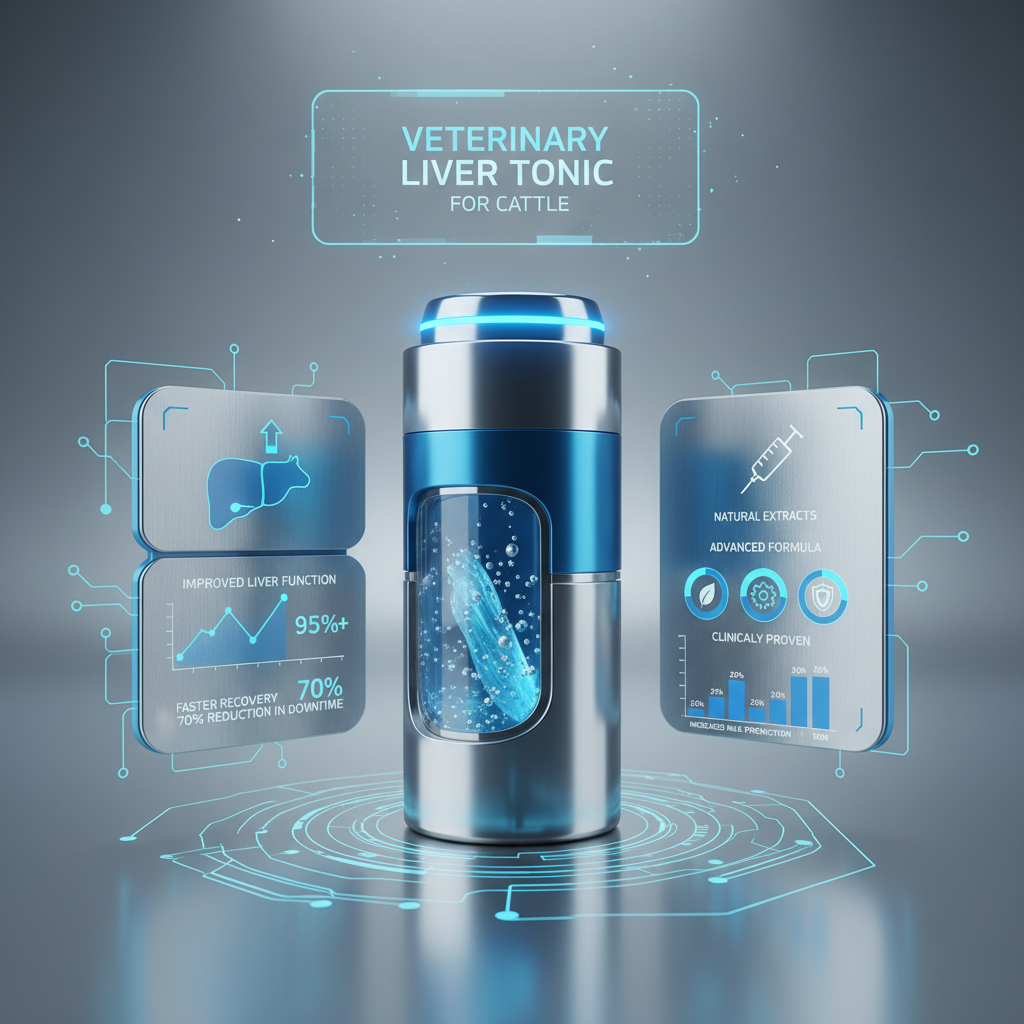
Product Specifications: Skyvet Liver Tonic for Cattle
Here's a detailed look at our Skyvet Liver Tonic:
Conclusion: Prioritizing Liver Health for a Thriving Herd
Investing in a high-quality veterinary liver tonic for cattle is a proactive step towards ensuring the long-term health and productivity of your herd. By supporting optimal liver function, you can minimize the risk of disease, improve growth rates, and enhance overall profitability. Don't wait until problems arise - prioritize liver health today!
Frequently Asked Questions (FAQs)
How often should I administer a liver tonic to my cattle?
The frequency of administration depends on the specific product and the needs of your cattle. For preventative use, a course of treatment every 3-6 months is often recommended. In cases of liver stress or disease, your veterinarian may advise a more intensive treatment schedule. Always follow the dosage and administration instructions provided by the manufacturer or your veterinarian. Regular monitoring of your cattle’s health is key to determining the optimal frequency. Consistent use, combined with good management practices, will yield the best results.
Can I use a liver tonic in conjunction with other medications?
It's crucial to consult with your veterinarian before combining a liver tonic with any other medications. Some medications can interact with the ingredients in the tonic, potentially reducing its effectiveness or causing adverse effects. Your veterinarian can assess the potential for interactions and provide guidance on the safest and most effective treatment plan for your cattle. Never self-medicate or alter prescribed treatments without professional advice.
Are there any side effects associated with liver tonics for cattle?
Generally, liver tonics formulated for cattle are well-tolerated. However, as with any supplement, some cattle may experience mild side effects such as temporary changes in appetite or stool consistency. These side effects are usually transient and resolve on their own. In rare cases, allergic reactions may occur. If you observe any concerning symptoms after administering a liver tonic, discontinue use and contact your veterinarian immediately.
How can I identify signs of liver problems in my cattle?
Common signs of liver problems in cattle include jaundice (yellowing of the skin and mucous membranes), loss of appetite, weight loss, lethargy, increased thirst and urination, abdominal swelling, and changes in stool color. These symptoms can also be indicative of other conditions, so it's essential to consult with your veterinarian for a proper diagnosis. Early detection and treatment are crucial for improving the prognosis and preventing further complications.
-
Choosing the Best Worm Medicine for Goats for Herd HealthNewsApr.16,2026
-
Comprehensive Guide to Professional Goat Medication and Herd HealthNewsApr.09,2026
-
Comprehensive Tick Treatment for Sheep A Guide to Control and PreventionNewsApr.07,2026
-
Comprehensive Guide to Effective Mite Treatment for Goats and PreventionNewsApr.04,2026
-
Comprehensive Veterinary Medicine for Sheep Health and Disease PreventionNewsMar.31,2026
-
Comprehensive Guide to Goat Health and Effective Goats Medicine SolutionsNewsMar.28,2026