Mar . 03, 2026 18:45 Back to list
Effective Painkiller for Cattle Ensuring Animal Welfare and Farm Productivity
Effective Painkiller for Cattle: Ensuring Animal Welfare
Maintaining the health and well-being of your cattle is paramount for successful farming. Pain management is a critical aspect of this, particularly during procedures like dehorning, castration, and post-surgical recovery. Choosing the right painkiller for cattle is crucial to minimize stress, promote faster healing, and ensure ethical animal treatment. This article explores the considerations when selecting a painkiller, available options, and the importance of proper administration. We'll delve into ensuring the comfort and recovery of your livestock, contributing to better productivity and overall farm health.

Understanding the Need for Pain Relief in Cattle
Cattle experience pain much like humans, and recognizing and addressing it is essential. Procedures like dehorning and castration, while common in livestock management, are inherently painful. Without adequate pain relief, cattle can experience prolonged stress, reduced feed intake, weakened immune systems, and slower growth rates. Furthermore, pain can lead to behavioral changes, making handling more difficult and potentially dangerous. Effective pain management not only improves animal welfare but also has positive economic implications for farmers. Using a suitable painkiller for cattle can drastically improve post-procedural recovery and overall animal health.
Key Benefits of Pain Management: Reduced stress, improved feed intake, enhanced immune function, faster healing, and improved animal welfare.
Types of Painkillers for Cattle
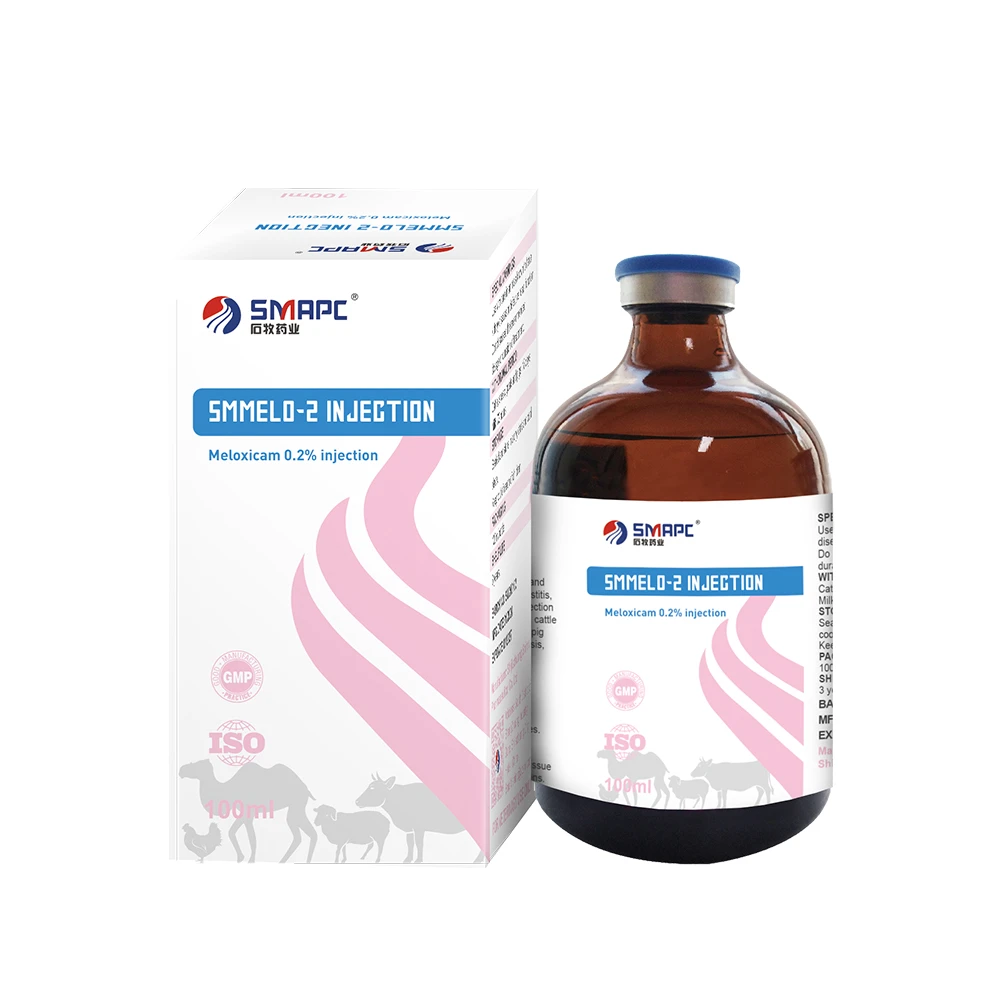
Several types of painkillers are available for use in cattle, each with its own advantages and disadvantages. Non-steroidal anti-inflammatory drugs (NSAIDs) are the most commonly used, effectively reducing pain and inflammation. These include flunixin meglumine, meloxicam, and ketoprofen. Opioids, like buprenorphine, are stronger painkillers typically reserved for severe pain, such as post-surgical discomfort. Local anesthetics, such as lidocaine, are often used during procedures to block pain at the site of the intervention. The choice of painkiller for cattle will depend on the severity of the pain, the type of procedure, and the veterinarian's recommendations.
Pain Relief Options:
• NSAIDs (Flunixin meglumine, Meloxicam, Ketoprofen)
• Opioids (Buprenorphine)
• Local Anesthetics (Lidocaine)
Comparing Common NSAIDs for Cattle
When choosing between NSAIDs, understanding their key differences is crucial. Flunixin meglumine is a potent analgesic and anti-inflammatory, often used for acute pain. Meloxicam provides longer-lasting pain relief and is often preferred for post-operative management. Ketoprofen offers a good balance of efficacy and cost-effectiveness. It’s vital to consult with your veterinarian to determine the most appropriate NSAID for your specific needs. Using the correct painkiller for cattle can make a significant difference in their recovery.
Proper Administration and Dosage
Correct dosage and administration are critical for the effectiveness and safety of any painkiller for cattle. Always follow your veterinarian's instructions carefully. Dosage is typically based on the animal's weight and the severity of the pain. Route of administration (intravenous, intramuscular, subcutaneous) can also influence efficacy and duration of action. Ensure proper injection technique to minimize tissue damage and discomfort. Carefully monitor the animal for any adverse reactions, such as changes in behavior, appetite, or vital signs.

SkyVetPharm: Your Partner in Animal Health
At SkyVetPharm, we are committed to providing high-quality veterinary pharmaceuticals, including effective painkillers for cattle. We understand the importance of animal welfare and offer a range of products designed to promote the health and comfort of your livestock. We work closely with veterinarians to ensure our products meet the highest standards of safety and efficacy. Browse our selection of products and contact us today to learn more about how we can help you manage pain and improve the well-being of your cattle.
Conclusion: Prioritizing Cattle Comfort and Health
Choosing the right painkiller for cattle is a vital component of responsible livestock management. By understanding the available options, proper administration techniques, and the importance of veterinary guidance, you can effectively manage pain, improve animal welfare, and enhance your farm's productivity. SkyVetPharm is dedicated to supporting your commitment to healthy and happy cattle.
Frequently Asked Questions (FAQs)
What are the potential side effects of NSAIDs in cattle?
While generally safe, NSAIDs can have side effects. Common side effects include gastrointestinal upset, such as stomach ulcers, and decreased kidney function. It's crucial to use NSAIDs at the recommended dosage and for the shortest duration necessary. Animals with pre-existing kidney or liver problems should be monitored closely. Contact your veterinarian immediately if you notice any adverse reactions, such as loss of appetite, diarrhea, or changes in urination. It’s important to discuss potential risks with your vet before administering any painkiller for cattle.
Can I use human painkillers on my cattle?
Absolutely not. Human painkillers can be toxic and even fatal to cattle. The metabolism and physiology of cattle differ significantly from humans, and medications that are safe for humans may be harmful to livestock. Always use veterinary-approved medications specifically formulated for cattle and administered under the guidance of a veterinarian. Using the correct painkiller for cattle is paramount for their safety.
How long should I continue pain relief after a procedure?
The duration of pain relief depends on the type of procedure and the individual animal. Your veterinarian will recommend a specific treatment plan based on these factors. Generally, pain relief should be continued for several days after the procedure to ensure adequate comfort and promote healing. Regular monitoring of the animal's pain level and behavior is important to adjust the treatment plan as needed. Following your veterinarian’s guidelines for using a painkiller for cattle is essential.
Are there any withdrawal times associated with painkillers used in cattle?
Yes, many painkillers used in cattle have withdrawal times associated with them. This means there’s a period after administration where the animal cannot be used for meat or milk production. These withdrawal times are set by regulatory authorities to ensure that no drug residues remain in food products. Your veterinarian will provide you with the specific withdrawal times for any painkillers used in your cattle. Always adhere to these withdrawal times to ensure food safety and compliance.
-
Choosing the Best Worm Medicine for Goats for Herd HealthNewsApr.16,2026
-
Comprehensive Guide to Professional Goat Medication and Herd HealthNewsApr.09,2026
-
Comprehensive Tick Treatment for Sheep A Guide to Control and PreventionNewsApr.07,2026
-
Comprehensive Guide to Effective Mite Treatment for Goats and PreventionNewsApr.04,2026
-
Comprehensive Veterinary Medicine for Sheep Health and Disease PreventionNewsMar.31,2026
-
Comprehensive Guide to Goat Health and Effective Goats Medicine SolutionsNewsMar.28,2026