Mar . 05, 2026 02:15 Back to list
Comprehensive Guide to Pneumonia Medicine for Calves and Effective Treatment Options
Effective Pneumonia Medicine for Calves: A Comprehensive Guide
Pneumonia is a significant health challenge for calf producers, leading to economic losses and animal welfare concerns. Prompt and effective treatment is crucial. This article provides a detailed overview of pneumonia in calves, its causes, symptoms, and, importantly, the best pneumonia medicine for calves available. We'll cover preventative measures, diagnostic approaches, and how to choose the right treatment plan for your herd. Understanding these aspects is key to minimizing the impact of this disease.

Understanding Pneumonia in Calves
Calf pneumonia, also known as shipping fever, is a complex respiratory disease caused by a combination of factors including viruses (like bovine respiratory syncytial virus - BRSV, and parainfluenza-3), bacteria (Mannheimia haemolytica, Pasteurella multocida, Histophilus somni), and environmental stressors. The disease weakens the calf’s immune system, making it susceptible to secondary infections. Factors that contribute to increased risk include poor ventilation, overcrowding, temperature fluctuations, and stress from weaning or transportation. Recognizing the early signs of pneumonia is vital for successful treatment and preventing widespread outbreaks. The choice of pneumonia medicine for calves depends on the causative agents and the severity of the infection.
Key Contributing Factors: Poor ventilation, overcrowding, temperature fluctuations, stress from weaning, and transportation significantly increase the risk of calf pneumonia.
Recognizing the Symptoms of Pneumonia
Early detection is crucial for effective treatment. Common symptoms of pneumonia in calves include: increased body temperature (above 103°F), coughing, nasal discharge (often clear and watery, but can become mucopurulent), labored breathing (visible abdominal effort), reduced appetite, lethargy, and isolation from the herd. In severe cases, calves may develop a frothy nasal discharge and exhibit significant respiratory distress. Accurate diagnosis, often requiring veterinary assessment, is essential to guide the selection of the appropriate pneumonia medicine for calves.
Key Symptoms:
• Increased body temperature
• Coughing
• Nasal discharge
• Labored breathing
Choosing the Right Pneumonia Medicine for Calves
Selecting the most effective pneumonia medicine for calves involves considering the likely causative agents and the severity of the infection. Antibiotics are commonly used to treat bacterial pneumonia. Options include macrolides (like tilmicosin), florfenicol, and cephalosporins. Non-steroidal anti-inflammatory drugs (NSAIDs) can help reduce fever and inflammation, improving the calf's comfort and appetite. Supportive care, such as providing clean water and nutritious feed, is also essential. Always consult with a veterinarian to determine the best course of treatment for your specific situation. Antimicrobial resistance is a growing concern, so responsible antibiotic use is critical.
Preventative Measures: Reducing Pneumonia Risk
Prevention is always better than cure. Implementing robust preventative measures can significantly reduce the incidence of pneumonia in your calf herd. These include: ensuring excellent ventilation in housing, avoiding overcrowding, providing a clean and dry bedding, maintaining a balanced and nutritious diet to support immune function, minimizing stress from weaning and transportation, and implementing a vaccination program. Regularly monitor calves for early signs of illness and isolate affected animals promptly. Consult with your veterinarian to develop a comprehensive health plan tailored to your specific farm conditions. Skyvetpharm offers a range of products to support calf health and immunity.
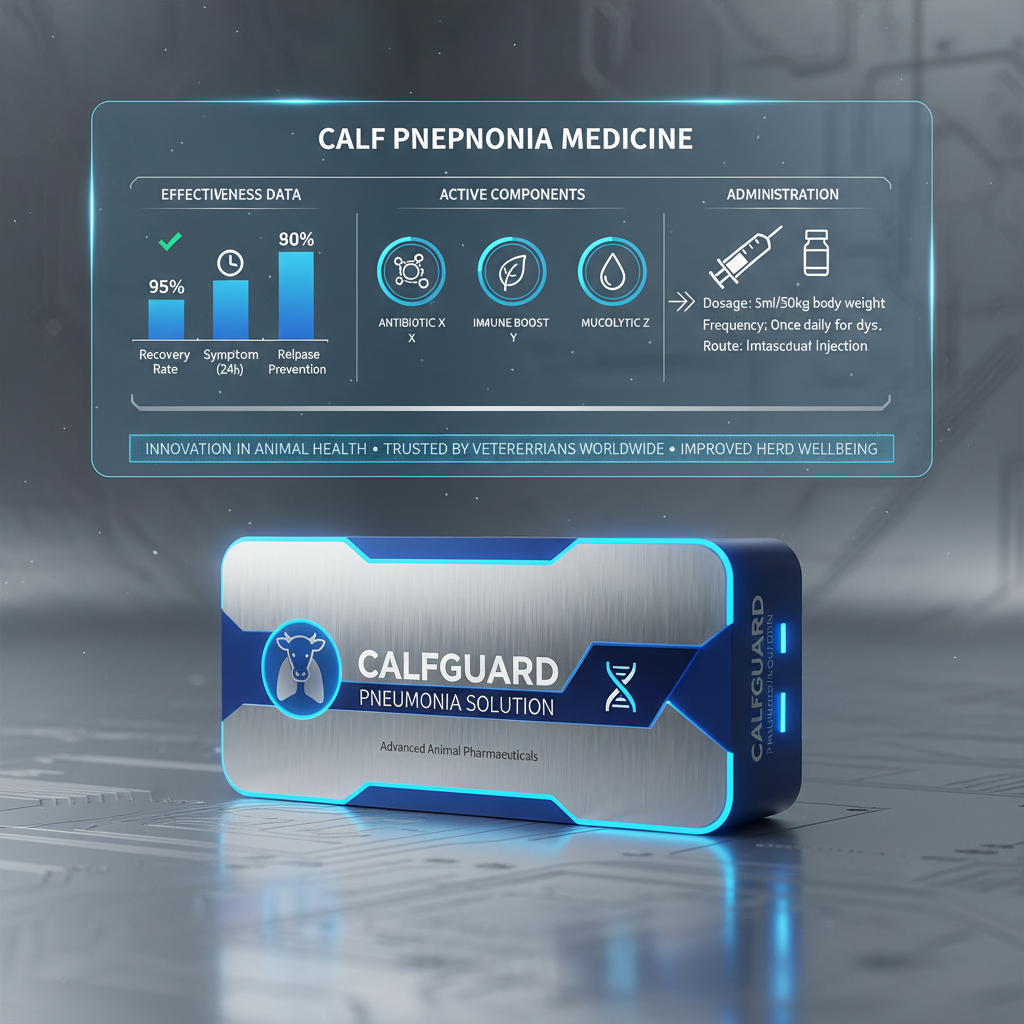
The Role of Skyvetpharm in Calf Respiratory Health
At Skyvetpharm, we are committed to providing high-quality veterinary pharmaceuticals to support animal health and welfare. We offer a comprehensive range of products, including effective pneumonia medicine for calves, vaccines, and nutritional supplements. Our team of experts is dedicated to helping you develop a tailored health plan to protect your herd and maximize productivity. We prioritize product quality, efficacy, and responsible antibiotic stewardship.
Conclusion
Effective management of pneumonia in calves requires a multi-faceted approach encompassing prevention, early detection, and appropriate treatment. Skyvetpharm is a trusted partner in providing the resources and expertise you need to protect your calves and ensure a healthy, productive herd.
Frequently Asked Questions (FAQs)
What is the best way to administer pneumonia medicine to calves?
The best method of administration depends on the specific medication. Many antibiotics are administered via subcutaneous or intramuscular injection, requiring proper technique to avoid complications. Some medications may be available as an oral drench. Always follow your veterinarian's instructions carefully and use the appropriate dosage and administration route. Proper hygiene during administration is crucial to prevent secondary infections. Ensure the injection site is clean and disinfected before and after administering the medication.
Can pneumonia be prevented with vaccination?
Vaccination can play a significant role in preventing pneumonia in calves, but it's not a foolproof solution. Vaccines are available for some of the key viral and bacterial agents that cause pneumonia. A vaccination program should be tailored to the specific challenges faced by your herd and administered according to your veterinarian's recommendations. It’s important to remember that vaccination enhances the calf's immune response, but it doesn’t eliminate the risk of infection entirely. Combining vaccination with good management practices is the most effective approach.
What should I do if I suspect a calf has pneumonia?
If you suspect a calf has pneumonia, isolate it immediately from the rest of the herd to prevent the spread of infection. Contact your veterinarian for a diagnosis and treatment plan. Early intervention is crucial for a successful outcome. Monitor the calf's temperature, breathing rate, and appetite closely. Provide supportive care, including clean water, nutritious feed, and a comfortable, dry environment. Follow your veterinarian's instructions carefully regarding medication administration and follow-up care.
-
Choosing the Best Worm Medicine for Goats for Herd HealthNewsApr.16,2026
-
Comprehensive Guide to Professional Goat Medication and Herd HealthNewsApr.09,2026
-
Comprehensive Tick Treatment for Sheep A Guide to Control and PreventionNewsApr.07,2026
-
Comprehensive Guide to Effective Mite Treatment for Goats and PreventionNewsApr.04,2026
-
Comprehensive Veterinary Medicine for Sheep Health and Disease PreventionNewsMar.31,2026
-
Comprehensive Guide to Goat Health and Effective Goats Medicine SolutionsNewsMar.28,2026