Maintaining optimal animal health in the modern veterinary landscape requires a sophisticated understanding of nutritional supplementation and pharmaceutical intervention. For many pet owners and livestock managers, finding the right balance of nutrients is essential to prevent deficiency-related diseases and support long-term vitality. The pursuit of a comprehensive dog multivitamin with taurine often stems from a desire to protect cardiac health and cognitive function in canine companions.
Globally, the veterinary pharmaceutical industry has seen a shift toward preventative care, integrating high-potency additives into daily regimens to combat the systemic stressors animals face. Whether managing a commercial livestock operation or caring for a domestic pet, the demand for targeted supplements has surged as zoonotic health and animal welfare standards rise. This trend emphasizes the need for precision dosing and a clear understanding of the pharmacokinetic properties of any administered substance.
While many seek a dog multivitamin with taurine for general wellness, it is critical to distinguish between general supplements and potent pharmaceutical interventions. Understanding the specific administration protocols and potential adverse reactions of veterinary products ensures that the benefits of supplementation are achieved without compromising the animal's immune system or hepatic function.
Understanding the Role of Dog Multivitamin with Taurine
The concept of a dog multivitamin with taurine is centered on the critical role of amino acids and vitamins in maintaining cardiovascular health. Taurine, specifically, is an essential component for the myocardial function of many animals, and its deficiency can lead to dilated cardiomyopathy. By integrating this into a multivitamin framework, practitioners can ensure a holistic approach to animal nutrition.
Beyond heart health, these formulations are designed to support the metabolic pathways that allow animals to recover from illness or environmental stress. When administered correctly, they bridge the nutritional gap that often exists in standard commercial feeds, promoting better growth rates in livestock and higher quality of life in companion animals.
Pharmacokinetic Properties and Administration
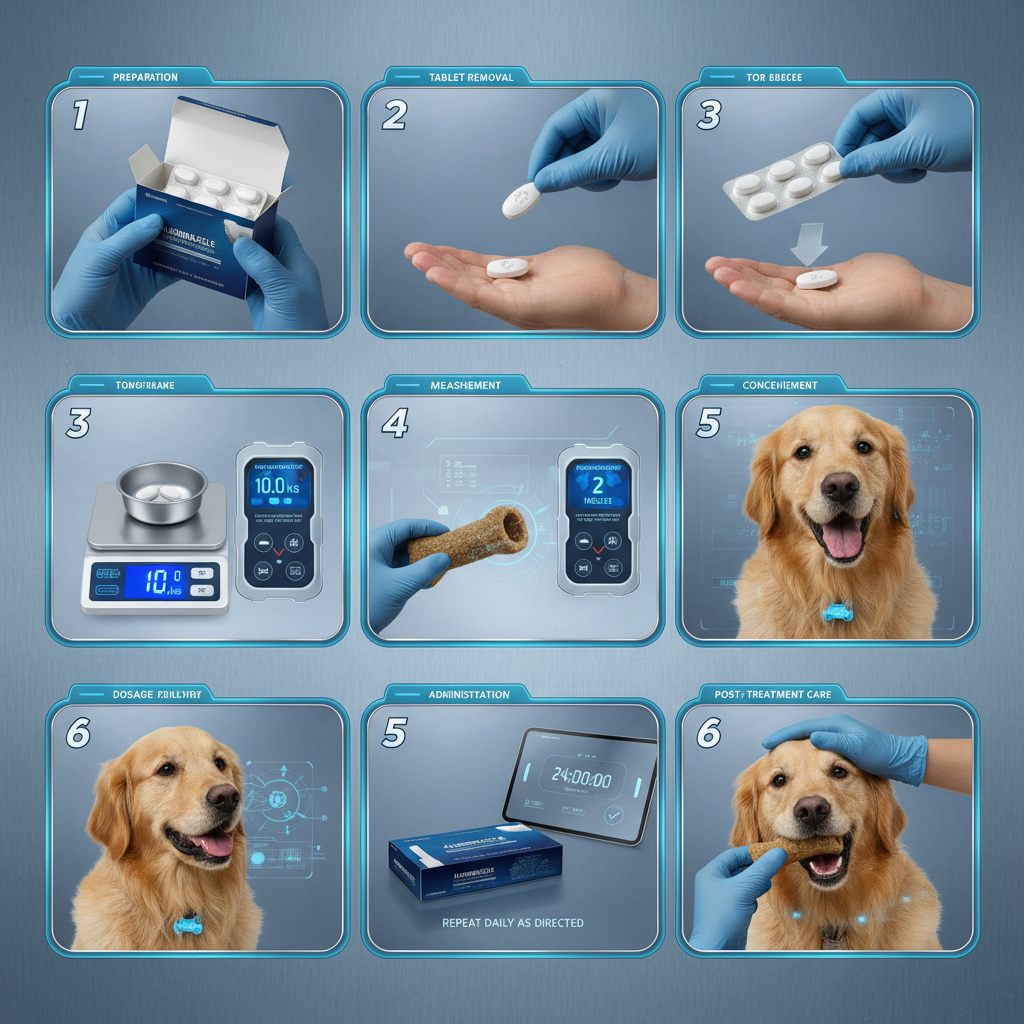
The effectiveness of any veterinary agent, including those formulated as a dog multivitamin with taurine, depends heavily on the method of administration. For these products, oral administration is the primary route, ensuring a steady absorption rate through the gastrointestinal tract to reach the systemic circulation.
Dosage varies significantly based on the species. For livestock and poultry, the recommended protocol is 100-200mg per kilogram of body weight, administered twice daily for a duration of 2-3 times. This targeted approach ensures that the therapeutic window is maintained without overloading the animal's metabolic capacity.
In aquatic environments, the strategy shifts toward feed integration. Specifically, 50g of the product should be added to every 150kg of body weight feed, administered once daily for a period of 3-4 days. This ensures that fish receive the necessary nutrients through their natural feeding behavior.
Analyzing Potential Adverse Reactions
While the goal of a dog multivitamin with taurine is to enhance health, users must be aware of the hematological toxicity associated with certain potent veterinary formulations. Some products may cause the inhibition of reversible erythropoiesis, which is a more common occurrence than with other similar pharmaceutical agents.
A significant concern is the immunosuppressive effect, which in some pharmaceutical-grade vitamins can be up to six times stronger than that of chloramphenicol. Prolonged oral administration of such potent agents can lead to secondary infections, digestive disorders, and unexpected vitamin deficiencies, undermining the initial purpose of the dog multivitamin with taurine.
Furthermore, these substances can exhibit embryonic toxicity and interfere with the metabolism of hepatic microsomal drugs. This means they can increase the plasma concentration of other medications, potentially prolonging the effects of anesthesia, such as that seen with pentobarbital sodium.
Application across Livestock and Aquatic Species
The versatility of veterinary nutrition allows a dog multivitamin with taurine framework to be adapted for various industrial applications. In livestock farming, these additives are used to synchronize growth and improve the resilience of cattle and swine against environmental pathogens.
In the aquaculture sector, the precision of feed-based administration is key. By utilizing the 50g/150kg ratio, fish farms can optimize the health of their stock, reducing mortality rates during critical growth phases and ensuring the quality of the end product.
Comparative Efficacy of Dog Multivitamin with Taurine Formulations
Special Warnings and Immune Considerations
Caution is paramount when administering any dog multivitamin with taurine that possesses strong immunosuppressive properties. It is strictly advised not to use these products for animals that have been recently vaccinated or those with severely compromised immune functions, as the additive may interfere with the vaccine's efficacy or further weaken the animal.
Special attention must also be given to pregnant or lactating livestock, where the risk of embryonic toxicity may exist. Additionally, for animals suffering from renal insufficiency, the dosing interval should be prolonged or the dosage reduced to prevent the accumulation of metabolites in the bloodstream.
Withdrawal Periods and Safety Standards
To ensure food safety for human consumption, strict withdrawal periods must be observed after the administration of a dog multivitamin with taurine. This ensures that any residual pharmaceutical components are fully cleared from the animal's system before the product enters the food chain.
For general livestock, the standard withdrawal period is 28 days. For milk production, a shorter window of 7 days is required. These timelines are scientifically determined to prevent the transfer of residues to consumers.
In the aquaculture industry, the measurement is different, utilizing "degree days." For fish, a withdrawal period of 500 degree days is mandated, accounting for the temperature-dependent metabolism of the aquatic species.
Storage and Long-term Product Stability
The chemical stability of a dog multivitamin with taurine is highly dependent on storage conditions. To prevent degradation of active vitamins and amino acids, the product must be sealed and stored in a dry place, strictly protected from light.
Safety is also a priority in handling; these products must be kept out of reach of children to avoid accidental ingestion. Packaging options are typically available in various sizes, such as 100g, 150g, 500g, and 1000g bags, to accommodate different scale operations.
When stored correctly according to these specifications, the product maintains a shelf life of 3 years, ensuring consistent potency and efficacy throughout its usage period.
Summary of Storage and Safety Specifications for Veterinary Supplements
| Packaging Size |
Storage Condition |
Shelf Life |
Safety Priority |
| 100g Bag |
Dry & Dark |
3 Years |
Child-proof |
| 150g Bag |
Sealed Container |
3 Years |
Light Protected |
| 500g Bag |
Cool & Dry |
3 Years |
Safe Storage |
| 1000g Bag |
Airtight Seal |
3 Years |
Industrial Grade |
| Bulk Order |
Climate Controlled |
3 Years |
Inventory Control |
| Sample Pack |
Light Shielded |
3 Years |
Labelled clearly |
FAQS
For livestock and poultry, the product should be administered orally at a dosage of 100-200mg per kg of body weight. This should be done twice a day for a duration of 2 to 3 times to ensure effective absorption and therapeutic benefit.
Yes, it can be used for fish via feed integration. The recommended dosage is 50g of the product added to 150kg of body weight feed, administered once daily for a period of 3 to 4 days.
Yes, use with caution for pregnant and lactating livestock. The product may exhibit embryonic toxicity, so it is essential to consult a veterinary professional before administration during these stages.
The withdrawal period for livestock meat is 28 days, and for milk, it is 7 days. For fish, the withdrawal period is calculated as 500 degree days to ensure food safety.
No, it is recommended not to use this product for animals that have been vaccinated or those with severely compromised immune functions due to its strong immunosuppressive effects.
The product should be kept in a sealed container, stored in a dry place, and protected from light. Following these guidelines ensures a shelf life of up to 3 years.
Conclusion
The strategic use of a dog multivitamin with taurine and similar veterinary pharmaceutical agents offers a powerful tool for enhancing animal vitality and cardiac health. However, the potency of these formulations requires a disciplined approach to dosing, a strict adherence to withdrawal periods, and a careful consideration of the animal's immune status to avoid adverse reactions.
Looking forward, the integration of precision nutrition and pharmaceutical safety will continue to drive the veterinary industry. By prioritizing product stability and following professional administration protocols, livestock owners and pet guardians can ensure the highest standards of animal welfare. For more information on high-quality veterinary solutions, visit our website: www.skyvetpharm.com