Veterinary disinfectant charts are critical tools in maintaining biosecurity within animal healthcare facilities, agricultural settings, and research laboratories. These charts aren't merely lists of products; they represent a structured approach to infection control, guiding professionals in selecting the most effective disinfectants for specific pathogens and applications. Understanding and implementing a robust veterinary disinfectant chart is vital for preventing disease outbreaks, minimizing antimicrobial resistance, and ensuring animal and public health.
The global relevance of these charts stems from the interconnectedness of animal health and human well-being – the ‘One Health’ initiative. The World Health Organization (WHO) and the Food and Agriculture Organization (FAO) highlight the increasing threat of zoonotic diseases, those transmissible from animals to humans. Effective disinfection protocols, guided by a clear veterinary disinfectant chart, are a primary defense against these threats, particularly in regions with intensive livestock production or high wildlife-human interface.
Challenges like emerging pathogens, evolving resistance patterns, and the constant introduction of new disinfectant formulations necessitate regular updates and a thorough understanding of the principles underpinning effective disinfection. The proper application of a veterinary disinfectant chart goes beyond simply selecting a product; it involves understanding contact times, dilution rates, material compatibility, and safety protocols, all crucial for optimizing efficacy and minimizing risk.
The Importance of Veterinary Disinfection
Veterinary disinfection isn't simply about cleanliness; it's a cornerstone of preventative medicine. A well-maintained veterinary disinfectant chart directly impacts animal welfare by reducing the incidence of infectious diseases, minimizing morbidity and mortality, and improving overall herd or population health. A proactive approach to disinfection, guided by a thoughtfully constructed chart, helps safeguard valuable livestock, companion animals, and laboratory research subjects.
Furthermore, effective disinfection plays a critical role in controlling the spread of zoonotic pathogens. By meticulously detailing appropriate disinfectant use in animal facilities, a veterinary disinfectant chart helps to protect veterinary staff, farmworkers, and the general public from contracting potentially life-threatening diseases. This preventative measure is essential for maintaining public health security and minimizing the economic burden associated with disease outbreaks.
Defining Veterinary Disinfectant Charts
A veterinary disinfectant chart is a comprehensive, organized document detailing the approved disinfectants for use in a specific veterinary setting. This chart typically lists disinfectants by their active ingredient, target pathogens (bacteria, viruses, fungi, parasites), dilution rates, contact times, application methods, and safety precautions. It serves as a readily accessible reference guide for all personnel involved in cleaning and disinfection procedures.
The chart isn't a static document; it must be regularly reviewed and updated to reflect the latest scientific knowledge, emerging disease threats, and changes in disinfectant formulations. Maintaining an accurate and up-to-date veterinary disinfectant chart demonstrates a commitment to best practices in infection control and is often a requirement for accreditation or regulatory compliance.
The connection to modern needs lies in the increasing complexity of veterinary medicine and the growing threat of antimicrobial resistance. Strategic disinfectant use, guided by a well-defined chart, can help reduce reliance on antibiotics, preserving their effectiveness for treating serious bacterial infections. veterinary disinfectant chart selection needs to be aligned with current biosecurity standards.
Core Components of an Effective Chart
Several key aspects define a highly effective veterinary disinfectant chart. Firstly, Specificity is crucial; the chart should clearly delineate which disinfectants are effective against specific pathogens commonly encountered in the facility. Secondly, Concentration & Contact Time must be precisely stated, as deviations can significantly reduce efficacy. A chart lacking this detail renders the information largely useless.
Thirdly, Material Compatibility is essential. Disinfectants can damage surfaces if not selected carefully. The chart should indicate which disinfectants are safe for use on various materials (e.g., stainless steel, plastic, rubber). Fourthly, Safety Precautions are paramount, including proper personal protective equipment (PPE) requirements and ventilation guidelines.
Finally, Regular Review & Updates are non-negotiable. Disinfectant efficacy can change with evolving pathogen strains and new product formulations. A designated responsible party must schedule and conduct routine chart reviews, at least annually, and document any changes made. veterinary disinfectant chart is not a “set it and forget it” tool.
Practical Applications Across Sectors
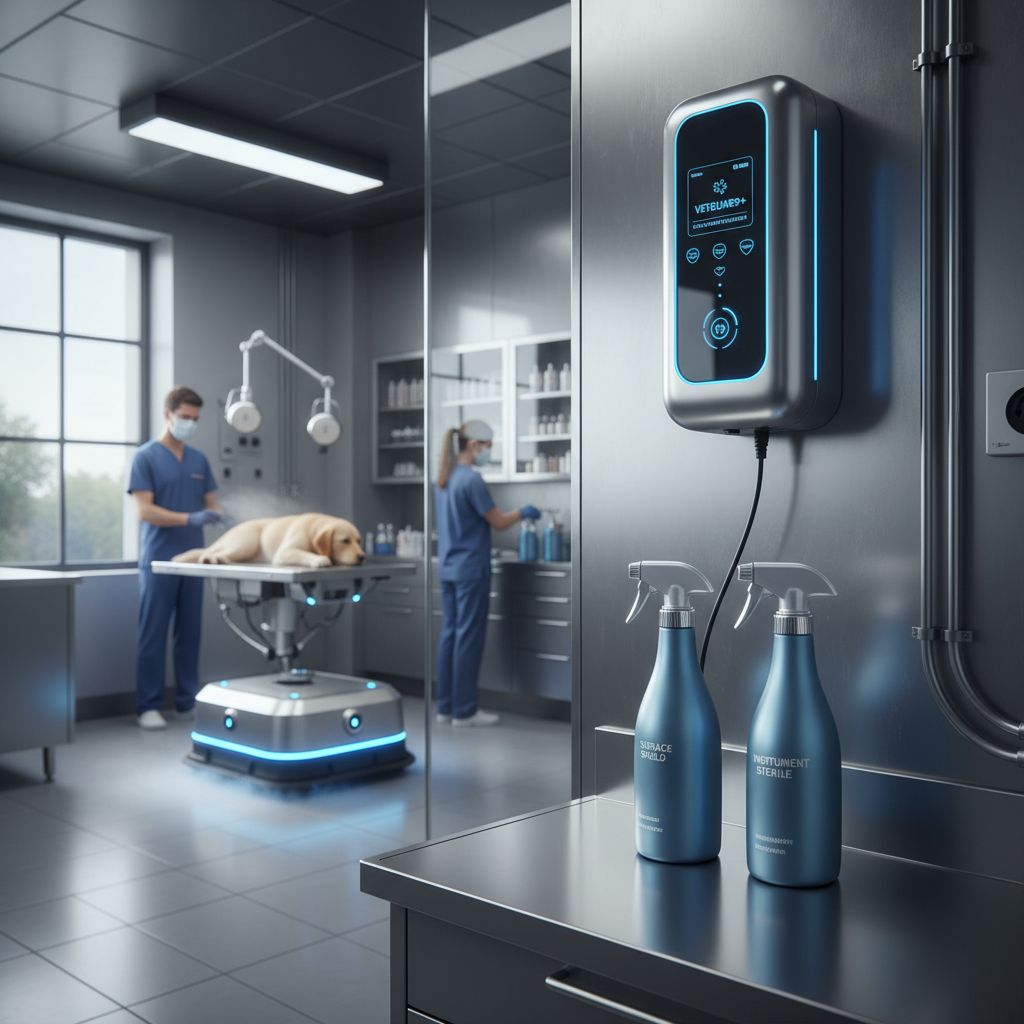
Veterinary disinfectant charts find widespread application across diverse sectors. In clinical veterinary practices, charts guide the disinfection of examination rooms, surgical suites, kennels, and treatment areas, preventing cross-contamination between patients. In livestock production, charts are essential for biosecurity protocols on farms, controlling the spread of disease among animals and minimizing economic losses.
Research laboratories rely heavily on disinfectant charts to maintain sterile environments for animal studies, ensuring the integrity of experimental data. Animal shelters utilize charts to manage the high risk of infectious disease transmission within their populations. Furthermore, even zoos and wildlife rehabilitation centers employ these charts to protect both animal residents and dedicated staff.
Veterinary Disinfectant Efficacy Comparison
Advantages and Long-Term Value
The advantages of implementing a comprehensive veterinary disinfectant chart are numerous. Tangible benefits include reduced disease incidence, lower treatment costs, and improved animal welfare. A well-managed disinfection program contributes to increased productivity in livestock operations and minimizes downtime in veterinary practices.
Beyond the economic benefits, there's a significant long-term value associated with building trust and demonstrating a commitment to high standards of care. A transparent and well-documented disinfection protocol enhances the reputation of a facility, assuring clients and stakeholders of its dedication to animal and public health.
Future Trends in Veterinary Disinfection
The future of veterinary disinfection is poised for innovation. We are seeing increased interest in environmentally friendly disinfectants, including those based on hydrogen peroxide and peracetic acid. Furthermore, the development of rapid disinfection technologies, such as UV-C light and electrostatic sprayers, promises to improve efficiency and reduce labor costs.
Digitalization also plays a crucial role. Software solutions for managing disinfectant inventory, tracking application logs, and generating reports are becoming increasingly prevalent. These tools enhance accountability and facilitate compliance with regulatory requirements. The continued advancement of antimicrobial stewardship programs will also heavily influence veterinary disinfectant chart design.
Challenges and Innovative Solutions
Despite the benefits, several challenges remain. Maintaining compliance with ever-changing regulations, addressing the development of disinfectant resistance, and ensuring proper training of personnel are ongoing hurdles. Cost considerations can also limit the adoption of newer, more effective disinfectant technologies.
Innovative solutions include developing robust antimicrobial stewardship programs, promoting the use of disinfectant rotation strategies, and investing in employee training programs that emphasize proper disinfection techniques. Furthermore, fostering collaboration between researchers, veterinarians, and disinfectant manufacturers is crucial for developing new and effective disinfection solutions.
Leveraging data analytics to optimize disinfectant usage and identify areas for improvement is also an emerging trend. Effective use of veterinary disinfectant chart is central to this optimization.
Summary of Veterinary Disinfectant Chart Effectiveness Metrics
| Disinfectant Category |
Pathogen Coverage |
Application Ease |
Cost-Effectiveness (1-10) |
| Quaternary Ammonium Compounds |
Moderate – Primarily Gram-positive bacteria |
High – Easy to dilute and apply |
8 |
| Chlorine-Based Disinfectants |
Broad – Effective against most bacteria and viruses |
Moderate – Can be corrosive and irritating |
7 |
| Hydrogen Peroxide |
Broad – Effective against bacteria, viruses, and fungi |
Moderate – Requires careful handling |
6 |
| Peracetic Acid |
Very Broad – High-level disinfection and sterilization |
Moderate – Corrosive and requires PPE |
5 |
| Alcohol-Based Disinfectants |
Moderate – Effective against bacteria and enveloped viruses |
High – Quick-drying and easy to use |
7 |
| Phenolic Compounds |
Broad – Effective against a wide range of pathogens |
Moderate – Can have a strong odor and require specific dilutions |
6 |
FAQS
A veterinary disinfectant chart should be reviewed and updated at least annually, or more frequently if there are changes in disease prevalence, new disinfectant products become available, or regulatory guidelines are updated. Regular reviews ensure the chart remains current and effective in preventing the spread of infection within your facility. Maintaining a log of updates is also recommended.
Several factors should guide disinfectant selection, including the target pathogens, the surface material being disinfected, contact time, safety precautions, and cost-effectiveness. It’s crucial to choose disinfectants that are proven effective against the specific organisms commonly encountered in your practice or facility and compatible with the surfaces they will be used on. Always prioritize disinfectants with clear safety data sheets.
Contact time is critically important! Disinfectants require a specific amount of time to effectively kill pathogens. If the surface is dried before the recommended contact time is reached, the disinfectant’s efficacy is significantly reduced. Your veterinary disinfectant chart should clearly state the required contact time for each product, and staff must be trained to adhere to these guidelines.
The appropriate personal protective equipment (PPE) will vary depending on the disinfectant being used. Generally, gloves, eye protection (goggles or face shield), and potentially respiratory protection (mask or respirator) are necessary. Your veterinary disinfectant chart should clearly outline the required PPE for each disinfectant to protect staff from exposure and potential health risks.
Proper disposal of used disinfectant solutions is essential for environmental protection and compliance with regulations. Always follow the manufacturer’s instructions for disposal. Some disinfectants can be safely diluted and discharged into the sanitary sewer system, while others may require specialized disposal methods. Consult your local environmental regulations for specific guidelines.
Absolutely. A well-managed veterinary disinfectant chart promotes effective disinfection practices, reducing the reliance on antibiotics for treating infections. By proactively preventing the spread of pathogens, a comprehensive disinfection protocol contributes to antimicrobial stewardship efforts and helps combat the growing threat of antibiotic resistance.
Conclusion
In conclusion, the veterinary disinfectant chart is more than just a list of products; it's a vital component of infection control, animal welfare, and public health. A thoughtfully designed and diligently maintained chart empowers veterinary professionals to select the most effective disinfectants, implement appropriate protocols, and safeguard against the spread of infectious diseases. The long-term benefits – reduced disease incidence, lower healthcare costs, and enhanced trust – far outweigh the effort required for implementation.
Looking ahead, continuous education, embracing innovative disinfection technologies, and proactive adaptation to emerging challenges will be crucial. Investing in comprehensive training programs for staff and fostering collaboration between researchers and practitioners will further optimize disinfection practices. Visit our website at www.skyvetpharm.com to explore a comprehensive range of veterinary disinfectants and resources to support your biosecurity efforts.