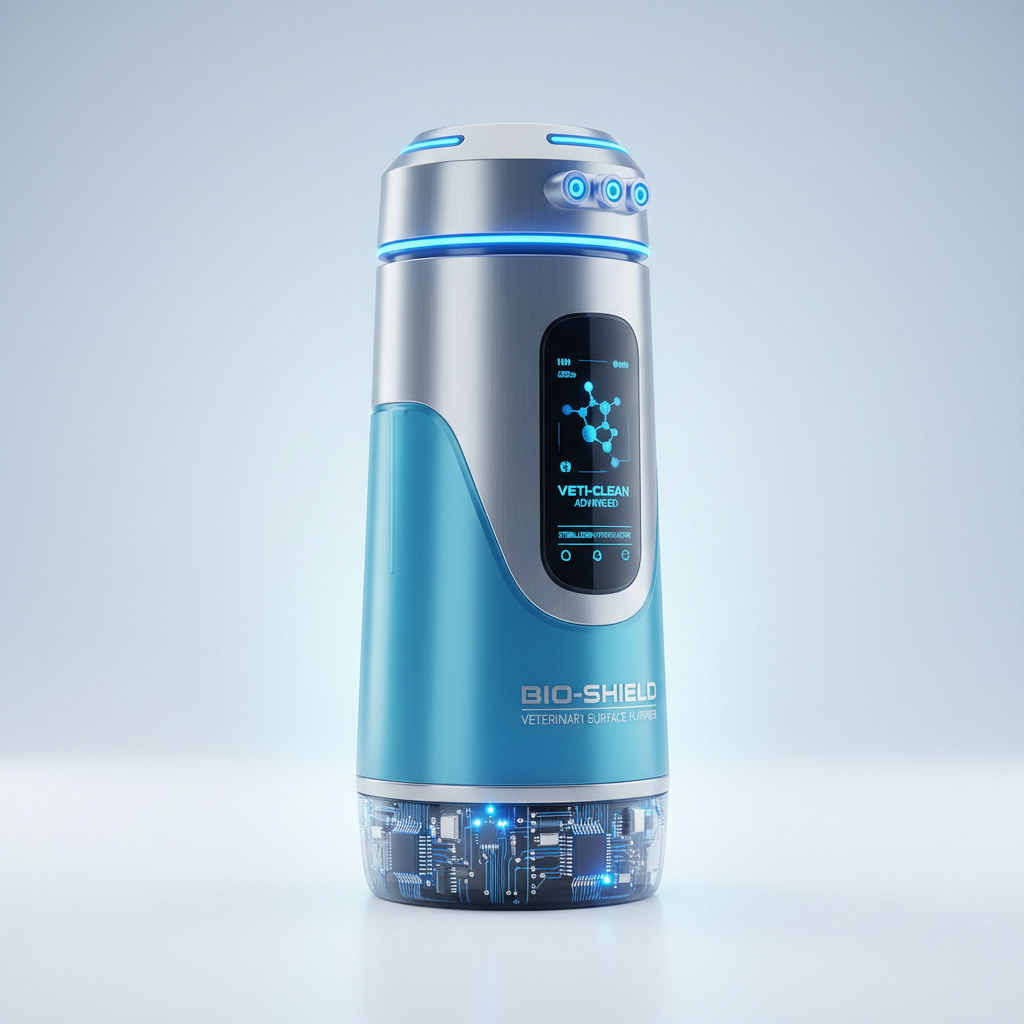
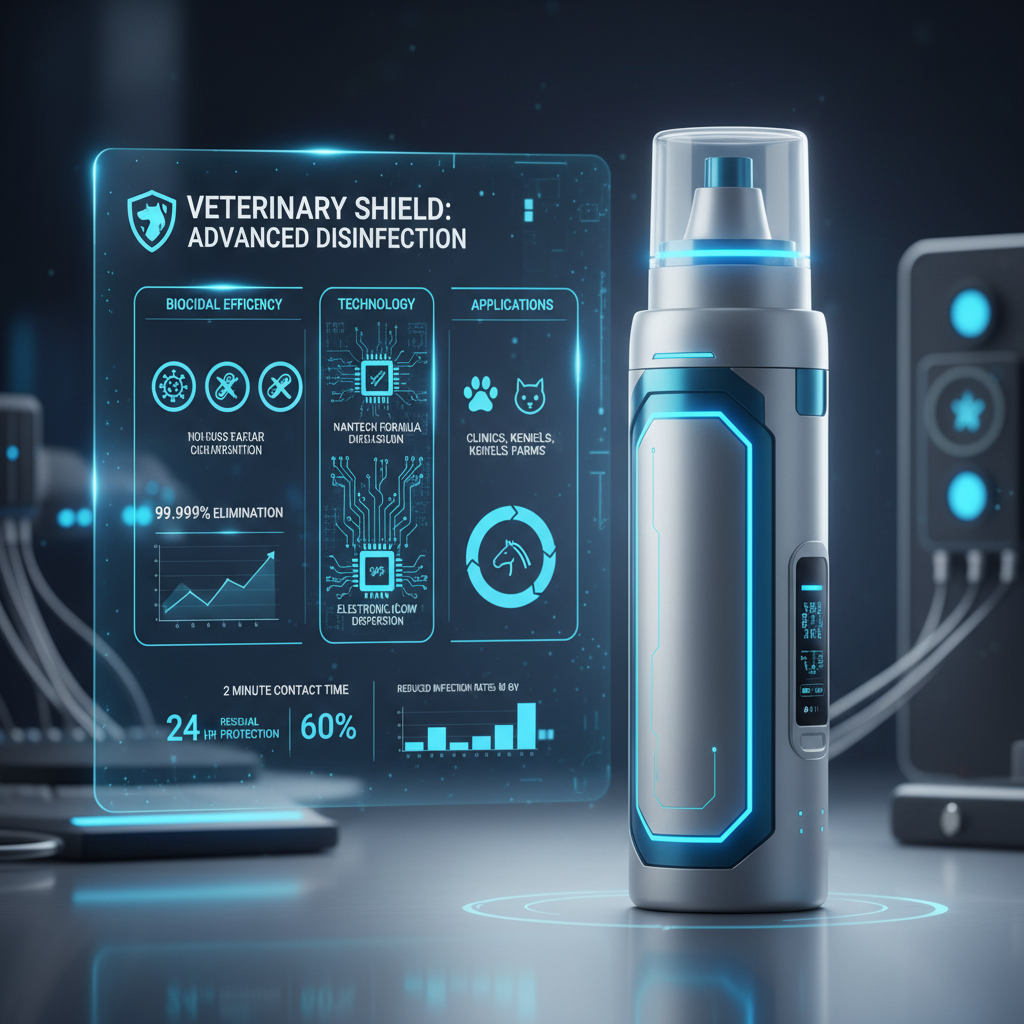
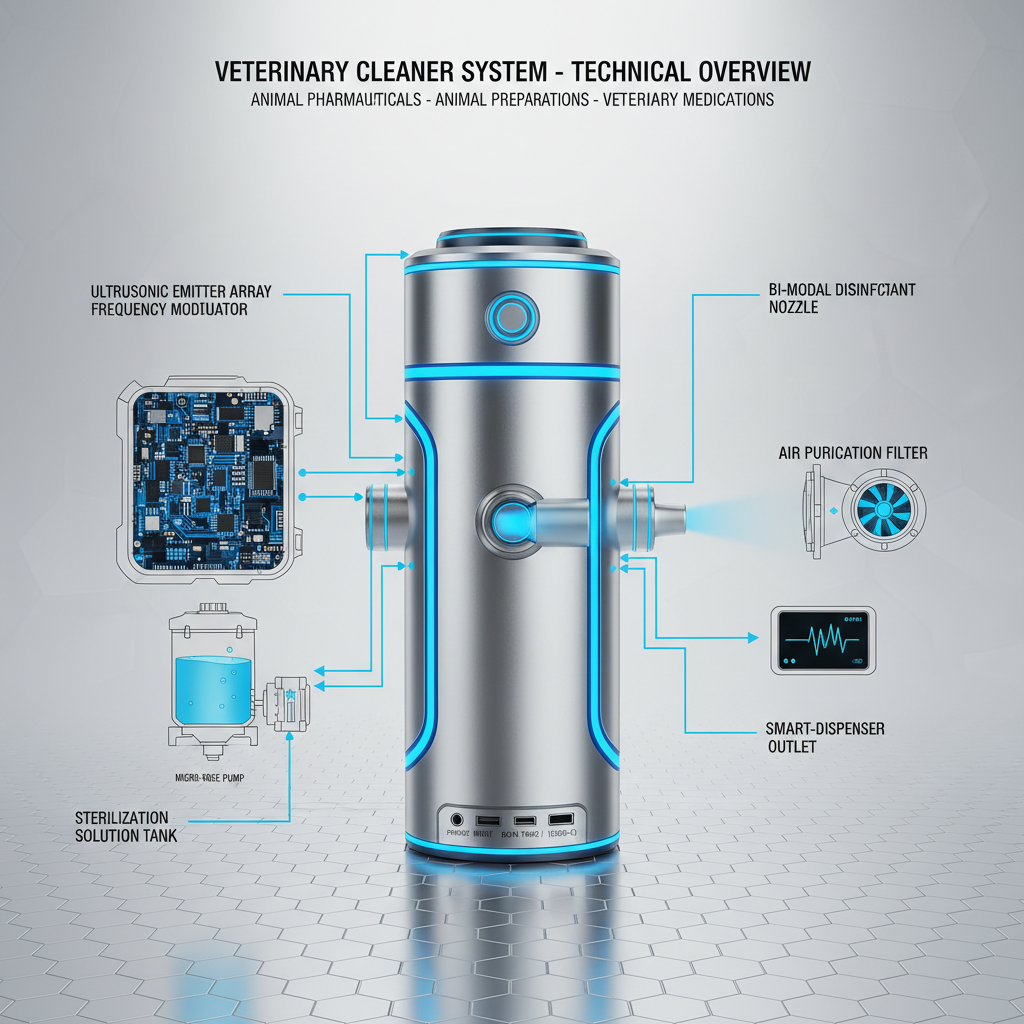
Veterinary disinfectant cleaner plays a crucial role in maintaining animal health and preventing the spread of disease within veterinary facilities, farms, and even pet households. Its importance stems from the unique vulnerabilities of animal populations to infectious agents, and the potential for zoonotic diseases – those transmissible from animals to humans. Effective veterinary disinfectant cleaner isn't simply about cleanliness; it's a foundational element of biosecurity and public health.
The global market for veterinary disinfectant cleaners is substantial and growing, driven by increasing livestock production, rising pet ownership, and heightened awareness of disease control. According to industry reports, the market is projected to reach billions of dollars in the coming years, with North America and Europe currently leading in adoption. This growth is coupled with a demand for more sustainable and effective formulations, moving away from harsh chemicals toward environmentally conscious options.
Understanding the nuances of veterinary disinfectant cleaner – its types, applications, and appropriate usage – is therefore vital for veterinarians, animal caretakers, and anyone involved in animal health. Selecting the right disinfectant, implementing proper protocols, and adhering to regulatory standards are all essential for protecting animal welfare and safeguarding public health, particularly in an age of emerging infectious diseases.
The Significance of Veterinary Disinfectant Cleaner
The use of veterinary disinfectant cleaner extends far beyond simply maintaining a clean environment. It forms the cornerstone of effective biosecurity programs in various animal care settings. This is especially critical given the rising threat of antimicrobial resistance and the increasing prevalence of zoonotic diseases. Veterinary disinfectant cleaner reduces the environmental reservoir of pathogens, breaking the chain of infection and protecting both animal and human health.
Without robust disinfection protocols, animal facilities face a significantly higher risk of disease outbreaks, leading to economic losses for producers, increased veterinary costs, and potentially, public health emergencies. The appropriate selection and application of disinfectant cleaners are, therefore, a vital investment in preventative healthcare, contributing to a more sustainable and resilient animal industry.
Defining Veterinary Disinfectant Cleaner
Veterinary disinfectant cleaner refers to a class of antimicrobial agents specifically formulated for use in environments housing animals. These products are designed to kill or inactivate a wide range of pathogens, including bacteria, viruses, fungi, and parasites, present on surfaces, equipment, and in the air. It is essential to differentiate between disinfectants and antiseptics; disinfectants are used on inanimate objects, while antiseptics are applied to living tissues.
The development of these cleaners is directly linked to the advancements in microbiology and the understanding of infectious disease transmission. Modern veterinary disinfectant cleaners often utilize broad-spectrum formulations, targeting multiple types of pathogens to provide comprehensive protection. Their use is intrinsic to modern veterinary medicine and responsible animal husbandry, ensuring optimal health and welfare standards.
The connection to humanitarian needs arises through the prevention of zoonotic disease outbreaks. Control of infections in animal populations directly minimizes the risk of transmission to humans, contributing to global public health security and preventing potentially devastating epidemics.
Key Components of Effective Disinfection
Effective veterinary disinfectant cleaner isn’t solely about the active ingredient; several core factors determine its success. Firstly, Contact Time is critical – the disinfectant must remain wet on the surface for a specified duration to achieve its full antimicrobial effect. Secondly, Concentration matters; using the correct dilution, as indicated on the product label, is vital for efficacy. Thirdly, Spectrum of Activity dictates which pathogens the disinfectant can eliminate; broad-spectrum options offer more comprehensive protection.
Another crucial element is Material Compatibility. Some disinfectants can damage certain surfaces or materials, so choosing a formulation compatible with the intended application is essential. Furthermore, Organic Matter Tolerance refers to the disinfectant’s ability to remain effective in the presence of dirt, blood, or other organic contaminants. Finally, Safety Profile for both animals and personnel must be considered, opting for formulations with low toxicity and minimal environmental impact.
These components work synergistically. For example, even a disinfectant with a broad spectrum of activity will be ineffective if insufficient contact time is allowed or if the surface is heavily soiled with organic matter. A thorough understanding of these factors is essential for implementing a truly effective disinfection protocol.
Practical Applications in Diverse Settings
The applications of veterinary disinfectant cleaner are widespread. In veterinary clinics, it's crucial for cleaning examination rooms, surgical suites, kennels, and waiting areas to prevent cross-contamination between patients. On farms, it’s used to disinfect barns, pens, feeding equipment, and transport vehicles to control disease outbreaks in livestock. Pet boarding facilities, grooming salons, and animal shelters also rely heavily on effective disinfection protocols.
Beyond these traditional settings, veterinary disinfectant cleaner plays a role in wildlife rehabilitation centers, research laboratories, and even pet households. For instance, after a pet has been ill, thorough disinfection of their living space is crucial to eliminate any lingering pathogens and prevent re-infection. Properly disinfecting equipment used during animal handling and transport is vital to prevent the spread of disease.
Effectiveness of Different veterinary disinfectant cleaner Methods
Advantages and Long-Term Value Proposition
Investing in high-quality veterinary disinfectant cleaner offers tangible benefits. Cost savings are realized through reduced disease incidence, minimizing veterinary expenses, and preventing production losses in livestock operations. Sustainability is enhanced by choosing eco-friendly formulations and reducing the need for frequent cleaning with harsh chemicals. Veterinary disinfectant cleaner also has a strong social impact, protecting animal welfare and safeguarding public health.
The long-term value extends beyond economics and environmental considerations. Consistent disinfection builds trust with clients, demonstrating a commitment to hygiene and animal wellbeing. It also enhances the reputation of veterinary facilities and livestock producers. Choosing reliable and effective disinfectants fosters a culture of preventative care, contributing to a more resilient and sustainable animal health industry.
Global Applications and Use Cases
The global demand for veterinary disinfectant cleaner is particularly pronounced in regions with intensive livestock farming, such as Asia, South America, and Europe. These areas face a constant challenge in controlling disease outbreaks due to high animal densities and complex supply chains. Animal shelters and rescue organizations worldwide rely heavily on these products to manage infectious diseases in vulnerable animal populations.
In remote or resource-limited settings, where access to veterinary care is restricted, proper disinfection becomes even more critical. Portable and easy-to-use disinfectant solutions are invaluable for field veterinarians and animal health workers providing care in rural communities. Additionally, disaster relief operations often require effective disinfectants to control disease spread in affected animal populations following natural disasters.
Future Trends and Innovations in Disinfection
The field of veterinary disinfectant cleaner is continually evolving. Emerging trends include the development of novel antimicrobial agents with improved efficacy and reduced environmental impact. Nanotechnology is being explored to enhance disinfectant penetration and persistence on surfaces. The integration of digital technologies, such as automated disinfection systems and remote monitoring of hygiene levels, is also gaining traction.
Sustainability is driving a shift towards bio-based disinfectants derived from renewable resources. Furthermore, increasing regulatory scrutiny is prompting the development of formulations that are safer for both animals and personnel, while remaining highly effective against a wide range of pathogens. These innovations promise to significantly improve biosecurity and animal health in the years to come.
A Comparative Analysis of Veterinary Disinfectant Cleaner Properties
| Disinfectant Type |
Spectrum of Activity |
Contact Time (minutes) |
Safety Rating (1-5, 5=Highest) |
| Quaternary Ammonium Compounds |
Bacteria, some viruses |
10-30 |
3 |
| Chlorine-Based Disinfectants |
Broad spectrum |
5-15 |
2 |
| Peracetic Acid |
Broad spectrum, including spores |
5-10 |
4 |
| Hydrogen Peroxide |
Bacteria, viruses, fungi |
15-30 |
3 |
| Phenolic Compounds |
Bacteria, viruses, fungi |
10-20 |
2 |
| Hypochlorous Acid |
Broad spectrum |
1-5 |
4 |
FAQS
Choosing the best disinfectant for a dog kennel depends on the pathogens you're trying to control. Quaternary ammonium compounds are often a good choice for routine disinfection, being effective against most bacteria and viruses common in kennel environments. However, if there's a suspected outbreak of parvovirus or other resistant viruses, a chlorine-based disinfectant or accelerated hydrogen peroxide might be necessary, following label instructions carefully. Always ensure the disinfectant is safe for use around animals and allows sufficient contact time.
Disinfection frequency in a veterinary clinic depends on the area and level of risk. Examination rooms should be disinfected between each patient. Surgical suites require thorough disinfection after each procedure. Kennels and isolation areas need daily disinfection, or more frequently during outbreaks. High-touch surfaces like doorknobs and countertops should be disinfected multiple times daily. Develop a written disinfection protocol and train staff accordingly.
Not all veterinary disinfectant cleaners are equally safe. Always read the product label carefully and choose formulations specifically designed for use around animals. Avoid products containing harsh chemicals or fragrances that may cause irritation or allergic reactions. Ensure proper ventilation during application and allow surfaces to dry completely before allowing animals access.
Disinfection reduces the number of microorganisms on a surface to a safe level, but doesn’t necessarily eliminate all of them. Sterilization, on the other hand, eliminates all microorganisms, including spores. Sterilization requires more aggressive methods like autoclaving and is typically reserved for surgical instruments and critical equipment. Disinfection is sufficient for most routine cleaning and disinfection tasks in veterinary settings.
Proper dilution is critical for ensuring both efficacy and safety. Always follow the manufacturer’s instructions on the product label. Using too little disinfectant will render it ineffective, while using too much can be harmful to animals and surfaces. Use calibrated dispensing equipment to ensure accurate dilutions. Regularly check dilution ratios to maintain consistency.
If a disinfectant appears ineffective, several factors may be at play. First, ensure it’s being used correctly—proper dilution, contact time, and cleaning of surfaces prior to disinfection. Second, consider if the pathogen has developed resistance to the disinfectant. If issues persist, consult with a veterinarian or infection control specialist to evaluate your disinfection protocols and potentially switch to a different disinfectant.
Conclusion
In conclusion, veterinary disinfectant cleaner is a cornerstone of animal health and biosecurity. From maintaining hygienic veterinary clinics to safeguarding livestock farms and protecting pet populations, effective disinfection protocols are crucial for preventing disease outbreaks, promoting animal welfare, and safeguarding public health. Understanding the key factors influencing disinfectant efficacy—including contact time, concentration, spectrum of activity, and safety—is paramount for successful implementation.
Looking ahead, continued innovation in disinfectant technologies, coupled with a growing emphasis on sustainability and responsible use, will further enhance the effectiveness and safety of veterinary disinfectant cleaners. By embracing these advancements and adhering to best practices, we can create a more resilient and healthy future for animals and humans alike. For high-quality veterinary disinfectant cleaner solutions, visit our website today.