Veterinary disinfectant products are crucial for maintaining hygiene and preventing the spread of infectious diseases in animal healthcare settings. They play a vital role in safeguarding animal health, protecting public health by preventing zoonotic disease transmission, and supporting efficient veterinary practices. Understanding the science behind these products, their appropriate application, and evolving standards is paramount for all involved in animal care.
The global market for veterinary disinfectant products is experiencing steady growth, driven by increasing animal populations, rising awareness of disease control, and advancements in disinfectant technology. Factors like the growing pet ownership, expansion of livestock farming, and stricter biosecurity regulations contribute to this demand. According to market research reports, the industry is projected to continue its upward trajectory in the coming years, presenting significant opportunities for innovation and market penetration.
Effective veterinary disinfectant products are essential for controlling pathogens in diverse environments, including veterinary clinics, animal shelters, farms, and research facilities. These products encompass a wide range of formulations, each designed for specific applications and targeting different microorganisms. A comprehensive approach to disinfection, combined with proper hygiene protocols, is fundamental for preventing disease outbreaks and ensuring a safe and healthy environment for animals and humans alike.
The Importance of Veterinary Disinfectant Products
Veterinary disinfectant products are not merely cleaning agents; they are foundational to preventative healthcare in animal medicine. The control of infectious agents, ranging from bacteria and viruses to fungi, is paramount for minimizing disease transmission, reducing morbidity and mortality rates, and optimizing animal well-being. Proper disinfection protocols significantly contribute to the overall health and productivity of livestock, pets, and animals in research settings.
The importance extends beyond animal health. Many animal diseases are zoonotic, meaning they can be transmitted to humans. Effective veterinary disinfectant products serve as a critical barrier against zoonotic disease outbreaks, protecting public health and preventing potential pandemics. A proactive approach to disinfection minimizes the risk of cross-contamination and fosters a safer environment for both animals and people.
Defining Veterinary Disinfectant Products
Veterinary disinfectant products are chemical agents formulated to destroy or inactivate microorganisms on inanimate surfaces. These products differ from antiseptics, which are used on living tissues. Disinfectants target a broad spectrum of pathogens, including bacteria, viruses, fungi, and spores, although the efficacy against specific organisms varies depending on the formulation and application method.
Their connection to modern industry and humanitarian needs is substantial. In animal agriculture, disinfectants are crucial for preventing disease outbreaks that can decimate livestock populations and disrupt food supply chains. In veterinary clinics and shelters, they ensure a hygienic environment for animal care and reduce the risk of cross-contamination. Post-disaster scenarios frequently rely on disinfectants to control disease spread in animal populations affected by natural calamities.
The selection of the appropriate veterinary disinfectant product is dependent on several factors, including the type of microorganism targeted, the surface being disinfected, and the presence of organic matter. Understanding these variables is essential for achieving optimal disinfection results.
Core Components of Effective Disinfection
Several core components contribute to the effectiveness of veterinary disinfectant products. These include the active ingredient, which is responsible for the antimicrobial action; the formulation, which affects solubility, stability, and penetration; and the concentration, which determines the potency of the disinfectant.
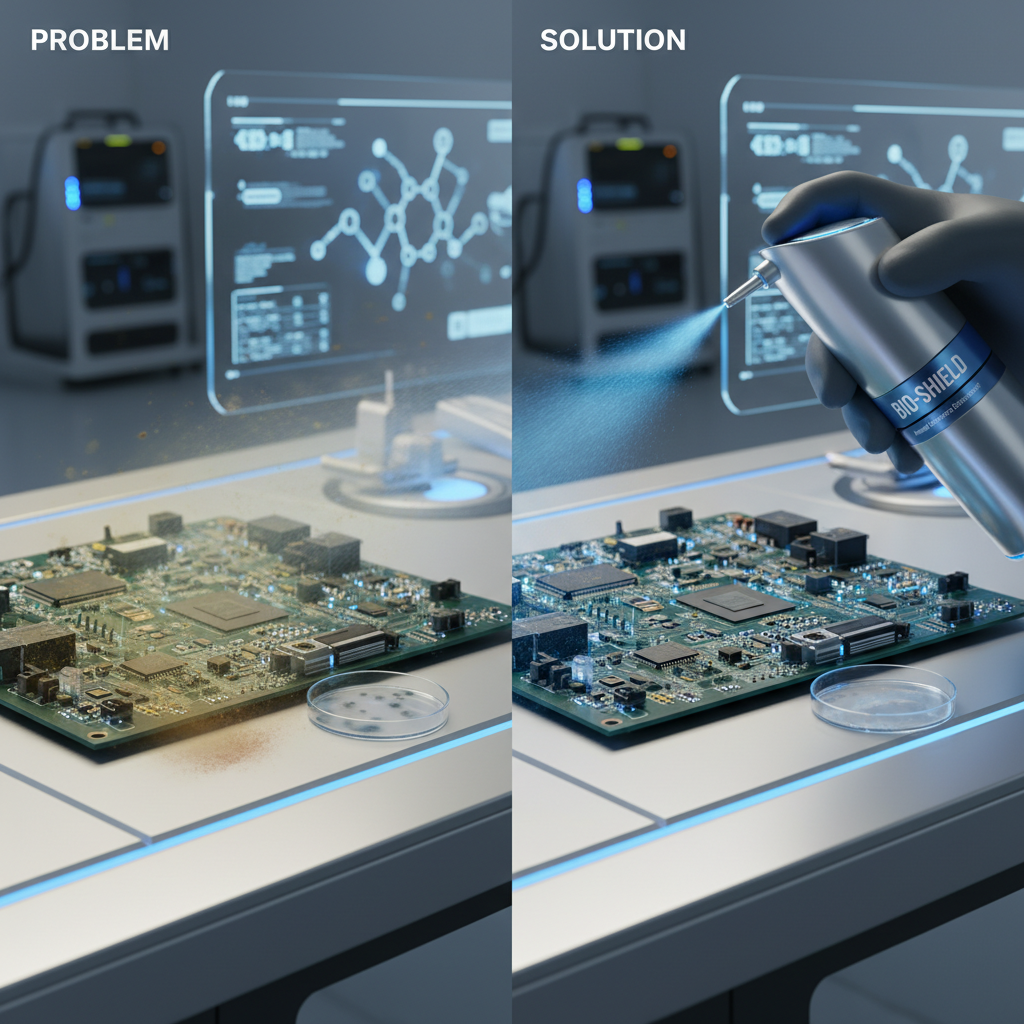
Proper contact time is also critical. Disinfectants require a specific period of contact with the surface to effectively kill or inactivate microorganisms. Insufficient contact time can lead to incomplete disinfection. Furthermore, the presence of organic matter, such as dirt or blood, can reduce the efficacy of many disinfectants, necessitating pre-cleaning before application.
The pH level of the disinfectant is another essential factor. Different microorganisms thrive in different pH environments, and the pH of the disinfectant should be optimized to maximize its antimicrobial activity. Finally, the compatibility of the disinfectant with the surface being treated is important to prevent damage or corrosion.
Key Factors Influencing Disinfectant Efficacy
The effectiveness of veterinary disinfectant products isn't solely determined by their chemical composition. Several other factors play a significant role. Temperature, for example, can influence the rate of chemical reactions and affect the activity of some disinfectants. Higher temperatures generally enhance efficacy, but excessive heat can degrade certain formulations.
Water hardness, measured by the concentration of minerals like calcium and magnesium, can also impact performance. Hard water can reduce the effectiveness of some disinfectants by forming insoluble precipitates. Proper dilution is vital; using too little disinfectant reduces its potency, while using too much can be wasteful or even harmful.
Veterinary Disinfectant Product Efficacy Comparison
Global Applications of Veterinary Disinfectants
The applications of veterinary disinfectant products are widespread and diverse. In livestock farming, they are essential for controlling disease outbreaks in cattle, poultry, swine, and other animals, protecting food security and economic stability. Animal shelters and rescue organizations utilize disinfectants to maintain hygienic conditions, preventing the spread of infections among vulnerable animal populations.
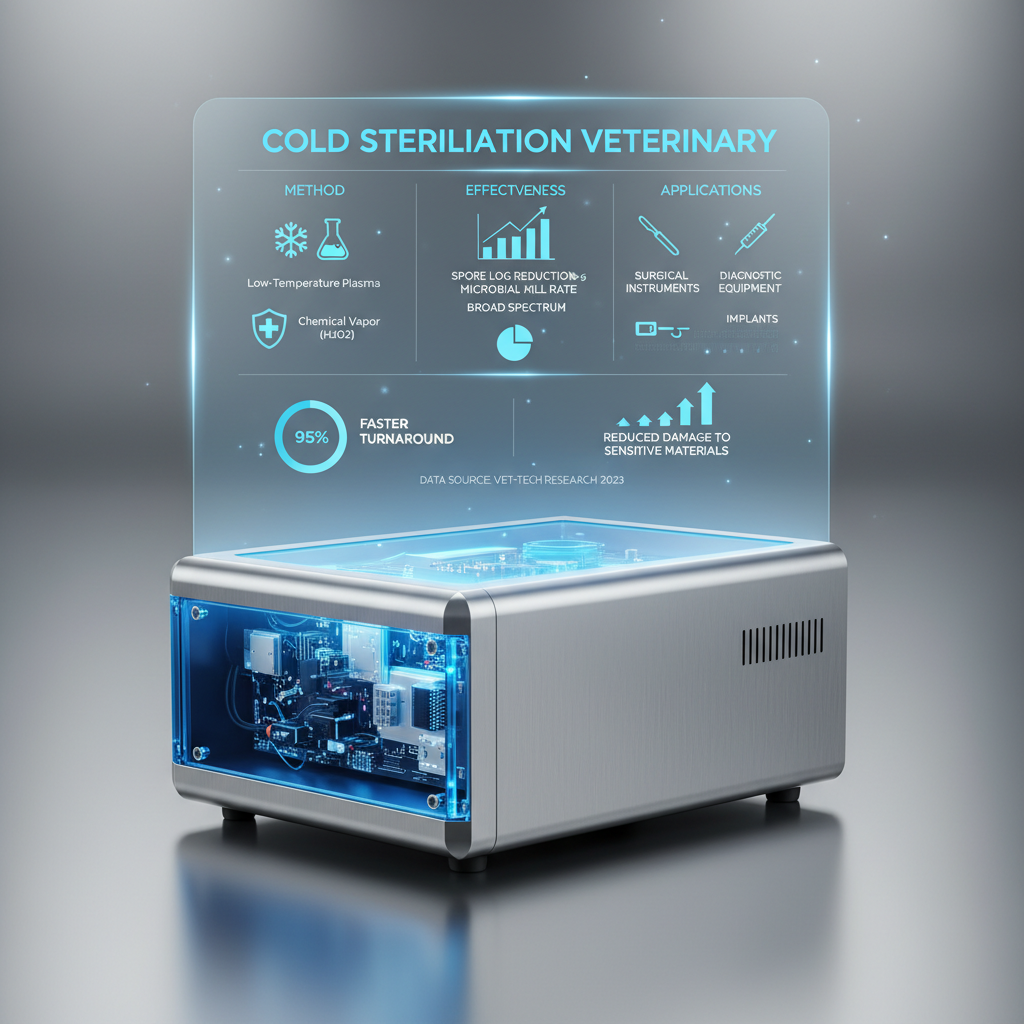
Veterinary clinics rely heavily on disinfectants for sterilizing surgical instruments, cleaning examination rooms, and maintaining a safe environment for patients and staff. Research facilities use disinfectants to control contamination in animal models and ensure the validity of experimental results. In post-disaster relief operations, disinfectants are critical for controlling disease spread in animal populations affected by floods, hurricanes, or other natural disasters.
Advantages & Long-Term Benefits
The benefits of utilizing appropriate veterinary disinfectant products extend far beyond immediate disease control. Cost savings are significant, as preventing outbreaks minimizes treatment expenses and lost productivity. Sustainability is enhanced by reducing the need for antibiotics, helping to combat antimicrobial resistance. A robust disinfection program fosters a culture of biosecurity, increasing operational efficiency and reducing risks.
The peace of mind that comes with knowing animals are in a clean and safe environment is invaluable. This contributes to improved animal welfare, enhanced public health, and increased trust in veterinary care providers. Investing in high-quality veterinary disinfectant products is an investment in the long-term health and sustainability of animal-related industries.
Future Trends & Innovations
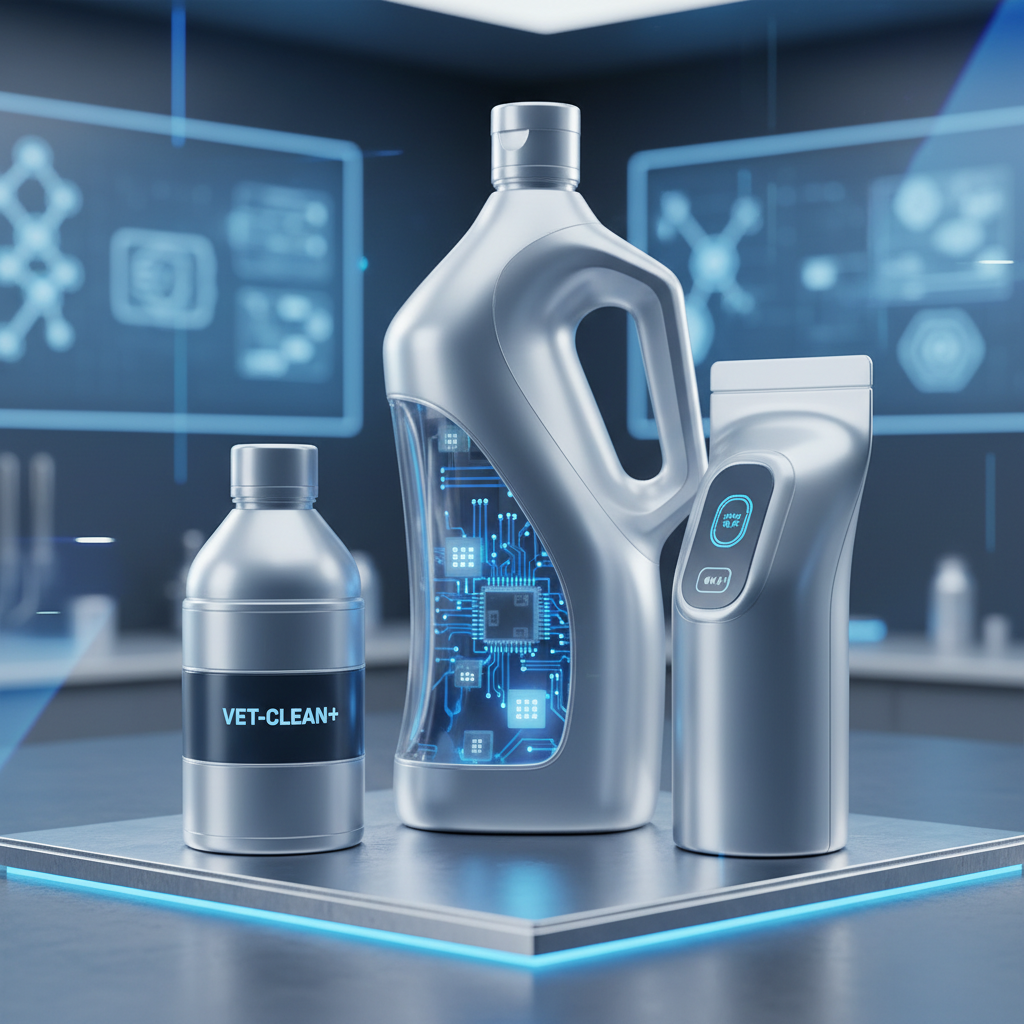
The field of veterinary disinfectant products is constantly evolving. Research is focused on developing new formulations with improved efficacy, reduced toxicity, and enhanced environmental compatibility. Innovations include the use of novel antimicrobial agents, such as peracetic acid and hydrogen peroxide, as well as the development of self-disinfecting surfaces and automated disinfection systems.
Digital technologies are also playing an increasingly important role, with the development of smart sensors that can monitor disinfection levels and provide real-time feedback. Sustainability is a major driving force, with a growing emphasis on biodegradable disinfectants and environmentally friendly packaging. The integration of data analytics and artificial intelligence will optimize disinfection protocols and enhance biosecurity measures.
Future Trends & Innovations
The field of veterinary disinfectant products is constantly evolving. Research is focused on developing new formulations with improved efficacy, reduced toxicity, and enhanced environmental compatibility. Innovations include the use of novel antimicrobial agents, such as peracetic acid and hydrogen peroxide, as well as the development of self-disinfecting surfaces and automated disinfection systems.
Digital technologies are also playing an increasingly important role, with the development of smart sensors that can monitor disinfection levels and provide real-time feedback. Sustainability is a major driving force, with a growing emphasis on biodegradable disinfectants and environmentally friendly packaging. The integration of data analytics and artificial intelligence will optimize disinfection protocols and enhance biosecurity measures.
Summary of Veterinary Disinfectant Product Performance
| Disinfectant Type |
Spectrum of Activity |
Contact Time (Minutes) |
Environmental Impact |
| Quaternary Ammonium Compounds |
Broad-spectrum, excluding some viruses |
10-30 |
Moderate |
| Chlorine-Based Disinfectants |
Broad-spectrum, effective against viruses |
5-15 |
High |
| Peracetic Acid |
Broad-spectrum, including spores |
2-10 |
Low |
| Hydrogen Peroxide |
Broad-spectrum, effective against viruses |
5-30 |
Low |
| Phenolic Compounds |
Broad-spectrum, including some spores |
10-60 |
Moderate |
| Alcohol-Based Disinfectants |
Effective against bacteria and some viruses |
1-5 |
Low |
FAQS
Disinfectants are used on inanimate surfaces to kill microorganisms, while antiseptics are used on living tissue. Disinfectants are generally too harsh for use on skin or wounds, as they can cause irritation or damage. Antiseptics are formulated to be safe for use on living tissue, while still providing antimicrobial activity.
Dilution is crucial for optimal efficacy. Always follow the manufacturer's instructions carefully. Using too little disinfectant reduces its potency, while using too much can be wasteful or potentially harmful. Use accurate measuring tools and clean water for dilution. Properly diluted disinfectants are most effective.
Contact time refers to the amount of time the disinfectant needs to remain in contact with the surface to effectively kill or inactivate microorganisms. Insufficient contact time will result in incomplete disinfection. Always refer to the product label for the recommended contact time and ensure the surface remains wet throughout that duration.
Consider the type of microorganism you're targeting (bacteria, viruses, fungi), the surface you're disinfecting, and the presence of organic matter. Consult the product label to ensure it's effective against the pathogens of concern and compatible with the surface. Also, consider the safety profile and environmental impact.
Yes, disinfectants can lose effectiveness over time due to factors like evaporation, temperature fluctuations, and exposure to light. Always store disinfectants in a cool, dark place, tightly sealed. Check the expiration date and discard expired products. Proper storage extends the shelf life and maintains efficacy.
No, not all disinfectants are safe for use around animals. Some contain ingredients that can be toxic or irritating. Always choose veterinary-specific disinfectants and follow the manufacturer's instructions carefully. Ensure adequate ventilation during application and prevent animals from direct contact with the disinfectant until it's fully dried.
Conclusion
In conclusion, veterinary disinfectant products are indispensable tools for maintaining animal health, protecting public health, and ensuring the efficiency of veterinary practices. Understanding the core components of effective disinfection, the factors influencing efficacy, and the latest innovations is crucial for optimizing biosecurity measures and preventing disease outbreaks. The careful selection and proper application of these products are essential for safeguarding animal welfare and promoting a sustainable and healthy environment.
Looking ahead, continued research and development will undoubtedly lead to even more effective, environmentally friendly, and user-friendly veterinary disinfectant products. Embracing these advancements and integrating them into comprehensive hygiene protocols will be paramount for addressing the evolving challenges of animal healthcare and ensuring a future where animals and humans can thrive together. For a comprehensive range of effective veterinary disinfectant products, visit our website today.