Veterinary disinfectant plays a critical role in maintaining animal health and preventing the spread of disease, impacting both individual practices and global animal populations. Effective disinfection protocols are essential in a range of settings – from veterinary clinics and farms to research facilities and animal shelters – and contribute directly to improved animal welfare and public health. Understanding the nuances of veterinary disinfectant, including its types, applications, and evolving technologies, is paramount for professionals in the animal care industry.
The global market for veterinary disinfectant is substantial and growing, driven by factors such as increased pet ownership, rising awareness of zoonotic diseases, and stringent regulations regarding animal hygiene. According to recent industry reports, the demand for advanced disinfectant solutions is outpacing traditional options, particularly those offering broad-spectrum efficacy and environmental sustainability. The need for proactive disease prevention, coupled with the economic impact of outbreaks, solidifies the importance of robust veterinary disinfectant protocols.
Addressing challenges like antimicrobial resistance and the need for eco-friendly alternatives necessitates ongoing innovation in veterinary disinfectant formulations and application methods. This field isn’t merely about eliminating pathogens; it’s about ensuring a safe and healthy environment for animals, protecting human health, and supporting the long-term sustainability of animal agriculture and veterinary care. This comprehensive guide will explore the essential facets of veterinary disinfectant, providing valuable insights for professionals and animal caregivers alike.
Introduction to Veterinary Disinfectant
The cornerstone of preventative healthcare in veterinary medicine lies in diligent disinfection practices. Veterinary disinfectant isn't simply about cleaning; it's a crucial component of biosecurity, protecting animals from a vast array of pathogens – viruses, bacteria, fungi – that can lead to illness, outbreaks, and even death. Implementing effective veterinary disinfectant protocols is essential for safeguarding animal health, preserving veterinary resources, and bolstering public health.
Different environments within the veterinary field present unique disinfection challenges. Operating rooms demand the highest level of sterility, while animal housing areas require solutions effective against a broader spectrum of common pathogens. Choosing the right veterinary disinfectant requires a comprehensive understanding of the target organisms, the surfaces being disinfected, and the specific needs of the veterinary practice or facility. The selection process should always prioritize efficacy, safety, and environmental considerations.
Defining Veterinary Disinfectant
Veterinary disinfectant refers to chemical agents applied to inanimate objects and surfaces to destroy or inactivate pathogenic microorganisms, including bacteria, viruses, and fungi, relevant to animal health. It’s distinct from antiseptics, which are used on living tissue. The goal of veterinary disinfection is to reduce the number of viable microorganisms to a level that poses no threat to animal health, thereby breaking the chain of infection.
The rise of modern veterinary medicine and the intensification of animal agriculture have made veterinary disinfectant indispensable. Historically, simple cleaning agents like soap and water were employed, but the advent of potent chemical disinfectants significantly enhanced infection control capabilities. This connection to modern practices is driven by the need to mitigate the risks associated with concentrated animal populations, international animal trade, and emerging infectious diseases.
The effectiveness of veterinary disinfectant is governed by several factors, including contact time, concentration, temperature, and the presence of organic matter. Therefore, proper application techniques and adherence to manufacturer's instructions are critical for achieving optimal results and ensuring the safety of animals and personnel. Using a reliable veterinary disinfectant is essential for upholding hygiene standards.
Core Components of Effective Disinfection
Effective veterinary disinfection relies on several key components working in synergy. Firstly, spectrum of activity is crucial – a good disinfectant should target a broad range of pathogens commonly encountered in the veterinary setting. Secondly, contact time plays a significant role; the disinfectant must remain in contact with the surface for a sufficient duration to effectively kill microorganisms.
Thirdly, concentration is paramount. Using too low a concentration may render the disinfectant ineffective, while excessive concentrations can be corrosive or toxic. Fourthly, compatibility with materials is important to avoid damage to equipment or surfaces. Finally, safety for both animals and personnel must be a primary consideration when selecting and using veterinary disinfectant.
The presence of organic matter significantly impacts disinfectant efficacy. Dirt, blood, and other organic debris can neutralize the disinfectant, rendering it ineffective. Therefore, thorough cleaning and removal of organic matter prior to disinfection is essential. Pre-cleaning with detergents or enzymatic cleaners can greatly enhance the effectiveness of subsequent disinfection procedures. Selecting a veterinary disinfectant that is formulated to work effectively even in the presence of some organic matter is also advantageous.
Choosing the appropriate veterinary disinfectant often involves a careful assessment of the situation. For example, areas exposed to parvovirus require disinfectants specifically proven effective against non-enveloped viruses, while routine disinfection of floors and kennels might be adequately addressed with a broad-spectrum quaternary ammonium compound. A robust biosecurity plan will outline the specific disinfectants to be used in different areas and situations.
Practical Applications of Veterinary Disinfectant
The practical applications of veterinary disinfectant are diverse and span numerous settings within the animal healthcare industry. In veterinary clinics, disinfectant is vital for maintaining sterile surgical environments, cleaning examination rooms, and disinfecting kennels to prevent cross-contamination. On farms, veterinary disinfectant is crucial for controlling disease outbreaks in livestock, sanitizing milking equipment, and managing biosecurity protocols.
Animal shelters rely heavily on veterinary disinfectant to combat the high prevalence of infectious diseases among housed animals. Regular disinfection of kennels, food and water bowls, and common areas is essential for minimizing the spread of pathogens. Research facilities employ veterinary disinfectant to maintain stringent biosecurity measures and prevent contamination of experiments.
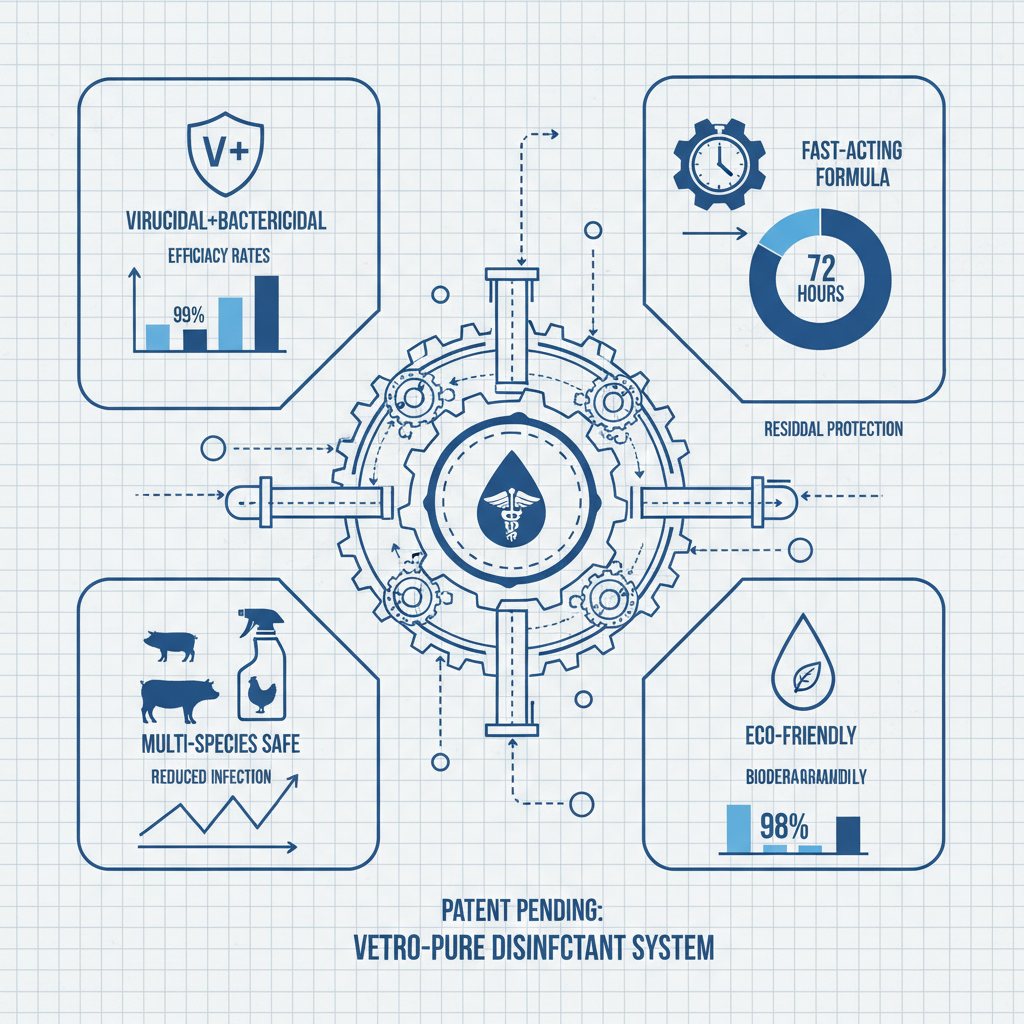
Veterinary Disinfectant Efficacy Ratings by Method
Global Implementation and Benefits
The implementation of effective veterinary disinfectant protocols extends far beyond individual clinics and farms, impacting global animal health and trade. Countries with robust biosecurity measures and strict disinfectant standards generally experience fewer disease outbreaks and lower economic losses associated with animal illnesses. International organizations, such as the World Organisation for Animal Health (WOAH), play a vital role in promoting best practices and establishing guidelines for veterinary disinfection.
In regions with limited resources, access to affordable and effective veterinary disinfectant can be a significant challenge. However, even simple disinfection practices, when implemented consistently, can dramatically reduce the spread of disease and improve animal welfare. Furthermore, responsible use of veterinary disinfectant contributes to mitigating the development of antimicrobial resistance, a growing global health threat.
Advantages and Long-Term Value
The advantages of prioritizing veterinary disinfectant extend beyond immediate disease control. Cost savings associated with reduced illness, decreased treatment expenses, and minimized production losses represent a significant long-term benefit. A healthy animal population translates directly to increased productivity and economic stability for farmers and livestock producers. Furthermore, investing in robust disinfection protocols enhances the reputation of veterinary practices and facilities, fostering trust and attracting clients.
The long-term value of veterinary disinfectant also lies in its contribution to public health. Many animal diseases are zoonotic, meaning they can be transmitted to humans. Effective disinfection practices in veterinary settings and on farms help to prevent the spread of these diseases, safeguarding human health and well-being. This underscores the ethical and societal responsibility associated with implementing sound disinfection protocols.
Future Trends in Veterinary Disinfectant
The field of veterinary disinfectant is constantly evolving, driven by advancements in scientific understanding and technological innovation. Emerging trends include the development of eco-friendly disinfectants based on sustainable and biodegradable materials, reducing the environmental impact of disinfection procedures. Research into novel antimicrobial compounds and alternative disinfection methods, such as UV-C irradiation and ozone technology, is also gaining momentum.
Digital technologies are playing an increasingly important role in monitoring disinfection efficacy and optimizing biosecurity protocols. Smart sensors and data analytics can provide real-time feedback on disinfection levels, allowing for proactive adjustments and ensuring consistent performance. The integration of automation and robotics into disinfection processes will further enhance efficiency and reduce human error.
Summary of Veterinary Disinfectant Comparative Analysis
| Disinfectant Type |
Spectrum of Activity |
Safety Profile |
Environmental Impact |
| Chlorine-Based |
Broad |
Moderate – corrosive at high concentrations |
Potential for harmful byproducts |
| Quaternary Ammonium Compounds |
Good against bacteria, limited virucidal activity |
Relatively safe at recommended dilutions |
Biodegradable, but can contribute to antimicrobial resistance |
| Hydrogen Peroxide |
Broad – effective against bacteria, viruses, and fungi |
Generally safe, but can cause skin irritation |
Decomposes into water and oxygen |
| Peracetic Acid |
Broadest spectrum – highly effective against all types of microorganisms |
Corrosive and requires careful handling |
Decomposes into acetic acid and oxygen |
| Alcohol-Based |
Good against bacteria and enveloped viruses |
Flammable and can be drying to skin |
Readily evaporates |
| Hypochlorous Acid |
Broad, potent against biofilms |
Safe for most surfaces, non-toxic |
Environmentally friendly, breaks down into salt and water |
FAQS
Disinfectants are used on inanimate surfaces to kill microorganisms, while antiseptics are applied to living tissue. Disinfectants are generally too harsh for use on skin or open wounds. The key distinction lies in their intended application; disinfectants aim to eliminate pathogens from objects, whereas antiseptics reduce the microbial load on living tissues to prevent infection.
Selecting the appropriate veterinary disinfectant depends on several factors, including the types of pathogens you need to control, the surfaces being disinfected, and safety considerations. Consider the disinfectant's spectrum of activity, contact time, compatibility with materials, and potential for toxicity. Always refer to the manufacturer's instructions and consult with a veterinary professional if you have any doubts.
Contact time refers to the amount of time the disinfectant needs to remain in contact with the surface to effectively kill microorganisms. Insufficient contact time can result in incomplete disinfection. Always adhere to the manufacturer's recommended contact time, which is typically indicated on the product label. Ensure the surface remains visibly wet throughout the specified duration.
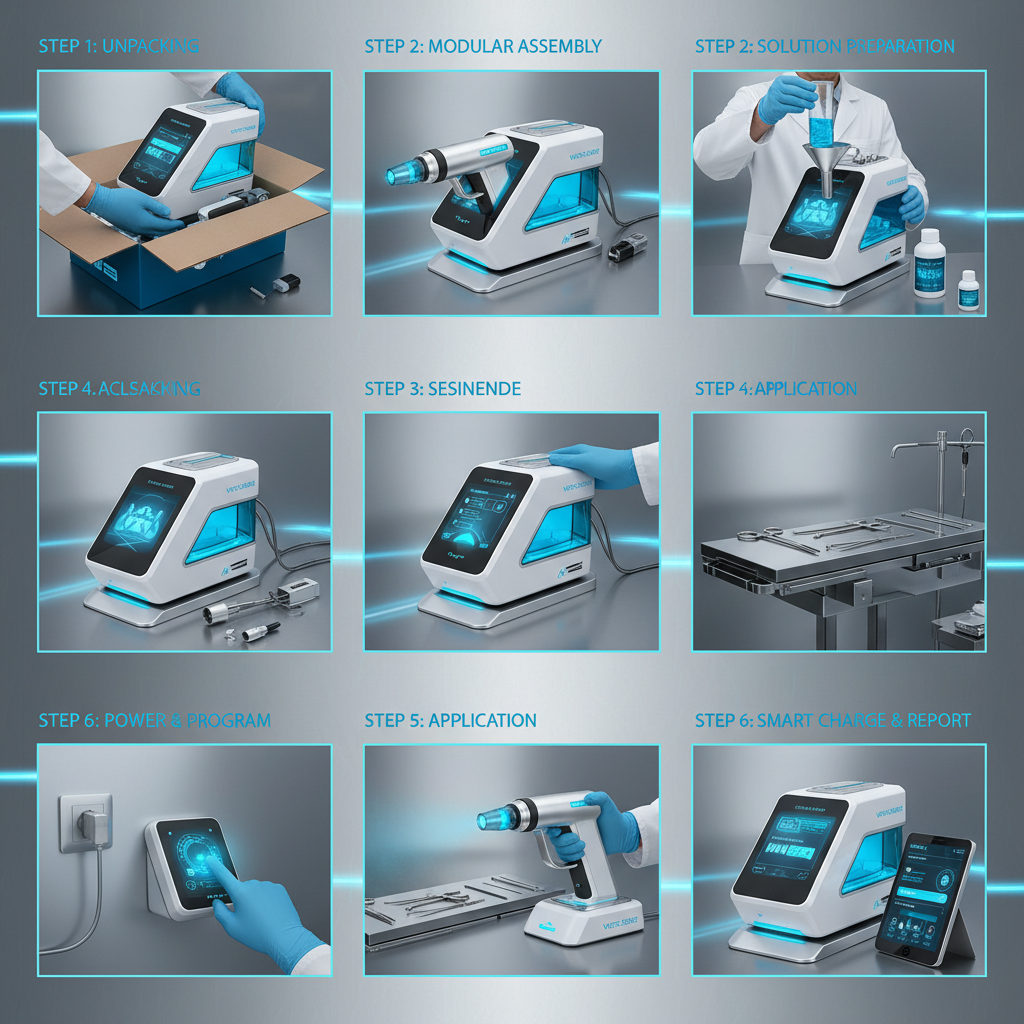
Accurate dilution is critical for achieving optimal disinfectant efficacy and avoiding potential harm. Use appropriate measuring devices, such as graduated cylinders or automated dilution systems. Always add the disinfectant to the water, not the other way around, to ensure thorough mixing. Prepare fresh dilutions daily to maintain potency.
Yes, there's a growing range of eco-friendly veterinary disinfectants available. These often utilize biodegradable ingredients, such as hydrogen peroxide, peracetic acid, or plant-based compounds. While efficacy may vary, these alternatives can significantly reduce the environmental impact of disinfection practices. Look for products with recognized eco-certifications.
Proper disposal of used disinfectant solutions is essential to prevent environmental contamination. Follow local regulations and guidelines for hazardous waste disposal. Do not pour disinfectant solutions down the drain unless specifically approved by your local authorities. Consider neutralizing the solution before disposal, if appropriate.
Conclusion
Veterinary disinfectant stands as a cornerstone of modern animal healthcare and biosecurity. From safeguarding individual animals in clinical settings to protecting global livestock populations and preventing zoonotic disease transmission, its importance cannot be overstated. Effective implementation relies on understanding the diverse types of disinfectants, their mechanisms of action, and the critical factors influencing their efficacy—contact time, concentration, and the presence of organic matter.
Looking ahead, advancements in sustainable formulations, digital monitoring technologies, and automation promise to revolutionize veterinary disinfection practices. By embracing these innovations and prioritizing responsible use, we can ensure a healthier future for animals, protect public health, and build more resilient animal care systems. To learn more about the best veterinary disinfectant solutions available, visit our website today.