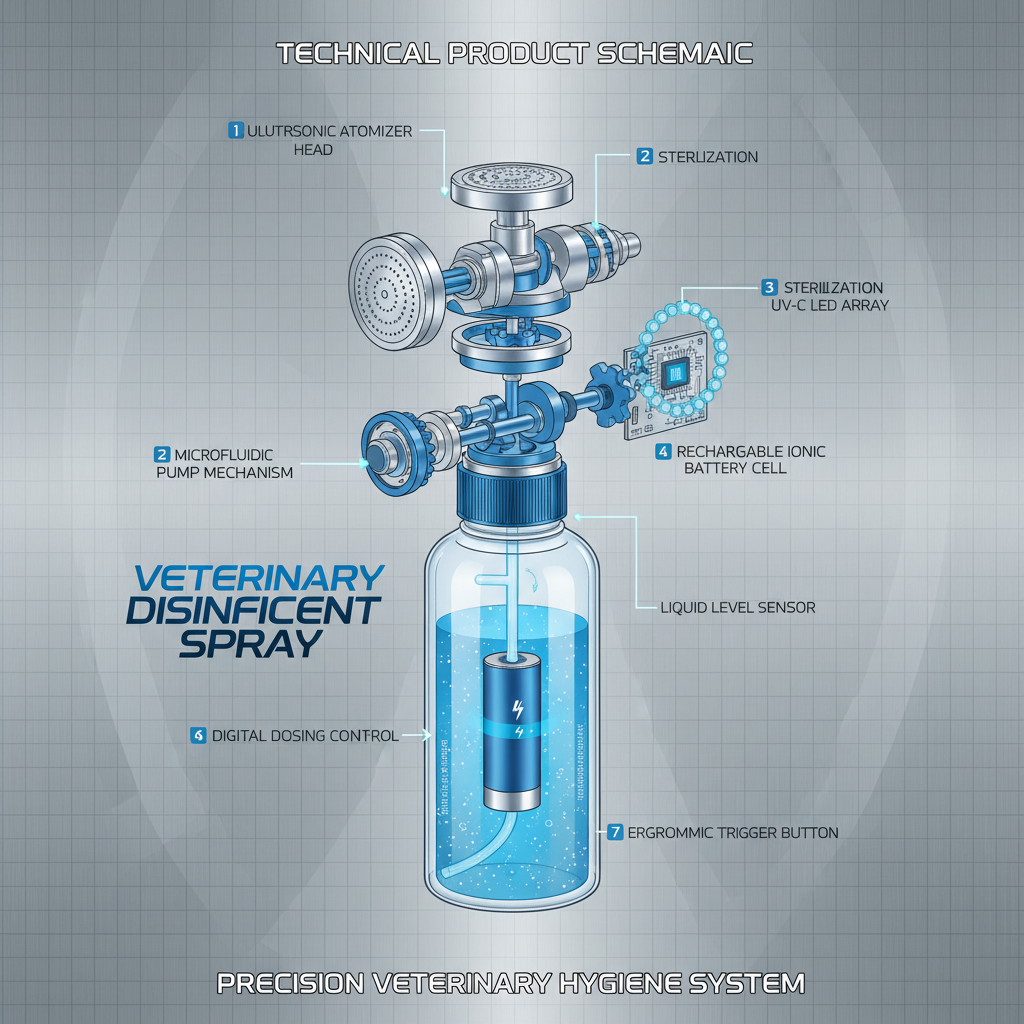
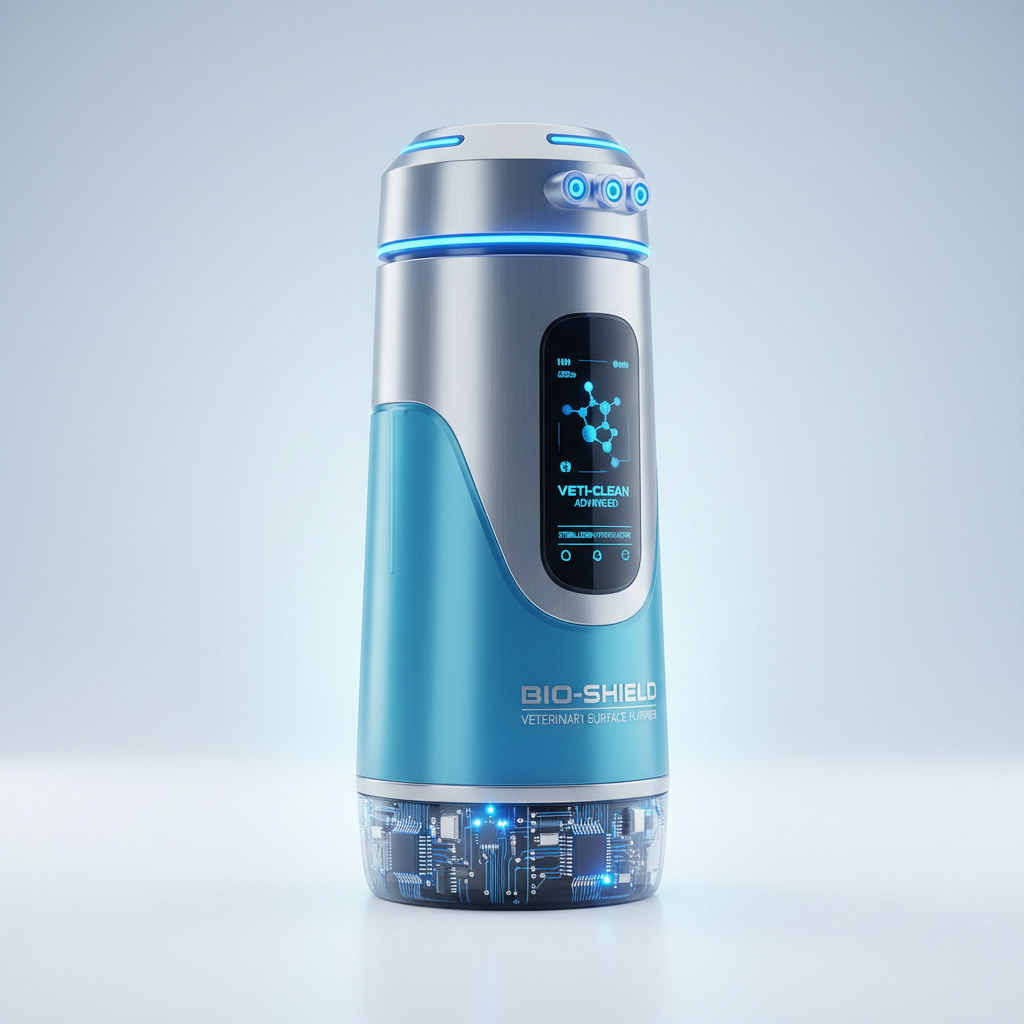
Veterinary disinfectant spray is a crucial component of maintaining hygiene and preventing the spread of disease within animal healthcare facilities, farms, and even pet households. Its importance extends beyond simply cleaning; it's a proactive measure safeguarding animal health, public safety, and economic stability in the livestock industry. Effective veterinary disinfectant spray formulations target a broad spectrum of pathogens, including bacteria, viruses, and fungi, contributing significantly to biosecurity protocols.
The global demand for veterinary disinfectant spray is driven by factors like increasing animal populations, growing awareness of zoonotic diseases (diseases transmissible from animals to humans), and stringent regulations regarding animal welfare and food safety. According to the World Organisation for Animal Health (WOAH), maintaining robust biosecurity measures, including disinfection, is paramount in preventing disease outbreaks that can devastate livestock industries and impact global food supplies. This drives a continual need for improved and innovative veterinary disinfectant spray products.
Understanding the nuances of veterinary disinfectant spray – from its chemical composition to its proper application – is vital for veterinary professionals, animal caretakers, and pet owners alike. Choosing the right spray, utilizing appropriate dilution rates, and adhering to contact times are all critical factors in achieving effective disinfection and minimizing the risk of disease transmission. This knowledge directly translates to improved animal health outcomes and a safer environment for both animals and people.
Introduction to Veterinary Disinfectant Spray
Veterinary disinfectant spray plays a pivotal role in biosecurity protocols, and its widespread use is linked to a decrease in the incidence of infectious diseases in animal populations. Proper disinfection significantly reduces the environmental burden of pathogens, creating a safer environment for animals and minimizing the risk of zoonotic disease transmission. Selecting the right veterinary disinfectant spray is thus paramount.
The use of veterinary disinfectant sprays extends to a variety of settings, including veterinary clinics, animal shelters, livestock farms, research facilities, and even pet owner homes. Different environments require different formulations and application methods to ensure optimal effectiveness. Regularly scheduled disinfection routines, coupled with appropriate cleaning practices, are essential for maintaining a high level of hygiene and preventing the spread of infectious agents.
Defining Veterinary Disinfectant Spray
Veterinary disinfectant spray is a chemical agent formulated to destroy or inactivate microorganisms – including bacteria, viruses, fungi, and spores – on inanimate surfaces. It differs from antiseptics, which are used on living tissues. The specific formulation of a veterinary disinfectant spray typically includes active ingredients, such as quaternary ammonium compounds, chlorine-based compounds, or alcohols, alongside surfactants and other additives to enhance its efficacy and application characteristics.
The modern industry's reliance on effective veterinary disinfectant sprays is driven by the need to protect animal health, ensure food safety, and prevent economic losses associated with disease outbreaks. Stringent regulations from organizations like the Environmental Protection Agency (EPA) and the European Chemicals Agency (ECHA) govern the production and use of these products, ensuring their safety and efficacy. The development of new formulations is continually focused on improving antimicrobial activity, reducing environmental impact, and enhancing user safety.
Veterinary disinfectant sprays are not simply cleaning agents; they are a critical component of a comprehensive biosecurity plan. They are used to break the chain of infection, preventing the spread of pathogens from contaminated surfaces to susceptible animals. This is particularly important in environments where animals are housed in close proximity, such as livestock farms and animal shelters.
Key Components of Effective Veterinary Disinfectant Spray
An effective veterinary disinfectant spray relies on a combination of factors. First is the active ingredient – the chemical responsible for killing or inactivating microorganisms. Common examples include quaternary ammonium compounds (QUATs), chlorine dioxide, hydrogen peroxide, and peracetic acid. Each active ingredient possesses different strengths and weaknesses regarding its spectrum of activity, contact time, and environmental compatibility. Choosing the appropriate active ingredient is therefore crucial.
Second, contact time – the duration for which the disinfectant must remain wet on the surface – is a key factor. Insufficient contact time can lead to incomplete disinfection, allowing pathogens to survive. Third, concentration – the amount of active ingredient in the diluted spray solution – must be carefully controlled according to the manufacturer’s instructions. Too low a concentration may be ineffective, while too high a concentration can be corrosive or harmful.
Fourth, organic matter can significantly reduce the efficacy of many disinfectants. Prior cleaning to remove visible dirt and debris is essential before applying a veterinary disinfectant spray. Fifth, the material compatibility of the disinfectant with the surface being treated is important. Certain disinfectants can corrode or damage certain materials. Lastly, formulation influences spray pattern, coverage, and ease of application.
Practical Applications Across Industries
Veterinary disinfectant spray is indispensable in veterinary clinics, used to disinfect examination tables, surgical instruments, kennels, and floors. Maintaining a sterile environment is critical to prevent cross-contamination between patients and protect veterinary staff. In livestock farming, these sprays are applied to barns, stalls, and equipment to control the spread of diseases such as foot-and-mouth disease and avian influenza.
Animal shelters frequently use veterinary disinfectant spray to sanitize kennels and common areas, protecting vulnerable animals from infectious diseases. Research facilities utilize these sprays to maintain controlled environments for animal studies. Even pet owners benefit from using veterinary disinfectant spray to clean litter boxes, food bowls, and other pet-related items, contributing to a healthier home environment. The selection of a suitable veterinary disinfectant spray depends on the specific needs of each environment.
Comparative Effectiveness of Veterinary Disinfectant Spray Methods
Advantages and Long-Term Value
The use of veterinary disinfectant spray offers significant cost savings by preventing disease outbreaks, reducing animal morbidity and mortality, and minimizing the need for expensive treatments. Improved biosecurity translates to a more productive and efficient operation, increasing profitability for livestock farmers. Moreover, it promotes sustainability by reducing reliance on antibiotics and other medications.
Beyond economic benefits, veterinary disinfectant spray contributes to social responsibility by protecting public health and preventing the spread of zoonotic diseases. Utilizing effective disinfection protocols demonstrates a commitment to animal welfare and responsible animal husbandry. Building trust with consumers and stakeholders is crucial in today's market, and a strong biosecurity program, including the use of veterinary disinfectant spray, can enhance brand reputation.
Future Trends and Innovations
Research and development efforts are focused on creating more environmentally friendly veterinary disinfectant sprays using biodegradable ingredients and reducing the use of harsh chemicals. Nanotechnology is being explored to enhance disinfectant efficacy and improve surface penetration. Automated disinfection systems, utilizing robotics and sensor technology, are emerging to streamline and improve the consistency of disinfection processes.
The integration of digital technologies, such as data analytics and predictive modeling, is enabling a more proactive approach to biosecurity. By analyzing data on disease incidence and environmental factors, it is possible to identify potential risks and optimize disinfection protocols. Furthermore, increasing regulatory scrutiny regarding antimicrobial resistance is driving the development of alternative disinfection strategies.
Challenges and Solutions in Disinfection
A common challenge is the development of microbial resistance to disinfectants. To mitigate this, it’s crucial to rotate different classes of disinfectants periodically and use them in combination. Another challenge is ensuring proper application and adherence to recommended contact times. Training and education for personnel are essential to address this issue. Incorrect dilution or insufficient coverage can significantly reduce efficacy.
The cost of some advanced veterinary disinfectant sprays can be a barrier to adoption for smaller farms or animal shelters. Exploring cost-effective alternatives and optimizing application methods can help address this concern. Furthermore, the environmental impact of disinfectants is a growing concern. Developing and utilizing more sustainable formulations is critical. Implementing robust monitoring programs to verify disinfection efficacy and identify potential areas for improvement is also essential.
Investing in comprehensive biosecurity audits and developing tailored disinfection plans for specific facilities are key steps in overcoming these challenges. Collaborations between researchers, manufacturers, and industry stakeholders are vital to drive innovation and improve best practices in veterinary disinfection.
Summary of Veterinary Disinfectant Spray Challenges and Mitigation Strategies
| Challenge |
Impact on Veterinary Disinfectant Spray Effectiveness |
Mitigation Strategy |
Implementation Cost (1-10) |
| Microbial Resistance |
Reduced disinfectant efficacy over time |
Rotation of disinfectant classes; combination use |
3 |
| Improper Application |
Insufficient contact time or coverage |
Training programs; standardized protocols |
5 |
| Organic Matter Interference |
Neutralization of disinfectant activity |
Thorough cleaning prior to disinfection |
2 |
| High Disinfectant Costs |
Limited access for smaller facilities |
Cost-effective alternatives; optimized usage |
6 |
| Environmental Concerns |
Negative impact on ecosystems |
Biodegradable formulations; responsible disposal |
7 |
| Lack of Monitoring |
Inability to verify disinfection effectiveness |
Regular microbial testing; audit programs |
4 |
FAQS
After housing a dog with a contagious illness, thoroughly remove all organic matter (feces, urine, bedding). Then, apply a veterinary disinfectant spray known to be effective against the specific pathogen. Ensure adequate contact time (as per the product label), typically 10-20 minutes. Rinse the surface with water after the contact time to remove any disinfectant residue. Always follow the manufacturer's instructions and wear appropriate personal protective equipment.
Not all veterinary disinfectant sprays are safe for use around cats. Some contain ingredients that can be toxic to them. Always check the product label and ensure it specifically states that it is safe for use in environments where cats are present. Look for sprays with ingredients like quaternary ammonium compounds or accelerated hydrogen peroxide, which are generally considered safe when used as directed. Avoid products containing phenols or bleach.
The frequency of disinfection depends on factors like animal density, health status, and environmental conditions. As a general guideline, disinfect high-traffic areas daily, and perform a thorough disinfection of all animal housing areas after each group of animals is removed. During disease outbreaks, increase the frequency to multiple times daily. Always follow your veterinarian's recommendations.
Disinfectants are designed to kill most bacteria, viruses, and fungi, while sanitizers reduce the number of microorganisms to a safe level. Disinfectants are typically used on non-living surfaces, while sanitizers can be used on surfaces that come into contact with food. In veterinary settings, disinfection is generally preferred for comprehensive biosecurity.
Verify the disinfectant's effectiveness by ensuring it is EPA-registered and has undergone testing against relevant pathogens. Follow the manufacturer’s instructions regarding dilution, contact time, and application method. Consider periodic microbial testing of surfaces to confirm disinfection efficacy. Proper cleaning before disinfection is also crucial for optimal results.
Always wear appropriate personal protective equipment (PPE), including gloves, eye protection, and a mask, when handling veterinary disinfectant spray. Ensure adequate ventilation in the area. Avoid contact with skin and eyes. Read and follow the product label instructions carefully. Store the spray in a secure location out of reach of children and animals.
Conclusion
Veterinary disinfectant spray is a cornerstone of modern animal healthcare and biosecurity. Its effective use prevents the spread of disease, protects animal welfare, safeguards public health, and contributes to sustainable agricultural practices. Understanding the principles of disinfection – from selecting the appropriate product to applying it correctly – is crucial for all those involved in animal care.
Looking ahead, ongoing innovation in formulation, application technology, and monitoring methods will continue to enhance the effectiveness and efficiency of veterinary disinfectant sprays. Prioritizing research, education, and collaboration will ensure that these vital tools remain at the forefront of disease prevention and contribute to a healthier future for animals and humans alike. For a comprehensive range of high-quality veterinary disinfectant sprays, visit our website: www.skyvetpharm.com.