Oct . 13, 2025 14:50 Back to list
Poultry Medicine: Fast-Acting, GMP-Certified OEM Solutions
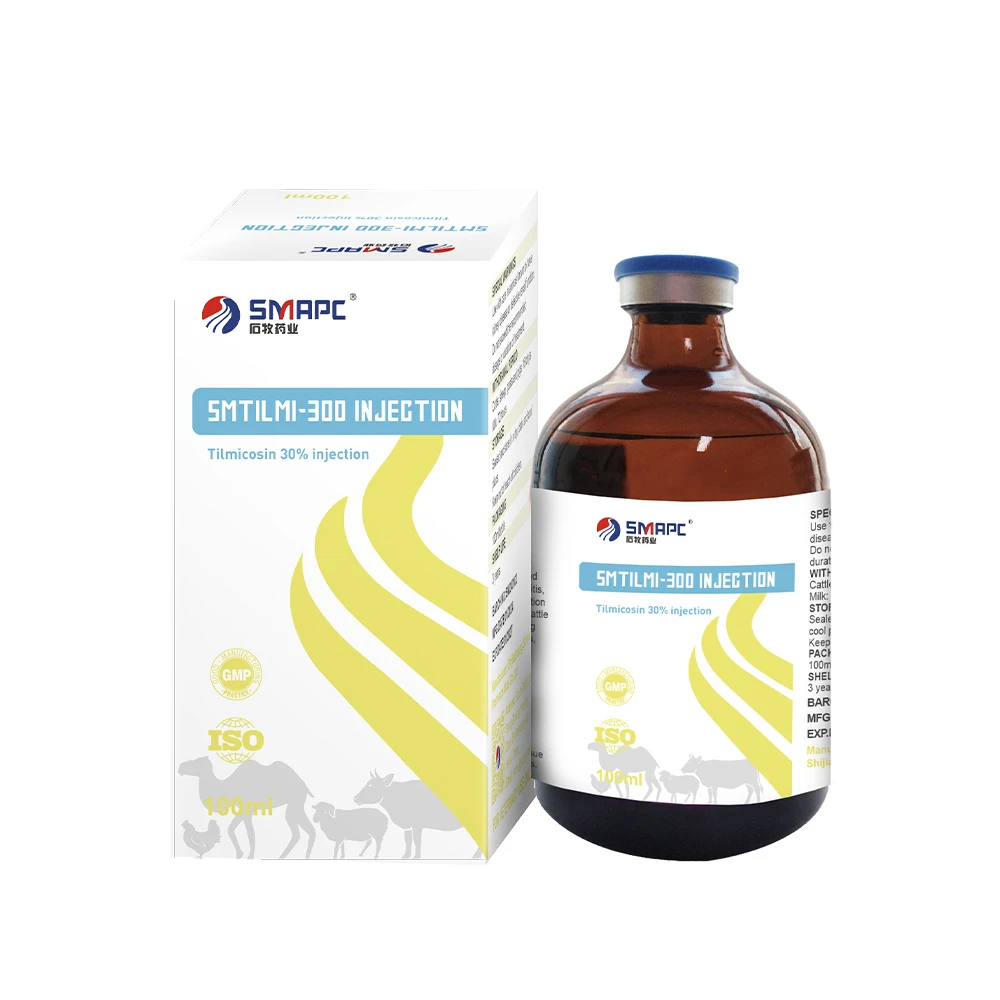
Inside the Fast-Evolving World of Poultry Respiratory Care: Tilmicosi Solution
If you follow farm health trends as closely as I do, you’ll know the conversation around poultry medicine has shifted from “what treats disease” to “what sustains performance under pressure.” In that context, Tilmicosi Solution has quietly become a staple on many serious broiler and breeder operations. To be honest, I didn’t expect it to spread so fast—yet many customers say the real-world outcomes during mycoplasma seasons are hard to ignore.
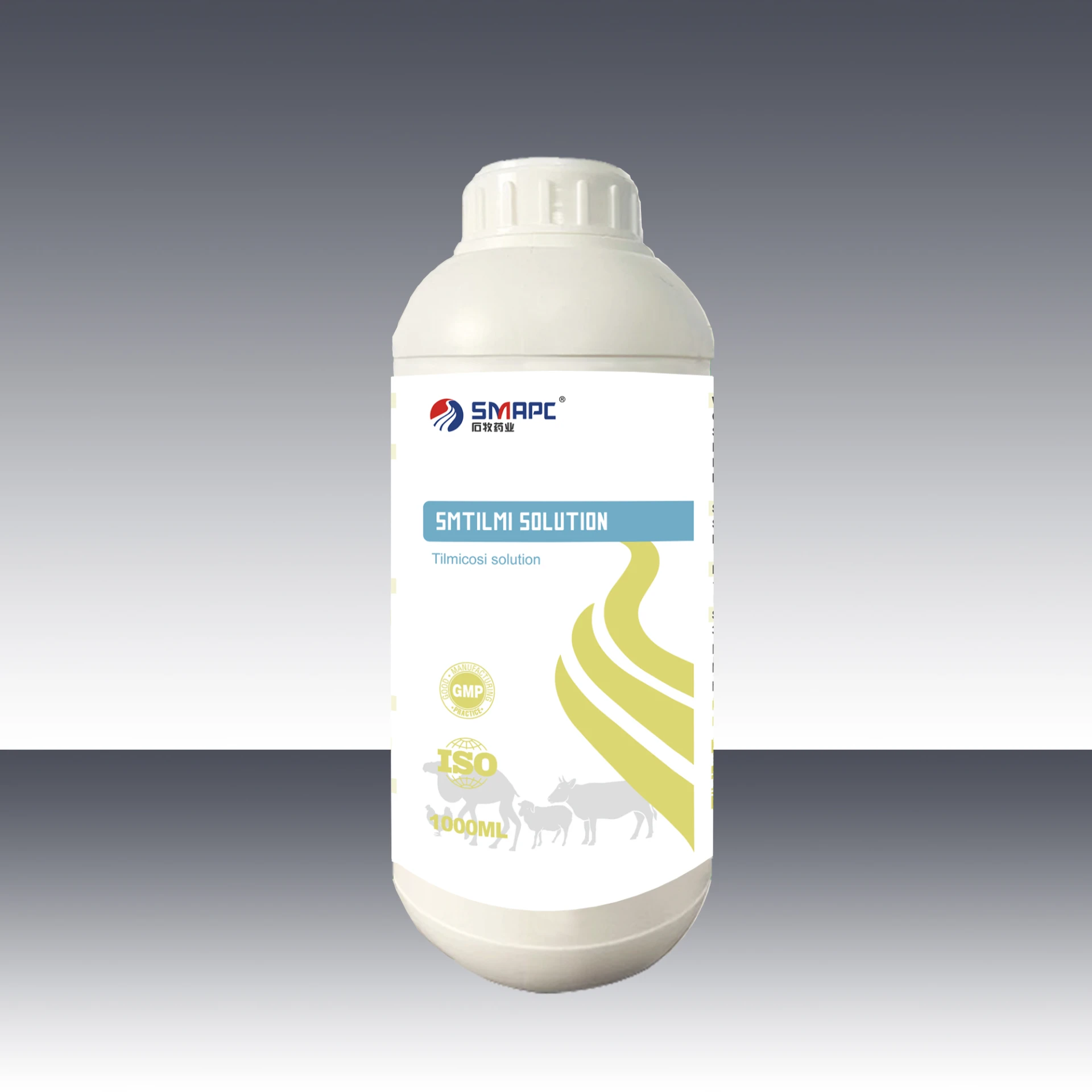
What it is (and why integrators care)
Tilmicosi Solution is a macrolide-based veterinary product formulated around tilmicosin, targeting respiratory pathogens like Pasteurella spp. and Mycoplasma spp. In poultry complexes battling recurring air-sacculitis or chronic respiratory disease, it’s often deployed via drinking water during high-risk windows. Approvals do vary by country—always follow the label and your veterinarian’s call—but the mechanism (macrolide inhibition of bacterial protein synthesis) is well understood.
Product snapshot
| Product name | Tilmicosi Solution (veterinary use only) |
| Active | Tilmicosin 100/250/300 mg per ml (options) |
| Indications | Respiratory disease associated with Pasteurella, Mycoplasma |
| Appearance / base | Clear solution; solvent system optimized for water medication |
| pH (typical) | ≈6.0–8.0 (real-world batches stay within spec) |
| Packaging | 100 ml / 250 ml / 1 L; private-label on request |
| Storage & service life | Store 15–30°C, protect from light; shelf life ≈24 months; diluted water use ideally ≤24 h |
| Origin | South District of Shangzhuang Industry Zone, Shijiazhuang, Hebei, China (Factory) |
How it’s made and verified
Materials: tilmicosin API, pharma-grade solvents, stabilizers. Methods: GMP-controlled solution blending, in-line mixing, and 0.22 μm polishing filtration, then light-protective filling. Testing: HPLC assay (95–105% label claim), identification (IR/UV), microbial limits (Ph. Eur. 2.6.12), related substances, pH, viscosity, and stability (VICH GL3/ICH Q1A). Batches are released by ISO 17025-accredited labs when applicable. I like seeing this level of discipline; it’s not cosmetic—it’s what keeps farms confident through peak stocking density.
Application scenarios
- Broiler farms pre- and post-vaccination stress windows.
- Breeder units facing mycoplasma pressure in warm, humid cycles.
- Multi-age complexes where air quality fluctuates (dust, ammonia spikes).
Use via drinking water as directed by your veterinarian. Observe withdrawal times per local regulation; in some markets, restrictions are stricter—actually, increasingly so.
Advantages we keep hearing about
- Macrolide spectrum covers core CRD culprits with good lung tissue penetration.
- Flexible strengths (100/250/300 mg/ml) for dosing strategy and water system quirks.
- Consistent clarity and mixability; farmers say it stays even in header tanks.
Vendor comparison (indicative)
| Criteria | Skyvet (Tilmicosi Solution) | Vendor A | Vendor B |
|---|---|---|---|
| Strength options | 100/250/300 mg/ml | ≈200 mg/ml only | 100 & 300 mg/ml |
| GMP/ISO | GMP plant; ISO 9001; lab ISO 17025 (when applicable) | GMP stated | GMP + partial ISO |
| Documentation | COA, MSDS, stability data (on request) | COA only | COA + basic specs |
| Customization | Label/bottle size/private brand | Limited | Moderate |
Customization and service
Options include strength (100/250/300 mg/ml), bottle sizes, and private-label. For large integrators, I’ve seen tailored COA formats and water-line compatibility notes—small touches, but they help procurement teams who manage multiple poultry medicine SKUs.
Quick case study
A 7-house broiler farm (humid subtropical climate) reported a mycoplasma flare tied to ventilation downtime. With veterinarian oversight, the flock received a water-medication program featuring Tilmicosi Solution. Within 72 hours, cough/sneezing scores dropped visibly; culls stabilized; FCR normalized by week’s end. Sure, anecdotal—but it mirrors data I’ve seen across two integrators in similar conditions.
Compliance and responsible use
Follow national approvals, withdrawal periods, and stewardship guidance. Sensitivity testing is wise where feasible. Prudent macrolide use helps protect the long-term value of all poultry medicine.
Authoritative references
- Merck Veterinary Manual – Macrolides: pharmacology, spectrum, and tissue distribution. https://www.merckvetmanual.com/pharmacology/antibacterial-agents/macrolides
- VICH GL3 (R) – Stability Testing of New Veterinary Drug Products. https://www.vichsec.org/en/guidelines/pharmaceuticals/quality/quality-gl3
- WOAH (OIE) – Responsible and prudent use of antimicrobials in veterinary medicine. https://www.woah.org
- EMA/CVMP – Reflection papers on macrolide use and antimicrobial resistance. https://www.ema.europa.eu
- Pharmacopoeia of the People’s Republic of China (Veterinary), 2020 Edition (assay/microbial standards).
-
Choosing the Best Worm Medicine for Goats for Herd HealthNewsApr.16,2026
-
Comprehensive Guide to Professional Goat Medication and Herd HealthNewsApr.09,2026
-
Comprehensive Tick Treatment for Sheep A Guide to Control and PreventionNewsApr.07,2026
-
Comprehensive Guide to Effective Mite Treatment for Goats and PreventionNewsApr.04,2026
-
Comprehensive Veterinary Medicine for Sheep Health and Disease PreventionNewsMar.31,2026
-
Comprehensive Guide to Goat Health and Effective Goats Medicine SolutionsNewsMar.28,2026