Dec . 03, 2025 17:30 Back to list
Comprehensive Guide to Cattle Medicine for Sale: Health, Innovation & Global Impact
Cattle Medicine for Sale: Ensuring Livestock Health Worldwide
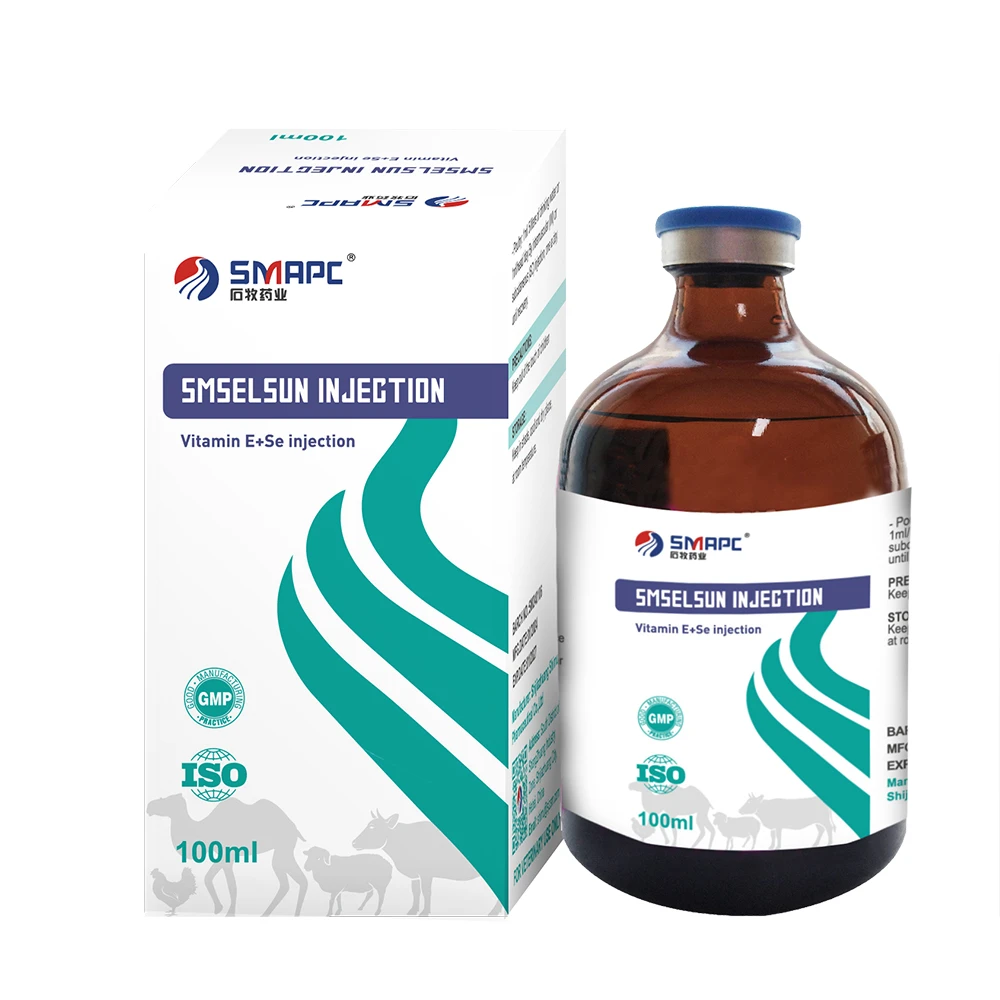
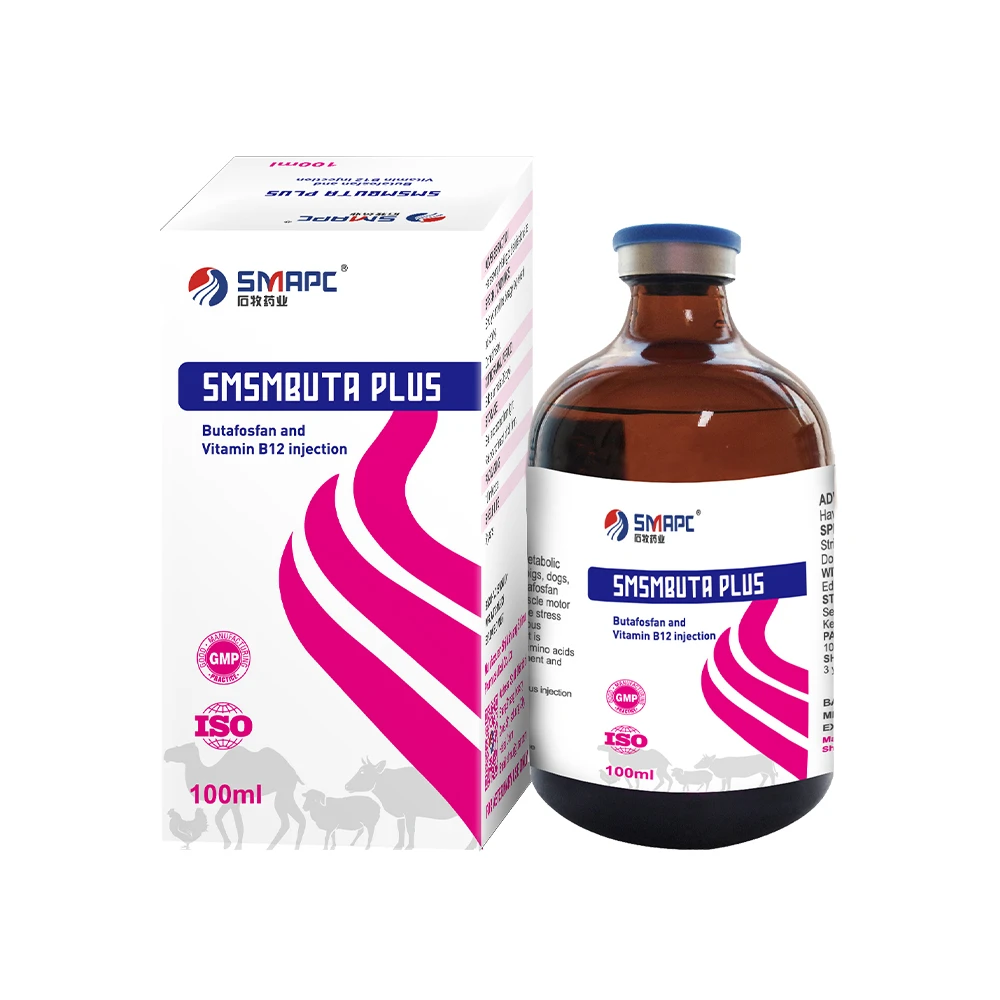
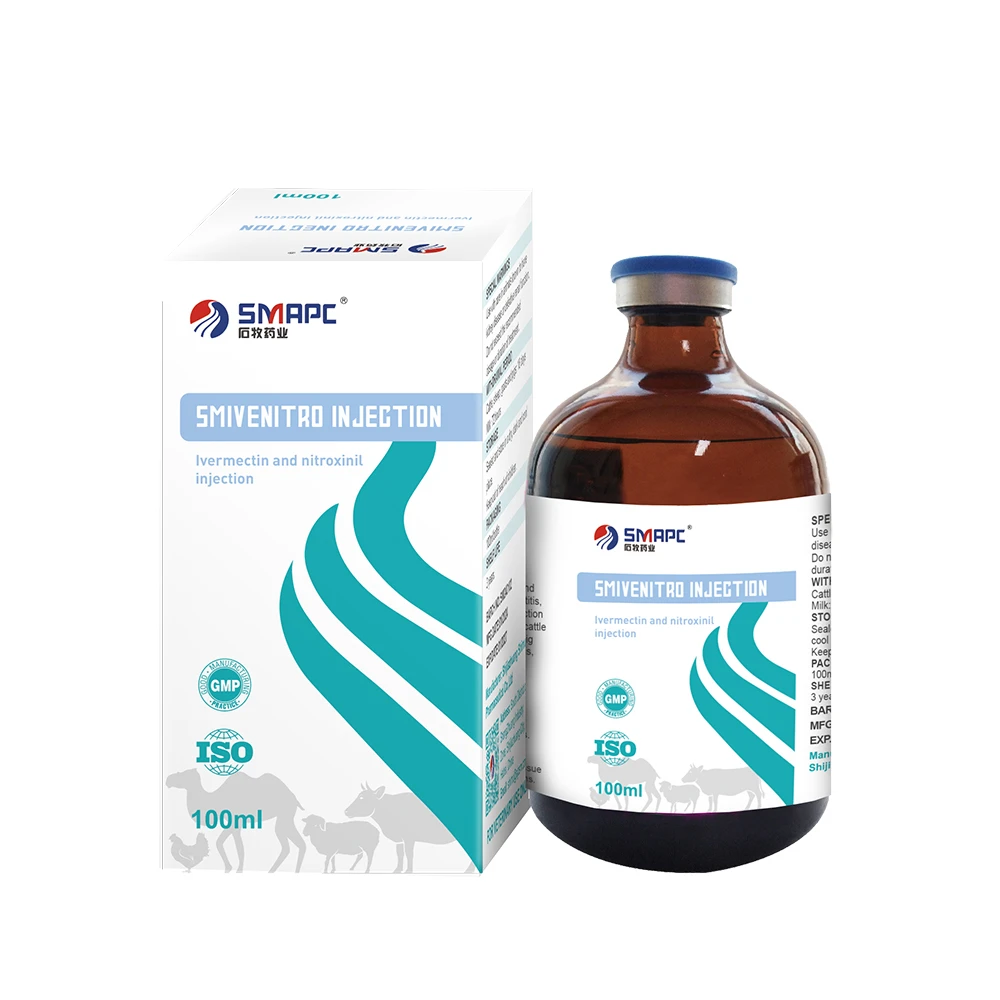
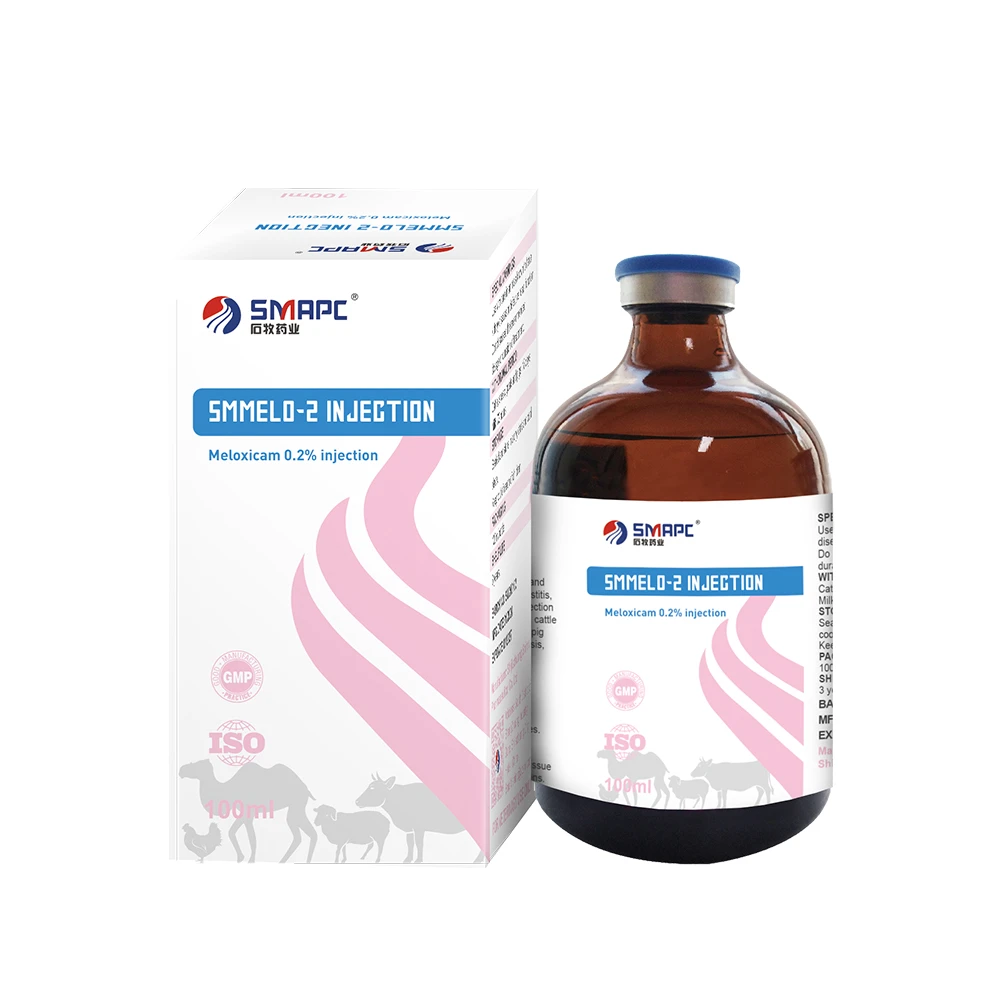
The phrase cattle medicine for sale may sound straightforward, but its implications ripple across global food security, rural livelihoods, and economic resilience. With over 1.5 billion cattle worldwide (FAO, 2022), keeping herds healthy isn’t just about animal welfare; it’s foundational to sustainable agriculture and public health. Understanding the variety and availability of medicines for cattle becomes crucial, especially when diseases threaten productivity or even human health through zoonotic risks.
Why the Global Demand for Cattle Medicine Matters
Livestock disease outbreaks can devastate communities. Take foot-and-mouth disease or bovine tuberculosis—both can cause severe losses. According to the World Bank, livestock accounts for up to 40% of agricultural GDP in developing countries, so medicines that prevent or treat illnesses have a direct economic impact. In fact, the global market for veterinary medicines, including cattle medicine for sale, is expected to reach over $30 billion by 2028 (Market Data). The challenge? Ensuring these medicines are accessible, affordable, and appropriate for varied climates and farming systems worldwide.
What Exactly is Cattle Medicine?
In everyday terms, cattle medicine refers to pharmaceuticals and biologics designed to prevent, treat, or control illness in cattle. This ranges from antibiotics and antiparasitics to vaccines and mineral supplements. The veterinary industry has evolved from simple remedies to highly specialized medicines shaped by scientific research, regulatory standards (like those from ISO and OIE), and market needs. Modern cattle medicines are tailored not only for disease control but to optimize herd productivity and meet welfare standards.
Core Components of Cattle Medicine
1. Therapeutic Categories
- Antimicrobials: Used against bacterial infections; key to managing conditions like mastitis.
- Parasiticides: Target internal and external parasites such as ticks and worms.
- Vaccines: Critical preventative medicines reducing disease incidence.
- Growth promoters and minerals: Enhance nutrition and herd performance.
2. Dosage Forms and Delivery
Oral drenches, injectables, topical sprays—the form impacts administration ease and efficacy, especially in extensive grazing systems.
3. Stability & Shelf Life
Medicines must survive varying storage conditions, especially in hot, humid regions with limited refrigeration.
4. Regulatory Compliance
Medicines undergo rigorous testing and approvals to guarantee safety—for both animals and human consumers of animal products.
Global Applications and Regional Use Cases
From the vast ranches of Australia to intensive dairy farms in Europe, the requirements for cattle medicine vary widely. In Africa, many remote pastoral communities depend heavily on antiparasitic drugs to maintain herd health amid challenging environments. Meanwhile, in North America, advanced vaccines and diagnostics are standard to prevent endemic diseases.
Disaster relief operations also benefit from readily available cattle medicines, protecting animals when disease risk spikes due to stress or displacement. Organizations like the UN's Food and Agriculture Organization (FAO) often include veterinary medicines in emergency livestock packages.
| Medicine Type | Typical Use | Formulation | Shelf Life |
|---|---|---|---|
| Oxytetracycline | Broad-spectrum antibiotic | Injectable | 24 months |
| Ivermectin | Antiparasitic for internal/external parasites | Oral suspension / injection | 36 months |
| Bovine Respiratory Vaccine | Prevention of respiratory diseases | Injectable | 12 months refrigerated |
Advantages of Using Quality Cattle Medicine
Good cattle medicine means healthier animals, leading to better milk and meat yields. That translates into higher incomes and food availability. It also supports animal welfare, an increasingly important consumer concern worldwide. Plus, strong health protocols minimize antibiotic resistance risks by promoting correct use.
On a personal note, many farmers I’ve spoken to mention the reassurance that comes with reliable medicines. It’s not just a transactional purchase — it’s an investment in their business, family, and community wellbeing.
Innovations Shaping the Future of Cattle Medicine
Emerging technologies promise exciting shifts. Digital tracking can now monitor herd health and medicine usage remotely, improving precision and reducing waste. Biotech advances are creating vaccines that can handle multiple diseases simultaneously.
Sustainability is also key: newer formulations are designed to lower environmental impact, such as reduced antibiotic residues in soil and water. Indeed, regulatory frameworks increasingly push for greener, more responsible veterinary medicines.
Challenges and Potential Solutions
One major challenge is accessibility in remote and under-resourced areas. Poor infrastructure complicates storage and timely delivery. Yet innovative distribution models—mobile veterinary units, community-based drug programs—are bridging gaps.
Another concern is misuse or overuse, which threatens efficacy. Continuous education aimed at farmers and vets remains vital to promote safe, effective usage.
Vendor Comparison Table: Popular Cattle Medicine Suppliers
| Supplier | Product Range | Geographic Reach | Notable Strengths |
|---|---|---|---|
| SkyVet Pharmaceuticals | Antibiotics, vaccines, antiparasitics | Global, strong in Africa & Asia | Affordable pricing, deep rural supply chains |
| AgroVet Solutions | Broad spectrum & specialty products | North America & Europe | Cutting-edge formulations, R&D focus |
| VetiCare International | Vaccines, growth promoters | Global emerging markets | Strong regulatory compliance, training programs |
Frequently Asked Questions about Cattle Medicine for Sale
- Q: How can I choose the right medicine for my cattle?
- A: It depends on your cattle’s specific health challenges and farm conditions. Consult a qualified veterinarian to diagnose issues and recommend appropriate treatment. Access to reliable cattle medicine for sale also matters—choose trusted suppliers.
- Q: Are cattle medicines safe for human consumption?
- A: When used correctly, veterinary medicines are regulated to ensure residues in meat or milk are within safe limits. Always follow withdrawal periods before processing animal products.
- Q: What are some common storage requirements for cattle medicines?
- A: Most medicines require cool, dry storage away from direct sunlight. Some vaccines need refrigeration. Improper storage can degrade efficacy, so pay close attention to manufacturer guidelines.
- Q: Can small-scale farmers access cattle medicines easily?
- A: Accessibility varies by region but is improving thanks to outreach programs and mobile vet services. Bulk purchasing groups or cooperatives can also lower costs and improve availability.
Conclusion: Why Investing in Cattle Medicine Pays Off
In real terms, robust access to quality cattle medicine for sale supports healthier herds, more resilient farming systems, and ultimately, safer, more plentiful food supplies. If you’re a farmer, vet, or livestock stakeholder, the right medicines aren’t an optional luxury—they’re essential tools for sustaining livelihoods and communities.
For more detailed selections and to secure trusted products, visit our website — your partner in advancing animal health worldwide.
-
Choosing the Best Worm Medicine for Goats for Herd HealthNewsApr.16,2026
-
Comprehensive Guide to Professional Goat Medication and Herd HealthNewsApr.09,2026
-
Comprehensive Tick Treatment for Sheep A Guide to Control and PreventionNewsApr.07,2026
-
Comprehensive Guide to Effective Mite Treatment for Goats and PreventionNewsApr.04,2026
-
Comprehensive Veterinary Medicine for Sheep Health and Disease PreventionNewsMar.31,2026
-
Comprehensive Guide to Goat Health and Effective Goats Medicine SolutionsNewsMar.28,2026